
The Hands That Weave Heritage: A Tribute to the Indian Artisan
In the quiet corners of bustling Indian villages, away from the hum of industrial machinery, there is a rhythmic sound that has echoed for millennia. It is the steady clack-clack of a wooden loom, the metallic tink of a needle hitting a frame, and the soft splashing of fabric in vats of indigo.
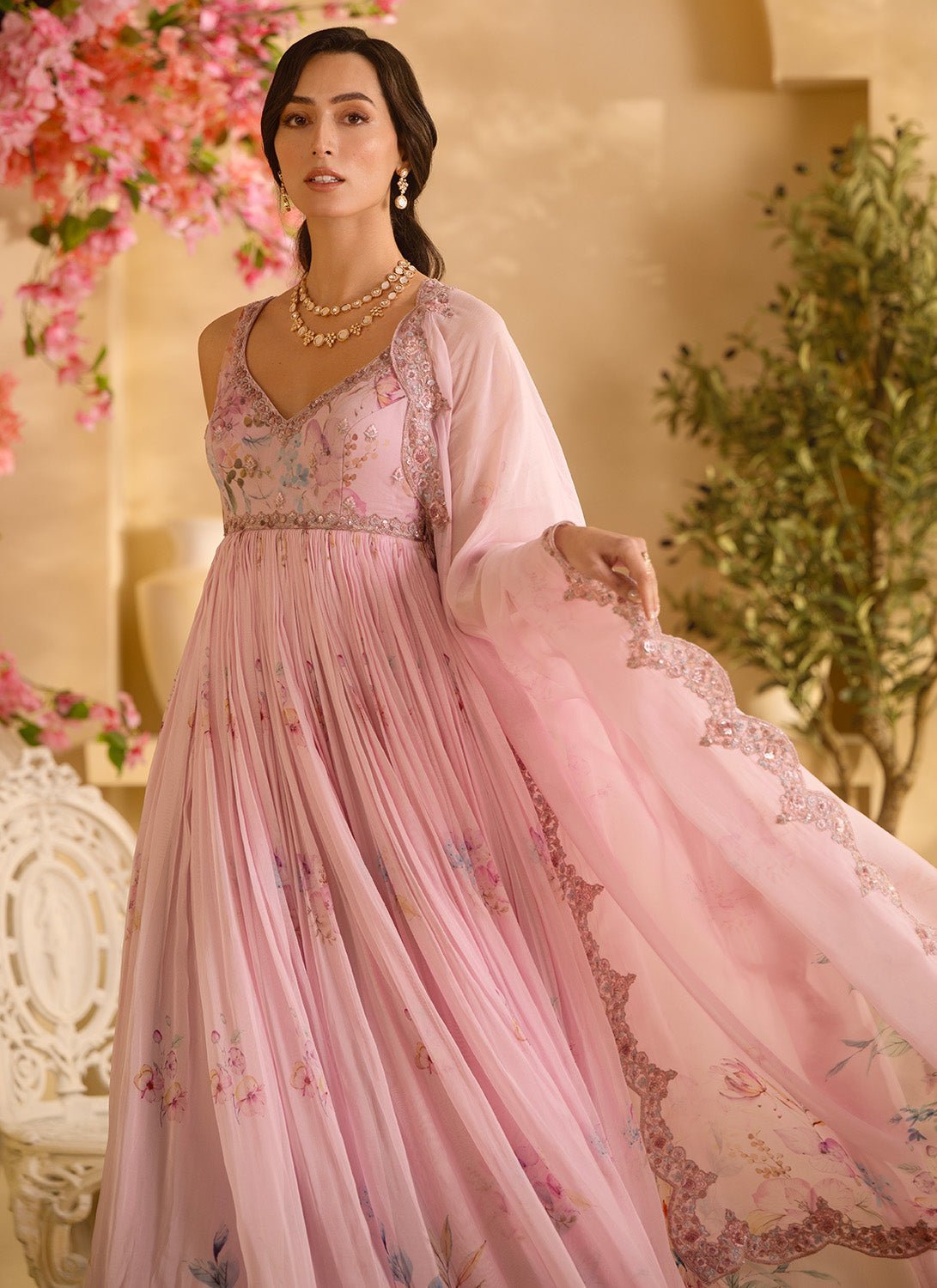
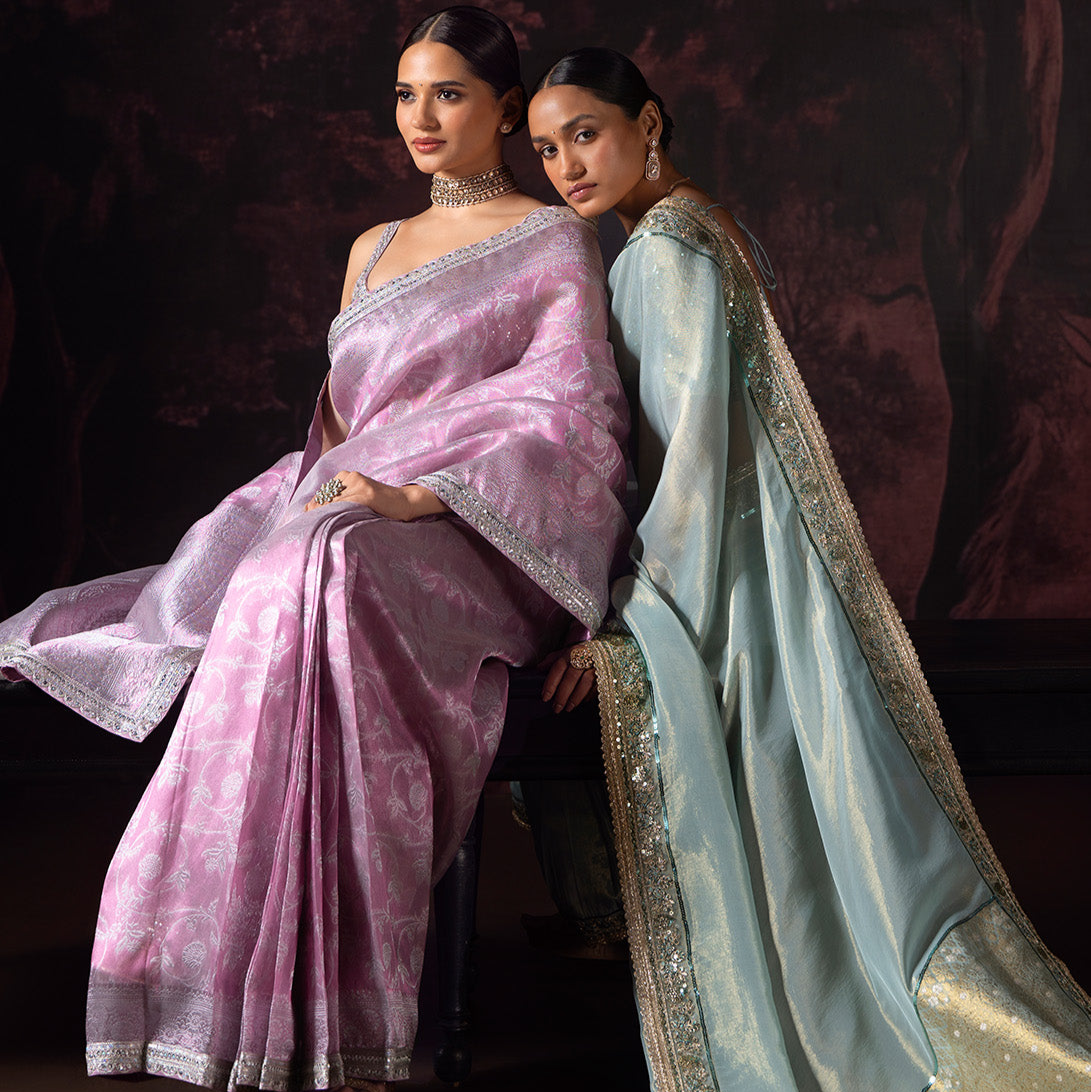
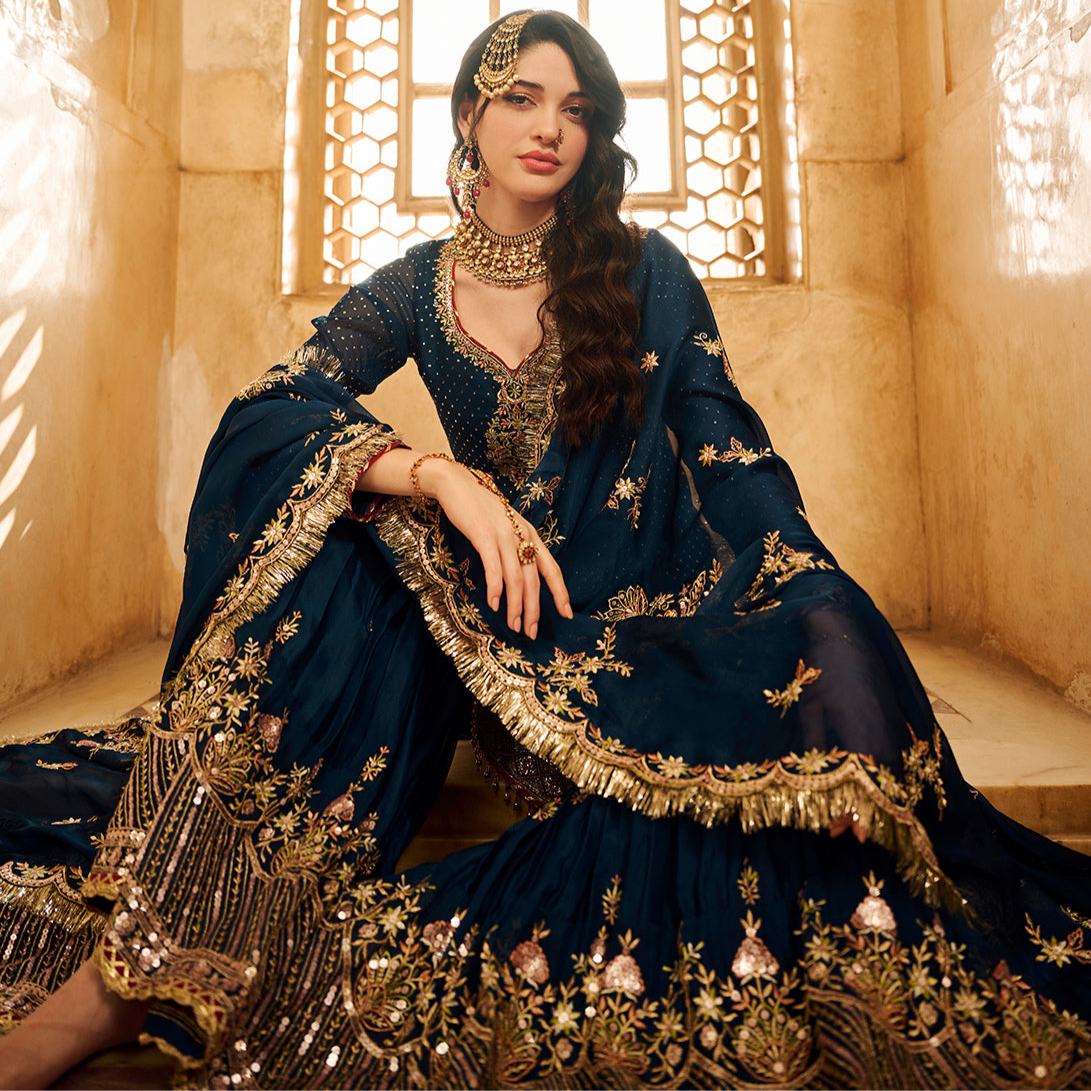
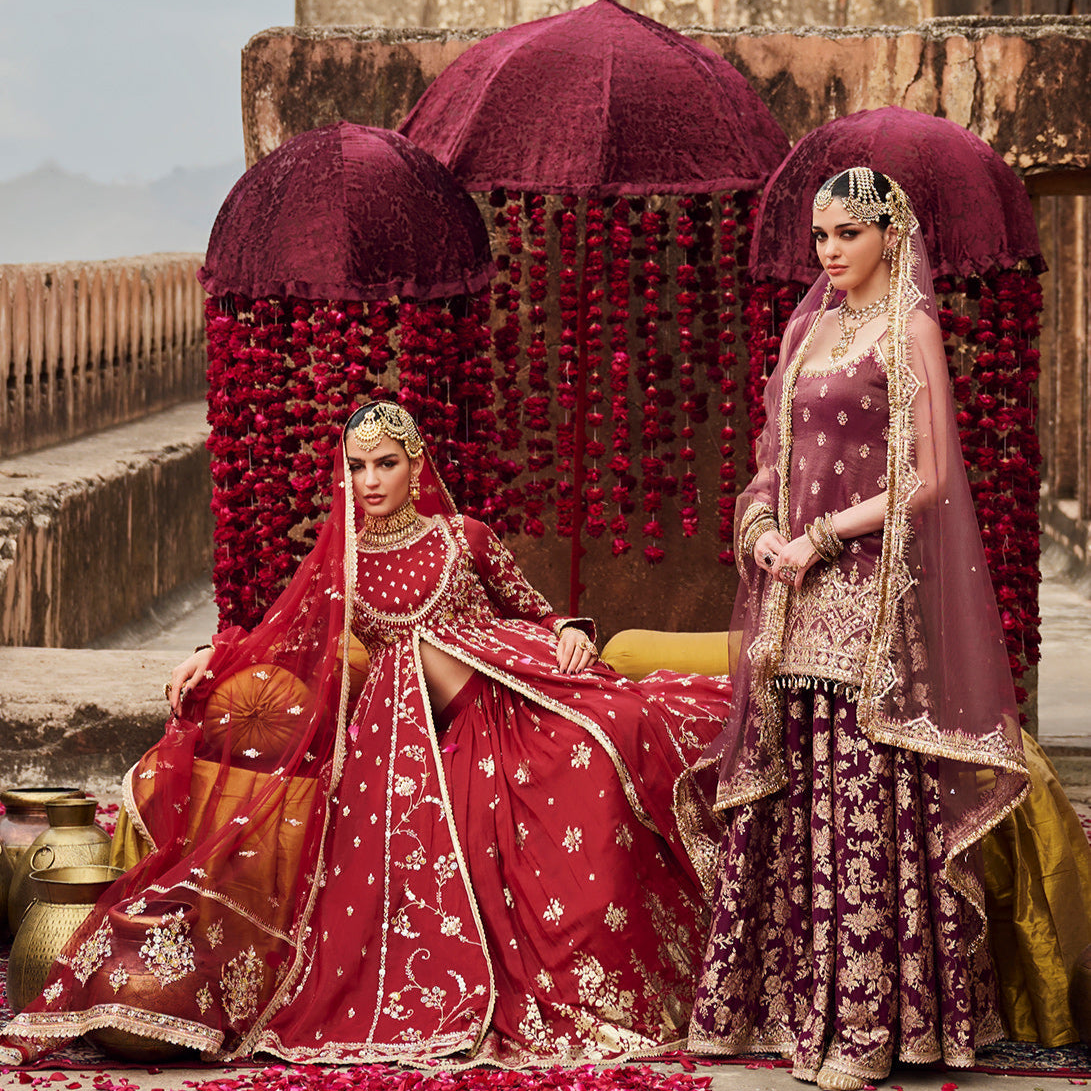
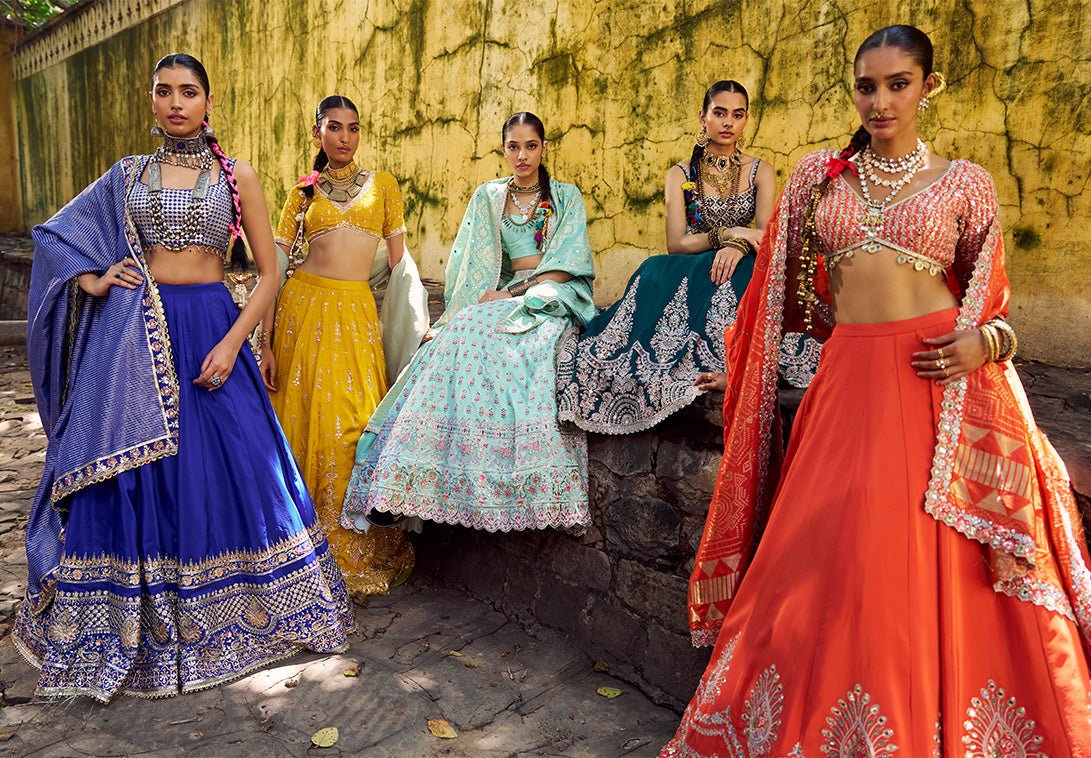
On World Artisan Day, we at Lashkaraa pull back the curtain on the glamour of the runway to honor the true architects of our brand: the artisans. Every hand-beaded lehenga and intricately woven dupatta in our collection transcends mere clothing into a living archive of human history.
A 5,000-Year Legacy, From Indus to Inclusion

The story of the Indian artisan begins not in a studio, but in the ancient soil of the Indus Valley (c. 3300 BCE). Excavations at Mohenjo-daro reveal that these early artisans were the first to master cotton weaving and mordant dyeing, pioneering the vibrant Indian craft traditions we still use today.
As centuries progressed, the Vedic and Classical eras saw the birth of Hiranya, or gold-weaving, the ancestor of modern Zari. By the time of the Roman Empire, Indian artisanal muslins were so coveted they were known as "woven air," traded for their weight in gold.
The medieval era brought a magnificent synthesis of styles. Under Mughal patronage, Persian floral motifs fused with indigenous techniques, birthing the intricate Zardozi and Jamdani work that defines luxury today. Through royal Karkhanas (workshops), the Indian artisan was elevated to a high-ranking master of art.
Today, this legacy is one of resilience. Having survived the Industrial Revolution, artisanal craft has evolved from a village trade to a global symbol of sustainable luxury.
The Golden Age of Patronage
In Ancient India, the artisan was not a nameless laborer; they were a celebrated pillar of society. Under the patronage of the Mughals, Rajputs, and the Chola dynasties, artisans were treated as "Ratnas" or jewels of the court.
The Royal Karkhanas
Emperors established dedicated workshops (karkhanas) where the finest weavers and embroiderers were given the best materials like pure gold threads, real pearls, and rare dyes to push the boundaries of their craft.
The Sacred Guilds
Known as Shrenis, these ancient artisan guilds functioned like modern-day professional associations. They set quality standards, protected the welfare of the craftsmen, and ensured that the secrets of a particular stitch or weave remained within the community.
The Anatomy of Artistry: A Diverse Artisanal Ecosystem

The creation of traditional textiles is never the work of a single hand but a symphony of specialized skills performed by a diverse ecosystem of creators. In the world of Indian craft, each artisan belongs to a specific lineage of mastery, contributing a unique layer to the final masterpiece.
The Karigars (The Embroiderers)
Masters of the needle and the frame, Karigars are the architects of surface ornamentation. Specializing in techniques like Zardozi (metallic threadwork) and Aari (hook embroidery), these artisans spend hundreds of hours hand-applying sequins, beads, and crystals. Their work transforms a flat piece of fabric into a three-dimensional landscape of light and texture.
The Bunkaars (The Weavers)
The Bunkaars are the foundation of artisanal textiles. Situated in historic weaving clusters like Banaras, Chanderi, and Maheshwar, they command the complex geometry of the handloom. By meticulously manipulating the warp and weft, they weave cultural narratives into silk and cotton, creating shimmering fabrics that carry the weight of history in every thread.
The Rangrez (The Colorists)
These artisans are the alchemists of the craft world. The Rangrez hold the secrets to India’s vibrant color palette, using age-old techniques such as Bandhani (tie-dye) and hand-block printing. Whether they are working with natural indigo or complex mordants, they ensure that the "soul" of the garment is reflected in its brilliant, enduring hues.
The Darzis (The Master Tailors)
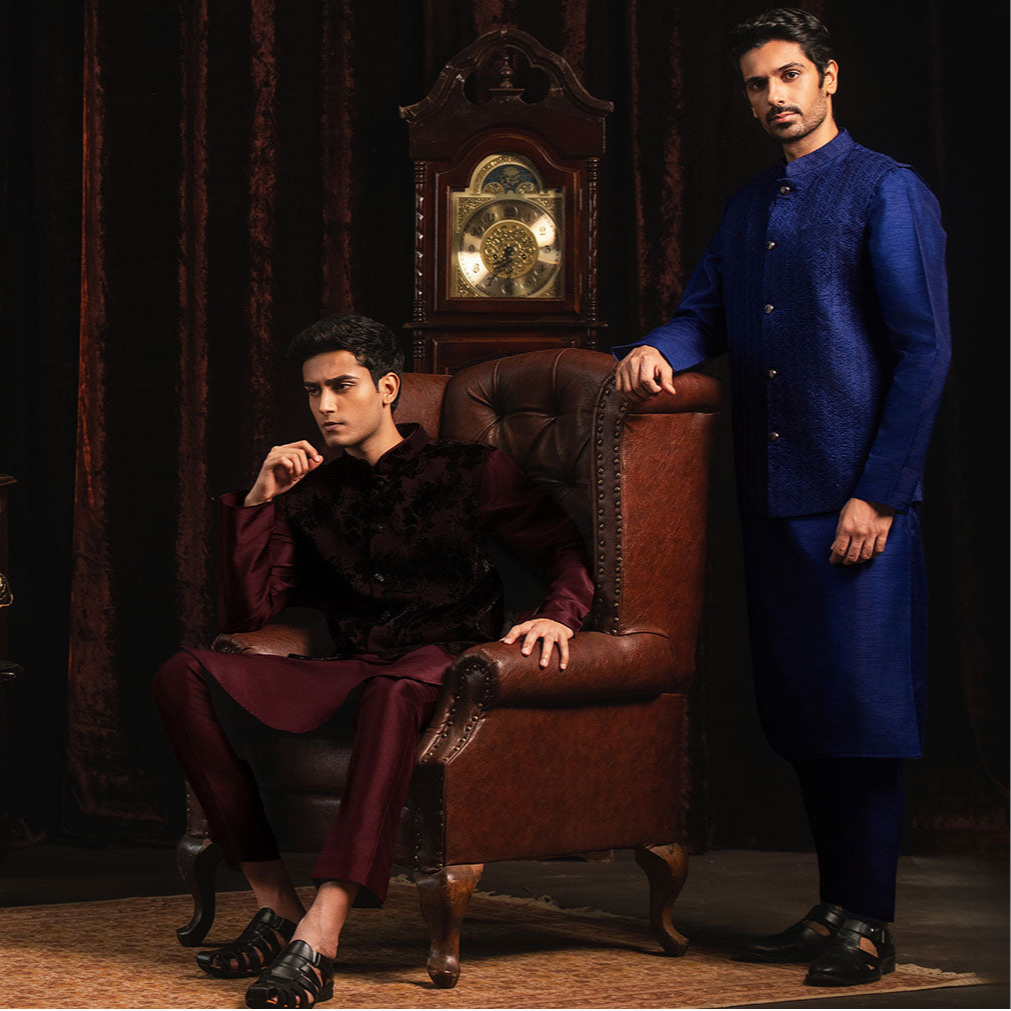
The final evolution of any textile rests with the Darzi. More than just seamsters, these artisans possess the structural intuition required to translate flat, ornate panels into architectural silhouettes. They ensure that the artisanal fabric moves with the human form, marrying ancient craft with the precision of fit and drape.
The Sacred Inheritance
Knowledge Beyond Textbooks
While modern design is taught in classrooms, the mastery of Indian craft is whispered from one generation to the next. This is a sacred inheritance, a living lineage where the Guru-Shishya (Teacher-Student) bond often exists within the same family for centuries.
An artisan doesn’t just memorize a technique; they embody a muscle memory that feels like instinct. A veteran weaver doesn’t need a gauge to check the quality of silk, they can simply feel its purity through the subtle vibrations of the loom. A master embroiderer knows the exact, invisible threshold of tension a fabric can take before it puckers. This deep-seated intuition is the hallmark of artisanal work; it is an intimate conversation between the maker and the material that no algorithm or machine could ever simulate.
The Philosophy of the "Human Touch"
In a world defined by the sterile perfection of mass production, the artisan offers a rare gift: a garment with a pulse. We often speak of "beautiful imperfections," the slight, rhythmic variation in a hand-dyed shade or the tiny shift in a block-printed motif.
In artisanal fashion, these aren't defects; they are the "fingerprints" of the maker. They serve as a quiet reminder that a human being, with their own history and artistry, dedicated days of their life to creating something unique. This "human touch" ensures that no two pieces are ever identical, giving your wardrobe a sense of soul that factory-made "fast fashion" simply cannot provide.
The Future of Craft: A Sustainable Path Forward

Honoring the Indian artisan on World Artisan Day goes beyond being a tribute to their rich past, it is an investment in our collective future.
The Original Slow Fashion
Artisanal production is a blueprint for sustainability. By relying on manual looms and hand-tools rather than high-energy machinery, and by utilizing natural, biodegradable fibers, these craftsmen have been practicing "green fashion" for millennia.
Empowering Communities
Choosing Indian craft is a direct act of economic support. It preserves the social fabric of rural India, ensuring that ancestral skills remain a profitable and proud livelihood. This patronage keeps heritage alive in its birthplace rather than letting it become a museum relic.
A Note from Lashkaraa
This World Artisan Day, we invite you to look closer at the clothes you love. Trace the path of the embroidery with your fingers, notice the complexity of the weave, and recognize the human effort woven into the seams.
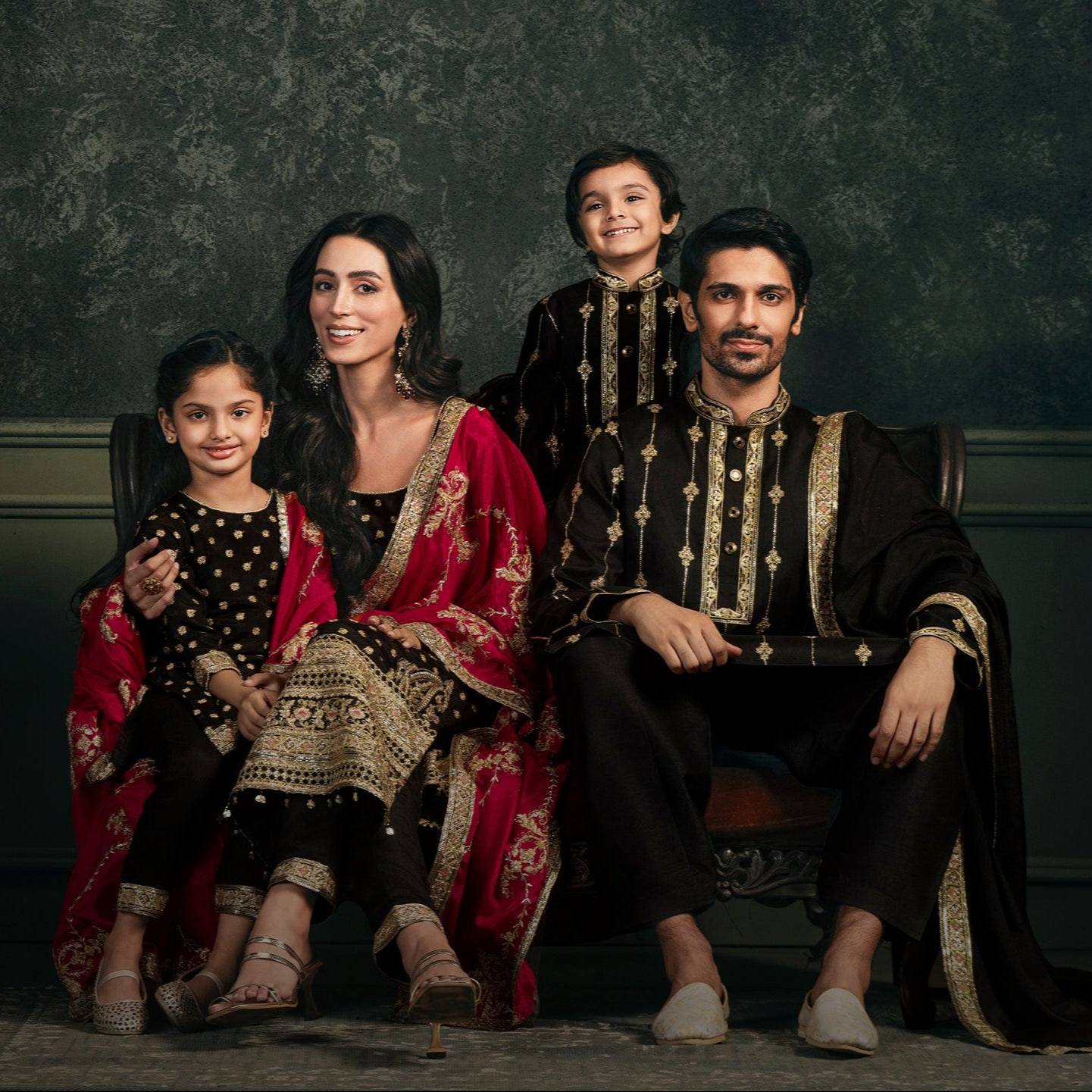
At Lashkaraa, we view ourselves as bridge-builders. We take the timeless spirit of the Indian artisan and carry it into the modern world. When you wear our collections, you aren't just following a trend, you are wearing the living heartbeat of a 5,000-year-old culture.
Happy World Artisan Day!

Sources:
First Annual World Artisan Day Launches April 18, 2021 | Novica