Pakistani Wedding Guest Outfits: What to Wear and What to Avoid
Getting invited to a Pakistani wedding is exciting, but it also comes with a very real question: what do you actually wear? Between the multiple functions, unspoken colour rules, and the sheer glamour of it all, picking the right Pakistani wedding guest outfits can feel overwhelming if you don't know where to start.
Part of what makes this so layered is that Pakistani weddings are a series of celebrations, each rooted in centuries of South Asian tradition. The multi-day format traces back to the Mughal era, when royal weddings were drawn-out affairs blending Persian, Central Asian, and local subcontinental customs into an elaborate sequence of rituals, each with its own attire, colour palette, and symbolism. Over time, these customs were passed down and adapted by families across the region, evolving into the Mehndi, Baraat, Nikkah, and Walima functions we recognise today. Even the silhouettes themselves carry history: the gharara, for instance, has roots in royal Lucknawi and Mughal courts, while the sharara and salwar kameez evolved from Punjabi and Central Asian dress traditions long before they became wedding-season staples. Understanding this backdrop is part of what makes dressing for a Pakistani wedding feel less like guesswork and more like participating in a living tradition.
This guide breaks down everything you need to know, starting from silhouettes and fabrics to colours you should skip so you walk into every function looking put-together, with a little cultural context along the way.
Understanding the Pakistani Wedding Dress Code
Before you shop, it helps to understand the basic Pakistani wedding dress code for women. Pakistani weddings usually unfold across several events like Mehndi, Baraat/Nikkah, and Walima, with each one having its own mood, history, and, often, its own expected level of formality.
- Mehndi: Traditionally a folk celebration rooted in Punjabi and Sindhi rural customs, the Mehndi function was originally an intimate, women-led ritual centred around applying henna for good luck and protection before the wedding. Today it's the most vibrant, playful function of the lot, and the one where you can experiment with bold prints and bright hues.
- Baraat/Nikkah: The Nikkah is the Islamic marriage contract itself, historically a fairly simple religious ceremony, while the Baraat, which is the groom's processional arrival, grew into a grand celebration influenced by Mughal court pageantry. Together, they call for more formal and elegant dressing, with rich fabrics, heavier embellishment, and statement jewellery as the norm.
- Walima: Hosted by the groom's family, the Walima has its roots in Islamic tradition as a feast marking the union publicly. Over the decades it's evolved into the most formal, reception-style event of the wedding, where gowns, heavily embroidered outfits, and polished, camera-ready looks take centre stage.
Knowing which function you're attending along with a little of the history behind it is the first step to figuring out what to wear to a Pakistani wedding without over- or under-dressing.
What to Wear: Silhouettes That Always Work
For Women:
Sharara for a Pakistani Wedding
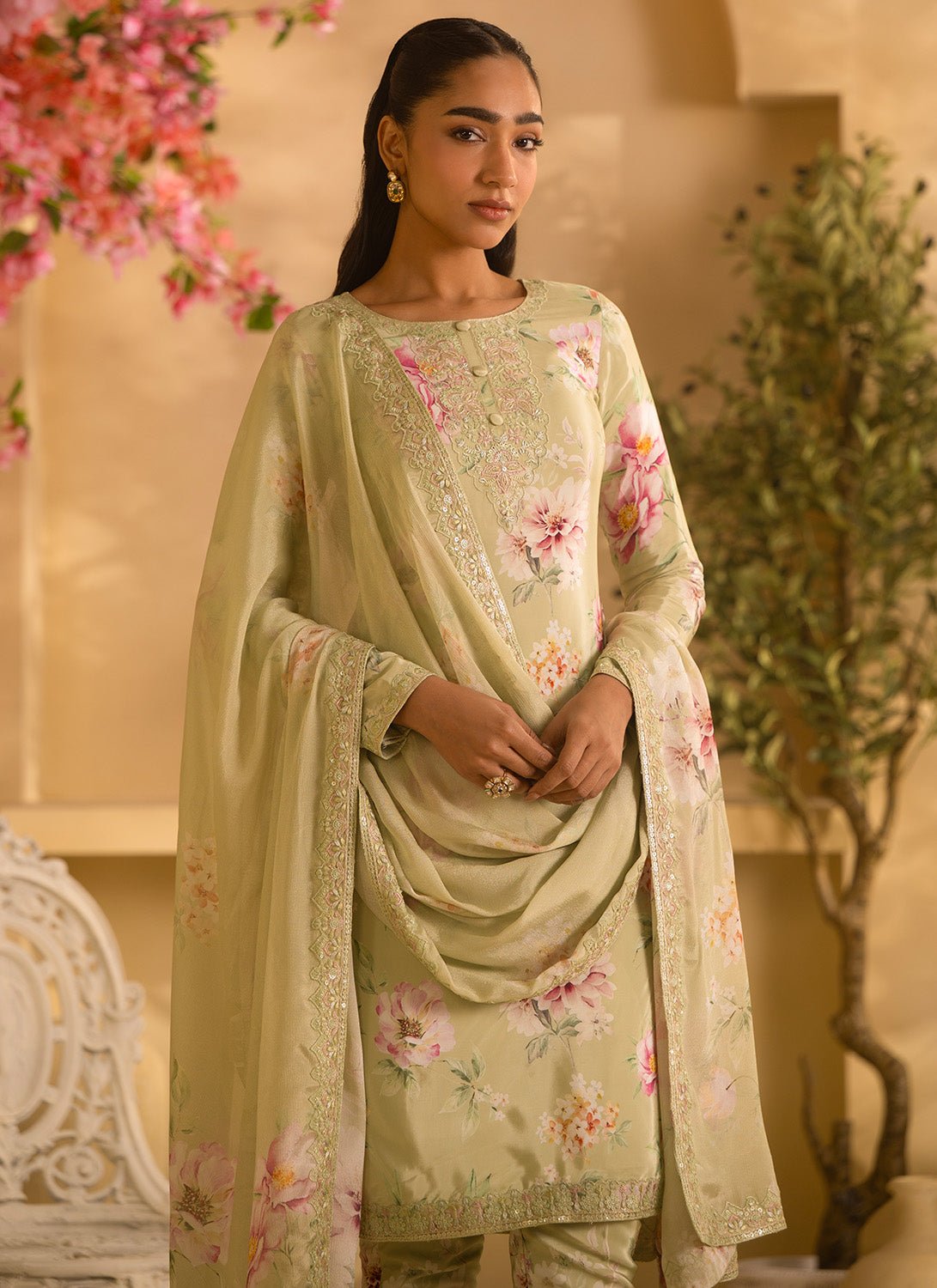
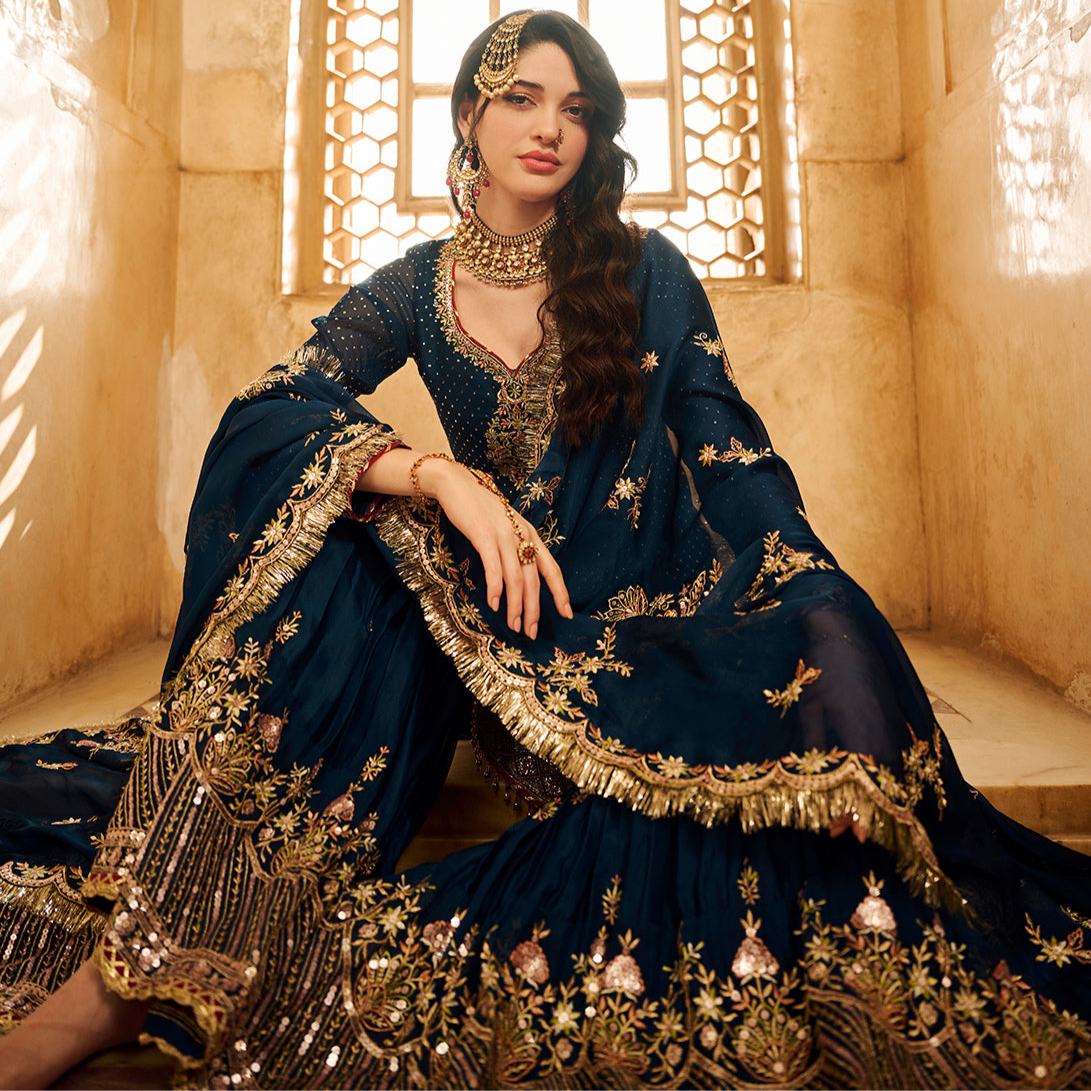
Few silhouettes say "wedding guest" quite like a sharara for a Pakistani wedding. The flared, wide-legged bottoms paired with a fitted, embellished kurti create a silhouette that's dramatic without being over the top. Shararas work beautifully for Mehndi and Baraat functions alike, especially in jewel tones or pastel shades like our Light Green Embroidered Organza Sharara or Lavender Embroidered Silk Sharara Suit depending on the vibe of the event. Browse our Sharara suits collection for options that range from festive to formal.

Gharara Outfit for Wedding Functions
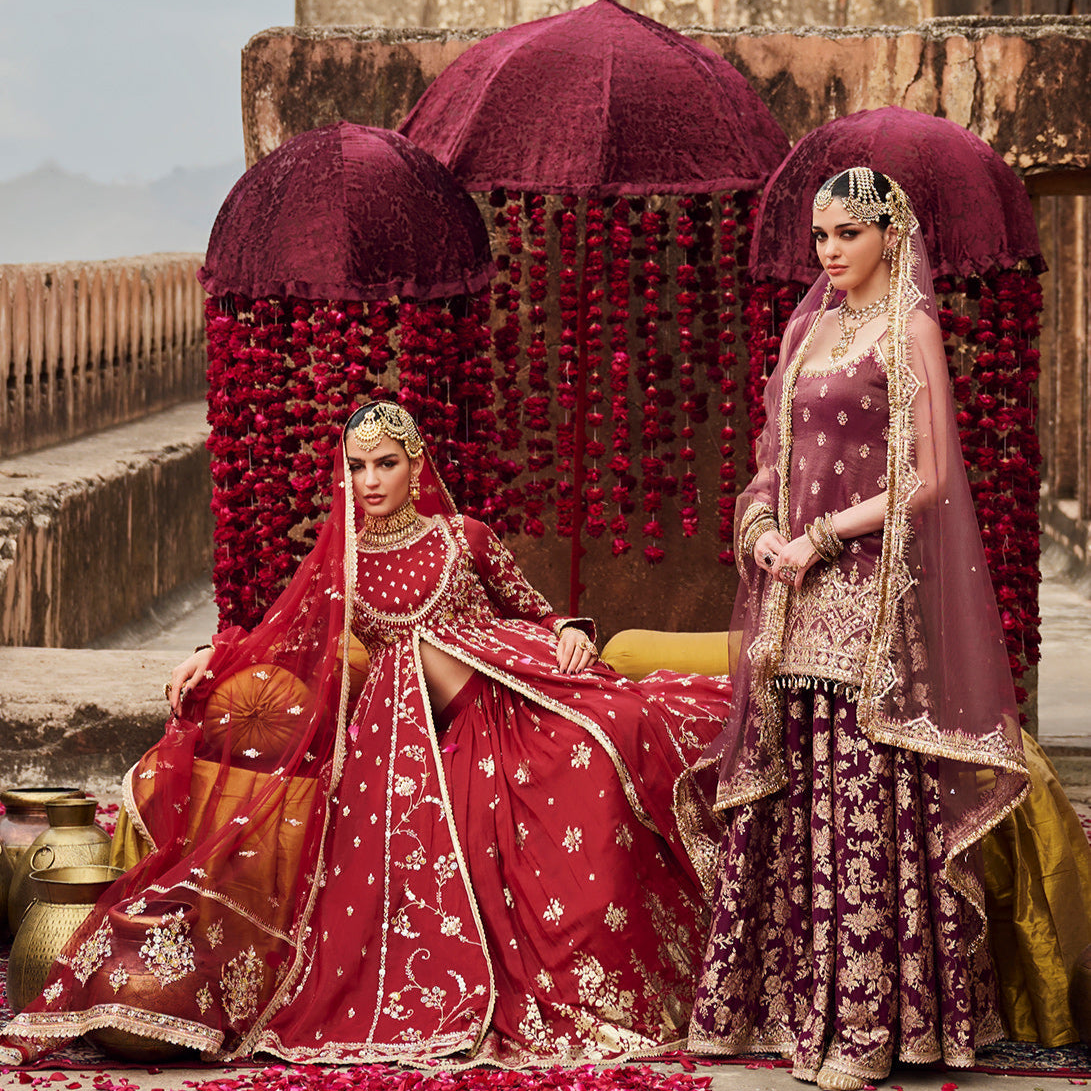
If you want something with a bit more traditional heritage, a gharara outfit for wedding events is a wonderful choice. The distinct double-flared bottoms give it a structured, regal look that photographs beautifully and ideal for Nikkah or Walima events. You can go for deep toned shades like our Dark Rust Embroidered Tissue Gharara or heavily embroidered ones like our Mustard and Pink Embroidered Tissue Gharara that comes with a dual toned dupatta for an added flair. Explore our full gharara collection to find a style that suits the occasion.

Anarkali: The Timeless Choice
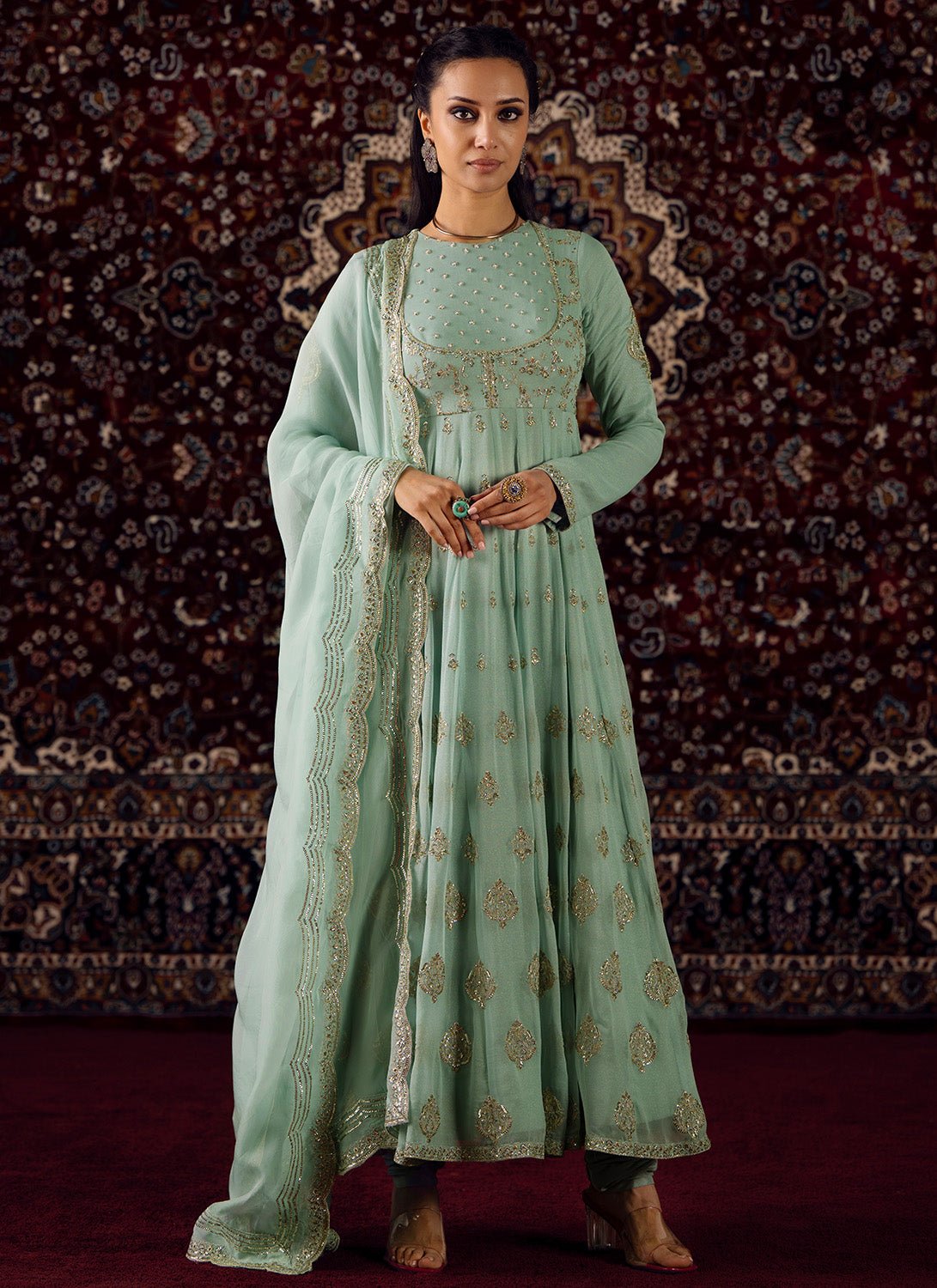
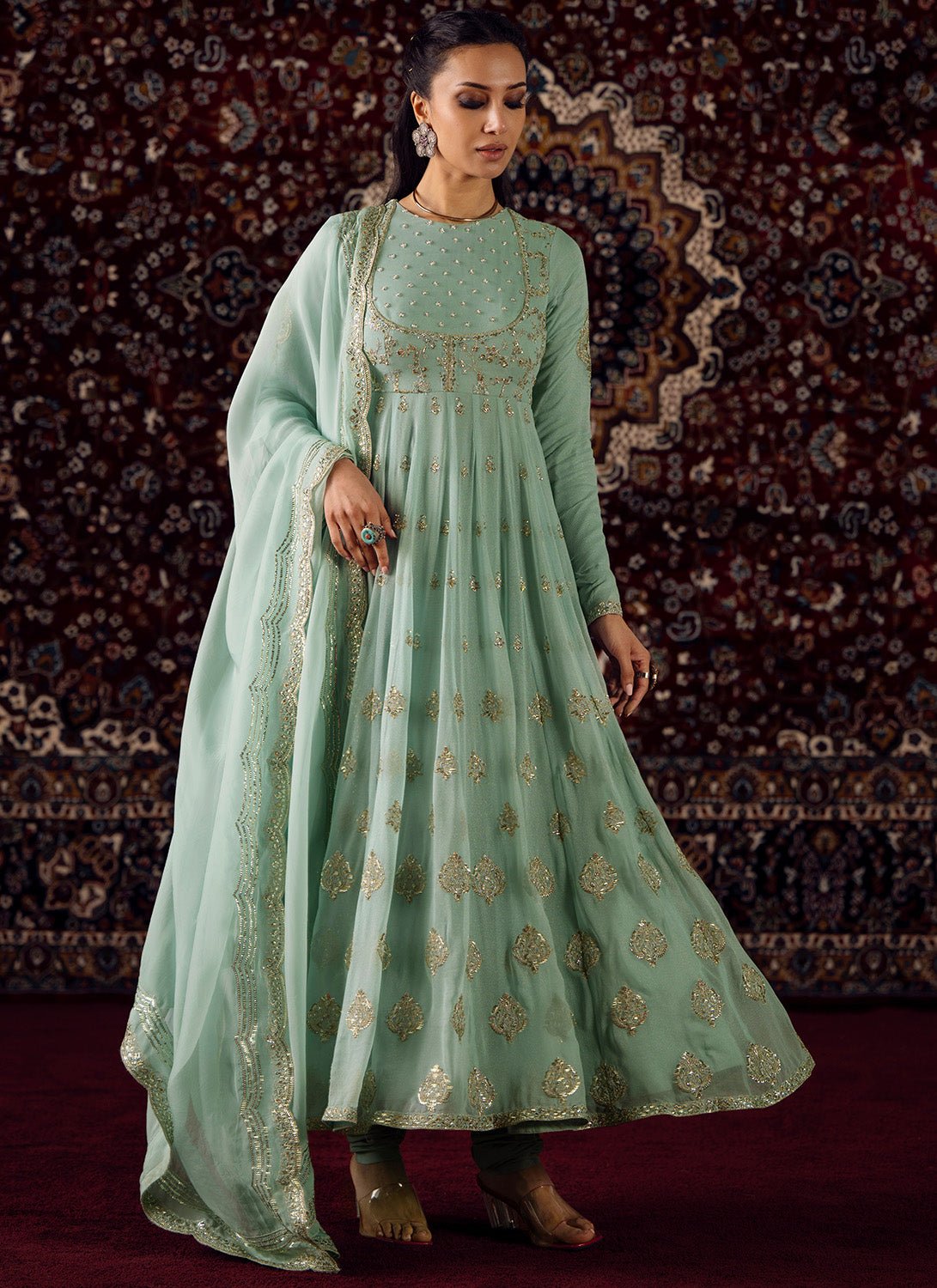
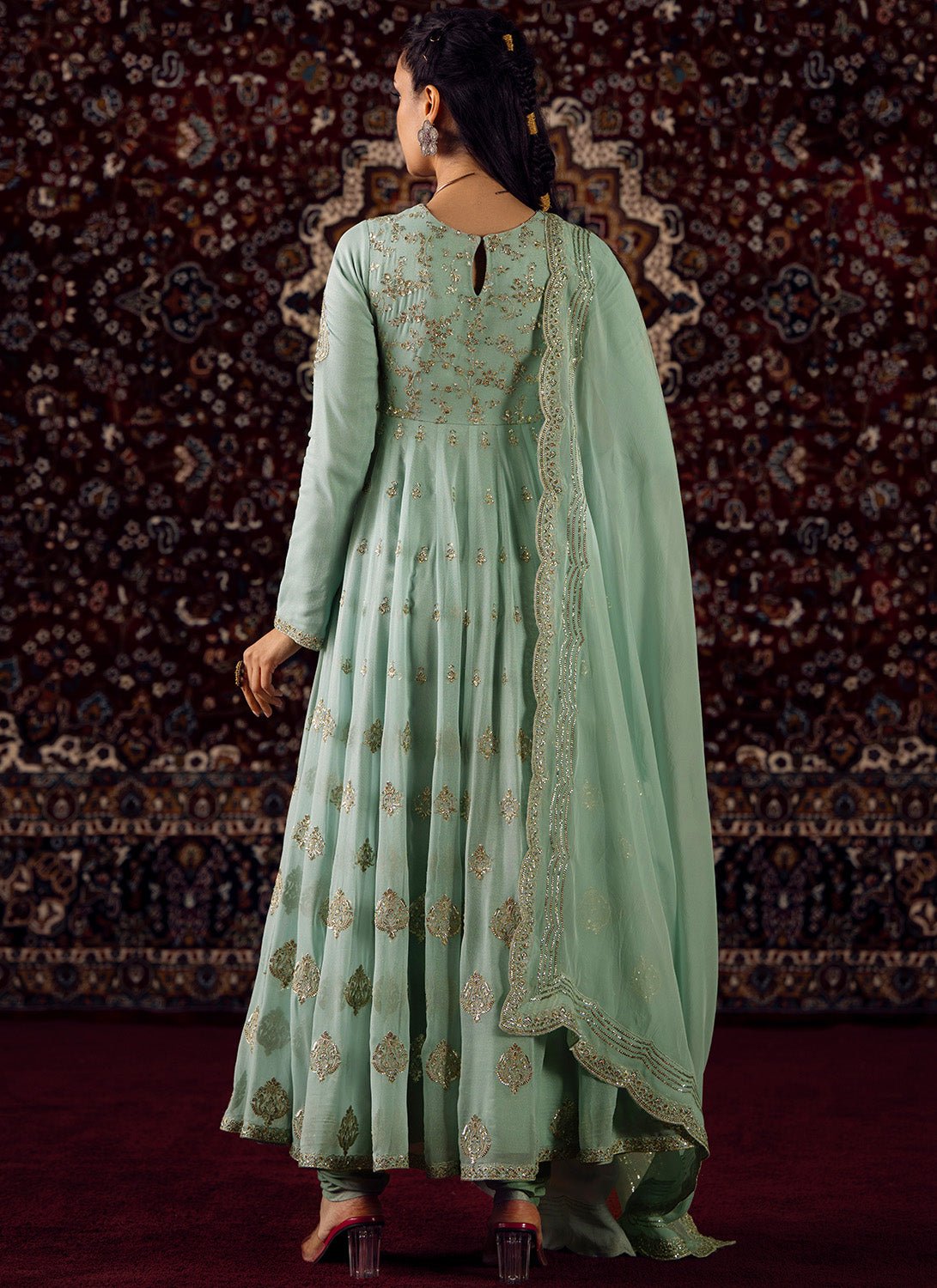
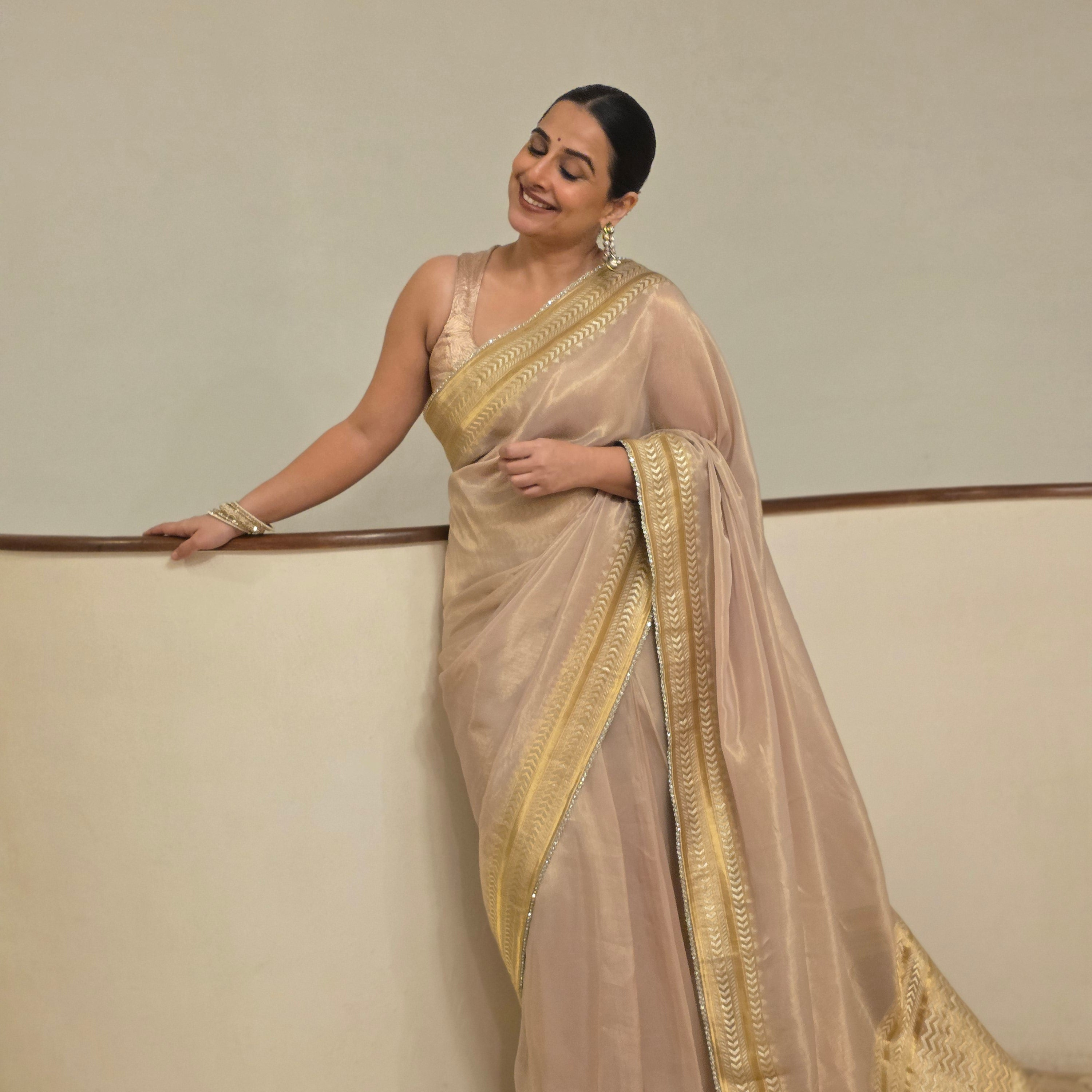
When in doubt, a well-tailored Anarkali suit is never wrong. Named after the legendary Mughal-era courtesan of folklore, the Anarkali has been a fixture of South Asian formalwear for centuries, prized for its graceful, floor-sweeping silhouette. The fitted bodice flaring into a long, flowing skirt flatters nearly every body type and lends an instant sense of drama and elegance. Choose lighter fabrics with subtle embroidery like our Mint Green Embroidered Georgette Anarkali for a daytime Mehndi, and heavier silks, organzas, or velvets with intricate handwork similar to our Dusty Pink Embroidered Velvet Anarkali for Baraat or Walima. Take a look at our Anarkali collection for pieces that stick to the theme, fit your style and respect the traditions at the same time.

Palazzo Suits for Effortless Elegance
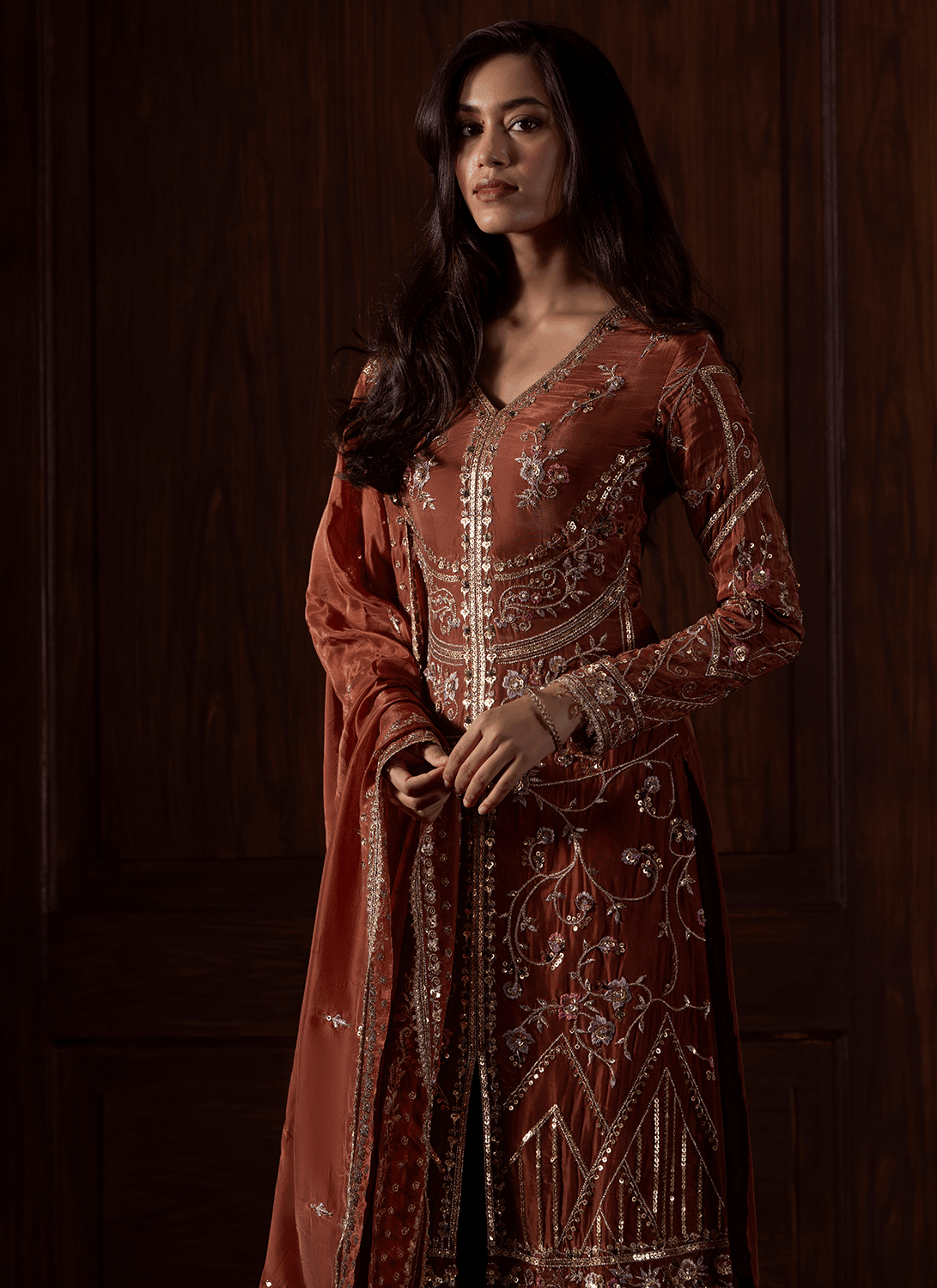
For guests who want comfort without compromising on style, palazzo suits are a great middle ground. The relaxed, flowing bottoms are easy to move in and perfect for long wedding days, while a well-fitted, embellished top keeps the look festive. To keep things light and appropriate, a fit like our Dusty Mint Floral Embroidered Satin Georgette Palazzo Suit would be a great fit while a silhouette like the Lavender Embroidered Silk Palazzo Suit gives you the best of grandeur and grace. Palazzo suits are especially great for Mehndi functions where comfort matters as much as style. Check out our palazzo suits collection for a variety of different styles to choose from.
For Men:
Sherwani for a Formal Pakistani Wedding
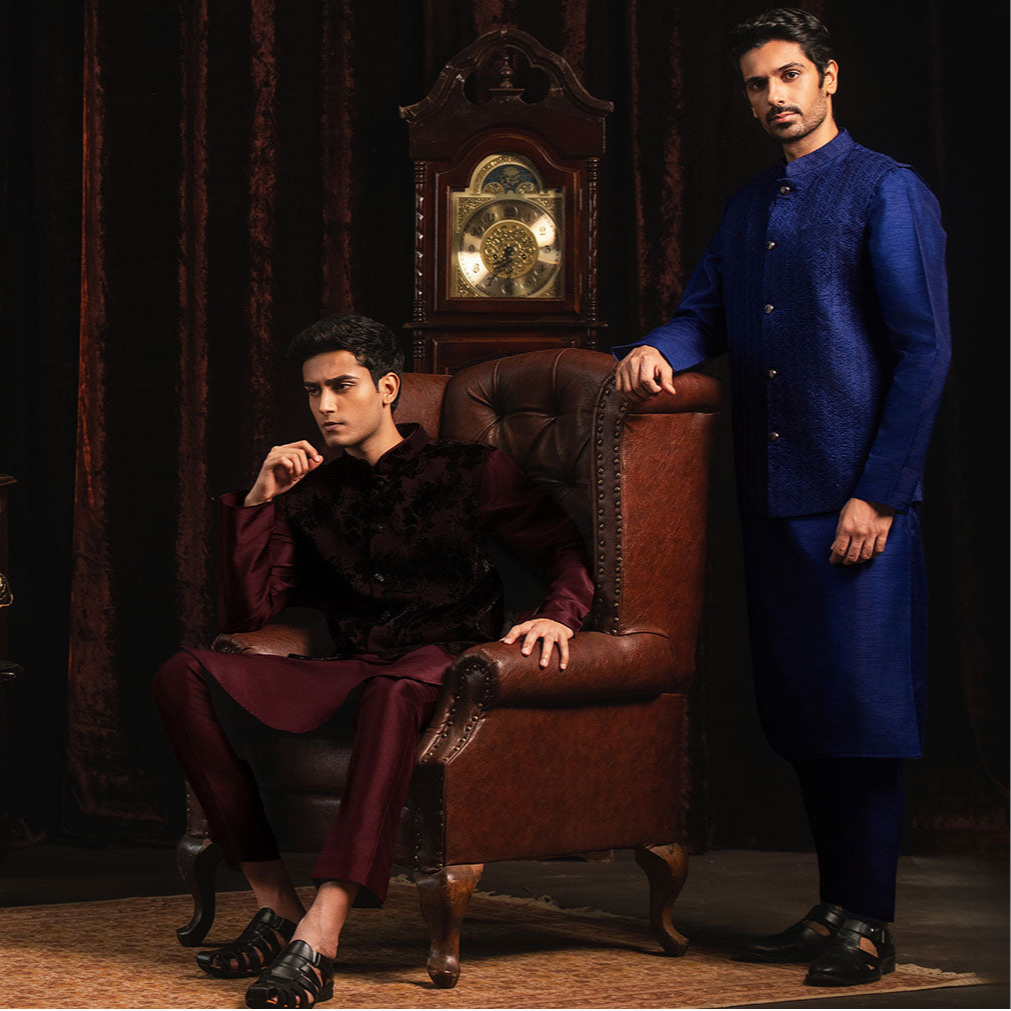
For the men in the wedding party or on the guest list, a sherwani is the closest equivalent to the sharara or Anarkali in terms of making a statement. With roots in 19th-century Awadhi and Mughal court dress, the sherwani has long been the garment of choice for formal South Asian occasions, a long, fitted coat worn over a churidar, often finished with an embroidered or brocade waistcoat. It works especially well for Baraat, Nikkah, and Walima functions, where deeper jewel tones and richer fabrics like raw silk or jamawar bring the same regal quality that gharara and Anarkali outfits offer for women. Something like our Light Purple Embroidered Silk Sherwani Set is a great fit for daytime events while the Green Embroidered Silk Sherwani Set is a sophisticated choice. Explore our sherwani collection to find a style that matches the formality of the function.

Kurta for Everyday Wedding Comfort
For more casual or daytime functions like the Mehndi, a well-tailored kurta paired with a shalwar or churidar is a comfortable, versatile choice that doesn't sacrifice style. Much like the palazzo suit does for women, the kurta strikes a balance between ease of movement and festive presentation and is ideal for functions that run long or involve dancing. Lighter cottons and silk blends in bright or pastel shades like our Light Pink Embroidered Kurta Set work well for Mehndi, while richer fabrics with subtle embroidery similar to the Navy Blue Embroidered Kurta Set can dress a kurta up enough for a more relaxed Nikkah. Browse our kurta collection for options across every level of formality.
Pakistani Wedding Colour Rules You Should Know
Colour matters more at Pakistani weddings than you might expect, and the reasons go beyond aesthetics. In South Asian tradition, colour has long carried meaning. Red symbolises passion, prosperity, and fertility, which is why it's historically the bride's colour of choice for the Baraat, while white is associated with purity and chastity, adding another layer to why they're best avoided by guests. These associations have softened over generations, but the etiquette they left behind still shapes how guests are expected to dress today. Here are the general Pakistani wedding colour rules to keep in mind:
- Avoid all-white or all-red outfits. White is typically reserved for the bride's Nikkah look in some traditions, and red is almost always the bride's signature colour, especially for the Baraat. Showing up in either can unintentionally draw comparisons to the bride, which is considered poor etiquette.
- Steer clear of exact bridal party colours. If you know the bridesmaids or the family's colour scheme in advance, opt for something different so you don't blend in or clash. Many Pakistani weddings now assign specific palettes per function, so it's worth checking the invite or asking a close friend or family member of the couple.
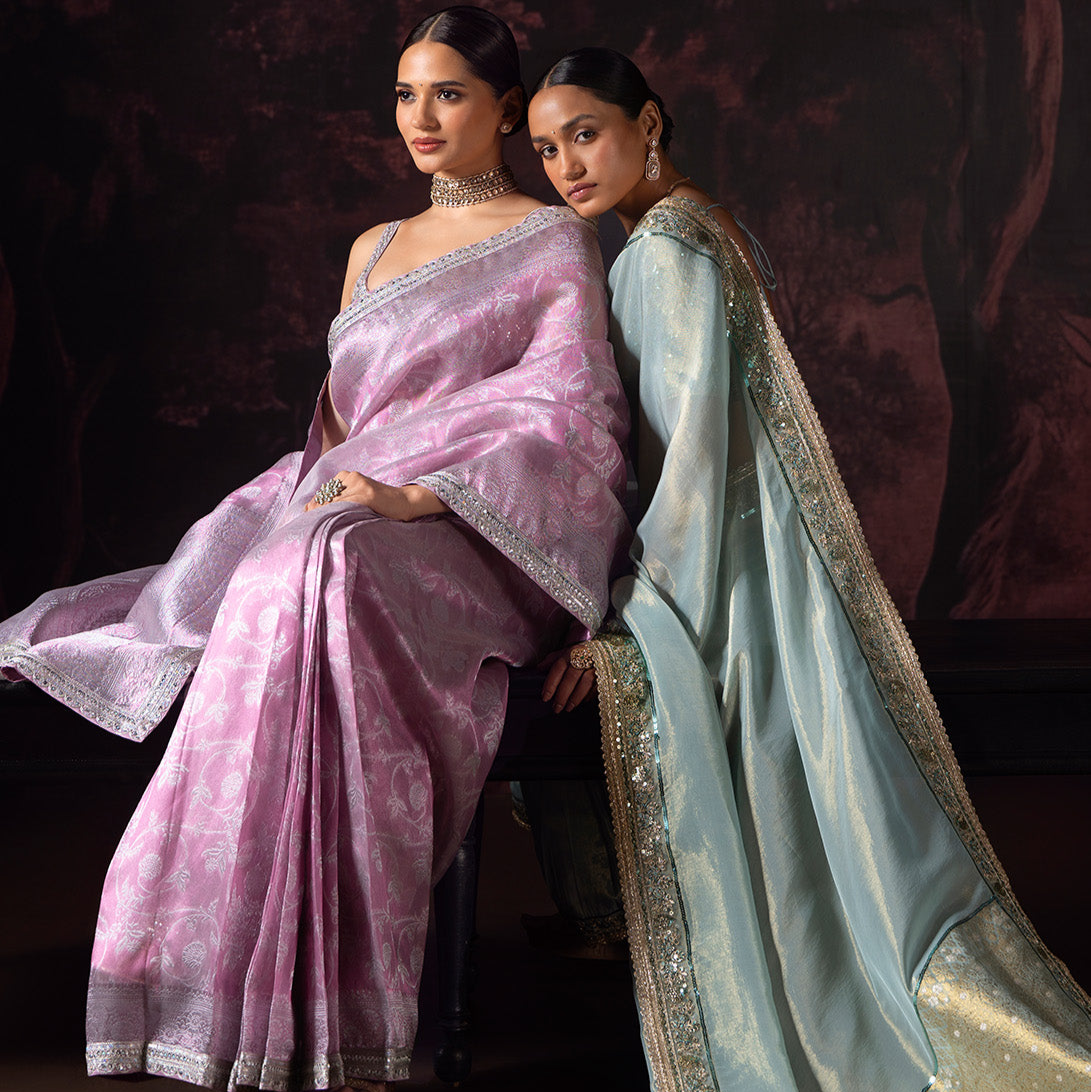
- Lean into jewel tones and pastels. Emerald green, royal blue, deep maroon, and blush pink are all safe, elegant choices that photograph well. Jewel tones in particular have deep roots in Mughal-era textile traditions, where rich, saturated colour was a marker of celebration and status.
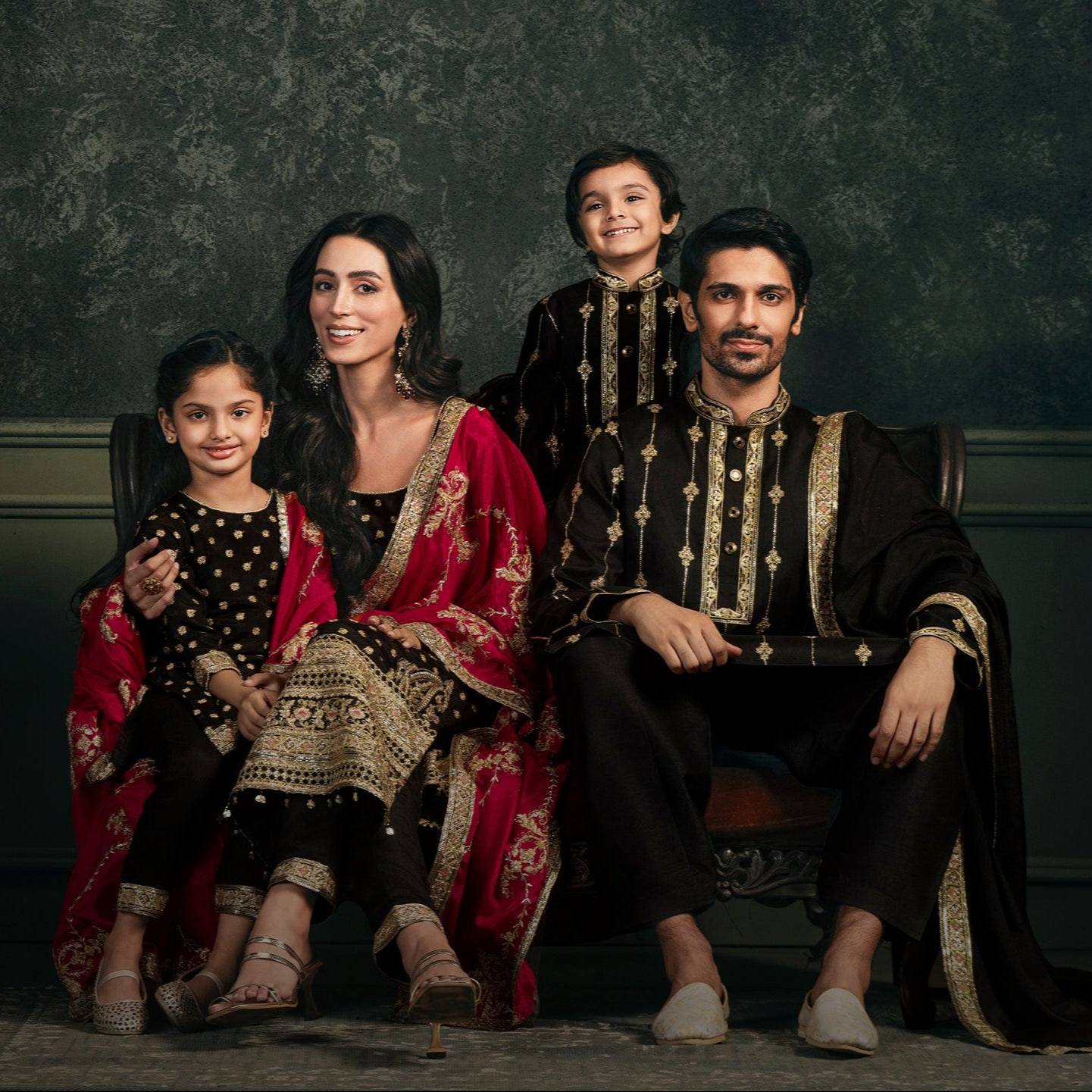
- Gold and metallics work almost everywhere. They're festive without competing with the bride's outfit, and gold has long held symbolic value in South Asian weddings as a colour of prosperity and auspiciousness.
- Consider the function, not just the season. Mehndi tends to favour brighter, more saturated colours like yellow, orange, and fuchsia are a nod to its folk origins, while Baraat and Walima looks often shift toward deeper, more formal shades as the celebrations become more ceremonial.
When unsure, a good rule of thumb is to ask the host or check the invitation for any specified colour themes.
What to Avoid When Choosing Your Outfit
Alongside colour missteps, there are a few other things to avoid when putting together your look:
- Overly casual fabrics. Cotton or plain jersey outfits can look underdressed next to the richness of most wedding attire. Pakistani weddings are steeped in a tradition of textile artistry with every guest in attendance being draped in handwoven silks, chiffon, and organza, so leaning into that richness helps you match the occasion.
- Excessive skin exposure. Many Pakistani weddings, especially those with religious elements like the Nikkah, lean modest. Opt for outfits with proper coverage and pair with a dupatta, which has historically served as both a modesty garment and a decorative element in South Asian dress.
- Ill-fitting silhouettes. A sharara or gharara that isn't tailored to your height and body type can look sloppy rather than elegant, always get these pieces altered at Lashkaraa, we do custom tailoring based on your exact measurements so that you don’t have to worry about the fit being off.
- Over-accessorizing. If your outfit already has heavy embellishment, balance it with simpler jewellery rather than piling on more. Historically, jewellery in South Asian weddings was reserved to signal status and occasion. As a guest, the goal is to complement, not compete with, the bride's traditionally more elaborate jewellery.
- Ignoring the dress code on the invite. If the invitation specifies a theme or formality level, it's there for a reason. Many modern Pakistani weddings blend traditional etiquette with contemporary planning trends, and colour-coded or themed invitations are increasingly common.
- Wearing the wrong dupatta drape for the occasion. A casually thrown dupatta can look out of place at a formal Nikkah or Walima, where a more structured, pinned drape is traditionally expected.
Quick Styling Tips
- Layer strategically. A well-draped dupatta can instantly elevate a simpler outfit.
- Match jewellery to the outfit's neckline and embroidery, not just the colour.
- Comfortable footwear matters as Pakistani weddings often run long, so choose heels or flats you can actually stand in for hours.
- Carry a small clutch rather than a bulky bag; it keeps your look streamlined.
It’s About Understanding the Assignment
Dressing for a Pakistani wedding doesn't have to be stressful once you understand the basics: match your outfit to the function, respect the colour rules, and choose a silhouette. Whether it's a sharara, gharara, salwar kameez, or palazzo suit that makes you feel confident and comfortable. With the right balance of tradition and personal style, you'll fit right into the celebration while still standing out for all the right reasons.
Looking for the perfect wedding guest outfit? Explore Lashkaraa’s curated collections of South Asian silhouettes to find your perfect look.