Ask a Stylist: The 15 Most Common Fit Questions
Fit is easily the number one thing that makes or breaks how an outfit feels once it actually arrives. We hear the same handful of Indian outfit fit questions again and again from customers, so we pulled together the fifteen we get asked most and answered them here, all in one place. Whether you're wondering how a salwar should sit, working through a lehenga fit guide before a big event, or trying to figure out a stubborn suit fit issue, this guide has you covered.
Salwar Kameez Fit Questions
1. How should a salwar fit at the waist?
A properly fitted salwar should sit comfortably at your natural waist without digging in or gaping open. If you're wondering how should a salwar fit overall, the waistband should feel snug but never tight enough to leave marks, and most styles include a drawstring for a bit of built-in adjustability. If the drawstring is pulled all the way and it's still loose, or maxed out and still tight, that's usually a sign you need a different size or a quick tailor adjustment. It's also worth checking the waistband after sitting for a few minutes, not just standing, since some fabrics behave differently once you've been seated for a while — a waistband that feels perfect standing can occasionally dig in more once you sit down for an extended meal or ceremony.
2. Should salwar bottoms be tight or loose?
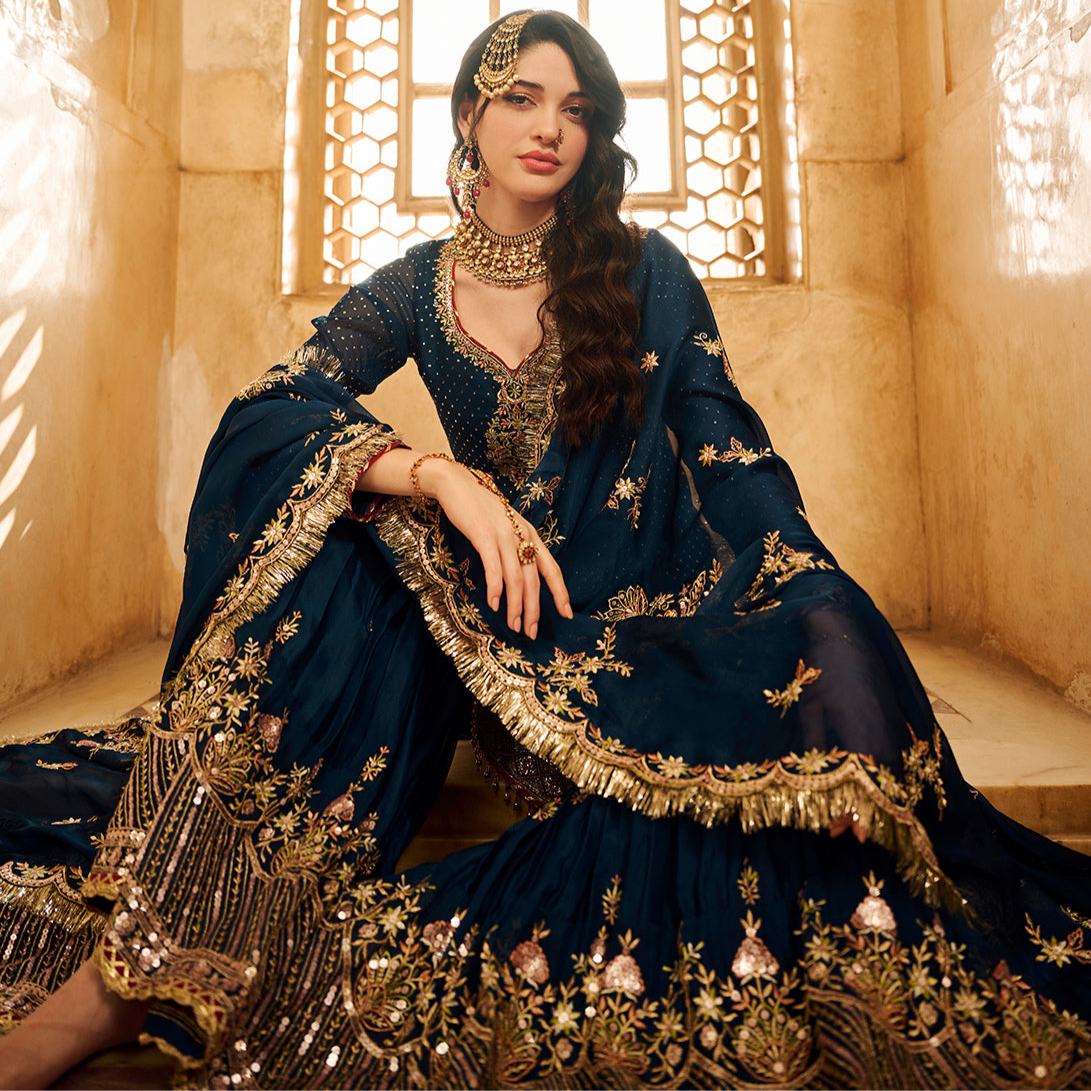
This depends entirely on the style. A traditional salwar is meant to be relatively loose and gathered, especially through the hip and thigh, tapering in toward the ankle. A churidar, on the other hand, is intentionally fitted all the way down the leg, with extra fabric bunching gently at the ankle. Neither is "correct" over the other — it comes down to the specific silhouette you're going for.
3. How do I know if my kameez length is right?
Kameez length is largely a matter of personal preference and current style trends, but a few general guidelines help. Hip-length kameez tend to look best paired with slimmer bottoms like churidars, while longer, Anarkali-style kameez create their own dramatic silhouette regardless of what's worn underneath. If you're unsure, knee-length is a safe, flattering middle ground for most body types.
4. What causes a kameez to pull or gape at the bust?
Pulling or gaping at the bust usually means the size is slightly off, even if the rest of the outfit fits well. This is one of the most common suit fit issues we hear about, since bust sizing doesn't always scale evenly with the rest of a standard size chart. It's also worth checking the shoulder seam placement before assuming it's purely a bust-size problem — if the shoulder seam sits too far out or too far in, it can pull the entire bodice off-center and create gaping that looks like a sizing issue but is really a fit-placement issue. A local tailor can often fix either problem with a quick dart adjustment rather than requiring a full resize.
Lehenga Fit Questions
5. How should a lehenga skirt sit on the waist?
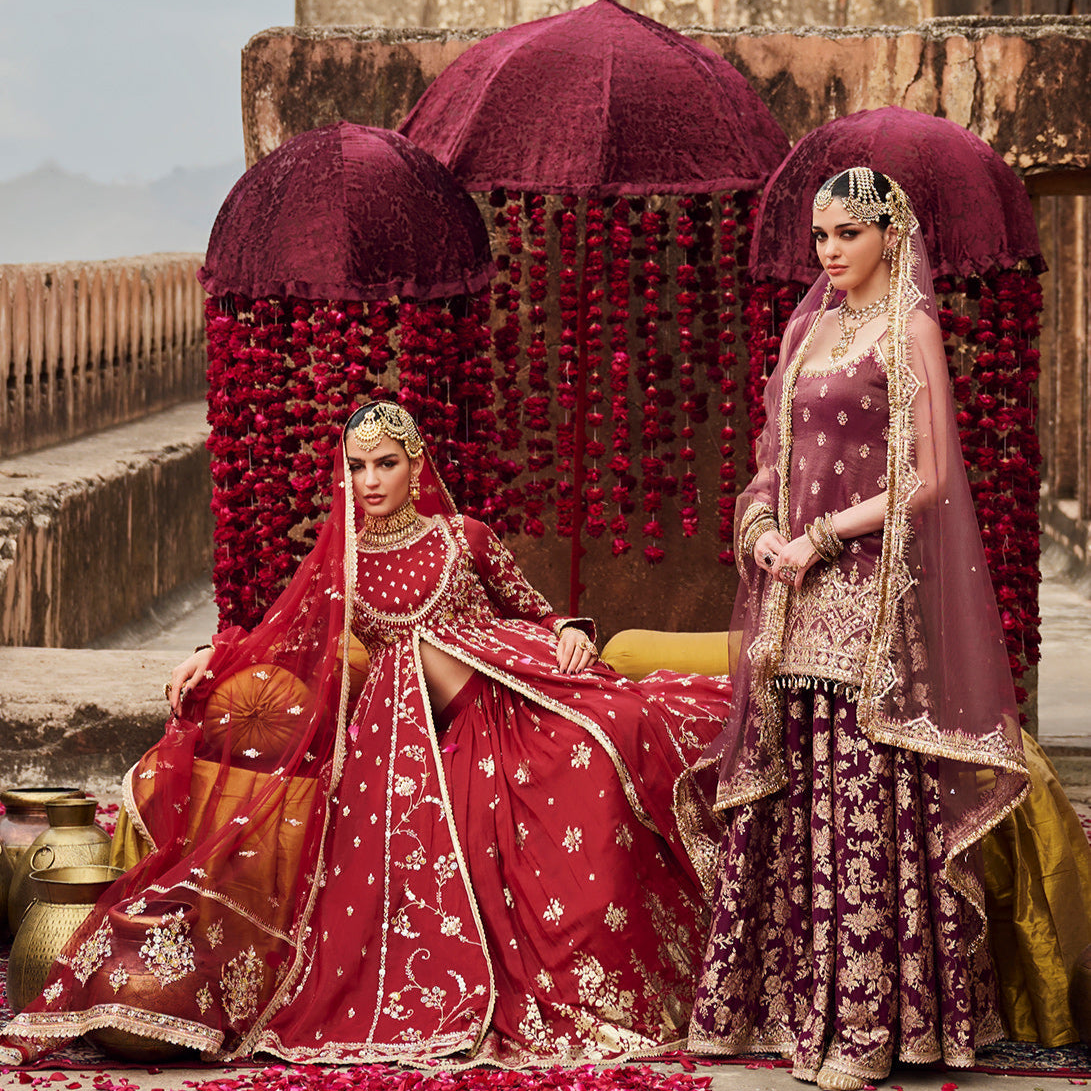
Most modern lehengas are designed to sit slightly below the natural waist, at the hip, rather than cinched tightly at the smallest part of the torso. This is part of why a proper lehenga fit guide always starts with the waistband measurement rather than assuming your regular clothing size will translate directly — lehenga sizing conventions are genuinely different from Western ready-to-wear. If you're unsure where a specific style is meant to sit, check the product description or size chart before ordering, since high-waisted and hip-hugging lehenga styles are measured quite differently and can lead to a confusing fit if you assume the wrong one.
6. Why does my lehenga blouse feel tight across the back?
A tight back is almost always a sign the blouse needs a size up or a simple back-panel adjustment, rather than a sign you need to lose the extra fabric elsewhere. Blouses are often cut close through the back for a polished silhouette, but "close" shouldn't mean restrictive — if you can't comfortably raise your arms or take a full breath, it needs adjusting.
7. How much flare should a lehenga skirt have?
This is really a style preference more than a fit rule, but a good lehenga fit guide rule of thumb is to match flare to your event. A fuller flare (often achieved with more panels or a circular cut) creates more drama and movement, ideal for dancing at a sangeet, while a slimmer flare offers a sleeker, more contemporary silhouette better suited to a reception or cocktail-style event.
8. Should I be able to sit down comfortably in a lehenga?
Yes, and if you can't, something needs adjusting. A well-fitted lehenga skirt should allow you to sit, stand, and move through a full event without the waistband cutting in or the fabric pulling awkwardly. If sitting feels genuinely uncomfortable, the waistband is very likely too tight and worth having let out slightly.
Blouse Fitting Tips
9. How tight should a blouse actually be?
A well-fitted blouse should feel snug through the body without restricting your breathing or movement. Among all the blouse fitting tips we give, this is the one we repeat most: you should be able to raise your arms fully overhead without the blouse riding up dramatically or straining at the seams. If you can't, it's too tight, regardless of how good it looks standing still.
10. What's the right blouse sleeve length?
Sleeve length is largely stylistic, but a few blouse fitting tips apply universally: sleeves shouldn't dig into your upper arm or leave a visible indentation by the end of the day, and elbow-length or three-quarter sleeves tend to be the most universally comfortable and flattering option if you're unsure what to choose.
11. Why does my blouse gape at the neckline?
Gaping at the neckline usually means the blouse is cut for a larger bust than you have, even if the rest of the fit is correct, or that the neckline shape simply doesn't suit your particular proportions. A tailor can often add a small dart or adjust the neckline shape to close the gap without needing to alter the rest of the blouse.
12. How do I know if I need a lining or padding adjustment?
If your blouse feels structurally off — too stiff in one area, or lacking shape in another — it's often a lining or padding issue rather than a sizing one. This is a common request during ethnic wear alterations, and most tailors can add, remove, or adjust padding relatively quickly and inexpensively compared to a full resizing.
General Fit and Alteration Questions
13. When should I size up versus size down?
As a general rule, it's almost always easier for a tailor to take a garment in than to let it out, so when you're stuck between two sizes, sizing up is usually the safer choice. This is especially true for structured pieces like blouses and fitted lehenga skirts, where there's often limited extra seam allowance to work with if you need more room later.
14. What kinds of ethnic wear alterations are typically possible?
Most ethnic wear alterations are more flexible than people expect. Hemming length, taking in or letting out side seams, adjusting blouse darts, resizing sleeves, and adding or removing padding are all common, straightforward requests for most tailors. More significant changes — like resizing an intricately embellished bodice — are possible but should be discussed with an experienced tailor first, since heavily embroidered fabric can be trickier to alter without disturbing the design.
15. How far in advance should I plan for alterations?
For any significant event, it's worth building in at least one to two weeks of buffer time for alterations after your outfit arrives, especially during busy wedding and festival seasons when local tailors tend to be booked further out. If your event is within days rather than weeks, look for a tailor who explicitly offers rush service, and confirm the turnaround time before dropping off your piece.
A Final Word From Our Stylists
If there's one theme across all fifteen of these Indian outfit fit questions, it's that comfort and function should never take a back seat to how an outfit looks standing still in a mirror. A piece that restricts your breathing, digs into your skin, or keeps you from sitting comfortably isn't truly "fitting," no matter how good the silhouette looks in photos. Most suit fit issues, blouse concerns, and lehenga fit questions come down to the same handful of fixable problems, and when in doubt, a quick visit to a local tailor can resolve the vast majority of them quickly and affordably.
Have a fit question we didn't cover here? Reach out to our team to get a direct answer to your queries. If you have sizing related questions, check out our size chart and guide for a clearer understanding.