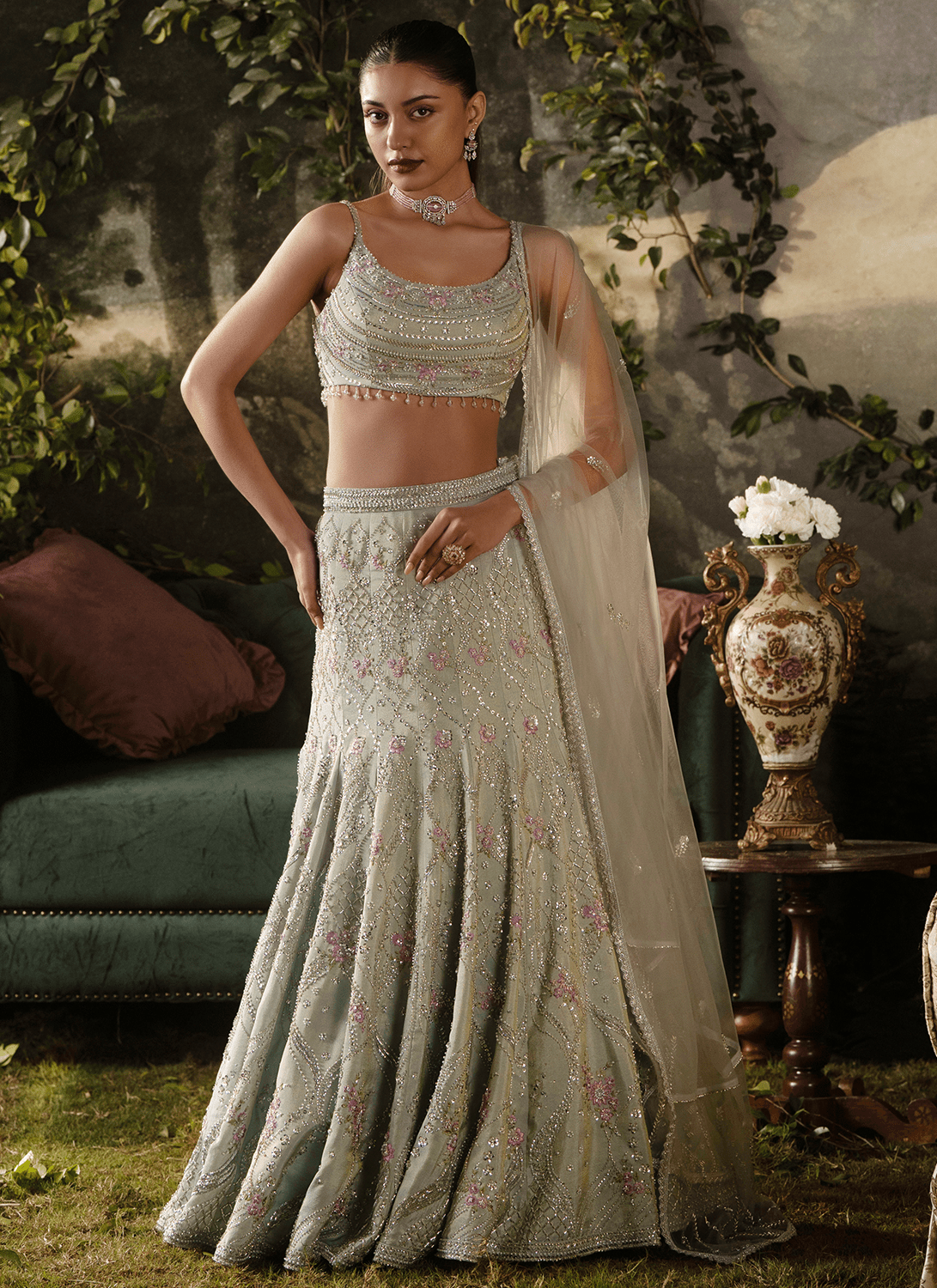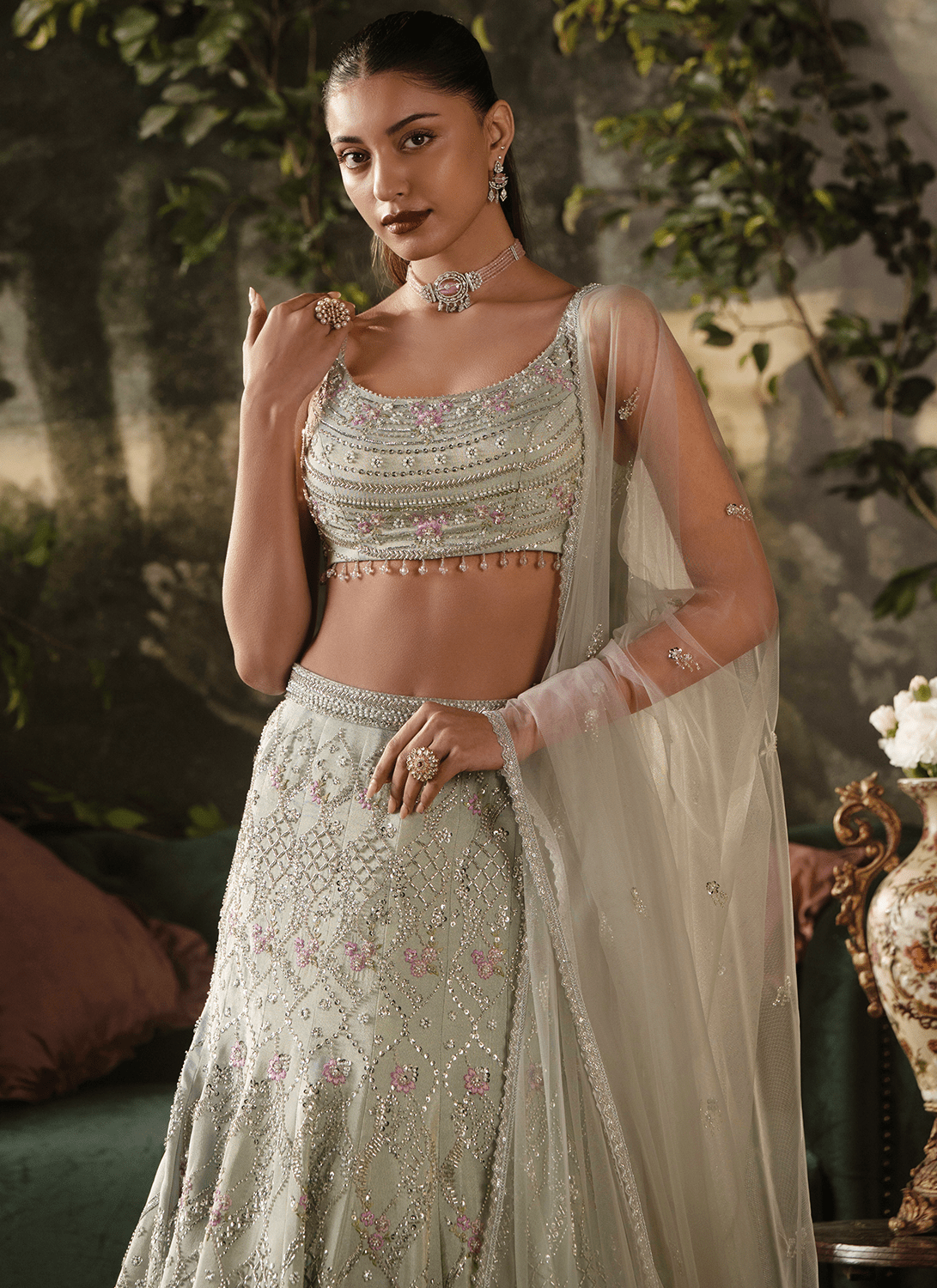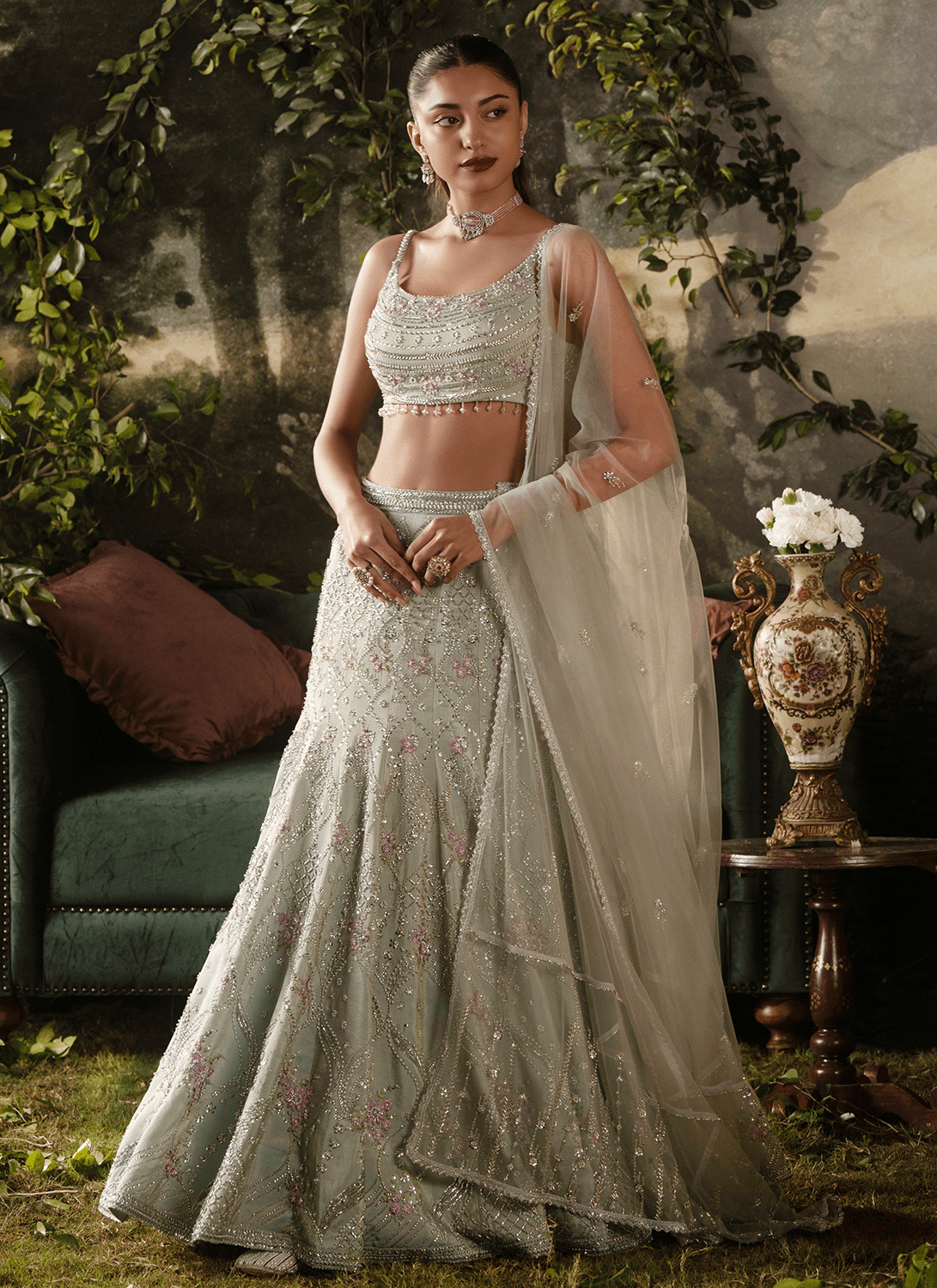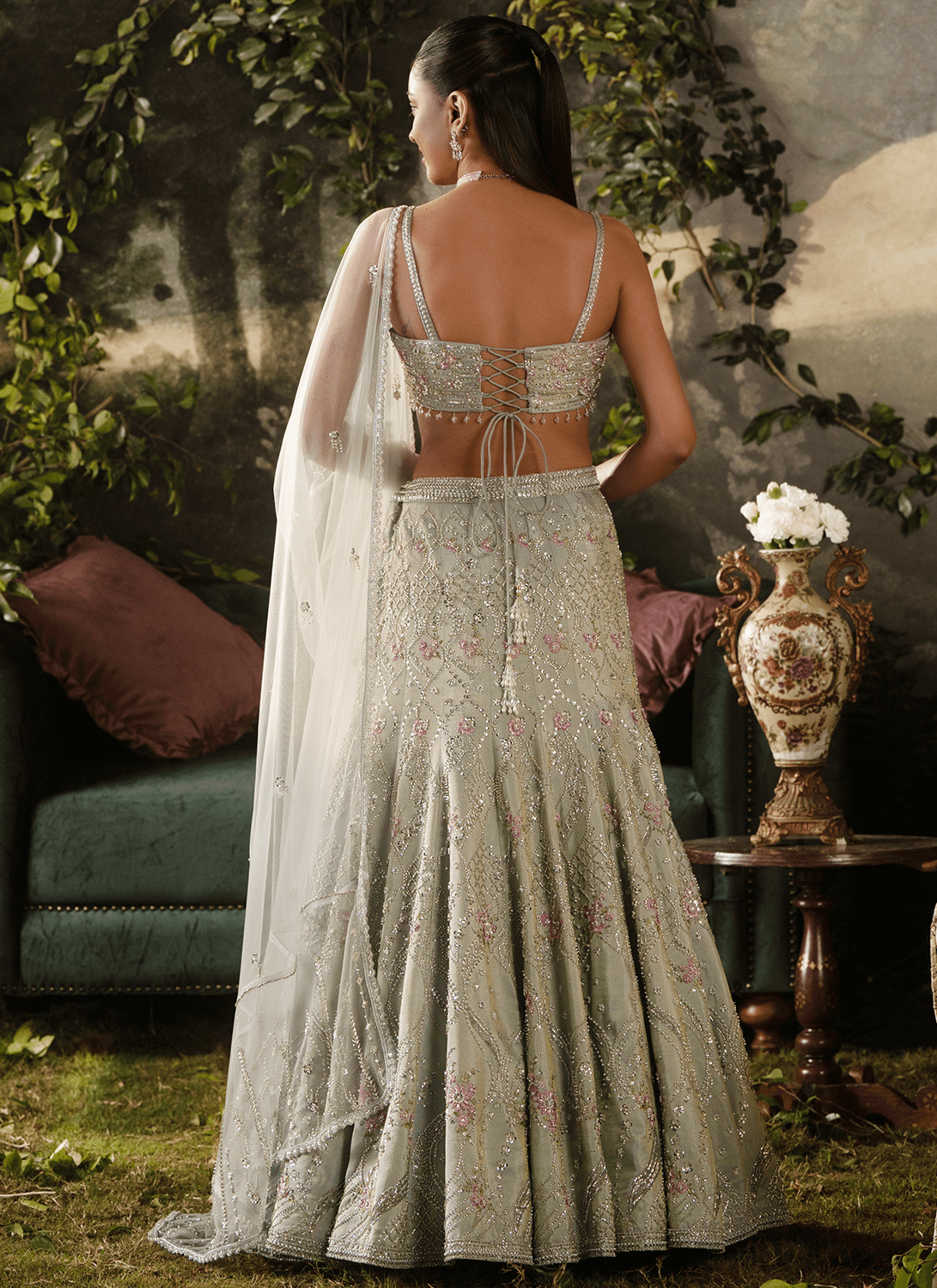
How to Pick the Right Lehenga for Your Height & Shape
A lehenga is one of the most dramatic garments you will wear, which is exactly why the wrong cut can feel so disappointing and the right one can feel unforgettable. The good news is that choosing well comes down to a few principles, not guesswork. This guide walks through how to choose a lehenga for body shape and height, so you can shop with a plan instead of a hunch.
We will also cover the best lehenga for body type by shape, plus tips on picking a lehenga for short height and a lehenga to look slim if that is your goal.
Why Silhouette Matters More Than Size
Most shoppers start with color or embroidery, but the construction of the skirt and blouse does far more to shape how you look in photos. The same fabric can read as elongating or overwhelming depending on where the waistband sits, how much the skirt flares, and how the blouse is cut. Understanding the main lehenga silhouettes is the fastest way to narrow your options before you ever fall in love with a specific piece.
The four silhouettes you will see most often are A-line, flared or circular, mermaid or fishtail, and panelled or layered. Each one carries a different amount of volume, and each one pairs differently with height and proportion. The right lehenga for body shape is rarely about the trend of the season; it is about matching one of these cuts to your proportions.
Lehenga Silhouettes Explained
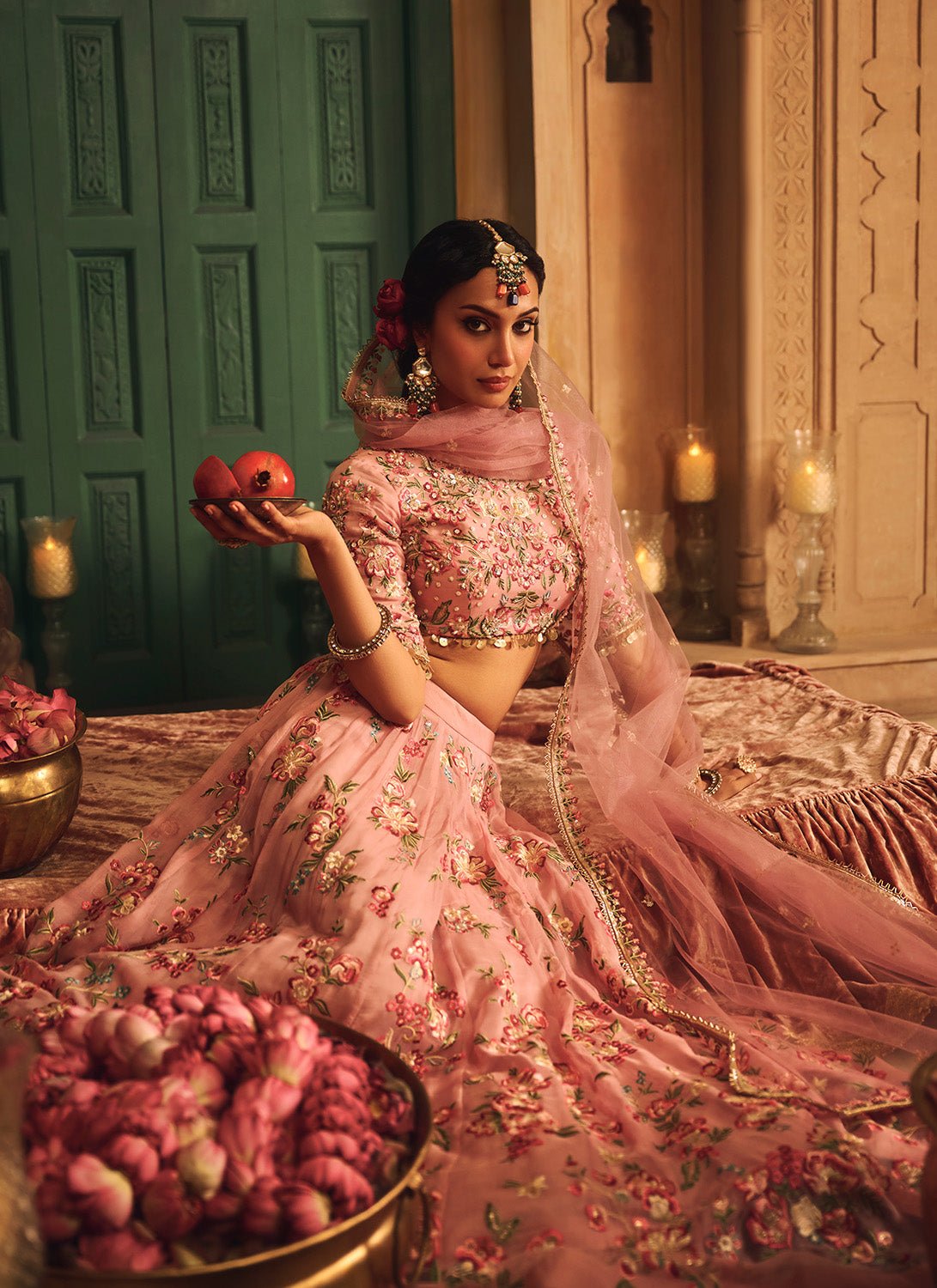
A-line: The skirt fits at the waist or hip and widens gradually toward the hem, forming a clean triangle. It is the most universally flattering shape, which is why an a-line lehenga is the safest starting point for almost any body type. If you are unsure where to begin, an a-line lehenga in a mid-weight fabric like our Green Embroidered Net Lehenga rarely disappoints.

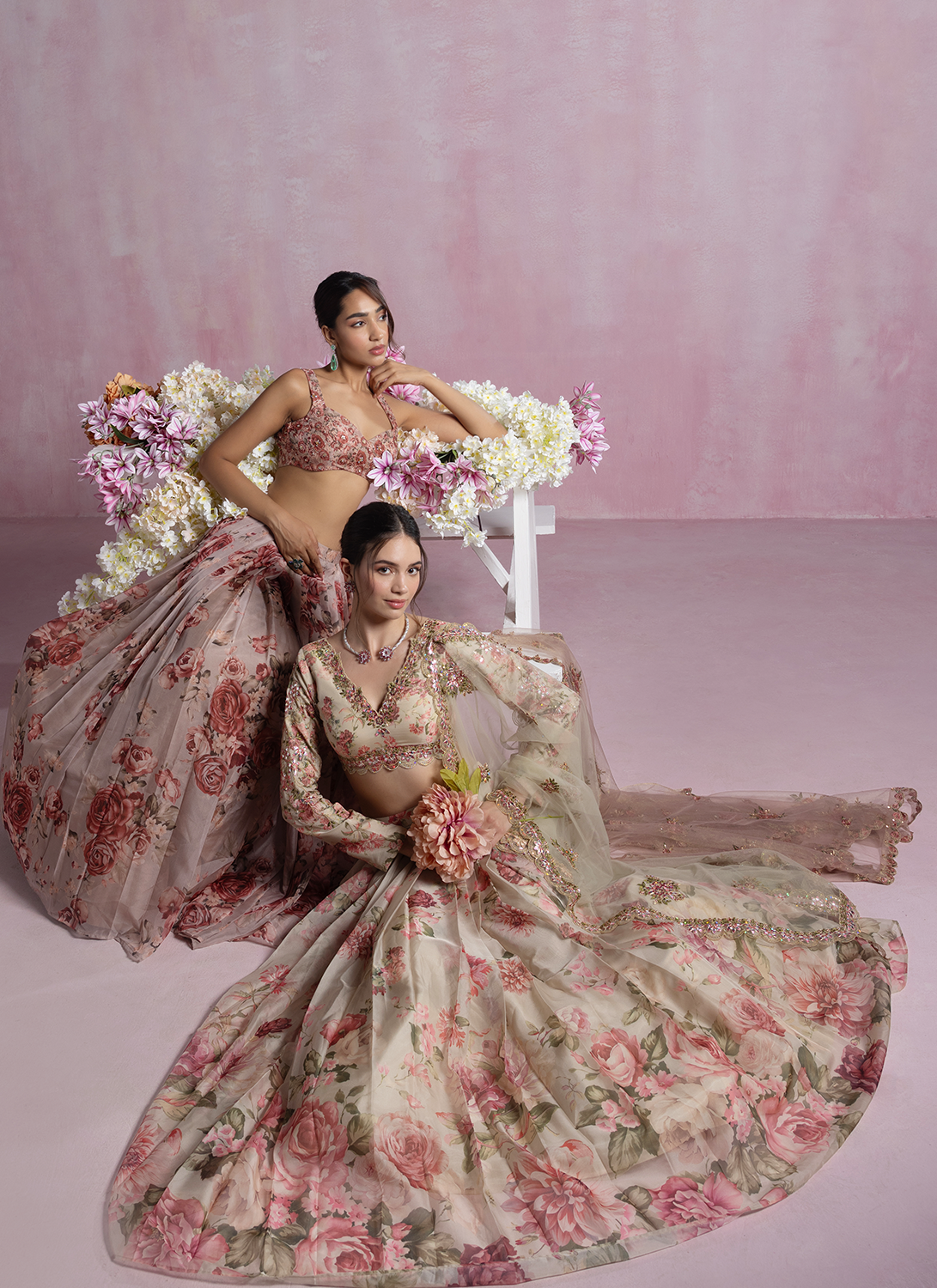
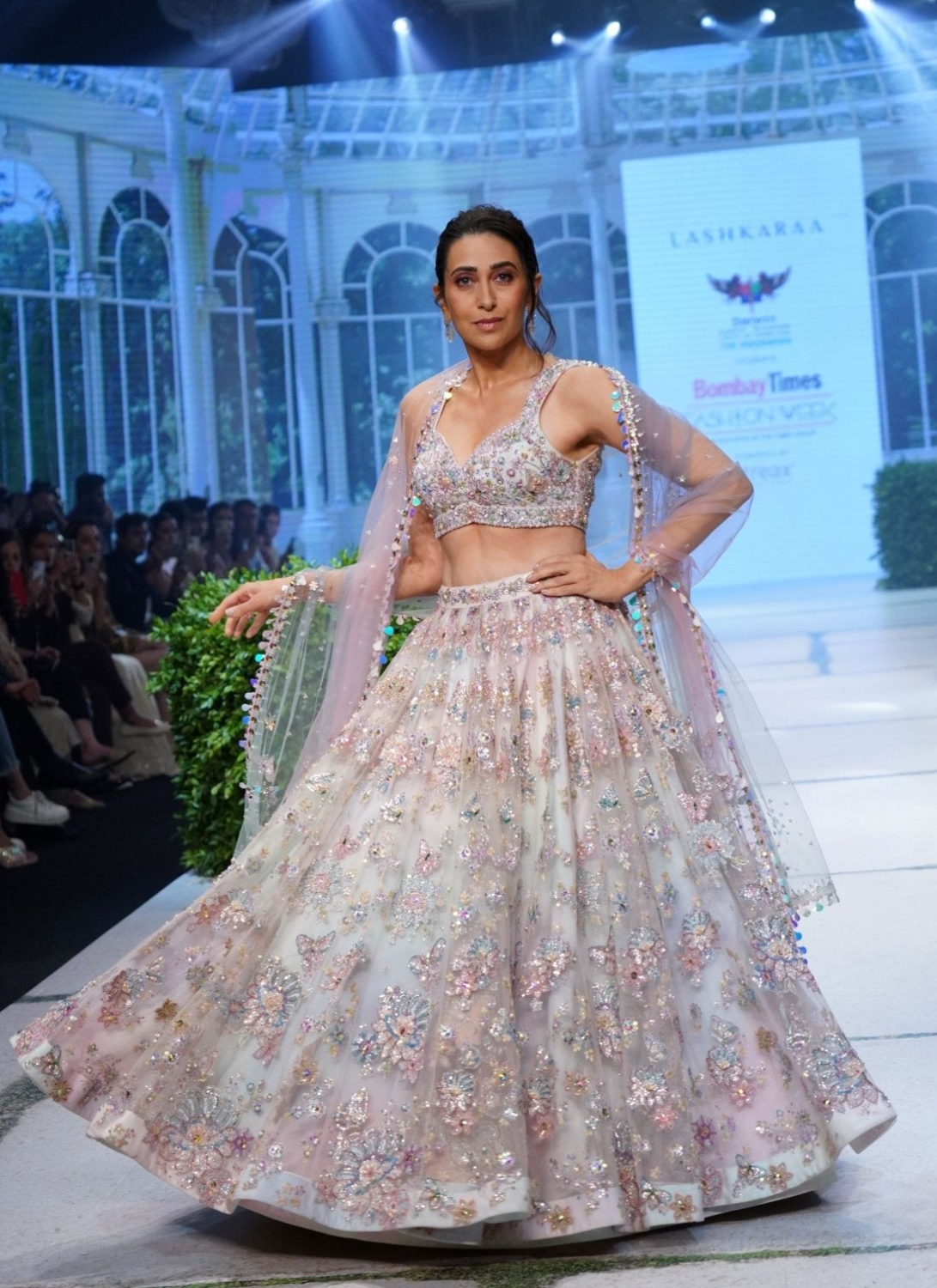
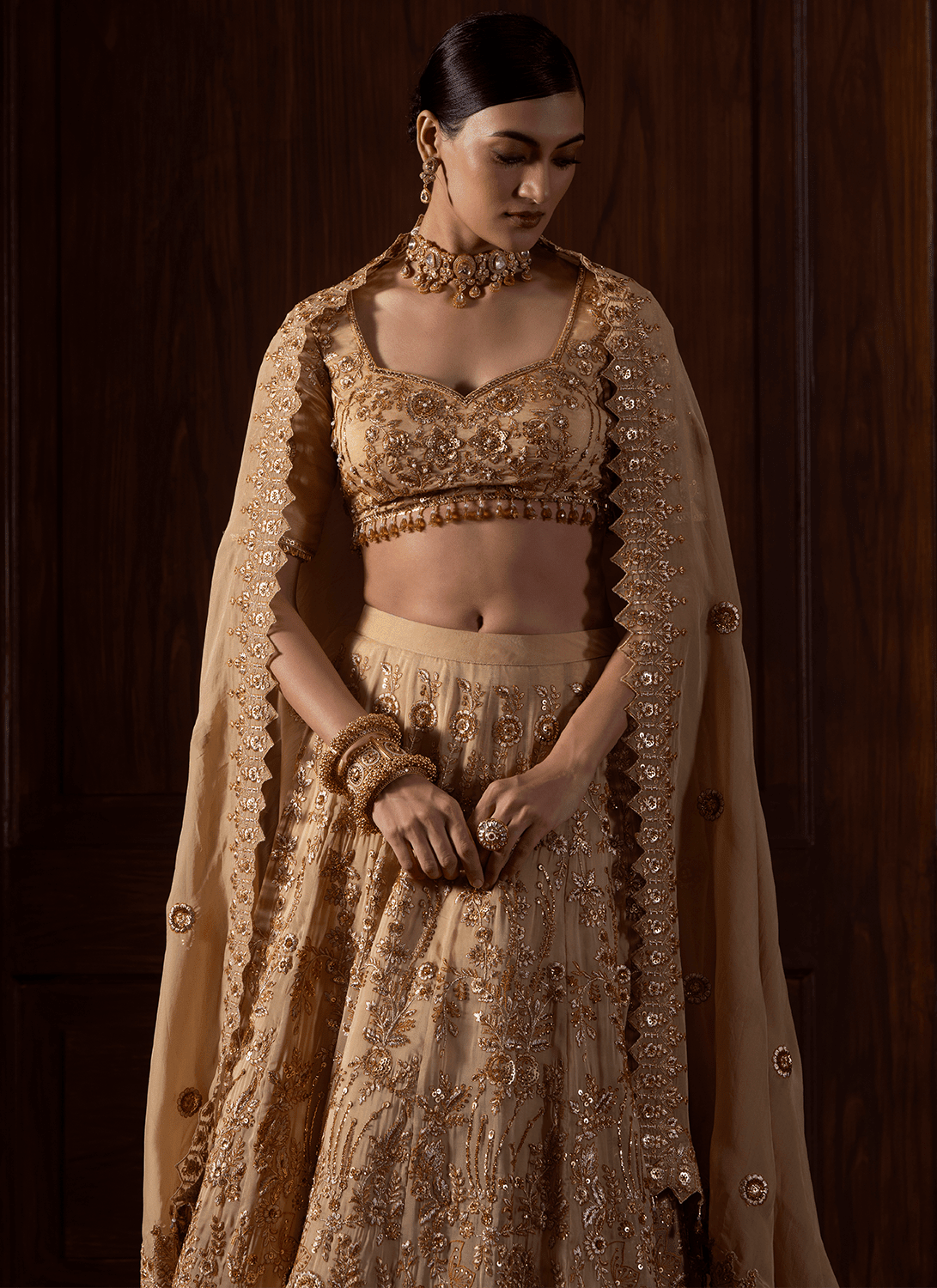
Flared or circular: Cut from many panels or a full circle of fabric, this skirt has dramatic volume and swirls when you move and an example of that would be our Gold and Maroon Embroidered Chinon Lehenga. It is spectacular for dancing and photographs beautifully, but it adds visual width at the hips.
Mermaid or fishtail: Fitted through the hip and thigh, then flaring out near the knee. It highlights curves and works best when you want a sleek, modern look. Our Steel Grey Fishcut Embroidered Tissue Lehenga flairs and hugs the body in all the right ways, creating a visual treat of a silhouette.
Panelled or layered: Several tiers or panels create texture and movement as seen on our Blue Multicolor Embroidered Silk Lehenga. It can add volume where you want it, but heavy layering can overwhelm a smaller frame.
These lehenga silhouettes are not rules, only starting points, and the lehenga silhouettes you love on a model may need adjusting for your own frame. Fabric weight, blouse cut, and dupatta draping all change how any silhouette lands on your body.
Choosing a Lehenga for Short Height
If you are petite, the goal is to create length and avoid anything that visually shortens your frame. A lehenga for short height should keep proportions in scale, so skip oversized volume and heavy horizontal borders that cut the body into smaller segments.
A few choices work especially well. A high-waisted skirt lengthens the leg line, which makes a bigger difference than almost any other detail. A softly flared a-line lehenga keeps volume controlled without losing movement, which is why many petite shoppers consider it the ideal lehenga for short height. Vertical embroidery, narrow borders, and a single cohesive color from blouse to skirt help the eye travel upward and downward without interruption. A silhouette like our Deep Mauve Embroidered Georgette Lehenga or Wine Embroidered Net Lehenga would be ideal for the short height girlies looking for lehengas with a bit of drama.
However, make sure the hem is tailored correctly: a lehenga that pools on the floor can swallow a petite frame, so measure the length while wearing the shoes you plan to wear.
When shopping for a lehenga for short height, also consider the dupatta. A lighter, shorter drape or a single-shoulder style looks proportionate, while an extra-wide, heavily gathered dupatta can crowd a smaller frame.

Lehenga for Tall Frames
Taller women have the most freedom, and the best lehenga for body type often means fuller volume here. You can carry fuller flares, layered skirts, and heavy embellishment without looking overwhelmed. Circular lehengas, a dramatic a-line lehenga, double-dupatta draping, and bold horizontal borders all work well because there is plenty of length to balance the volume. A mid- or low-rise waist is also an option, since you do not need to artificially lengthen the legs.
The Best Lehenga for Body Type: A Quick Guide
Every body is different, but a few patterns help you decide faster. Think of this section as a practical map to the best lehenga for body type based on where you carry your proportions.
Hourglass: Your waist is clearly defined, so a fitted blouse with a structured a-line lehenga or mermaid skirt shows it off. A lehenga for body shape like this works because the cut follows what you already have.
Pear: Choosing a lehenga for body shape when you are fuller through the hips means balancing the proportions by adding detail to the upper body, such as an embellished or contrasting blouse, and choose a smooth A-line skirt with minimal gathering at the hip. Avoid heavy pleating or layering right at the hip line.
Apple: If you carry weight around the midsection, choose a high-waisted or empire-style skirt that sits above the softest part of the waist, with a blouse that has structure and a flattering neckline. A fluid fabric with a gentle flare is easier to wear than a stiff, voluminous one.
Rectangle: If your bust, waist, and hips are similar, volume is your friend. Flared, circular, or layered skirts create the curves a straighter frame may not naturally have, and a peplum or embellished waistband adds definition.
Inverted triangle: If your shoulders are broader than your hips, add volume to the lower half with a fuller, flared skirt and keep the blouse simple, with a clean neckline and minimal shoulder detail.
Once you identify your shape, narrowing to the best lehenga for body type becomes much easier, because you can rule out cuts that fight your proportions. Treat this as a starting framework for choosing a lehenga for body shape, not a strict rulebook, and always try or tailor for fit.
How to Choose a Lehenga to Look Slim
Many shoppers want a lehenga to look slim, and the secret is not hiding your body, it is creating clean vertical lines and balanced proportions. A high-waisted skirt, a structured blouse with proper support, and a skirt that skims rather than clings all contribute.
Fabric makes a major difference. Medium-weight fabrics like silk, crepe, and georgette drape smoothly, while very stiff or very clingy materials tend to emphasize bulk. Darker, jewel-toned colors such as emerald, wine, and navy also read as slimming, as does tonal embroidery that does not break the body into contrasting blocks. Finally, a well-fitted blouse matters more than any other single detail: a blouse that is too tight creates bulges, while one that is too loose adds visual weight. If you want a lehenga to look slim, invest in a precise blouse fit and consider light shapewear underneath for a smoother line.
Fabric, Color, and Embellishment Tips for Every Shape
Beyond silhouette, and beyond the lehenga silhouettes themselves, three details quietly shape how a lehenga looks on you.
Fabric weight: Lightweight fabrics like georgette and net move beautifully and suit most shapes. Heavy brocade and velvet hold their structure but add volume, so use them deliberately.
Color: Monochromatic outfits elongate. Contrast blouses and skirts can divide the body, which is wonderful if you want to highlight your waist, but less ideal if you want an unbroken line.
Embellishment placement: Concentrate heavy work where you want attention, like the neckline or hem, and keep it lighter around areas you would rather not emphasize.
Blouse and Dupatta Details That Change the Whole Look
The blouse is the most underrated part of lehenga styling, and it matters whether you want a lehenga to look slim or simply want a polished fit. A deeper neckline elongates the torso, while a high neck suits a longer frame. Three-quarter sleeves are flattering for most arm shapes and add polish. For the dupatta, a single-shoulder drape creates a clean vertical line, which also helps create a slimmer line, while a double-dupatta or cape style adds drama but also volume, so choose based on whether you want to add or reduce visual weight.
Dress to Play
There is no single perfect cut, only the right combination of silhouette, fabric, and proportion for your frame. Start with your height and shape, because the right lehenga for body shape begins there, identify two or three lehenga silhouettes that suit you, and then let color and embroidery do the rest. Whether you need a lehenga for short height, the best lehenga for body type for an hourglass or apple frame, a classic a-line lehenga, or simply a lehenga to look slim for a particular event, understanding these principles turns shopping from a gamble into a plan.
Lucky for you, we have an extensive range of lehengas that fit all body types and needs. Browse our lehenga choli collection to explore silhouettes, fabrics, and colors across every shape and height.