

How to Store & Care for Festive Outfits Between Occasions
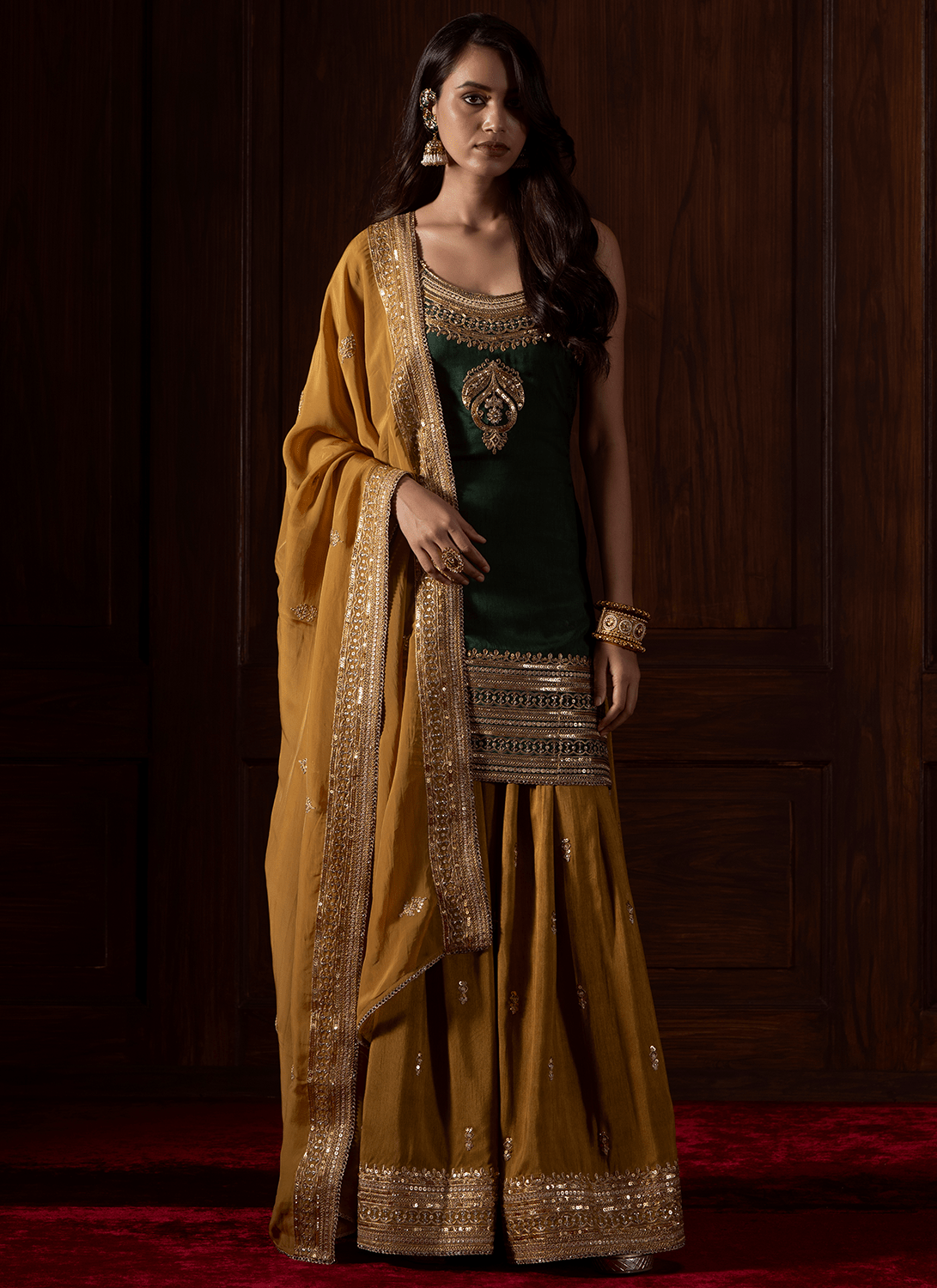
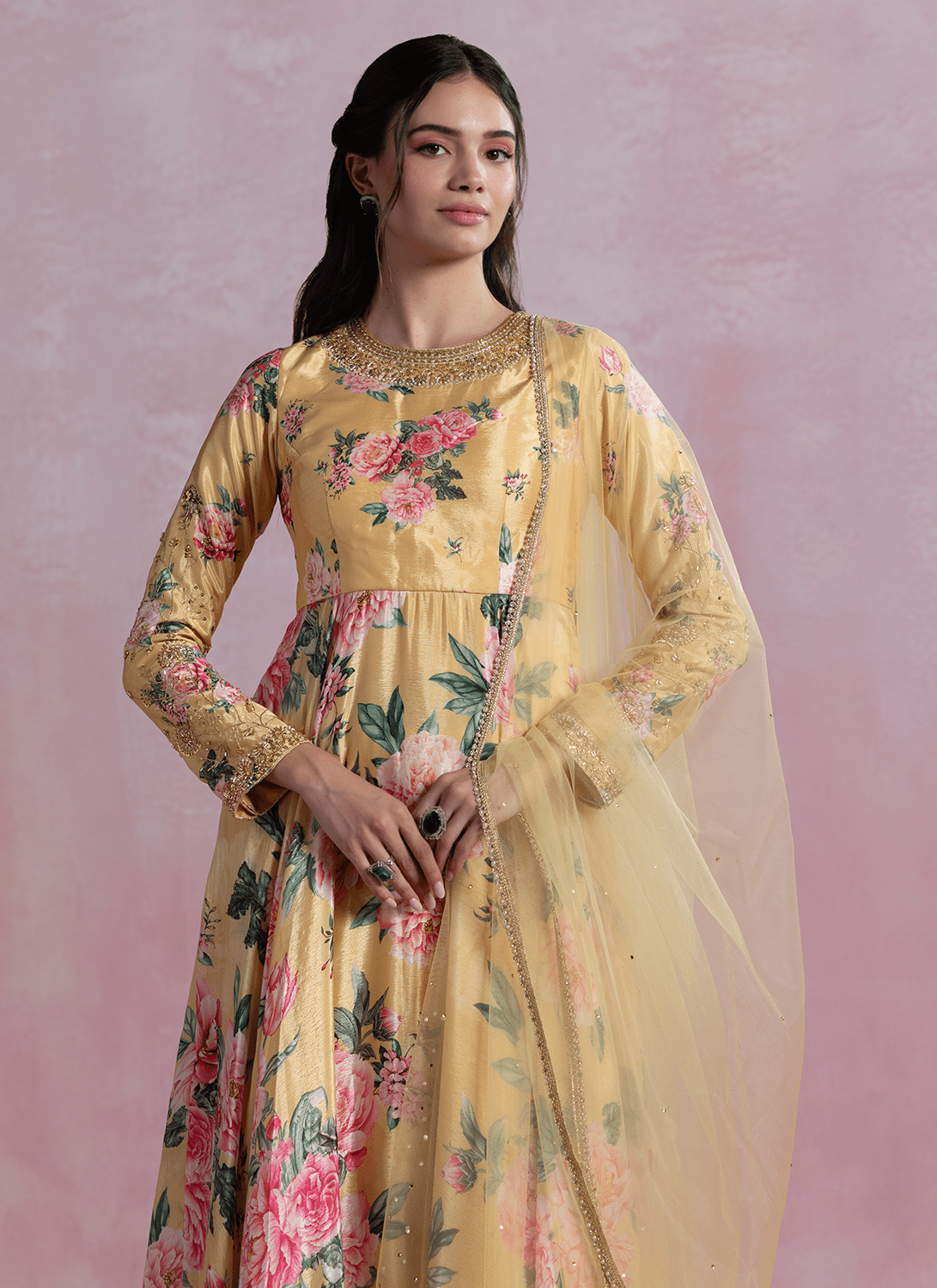
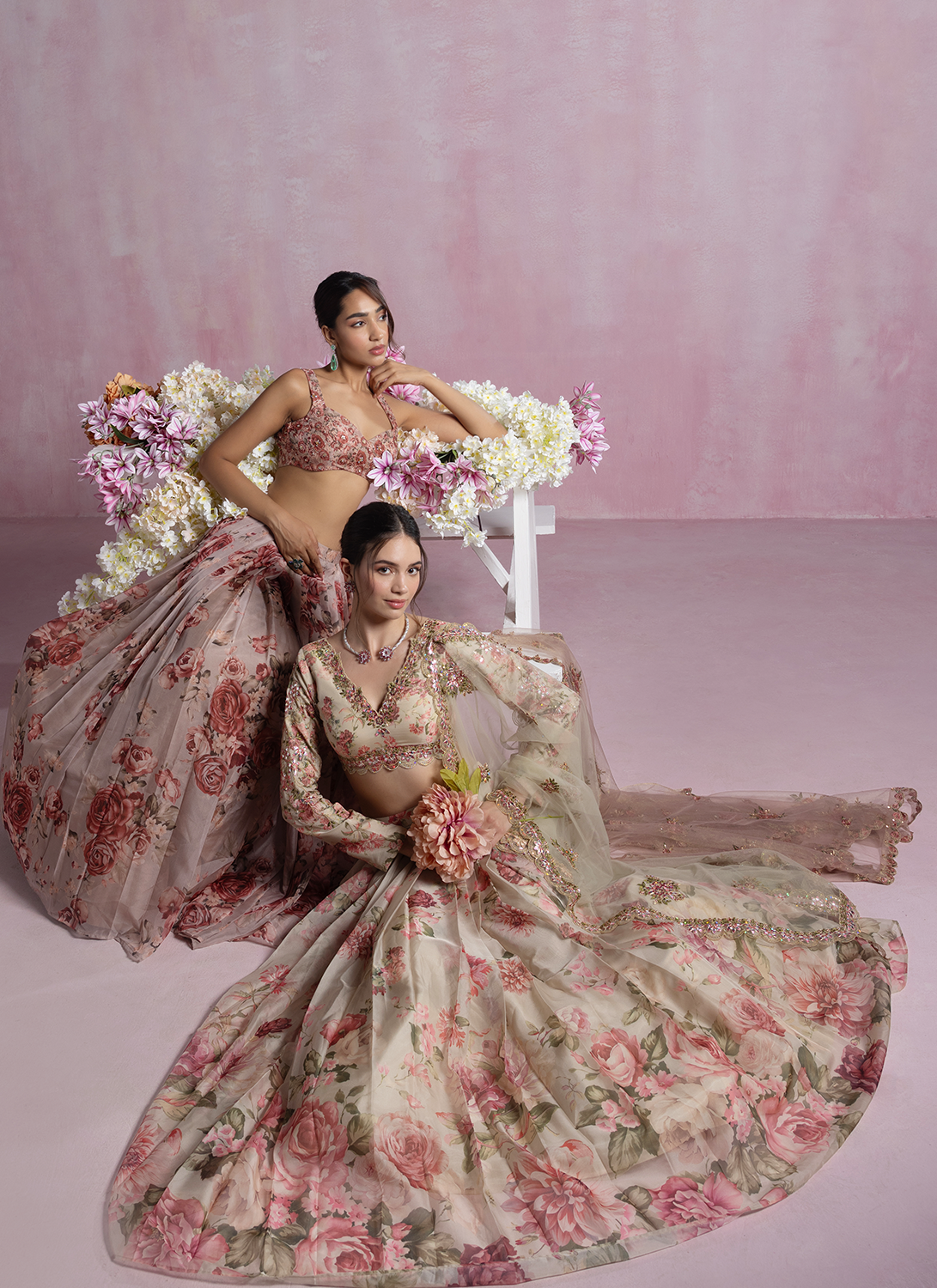
A beautifully embellished lehenga or a richly embroidered saree represents a real investment, not just financially, but in the craftsmanship behind the fabric, embroidery, and detailing. Yet so much of that investment quietly deteriorates in storage, long before the outfit is ever worn again. Learning how to store lehenga pieces and other festive wear properly between occasions is one of the simplest ways to protect that investment, and it takes far less effort than most people assume.
Why Proper Storage Matters More for Festive Wear
Everyday clothing can usually handle a hanger and a closet without much thought, but festive Indian ethnic wear is a different category entirely. Heavy embellishment, delicate embroidery threads, and rich fabrics like silk, velvet, and net all react poorly to the wrong storage conditions, humidity, direct sunlight, and even the wrong type of hanger can cause damage that isn't obvious until you go to wear the piece again, months or years later. Since these outfits are often worn only once or twice a year, the storage period is where most of the wear and tear actually happens, not the event itself.
How to Store a Lehenga Properly
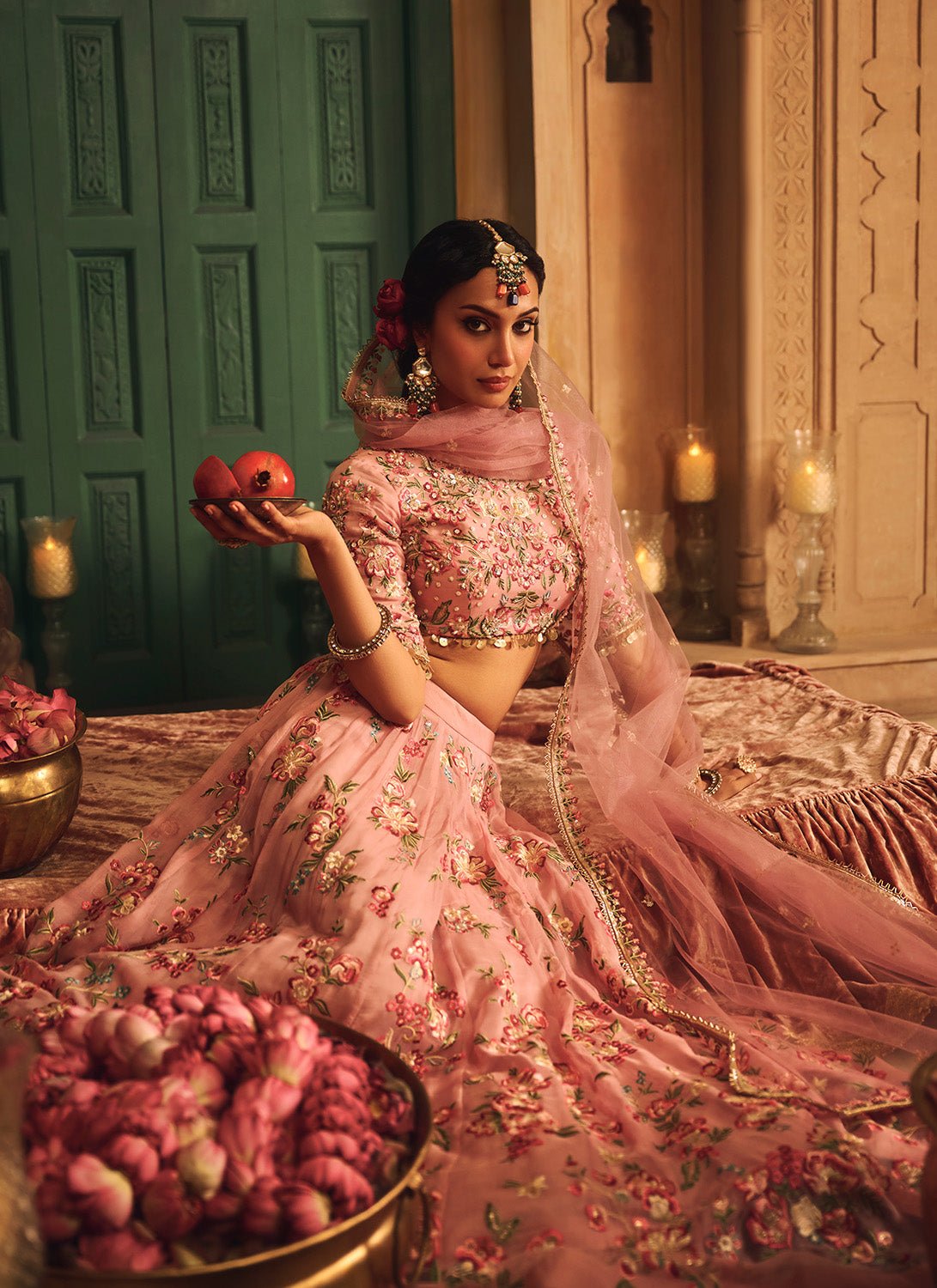
A lehenga's structure makes it one of the trickier pieces to store well, mostly because of its combination of a fitted blouse, a heavy flared skirt, and often a separate dupatta. The single most important rule for how to store lehenga sets is to never hang the skirt by its waistband for extended periods, since the weight of the fabric and embellishment will gradually pull and distort the shape over time. Instead, fold the skirt gently along its natural pleats, if it has them, and lay it flat or loosely rolled inside its storage container.
The blouse should be stored separately from the skirt if possible, since the two often have different fabric weights and embellishment levels. If your lehenga came with a muslin or cotton lining bag, use it — these breathable fabrics protect against dust while still allowing air circulation, which matters far more than most people realize. Avoid stacking anything heavy on top of a stored lehenga, since even gentle, sustained pressure can crush embroidery or embellishment over time.
Storing Heavy Embroidery: What to Know
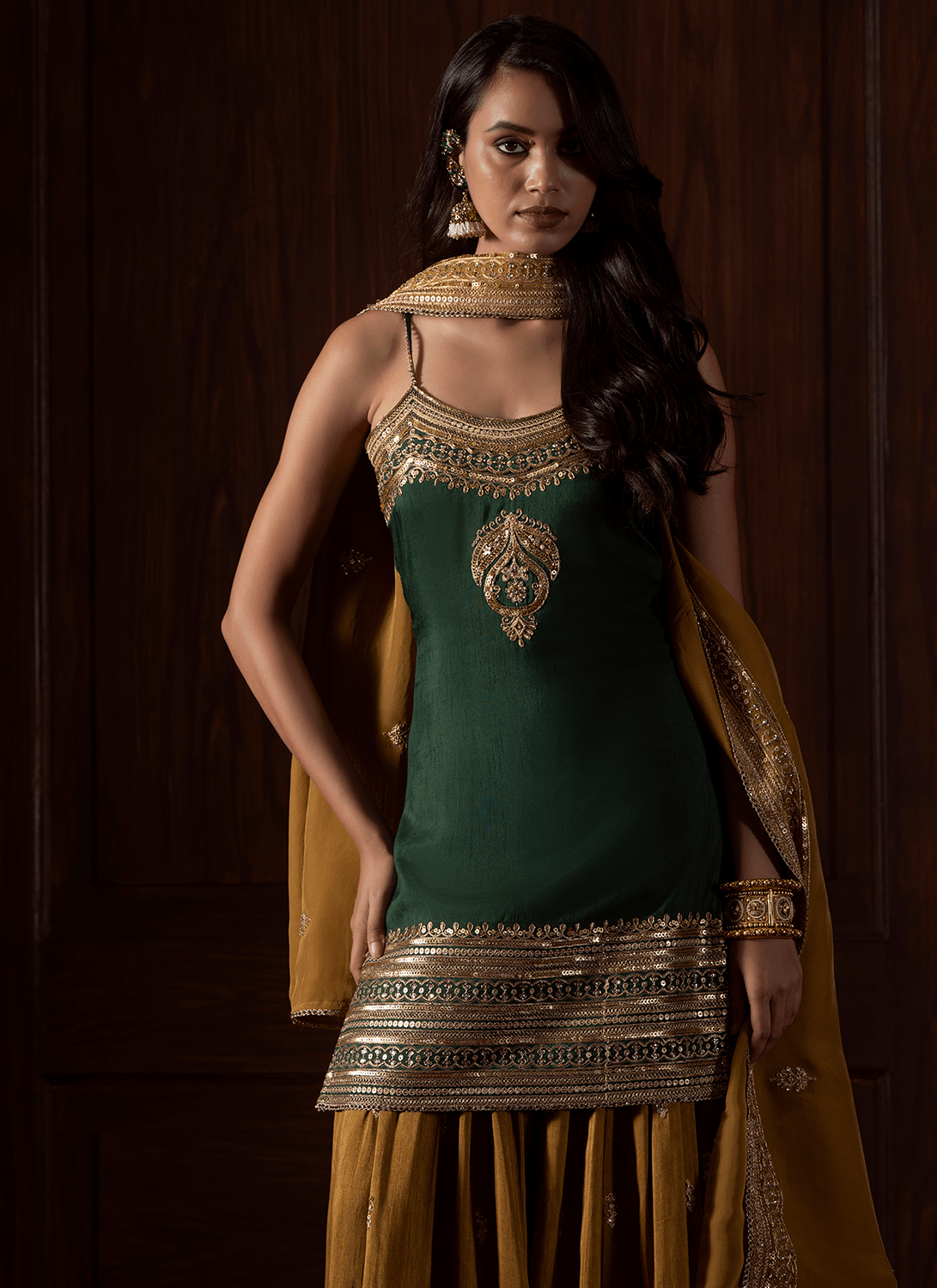
Storing heavy embroidery correctly is really its own specialized concern within outfit care, since embellishment like zari work, sequins, stonework, thread embroidery — behaves very differently from plain fabric. The biggest risk with storing heavy embroidery is friction: embellished sections rubbing against other fabric, against each other if folded incorrectly, or against a stiff storage container can cause threads to fray, sequins to loosen, or stones to fall off entirely.
To protect embellished areas, place a layer of soft, acid-free tissue paper between any folds that bring embroidered sections into contact with each other or with plain fabric. This small step significantly reduces friction damage over the storage period. If a piece has particularly heavy or three-dimensional embellishment, consider storing it with the embellished side facing up and unobstructed, rather than folded against another layer, so nothing is pressing down on delicate work.
Storing Different Fabrics:
Each fabric requires its own level of care and storage instructions. This helps you understand and best care for your garments that may come in these fabrics as come of them are sensitive and need care from being in contact with other fabrics:
-
Silk — Store away from direct light and fold with tissue paper between layers, since prolonged light exposure yellows and weakens the fibers over time. Never store in plastic, which traps moisture and can cause water spotting.
-
Brocade — Store flat or loosely rolled rather than tightly folded, since sharp creases can permanently crack the metallic thread woven into the fabric. Keep it away from friction against other embellished pieces.
-
Organza — Layer with soft tissue paper and keep away from anything rough-textured or heavily embellished, since the sheer weave snags easily. Avoid tight folds that can leave permanent crease lines.
-
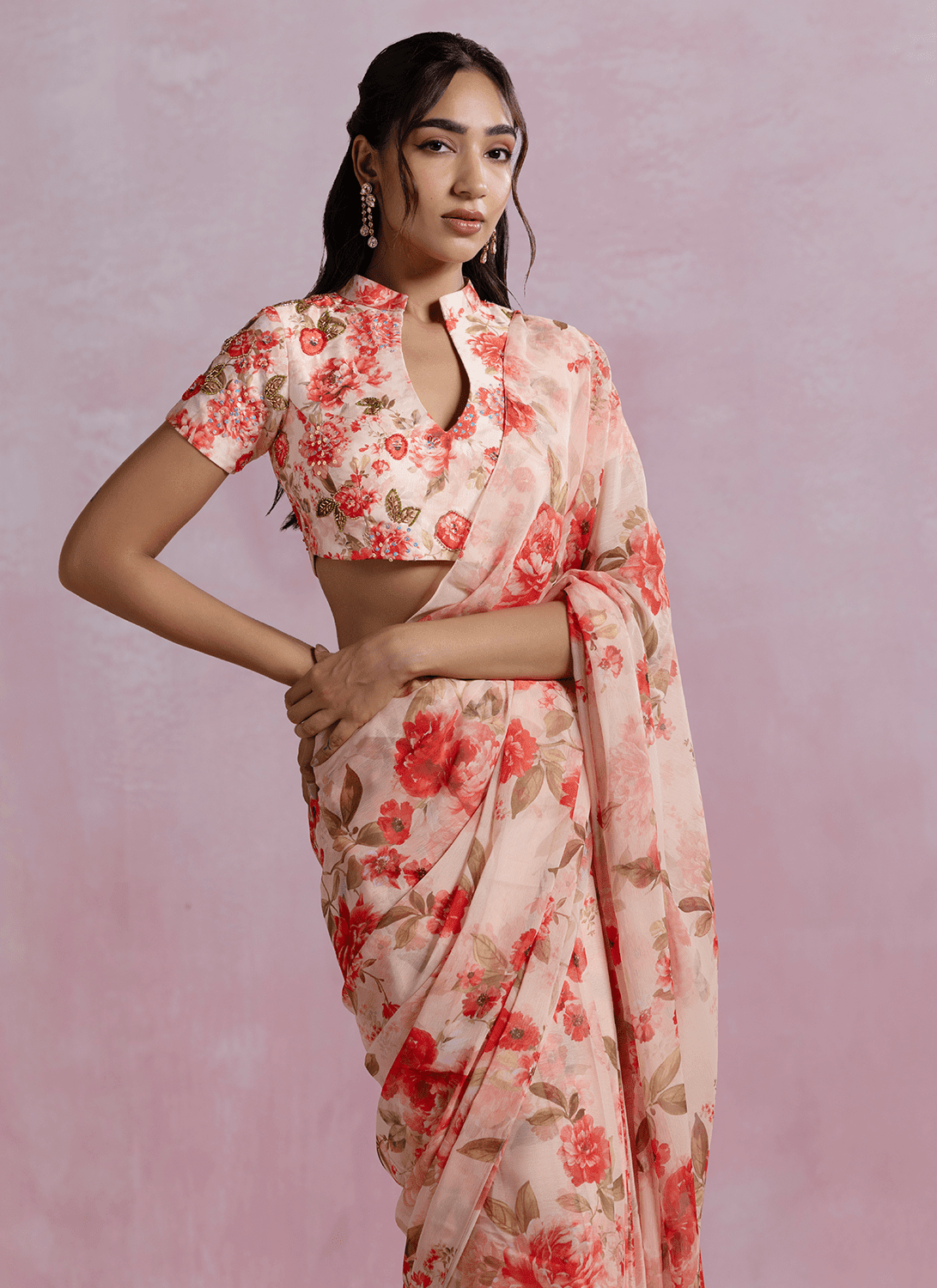
Chiffon — Fold loosely or hang on a padded hanger rather than a thin wire one, which can leave indentation marks. Handle gently, since the lightweight weave wrinkles easily and can tear under tension.
-
Georgette — Store with breathable fabric covers rather than plastic, since its slightly textured weave traps dust more easily than smoother fabrics. Fold along natural lines to avoid stressing the weave.
-
Chinon — Keep away from heat sources during storage, since high temperatures can warp the synthetic fibers or cause a slight sheen change. Otherwise fairly low-maintenance and less prone to creasing than natural fabrics.
Choosing the Right Garment Bag for Ethnic Wear
A good garment bag for ethnic wear makes a genuine difference, and not all garment bags are created equal for this purpose. Plastic garment bags, while common and inexpensive, are actually one of the worst choices for long-term storage, since they trap moisture and can cause fabric discoloration or even mildew over time, particularly in humid climates. A breathable cotton or muslin garment bag for ethnic wear is a far better investment, since it protects against dust and light exposure while still allowing the fabric to breathe.
If you're storing multiple pieces, look for a garment bag for ethnic wear with enough interior room that pieces aren't compressed together, since compression is one of the most common causes of creasing and embellishment damage. Clear panels or labels on the bag also make it much easier to identify pieces without unwrapping everything each time you're looking for a specific outfit.
Off Season Clothing Storage: General Best Practices
Beyond the specifics of any single garment, a few broader principles apply to off season clothing storage for festive wear as a category. Keep stored pieces away from direct sunlight, since UV exposure fades color and can weaken fabric fibers over an extended period, even through a closet door that's occasionally opened. Humidity control matters just as much — a slightly damp basement or an un-ventilated closet is a genuinely poor environment for silk, velvet, or any embellished fabric, since it invites both mildew and fabric degradation. A moisture absorber like silica gel is recommended to add in your closet, especially if you’re keeping it closed for longer durations and are living in tropical climates.
Temperature consistency is another factor worth considering for off season clothing storage: extreme heat, like an un-air-conditioned attic in summer, can cause certain synthetic embellishments or linings to warp or become brittle, while extreme cold can make some fabrics more prone to cracking when handled. A stable, moderate closet environment is almost always the safest choice for festive wear you're not planning to wear again for several months.
How to Preserve a Lehenga for the Long Term
If you're hoping to preserve lehenga pieces for years, whether it's a bridal piece with sentimental value or simply an outfit you love, a few extra steps are worth the effort. Have the piece professionally cleaned before storing it long-term, since any oils, perfume, or invisible stains left on fabric can set in and become far harder to remove the longer they sit untreated. Once cleaned, allow the piece to fully air out and dry completely before folding or bagging it, since sealing away even slight residual moisture can invite mildew over months of storage.
To truly preserve lehenga quality long-term, consider refolding it every several months rather than leaving it in exactly the same position indefinitely, since permanent creases can develop along fold lines over extended periods. This is a small habit, but it meaningfully extends the life of delicate embellishment and fabric alike.
A Simple Storage Checklist
Before you tuck away your festive wardrobe until the next occasion, a quick checklist helps make sure nothing gets overlooked: clean the piece first, let it fully dry or air out, separate the blouse and skirt if it's a lehenga, use tissue paper between embellished folds, store it in a breathable garment bag rather than plastic, and keep the whole thing in a stable, moderate closet away from direct sunlight and humidity. None of these steps take much time individually, but together they make a real difference in how your outfit looks the next time you're ready to wear it.
Storing is Key
Learning how to store lehenga pieces and other festive outfits properly is a small investment of time that pays off every time you reach for a special-occasion piece and find it exactly as beautiful as the day you bought it. Whether you're storing heavy embroidery, tucking away a piece for off season clothing storage, or simply trying to preserve lehenga quality for years to come, the same core principles apply: breathable storage, protection from friction and sunlight, and a little care before putting everything away.
Looking to add a new piece to your festive wardrobe? Browse our lehenga choli collection to find your next outfit — and now you'll know exactly how to take care of it.