Party & Festive Wear Report 2026: What Our Customers Actually Wore
Every year, we get a front-row seat to something most trend reports can only guess at: what people actually buy and wear, not just what shows up on a runway or a mood board. This year's Indian festive wear trends 2026 report pulls from our own order data, best-sellers, and customer favourites across Diwali, wedding season, and every major celebration in between — giving you a real, numbers-backed look at how the diaspora dressed for the season, rather than a list of predictions.
We built this report because we noticed a gap in most seasonal style content: plenty of guides tell you what to buy, but almost none show you what thousands of real shoppers actually did buy. As a brand that ships to the US, UK, Canada, and UAE, we're sitting on a genuinely unique data set, one that reflects Indian festive wear trends for 2026 as they played out across very different climates, wedding seasons, and community sizes, not just a single market's preferences.
Why a Data-Driven Festive Fashion Report Matters
Most style guides tell you what's predicted to be "in." A proper festive fashion report tells you what people are actually buying, which is a very different — and far more useful — story. Trend predictions are shaped by what a handful of tastemakers wear once; real purchase patterns reflect what thousands of women chose for their own celebrations. This year, that story was refreshingly simple: our best-selling categories, hands down, were our partywear collection and our floral print collection, and both are worth digging into for anyone thinking about Indian festive wear trends 2026 heading into the next season.
The Big Story: Partywear Takes the Lead
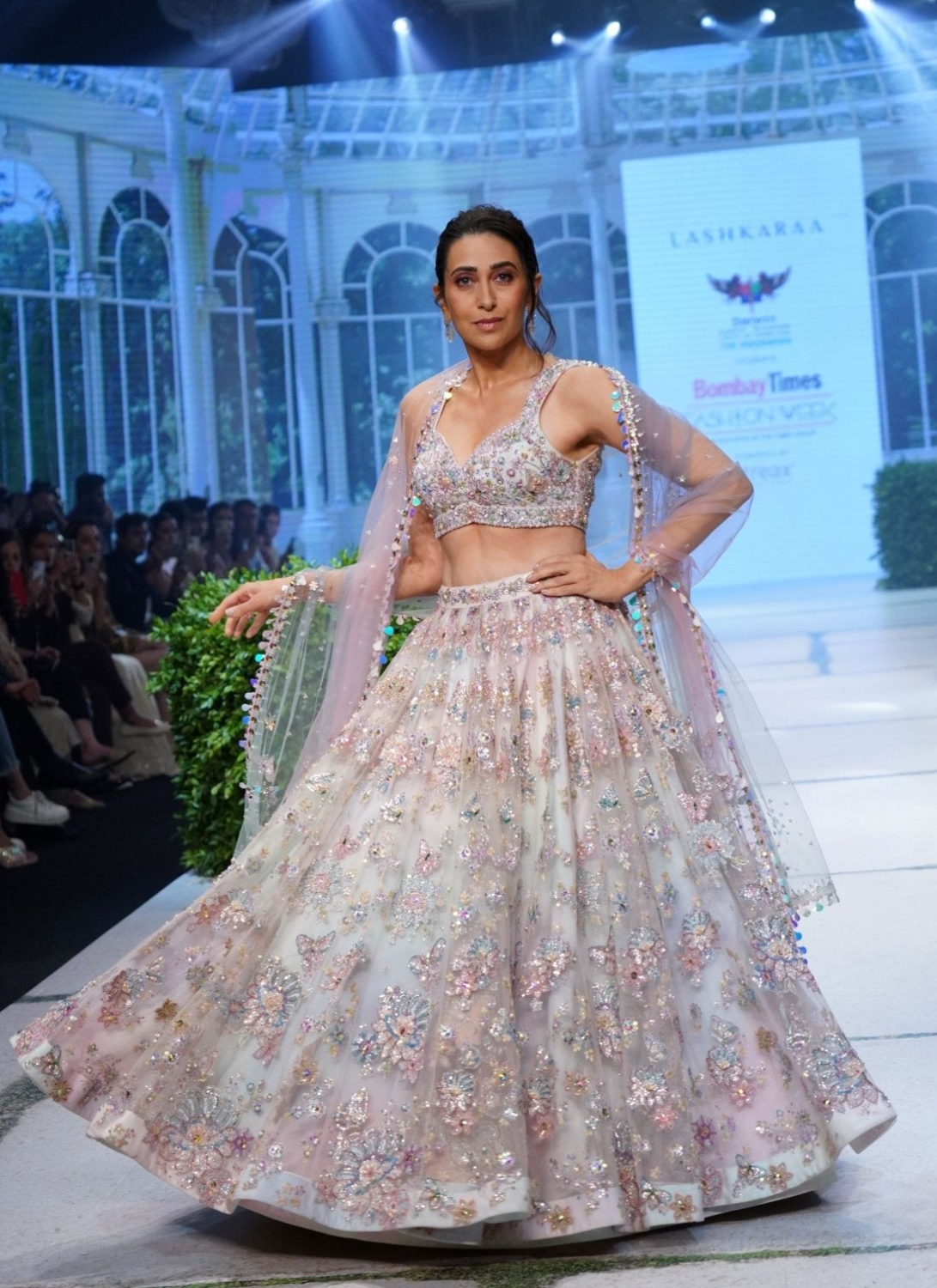
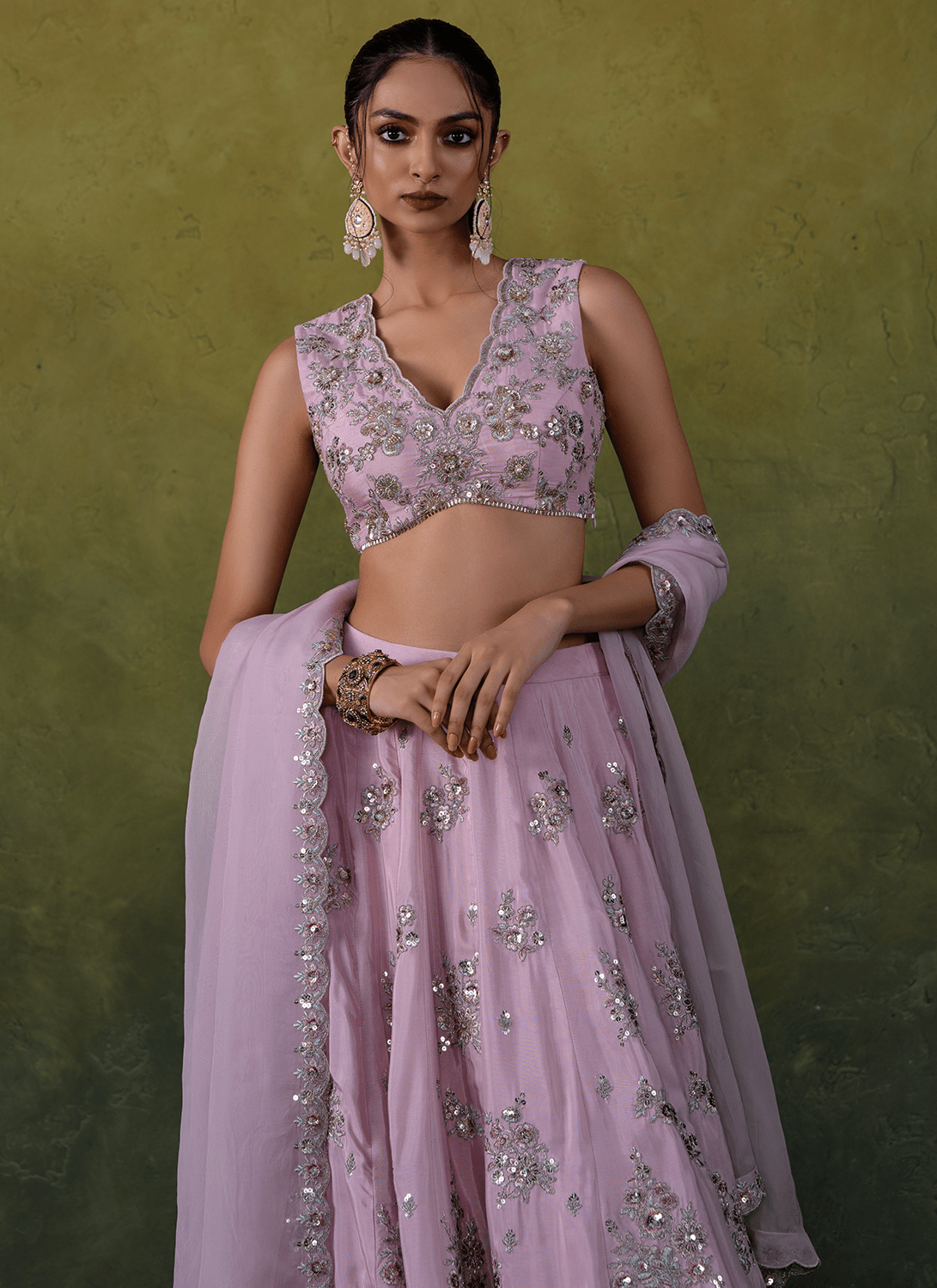
If there's one category that defined Indian party wear for 2026 for our customers, it was partywear — specifically, partywear lehengas and partywear sarees. These pieces consistently outsold more traditional, heavily structured bridal-adjacent silhouettes, and a few reasons stand out:
- Versatility across events. Partywear pieces work for everything from a sangeet to a cocktail reception to a Diwali party, making them a smarter investment for customers who attend multiple celebrations in a single season.
- Lighter construction. Compared to full bridal lehengas, partywear silhouettes tend to use lighter fabrics and less rigid structuring, which customers consistently cited in reviews as a reason they could wear the piece for a full night of dancing without discomfort.
- More accessible price points. Partywear collections typically sit below bridal and premium couture pricing, making them an easier "yes" for guests dressing for someone else's celebration rather than their own.
- Repeat purchase behaviour. Customers who bought one partywear piece were notably more likely to come back and buy a second for a different event later in the season — a pattern we didn't see nearly as strongly in bridal or heavily embellished categories.
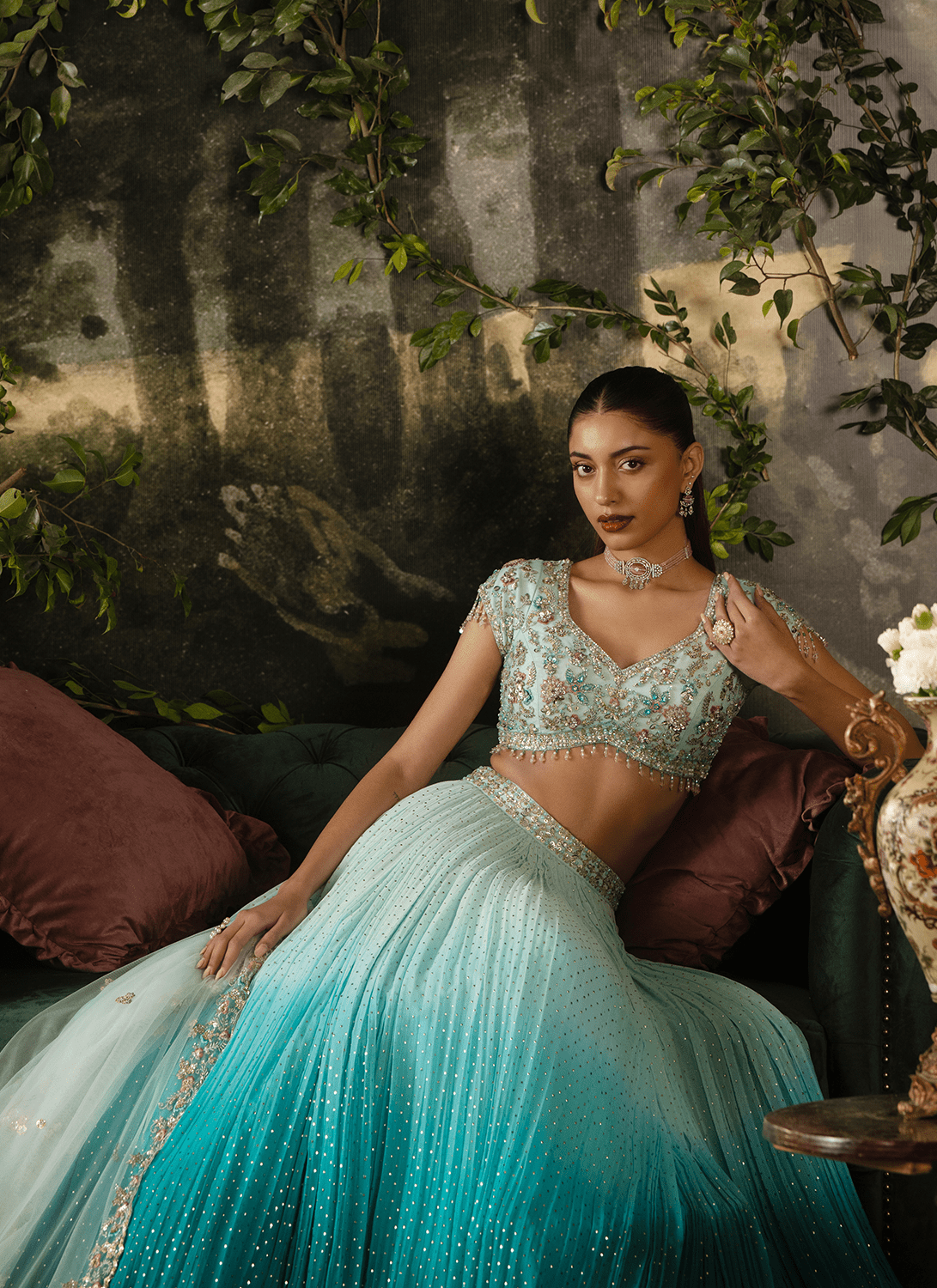
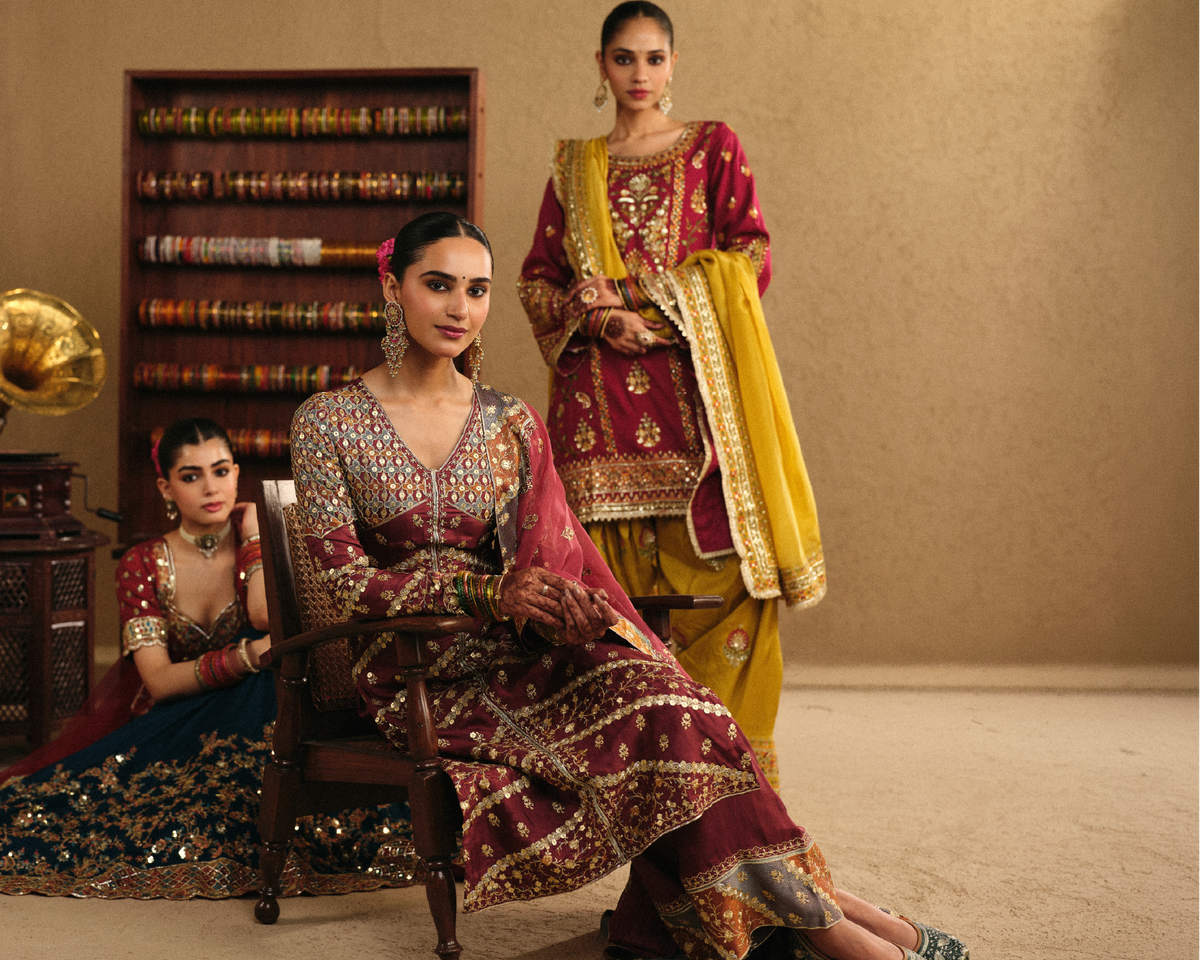
This lines up with what we'd expect from a category built specifically for the "in-between" moments of the wedding and festive calendar — dressy enough to feel special, wearable enough to actually enjoy. It's also a useful signal for anyone trying to make sense of Indian party wear for 2026 more broadly: customers aren't necessarily buying less glamorous pieces, they're buying smarter ones — outfits built to earn their place in a closet by working for more than a single occasion and a great example of it would be an outfit like our Teal Blue Embroidered Brocade Sharara that is lightweight yet ornate with embroidery on a silhouette that goes with every occasion. Whether customers were shopping at the more accessible end of our partywear range or investing in a more richly embellished piece, the underlying behaviour was the same: they wanted something that could realistically be worn to more than one event this season.

The Surprise Winner: Floral Prints
If partywear was the expected best-seller, florals were the pleasant surprise. Floral prints — across lehengas, Anarkali suits, and sarees alike — outperformed solid jewel tones and heavier traditional embellishment as a standalone print category this year, and it's worth unpacking why this counts as genuinely trending ethnic wear rather than a one-off.
A few patterns emerged:
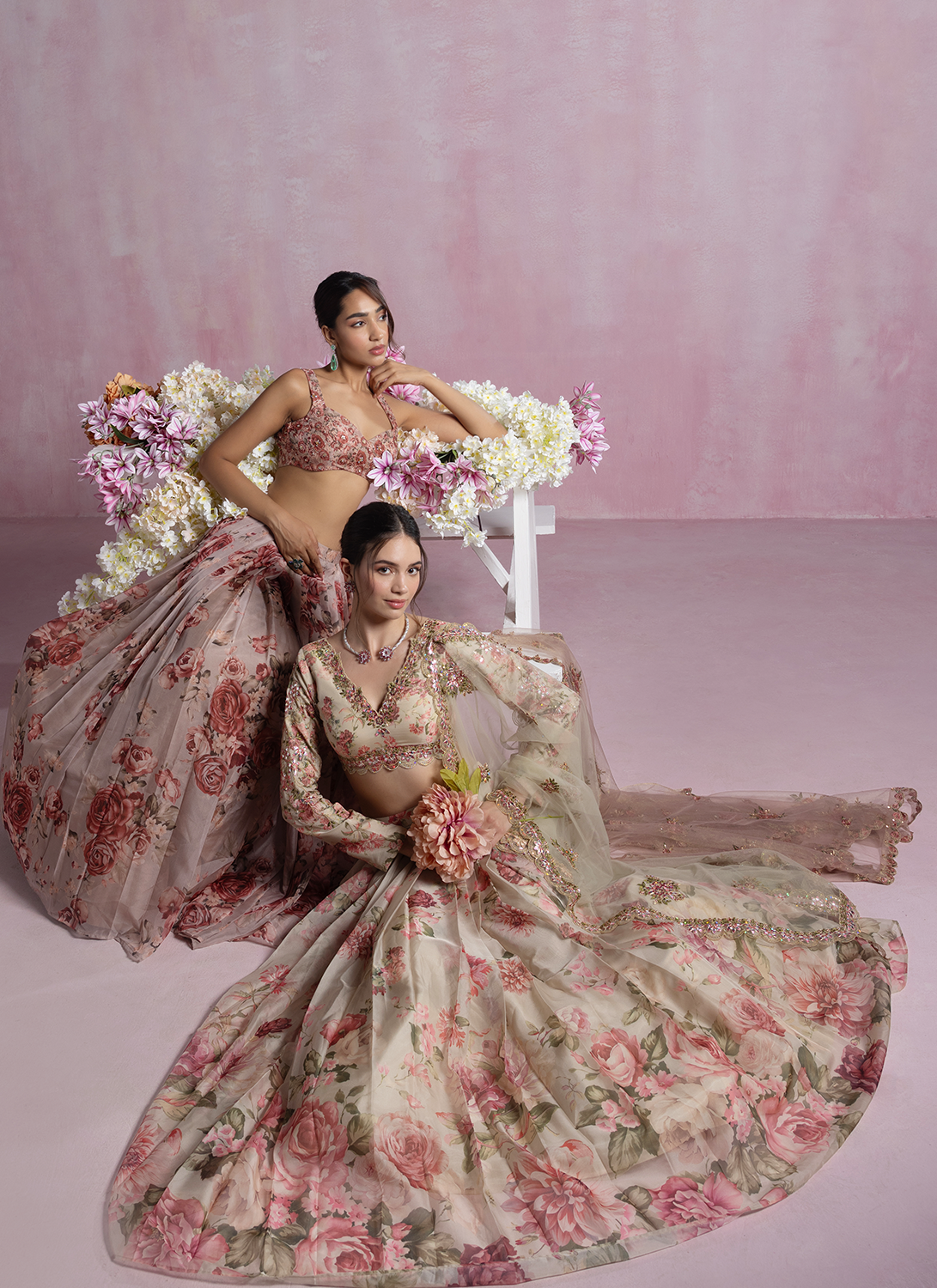
- Florals worked across multiple occasions, not just one. The same floral piece that worked for a daytime Mehndi or a Navratri event also showed up in orders for engagement parties and smaller family celebrations — a level of versatility solid jewel tones don't always offer. Noticing this trend is how we curated our floral partywear collection Elora, that boasts of a mix of soft and bold floral prints on modern silhouettes
- Customers gravitated toward florals for photography. Reviews frequently mentioned that floral prints photographed beautifully in natural light, which matters enormously for outdoor or daytime events, and increasingly for destination weddings. Let’s face it, these days the ‘photographability’ of an outfit is of utmost priority.
- Florals bridged the gap between traditional and modern. For customers looking for something that still read as clearly Indian ethnic wear but felt fresher than a classic solid-and-embroidery combination, florals offered an easy middle ground and that’s exactly what we delivered three different styles of floral collections this year starting with Gulposh, Elora the Amelie.
Between the two, florals were the clearer surprise of the year, serving as proof that customers are increasingly willing to move away from the expected jewel-tone, heavily embellished default when the right print catches their eye. It's a genuinely interesting data point for anyone tracking trending ethnic wear more broadly, since floral prints have historically been treated as a casual, everyday category rather than a genuine festive contender. This year's numbers suggest that line is blurring — florals earned their place alongside partywear as one of the two defining trending ethnic wear stories of the season, not as a secondary or "safe" alternative to it.
It's also worth noting what florals didn't do: they didn't cannibalize partywear sales, or vice versa. Customers largely treated the two as complementary rather than competing choices — floral for the lighter, more relaxed moments of the festive calendar, and partywear for the nights that called for full glamour. That complementary relationship is arguably the most useful insight in this entire report, since it suggests a wardrobe strategy rather than a single dominant trend.
Diwali Outfit Trends 2026:
Diwali remains our single biggest order spike of the year, and it's where several of this year's broader patterns showed up most clearly. Looking specifically at Diwali outfit trends 2026, partywear lehengas and sarees were the clear favourite for the main event itself — the night customers wanted to feel their most glamorous — while floral prints saw a strong pull for the earlier, more casual days of the festival, like Dhanteras and Choti Diwali, when customers wanted something festive but less formal.
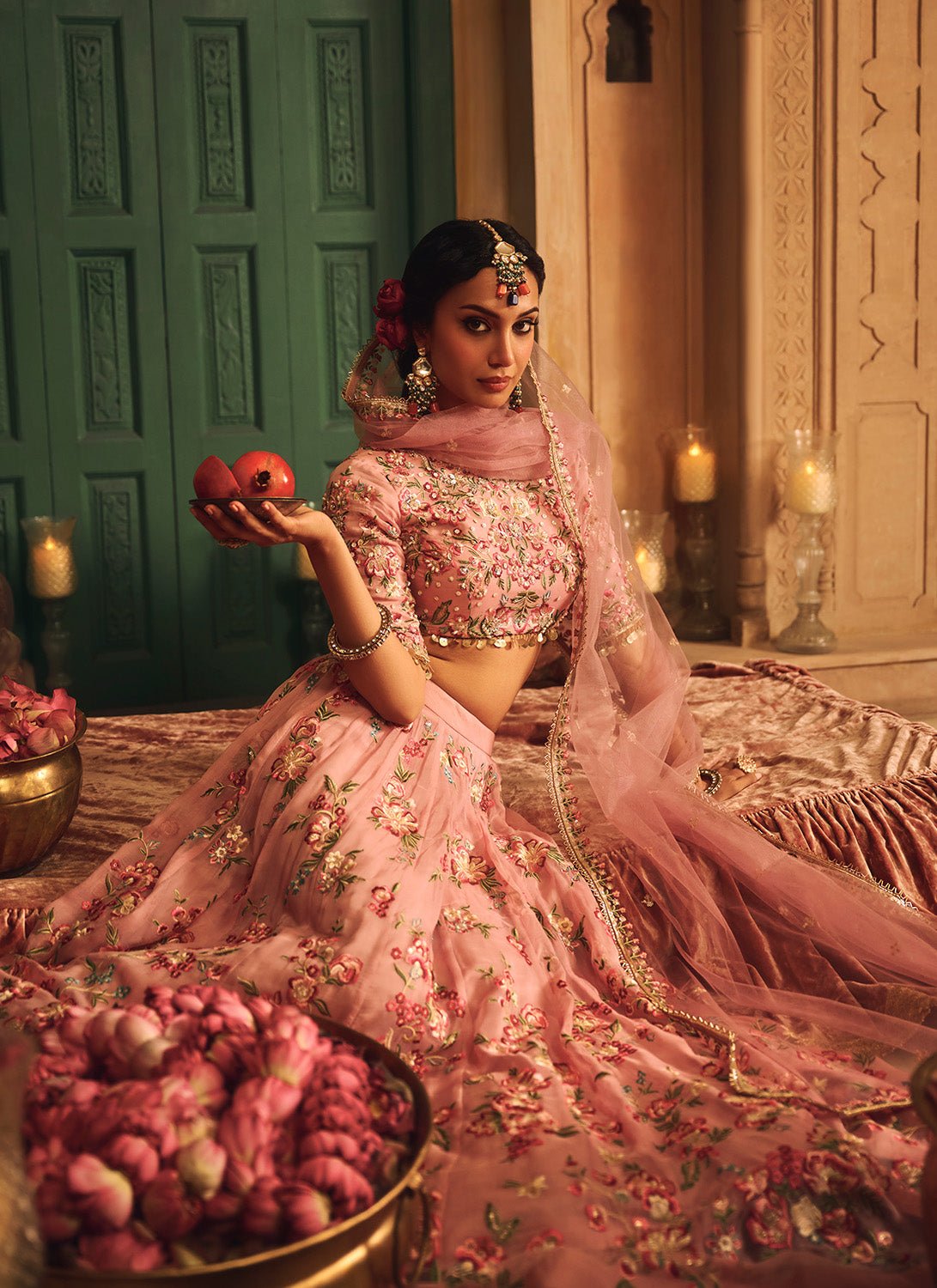
Jewel tones — emeralds, deep reds, royal blues — remained the dominant colour choice for the main Diwali night specifically, more so than for festive wear overall, likely tied to the festival's association with light, richness, and celebration. This pairing makes sense once you break the festival down day by day: Diwali isn't one single dressing occasion, it's five days with very different tones, and Diwali outfit trends 2026 reflected that range clearly — florals for the lighter, family-focused days, and partywear or richer jewel-toned pieces for the big night itself.
Indian Party Wear 2026: Beyond Diwali
Diwali gets the spotlight, but it's far from the only driver of Indian party wear trends in 2026 demand. Looking at customer behaviour across the full calendar, a few occasions stood out as consistent, high-volume drivers:
- Wedding season (Baraat, Walima, and reception-style events) continued to be the single largest overall driver of party wear purchases across the year.
- Sangeets leaned heavily toward partywear and dance-friendly silhouettes like shararas, for obvious reasons.
- Navratri and Garba shopping grew noticeably faster than most other occasions this year — a reflection of just how much bigger Garba celebrations have become outside of Gujarat and India in recent years — and showed a fairly even mix of floral and partywear purchases.
- Eid is one of the celebrations that extends beyond South Asia and onto other cultures as well where shararas, ghararas and anarkalis in jewel tones take centre stage.
- Engagement parties and rokas leaned more toward florals and lighter Anarkali suits, reflecting the generally more relaxed, family-focused tone of those events compared to a full wedding function.
It's worth noting that Indian party wear trends of 2026 demand isn't evenly distributed across the calendar — it clusters heavily around a handful of peak windows (Diwali, spring and fall wedding season, and Eid), with quieter stretches in between, which matters as much for planning as the specific styles themselves.
Indian Occasion Wear Trends by Region
One of the more interesting threads in this year's data is regional. Since our customer base spans the US, UK, Canada, and UAE, Indian occasion wear trends looked noticeably different depending on where an order shipped. Customers in cooler climates like the UK and Canada showed a stronger lean toward layering pieces — jackets, capes, and shawls paired with festive outfits — while customers in the UAE and warmer parts of the US skewed toward lighter fabrics and florals year-round, reflecting both climate and the more indoor, air-conditioned nature of most celebrations in those markets.
This kind of regional nuance is genuinely useful for understanding how diaspora dressing habits vary by climate, community size, and local wedding season timing — insights that a generic, one-size-fits-all trend report simply can't offer.
Best Festive Outfits 2026: What Customers Loved Most
Sales data tells you what people bought. Reviews and repeat purchases tell you what they actually loved. Cross-referencing both gives us a genuine list of the best festive outfits for 2026 had to offer, based on real customer satisfaction rather than just order volume.
Styles that consistently earned high ratings shared a few things in common:
- Structured blouses paired with flowing skirts or dupattas — customers repeatedly praised the combination of support and movement.
- Mid-weight fabrics that held embellishment well without feeling heavy for a full night of dancing.
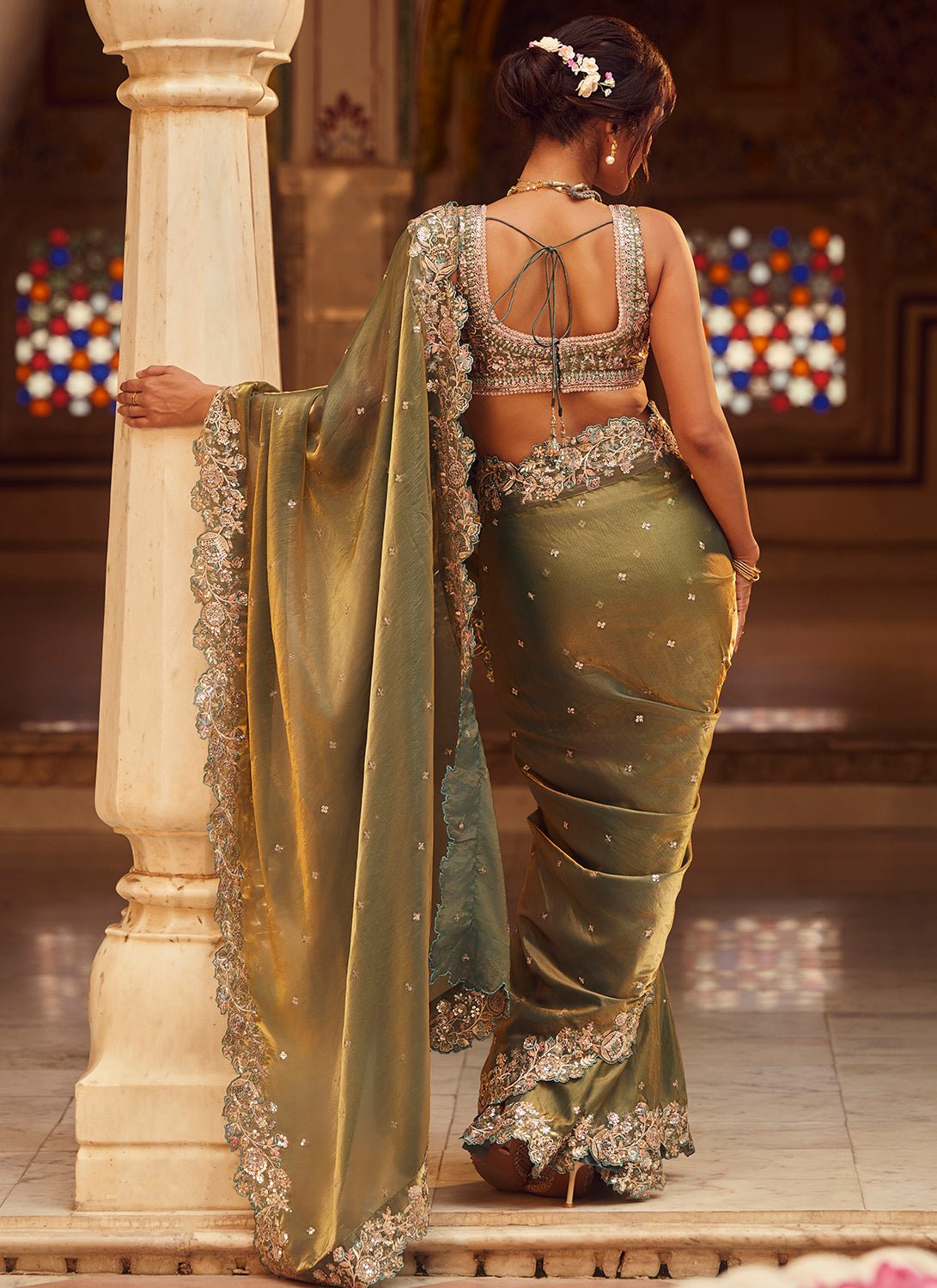
- Jewel-toned pieces with metallic accents, which reviewers frequently described as photographing better than expected and a crowd favorite has been pieces like our Moss Green Embroidered Silk Saree and Teal Green Embroidered Satin Lehenga
-
Pieces with adjustable or made-to-measure blouse options, which correlated with noticeably higher satisfaction ratings around fit.

The throughline across our top-rated pieces wasn't a single silhouette or colour — it was thoughtful construction that balanced glamour with wearability through night and day, event after event. If we had to summarise what made the list of best festive outfits in 2026 so consistent, it's that the highest-rated pieces rarely asked customers to trade comfort for drama; the two showed up together far more often than the data would have predicted going in.
Trending Ethnic Wear to Watch Going Forward
Based on early browsing and search data for the back half of 2026, a few directions in trending ethnic wear are worth watching:
- Fusion silhouettes — cape dupattas, pre-draped sarees, structured pantsuits with ethnic embroidery — are showing rising search volume, particularly among younger shoppers.
- Coordinated family and group looks continue to grow, likely tied to the rise of professional wedding and event photography among diaspora families.
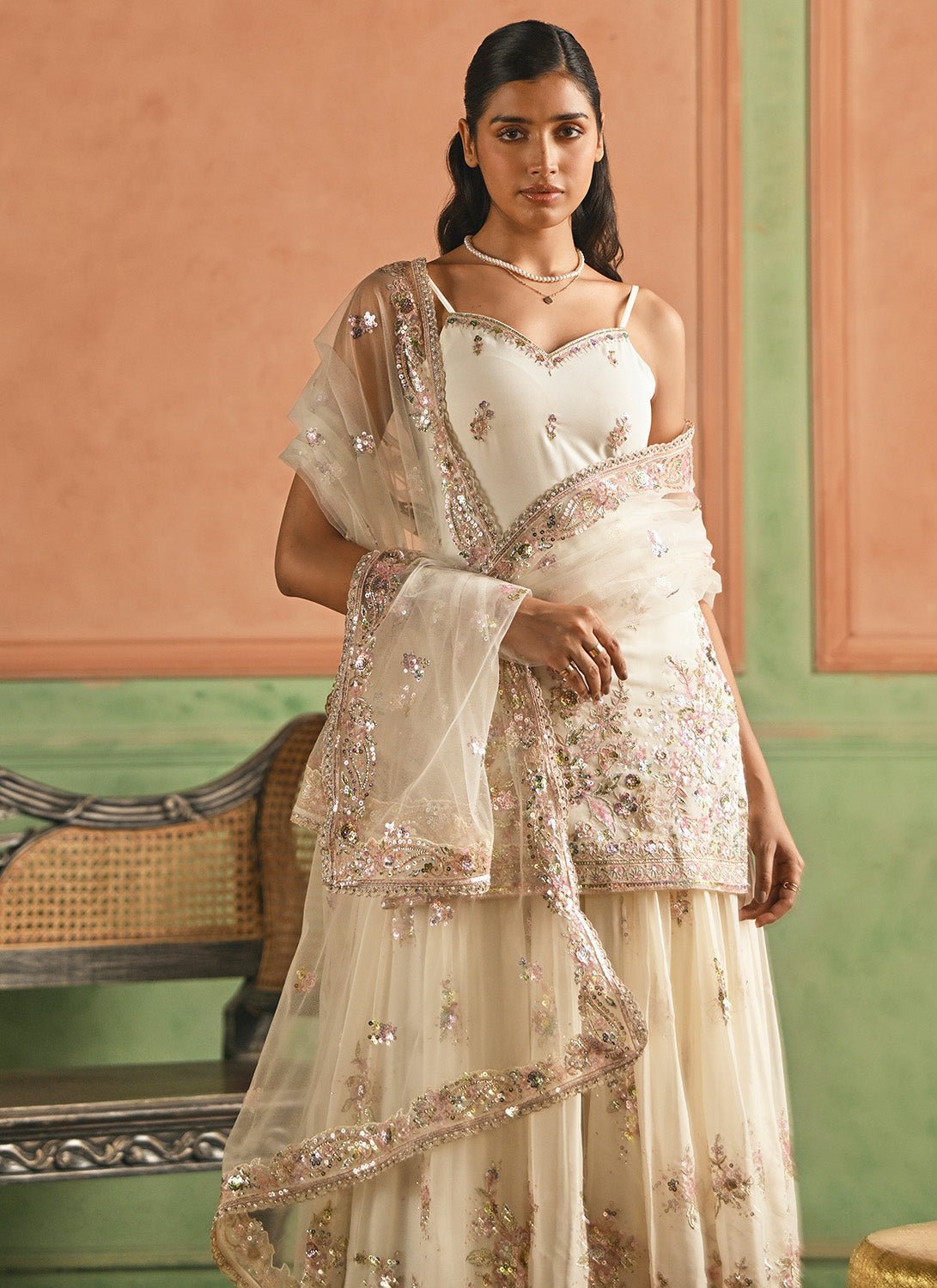
- Non-traditional bridal and bridal-adjacent colours — sage green, dusty rose, ivory — are gaining ground even outside the bridal category itself, appearing more frequently in reception and engagement party searches.
And you can find them all at Lashkaraa! When it comes to trending ethnic wear, our options try to include every type of garment from traditional to trendy. Each collection comes with a unique catalogue of fusion, minimal, embellished and classic silhouettes catering to every kind of need while keeping modern day requirements and styles in mind. Intentional and trendsetting, we bring the best of Indian craftsmanship and style to the global stage, making it more accessible and enjoyable.
That said, Indian fashion is ever evolving, expanding and finding new ways to reinvent traditional silhouettes. The newer generations are far more comfortable in experimenting with traditional styles, using these pieces for self expression and owning it. This is exactly what we keep in mind when designing each garment, while keeping the option of customisation open.
What Customers Paired With Their Outfits
No trending ethnic wear report is complete without looking at accessories, since jewellery and add-on purchases often reveal as much about styling habits as the garments themselves. Statement earrings and jhumkas remained the most consistently popular add-on across nearly every occasion, followed closely by layered necklace sets and potli bags. Customers increasingly treated jewellery as a way to elevate a simpler partywear or floral piece, rather than reserving statement pieces only for the most elaborate, heavily embellished looks — a "fewer, better pieces" approach that mirrors the broader shift toward versatility we saw in the clothing itself.
To reflect this, Lashkaraa launched our very own line of heritage jewelry with pieces that look grand but without the weight. From kundan to pearls, beads and more, we curated a collection of exquisite jewelry pieces that match our garments.
Always Looking Ahead
This festive fashion report is our way of sharing what actually resonated with customers this year, pulled from real bestsellers and repeat-purchase behaviour rather than predictions alone. Partywear and floral prints emerged as this year's clearest standouts, but they didn't stand entirely alone as Anarkalis, sarees, and salwar kameez all continued to play meaningful roles across different occasions and regions. As always, we'll keep watching how these categories evolve heading into next year and in the meantime you can check out our new arrivals to see what’s trending at the moment and stay ahead of the game.
Ready to shop the pieces our customers loved most? Explore our partywear lehengas collection and our floral print collection to find your own best festive outfit for whatever's next on your calendar.