How to Measure Yourself for Indian Clothes Online: A Complete Size Guide
Ordering Indian ethnic wear online comes with one challenge that Western clothing shopping usually doesn't: most pieces are either custom-stitched or made to more precise specifications than a standard "small, medium, large" system. That's actually good news since it means a properly measured lehenga, salwar kameez, or saree blouse can fit you better than most off-the-rack clothing ever could.
But it also means learning how to measure for Indian clothes online the right way, so your outfit arrives fitting the way it's supposed to the first time. This guide walks you through every measurement you'll need, garment by garment.
What You'll Need Before You Start
Getting accurate measurements takes about ten minutes and just a few basic tools:
- A soft measuring tape (fabric, not metal) — this is essential, since a rigid tape won't sit properly against your body's curves.
- A well-fitted top or a fitted camisole — measuring over bulky clothing will throw off every number.
- A mirror, or a friend to help — some measurements, like shoulder width or back length, are much easier to get accurately with a second pair of hands or eyes.
- A notepad or your phone — write each measurement down immediately, since it's easy to forget or mix up numbers as you go.
The Core Measurements Everyone Needs
Nearly every Indian ethnic wear piece be it lehenga, salwar kameez, saree blouse, or Anarkali relies on some combination of these core numbers. This is the foundation of any solid Indian clothing size guide.
- Bust: Wrap the tape around the fullest part of your bust, keeping it parallel to the floor. Keep the tape snug but not tight.
- Waist: Measure around your natural waistline, typically the narrowest part of your torso, usually just above your belly button.
- Hips: Wrap the tape around the fullest part of your hips, usually about 7–9 inches below your natural waist.
- Shoulder width: Measure from the edge of one shoulder to the other, across your back.
- Sleeve length: Starting at the shoulder edge, measure down to wherever you want the sleeve to end (wrist, elbow, or three-quarter length).
- Around arm/bicep: Wrap the tape around the fullest part of your upper arm — important for getting sleeve width right, especially for fitted blouses.
- Front and back neck depth: Measure from the base of your neck down to where you'd like the neckline to sit, both in front and in back.
Once you have these seven numbers, you're equipped to size almost anything in Indian ethnic wear, the rest of this guide simply builds on them for specific garment types.
How to Take Measurements for Lehenga
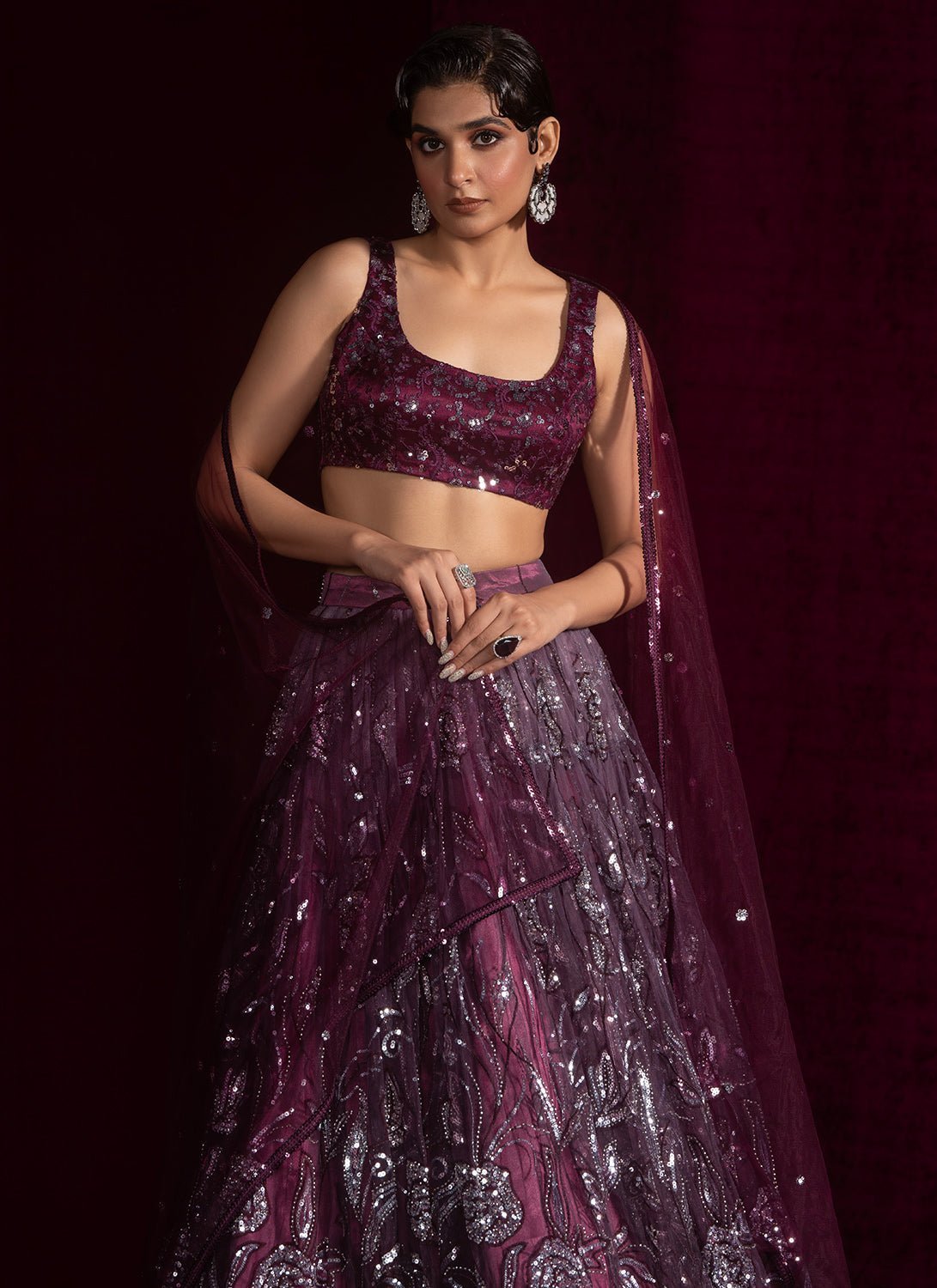
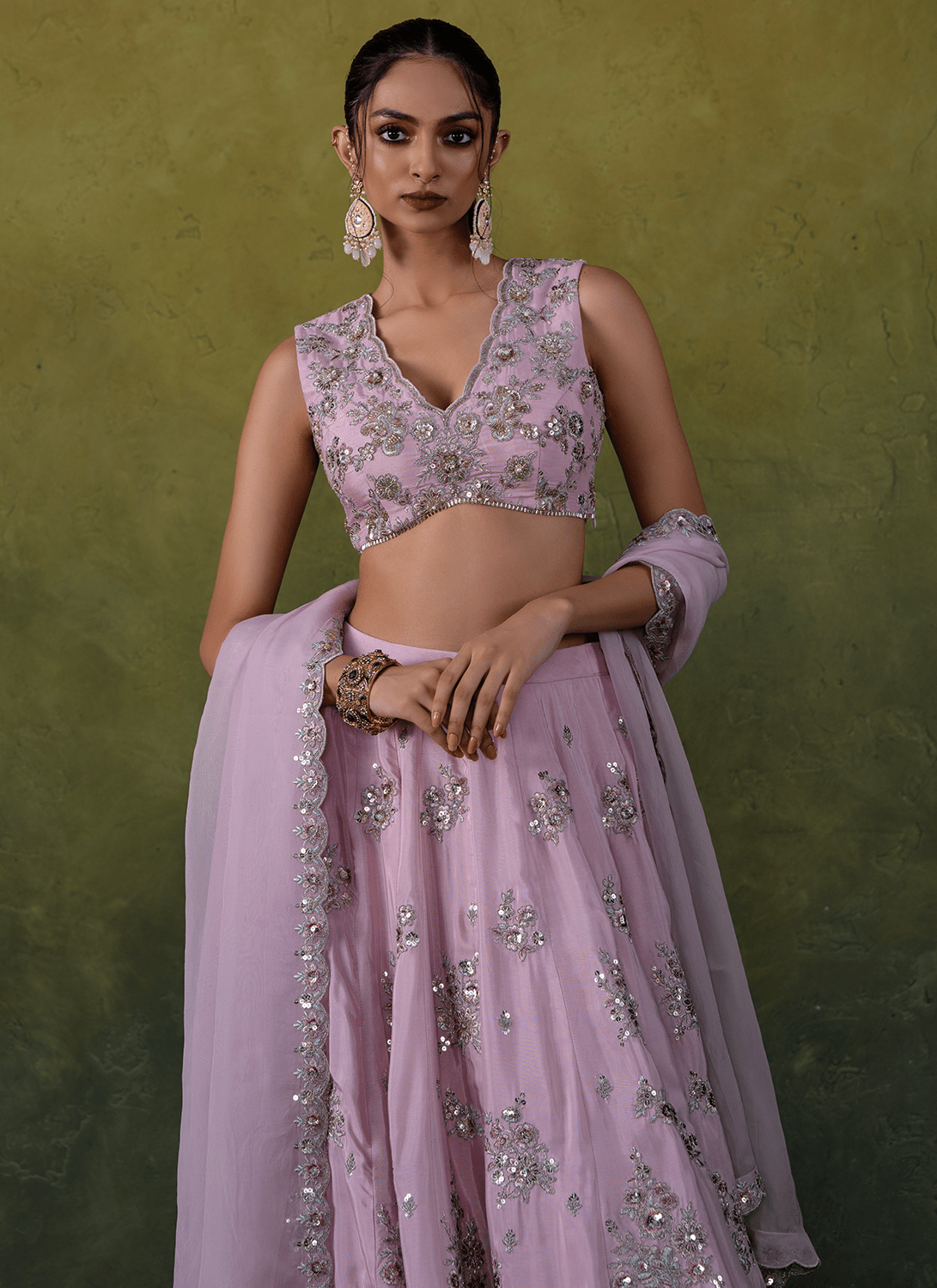
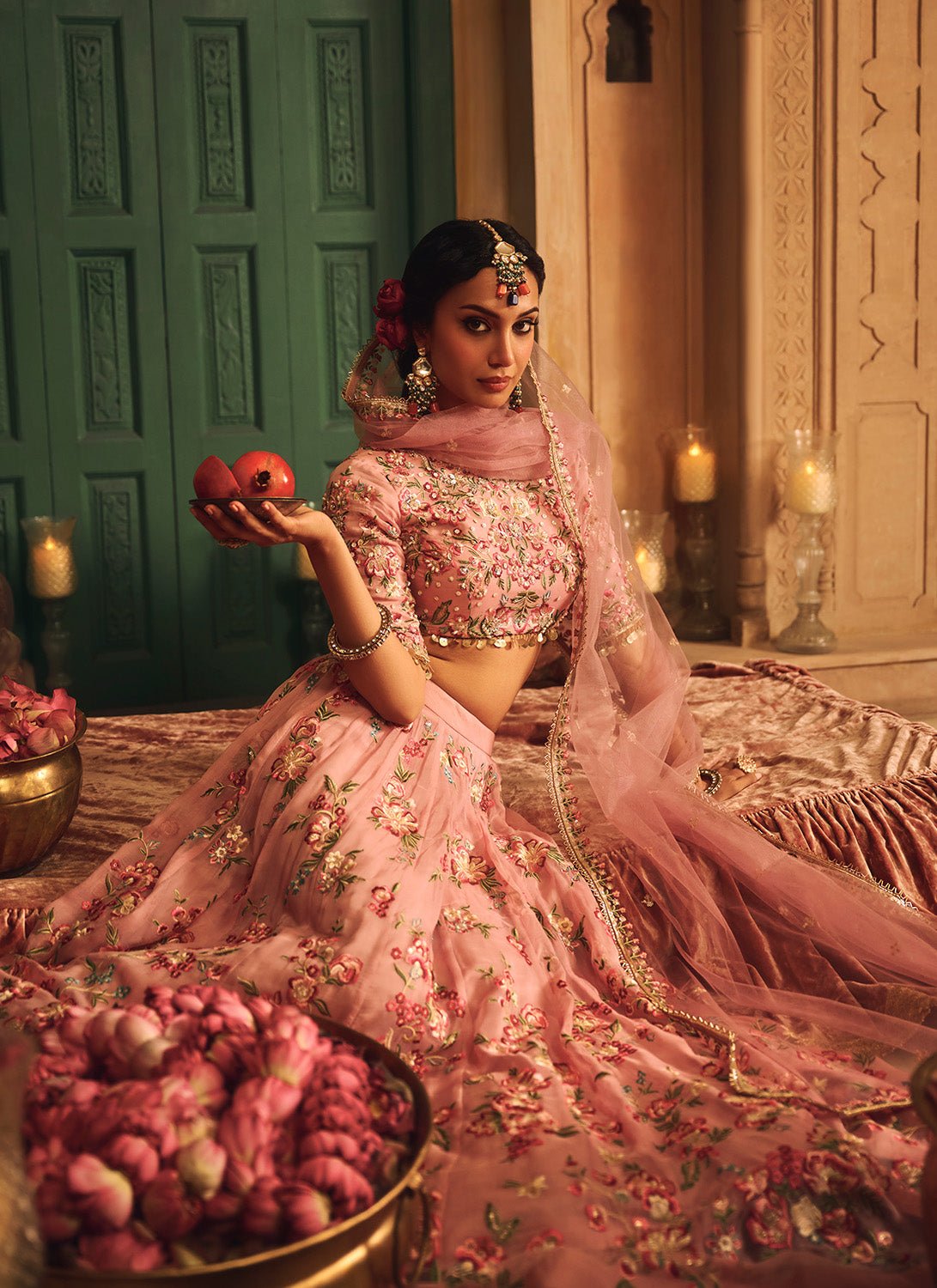
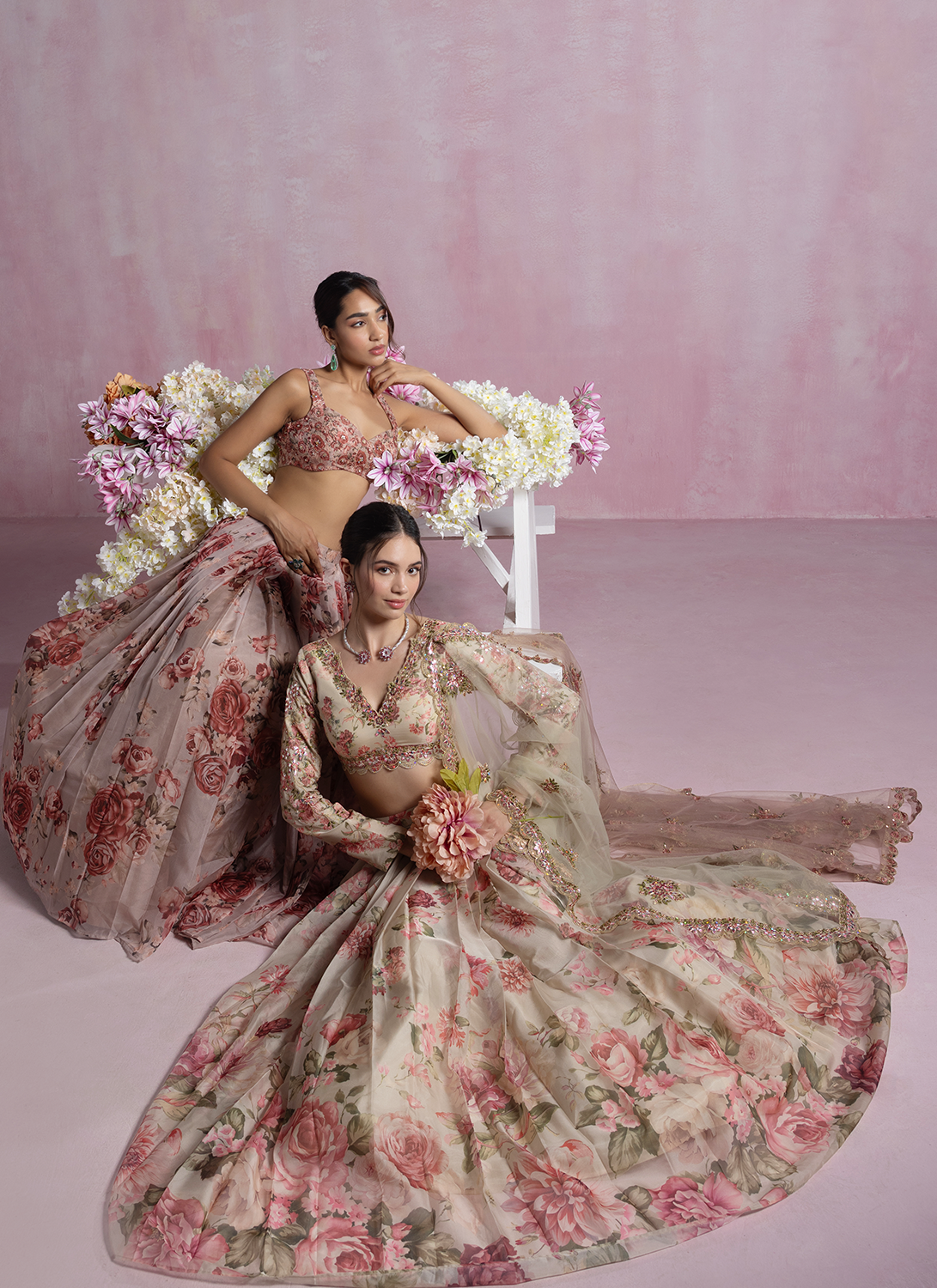
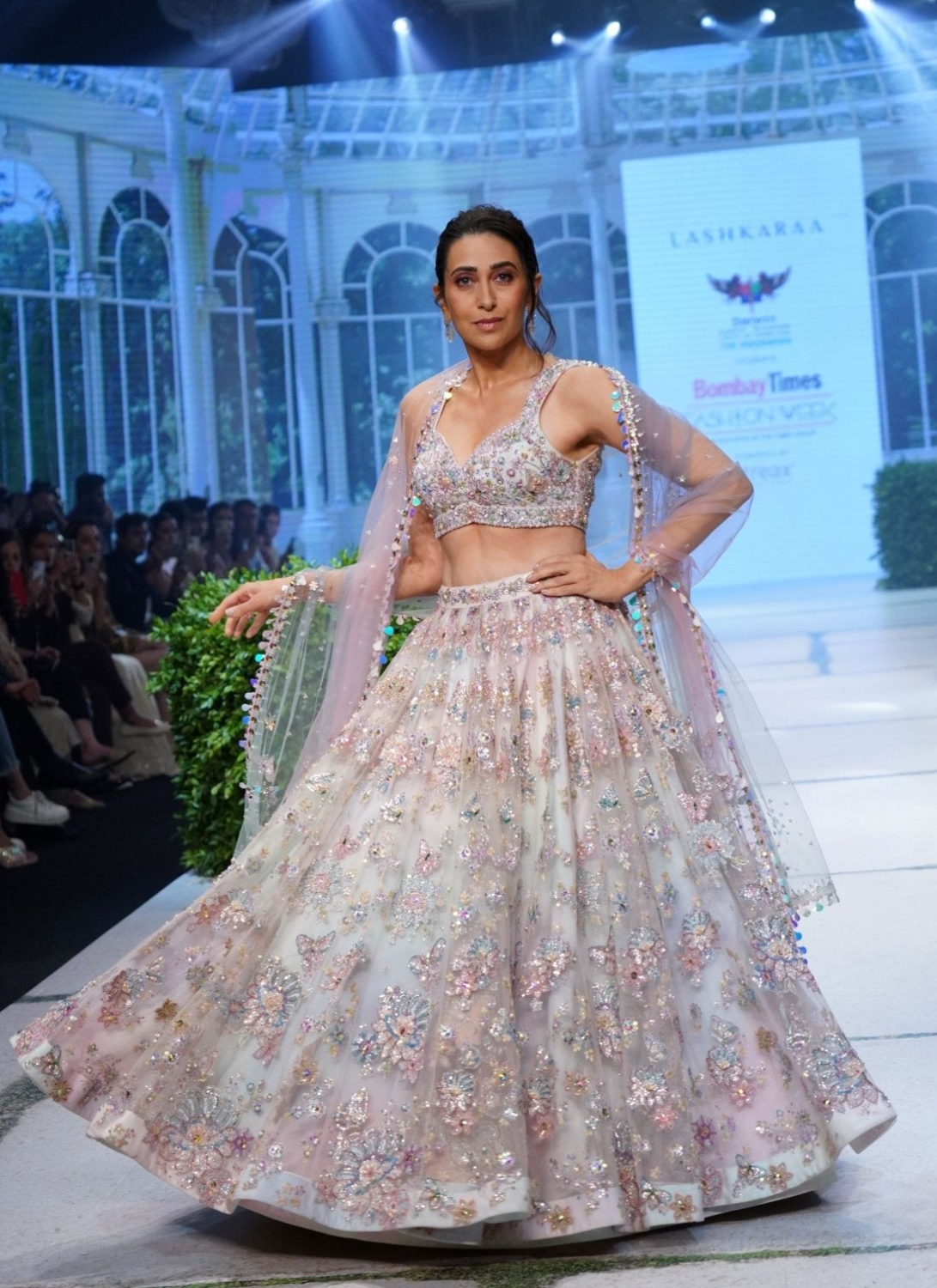
A lehenga has three separate pieces — blouse, skirt, and dupatta — and each one needs its own set of measurements. If you're looking specifically for how to take measurements for lehenga pieces, this breakdown covers everything you need.
For the blouse/choli:
- Bust, waist, shoulder width, and sleeve length (from the core list above)
- Blouse length: Measured from the shoulder down to wherever you want the blouse to end at the waist.
- Armhole depth: Measured from your shoulder down to just under your arm, which affects how snug or loose the blouse feels at the sides.
For the skirt:
- Waist: Measured at the point where you want the skirt to sit — this may be your natural waist or slightly lower, depending on the style.
- Hip: Your fullest hip measurement, to ensure the flare starts in the right place.
- Length: Measured from your natural waist down to your ankle (or wherever you'd like the hem to fall), typically while wearing the heels you plan to wear with the outfit.
Getting the skirt length right is one of the most common places people go wrong. Always measure with the shoes you intend to wear, since a few inches of heel height can significantly change where the hem lands.
How to Measure for Custom Salwar Kameez
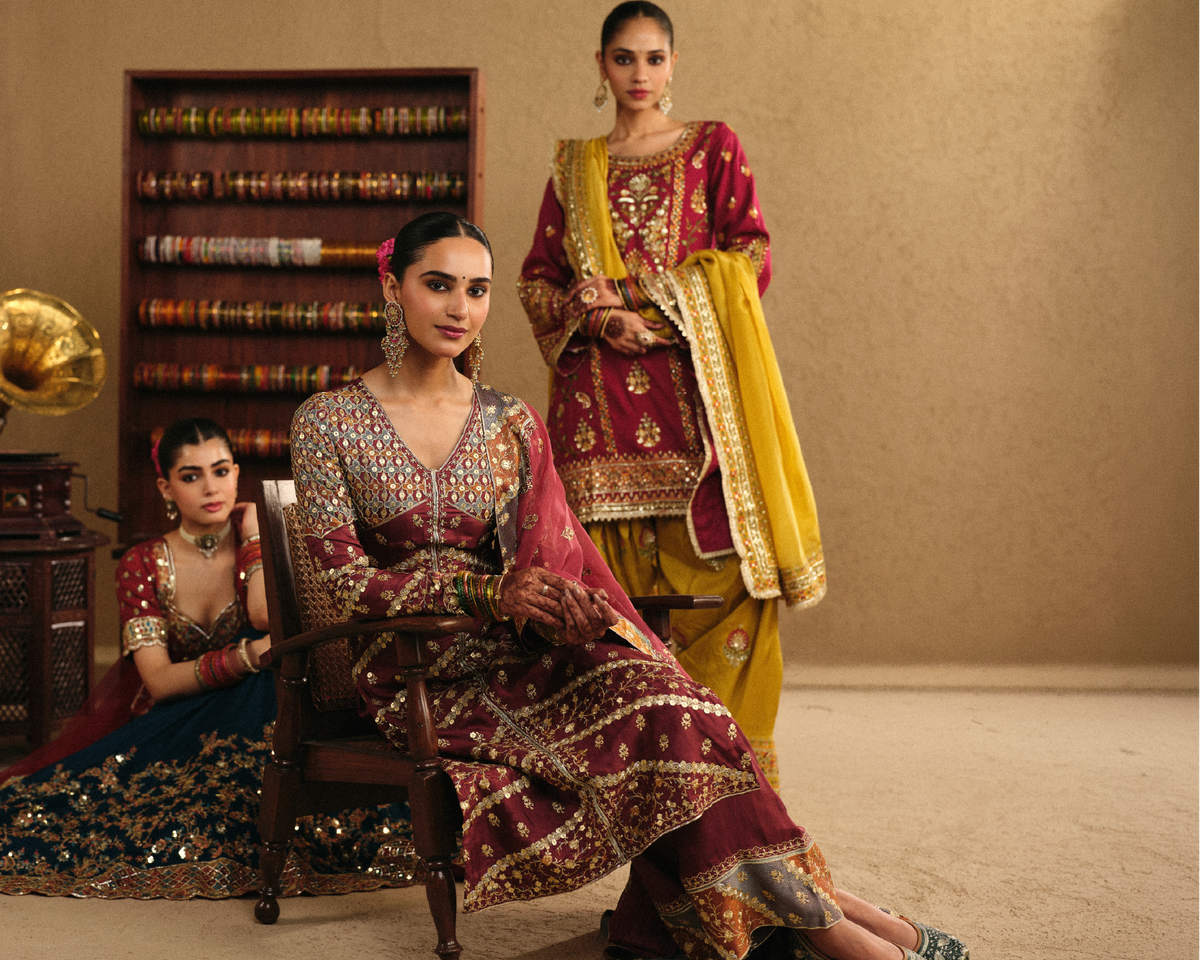
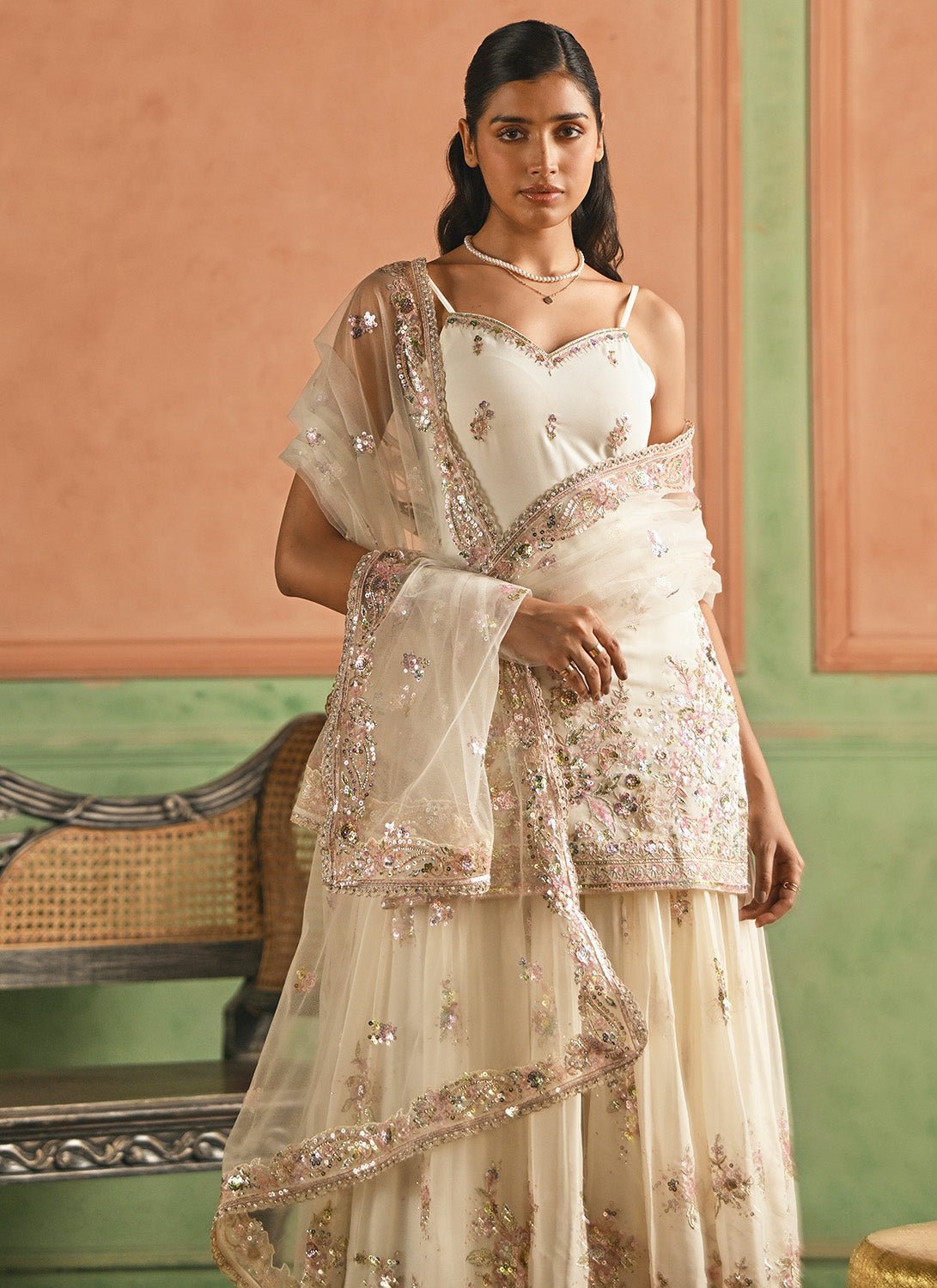
A custom salwar kameez typically needs a slightly more detailed set of measurements than a lehenga, since the kameez (top) fits closer to the body. Here's exactly how to measure for custom salwar kameez pieces step by step.
- Kameez length: From the shoulder down to wherever you'd like the kameez to end — anywhere from hip-length to floor-length, depending on the style.
- Chest, waist, and hip (from the core measurements above), taken at the corresponding points on the kameez itself.
- Salwar/bottom length: From your natural waist down to your ankle, or to wherever the specific bottom style (straight-cut salwar, palazzo, sharara, churidar) is meant to fall.
- Salwar waist: Measured at your natural waistline, generally with a little extra ease built in for comfort, especially for drawstring styles.
Because kameez styles vary so much, like Anarkali, straight-cut, A-line, palazzo suit, it's worth double-checking the specific product's measurement guide for any style-specific notes before submitting your custom order.
Indian Dress Size Chart USA: Making Sense of the Conversion
One of the most common points of confusion for shoppers outside India is how sizing translates. A typical Indian dress size chart USA shoppers rely on will show US sizing (XXS–6XL) alongside the corresponding bust, waist, and hip measurements in inches, since Indian ethnic wear sizing doesn't always match up neatly with standard US ready-to-wear numbers. A few tips for navigating this:
- Always measure yourself rather than relying on your usual US size. Indian ethnic wear often fits differently through the bust and shoulders than Western clothing.
- When in doubt, size up slightly — especially around the bust or hips — since it's generally easier for a tailor to take an outfit in than to let it out.
- Check for a size chart on every product page, since fit can vary slightly by style, fabric, and design house.
Our full size chart and women's clothing size guide break down exact bust, waist, and hip measurements for every size from XXS to 6XL, so you can cross-reference your own numbers before ordering.
Custom Tailoring Measurements Guide: Getting It Right the First Time
If you're ordering a piece with custom tailoring, a few extra habits make a big difference in how accurately your outfit turns out:
- Measure twice, on two different days if possible. Body measurements can shift slightly day to day, so an average of two measuring sessions tends to be more reliable than a single attempt.
- Don't hold your breath or suck in while measuring. It sounds obvious, but it's one of the most common reasons custom pieces come back too tight.
- Note any specific fit preferences. If you prefer a looser blouse or a higher-waisted skirt, most custom tailoring guides give you a place to add notes — use it.
- Keep your measurements on file. Once you've taken accurate measurements, save them in your phone or a document so future orders are quick and consistent.
- Respond promptly to any tailor follow-up questions. Custom pieces sometimes need clarification on a measurement that seems slightly off from standard proportions — a quick response keeps your order on schedule.
General Indian Clothes Sizing Tips
A few final notes that apply across nearly every category of Indian clothes sizing:
- Fabric matters. Stretchier fabrics like georgette or crepe have a bit more give than structured fabrics like silk or brocade, which fit closer to your exact measurements.
- Standard sizes work well for simpler silhouettes, like straight-cut salwar kameez or A-line kurtas, while more fitted styles — fitted blouses, structured lehengas — often benefit from custom measurements.
- Factor in alterations. Even a well-measured custom piece sometimes benefits from a small local tailoring adjustment once it arrives, particularly for blouse fit.
- Saree blouses have their own sizing logic. Since sarees are draped rather than fully tailored, the blouse measurements matter most — check out our dedicated saree length and measurement guide for details specific to sarees.
- Salwar suits have their own step-by-step walkthrough, including a measurement video, in our guide to measuring for salwar suits if you want a deeper dive on that category specifically.
It’s All About Precision
Learning how to measure for Indian clothes online takes a little more effort upfront than grabbing your usual US size off a rack, but it pays off in a much better fit — especially for custom-stitched pieces built specifically around your measurements. Take your time, measure twice, and keep your numbers on hand for next time.
Ready to put your measurements to use? Check our complete size chart before you shop, then explore our lehenga choli, salwar kameez, and sarees collections to find your perfect fit.