Makar Sankranti Celebrations: History, Traditions, & Fashion
The Indian festival of Makar Sankranti is celebrated to mark the end of the long, cold winter months and the onset of spring. It marks the transition of the Sun into the zodiac sign of Capricorn (Makara). In ancient times, it was the time when the shift of the sun resulted in longer days, marking it as a celebration of the change of seasons, from a harsher to a milder climate; a sign of hope and positivity.
It usually falls around mid-January and is celebrated by several states of India in their own customs. Tamil Nadu celebrates Pongal at the same time while Punjab celebrates Lohri. While this is when all the different states celebrate their harvest festivals, true to India’s diverse traditions, each one has its own customs and practices.
What is the Significance of Makar Sankranti
The key aspects of Makar Sankranti include the sun’s movement, where the festival signifies the northward movement of the Sun, leading to longer daylight hours.
In many regions, Makar Sankranti is celebrated as a harvest festival, giving thanks for the bountiful crops. The freshly harvested crops are often used to prepare special dishes during the festivities. Traditional foods like sweets made from sesame seeds, jaggery, and other ingredients are commonly consumed.
One of the traditions people enjoy immensely is kite flying. People gather on rooftops and open grounds to fly kites, and there are often friendly kite-flying competitions. The sky is filled with colorful kites of various shapes and sizes.
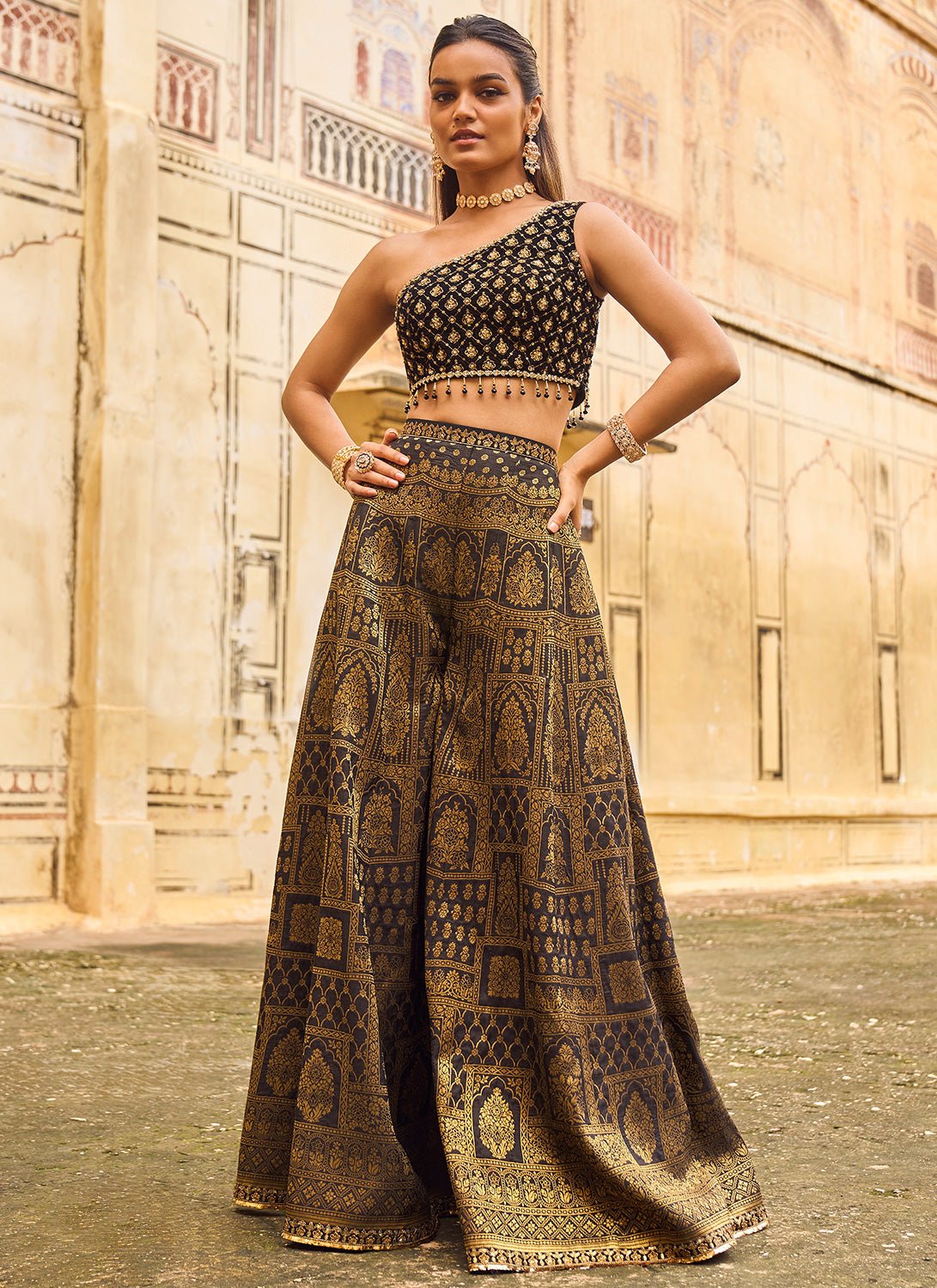
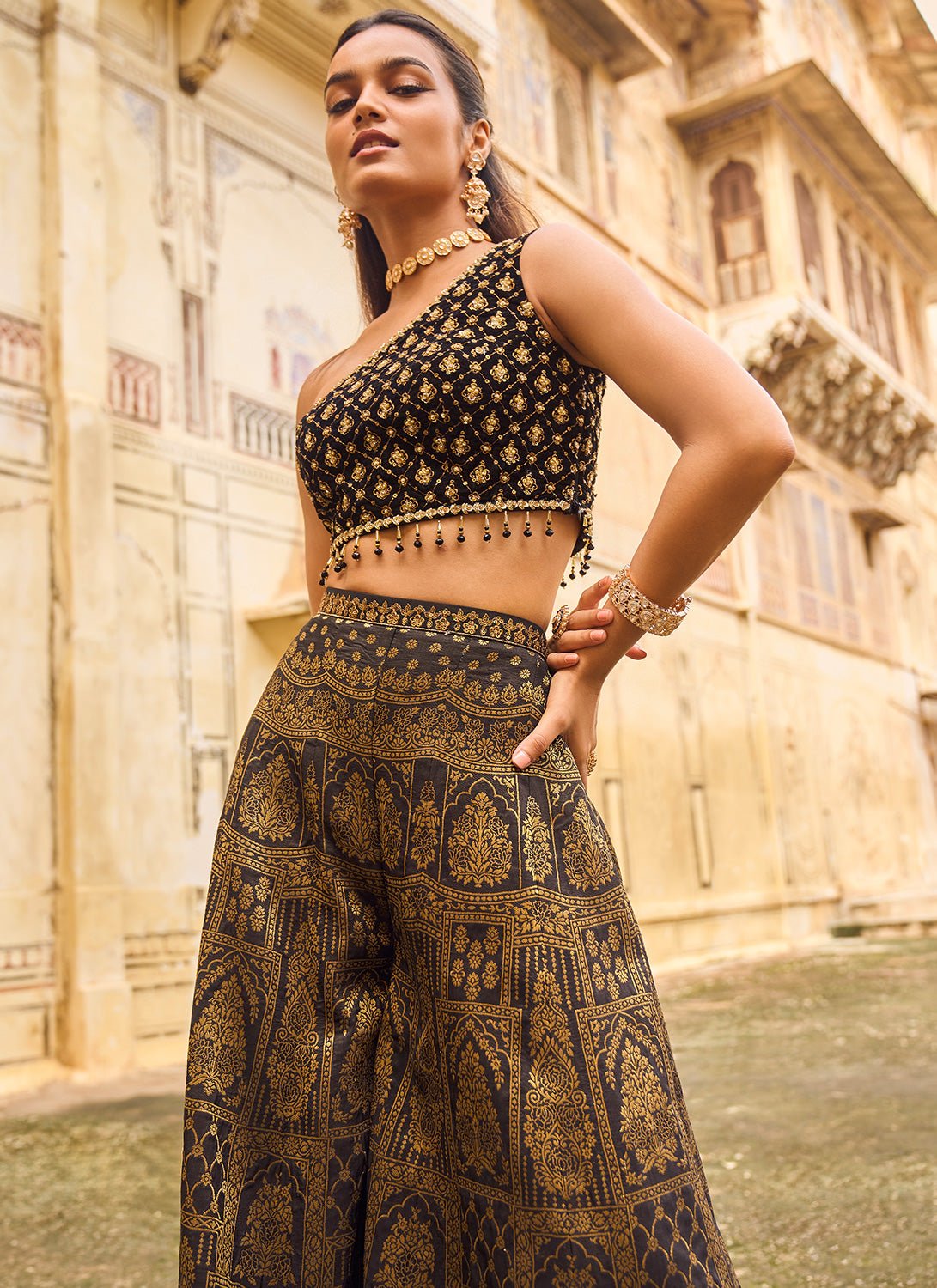
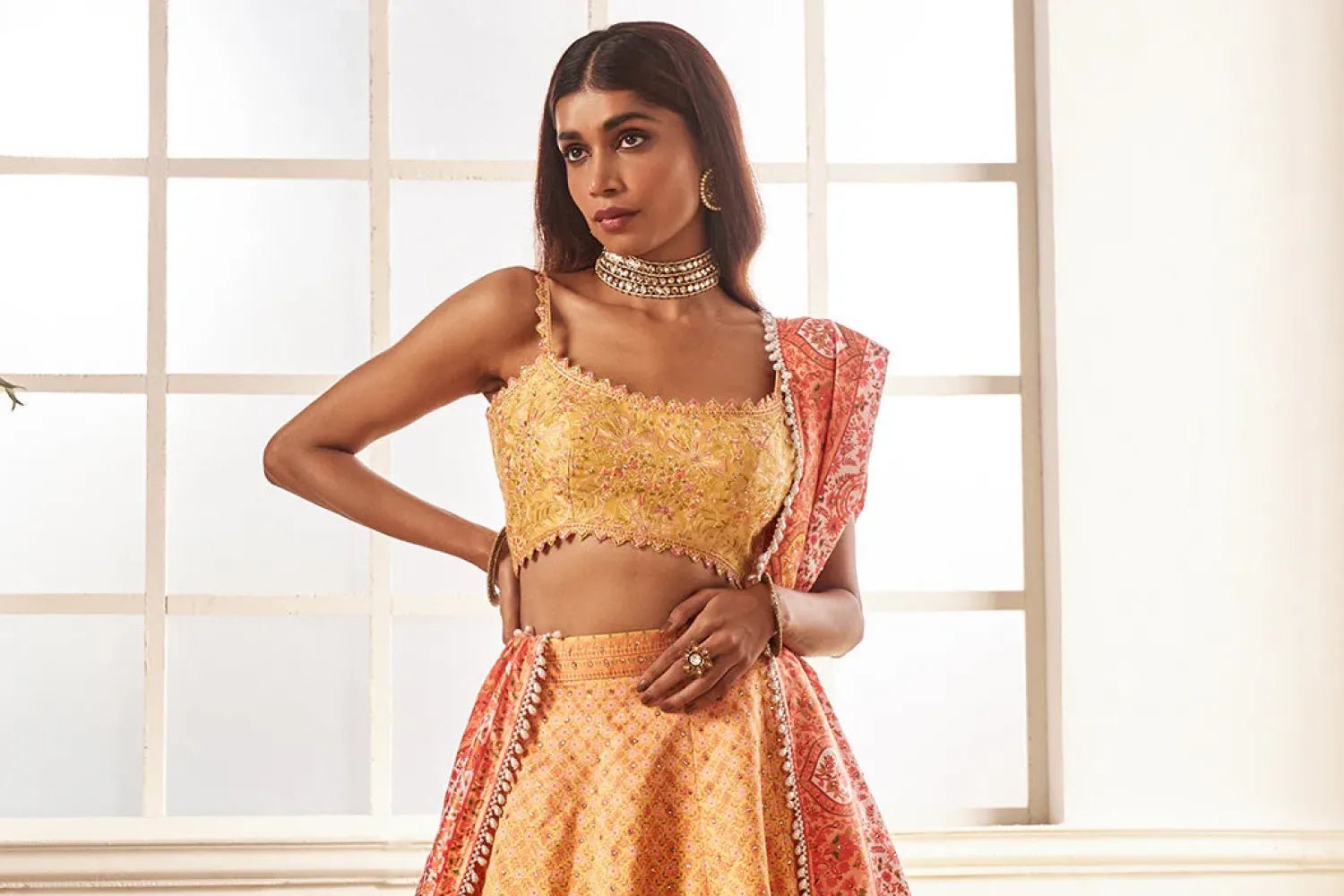
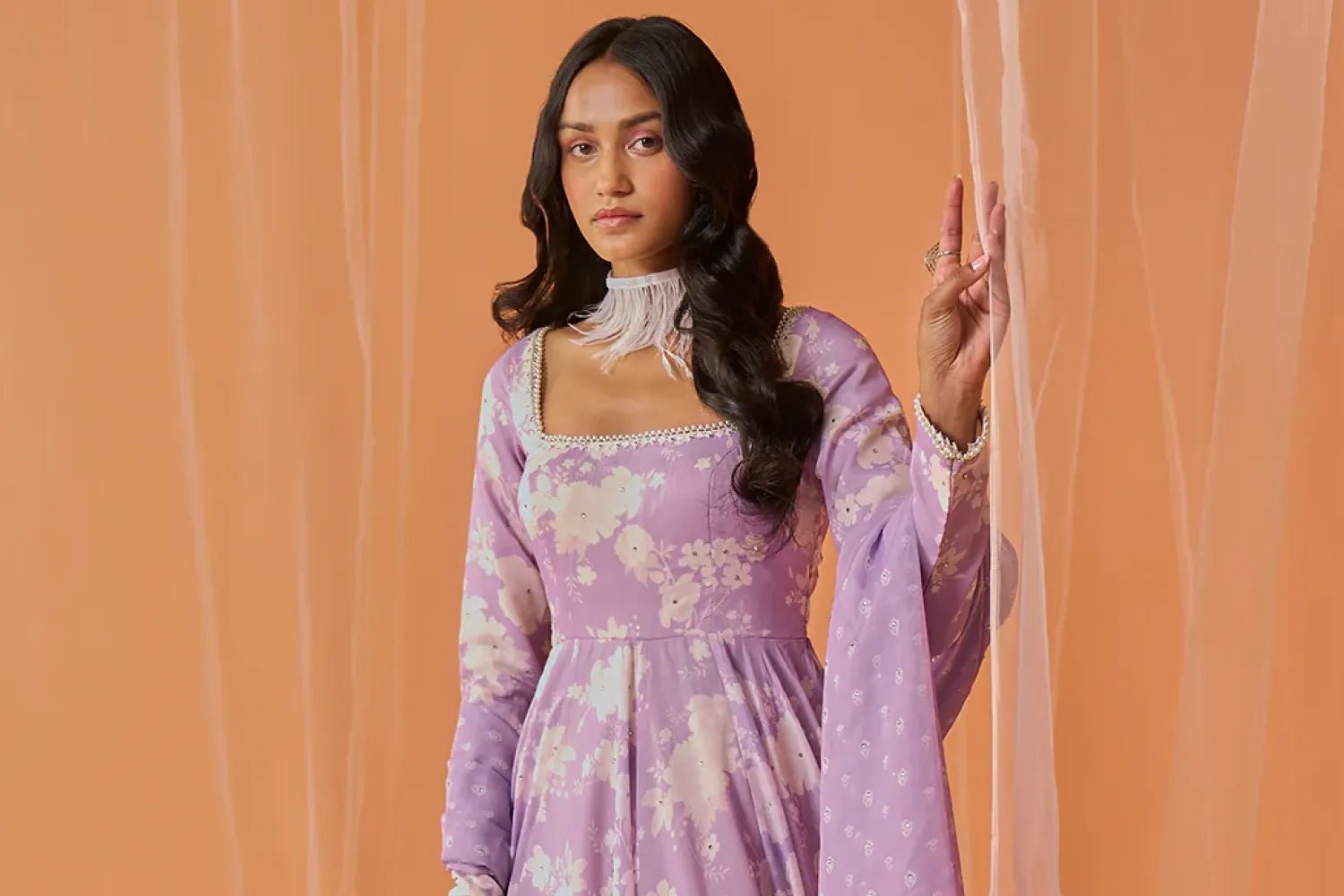
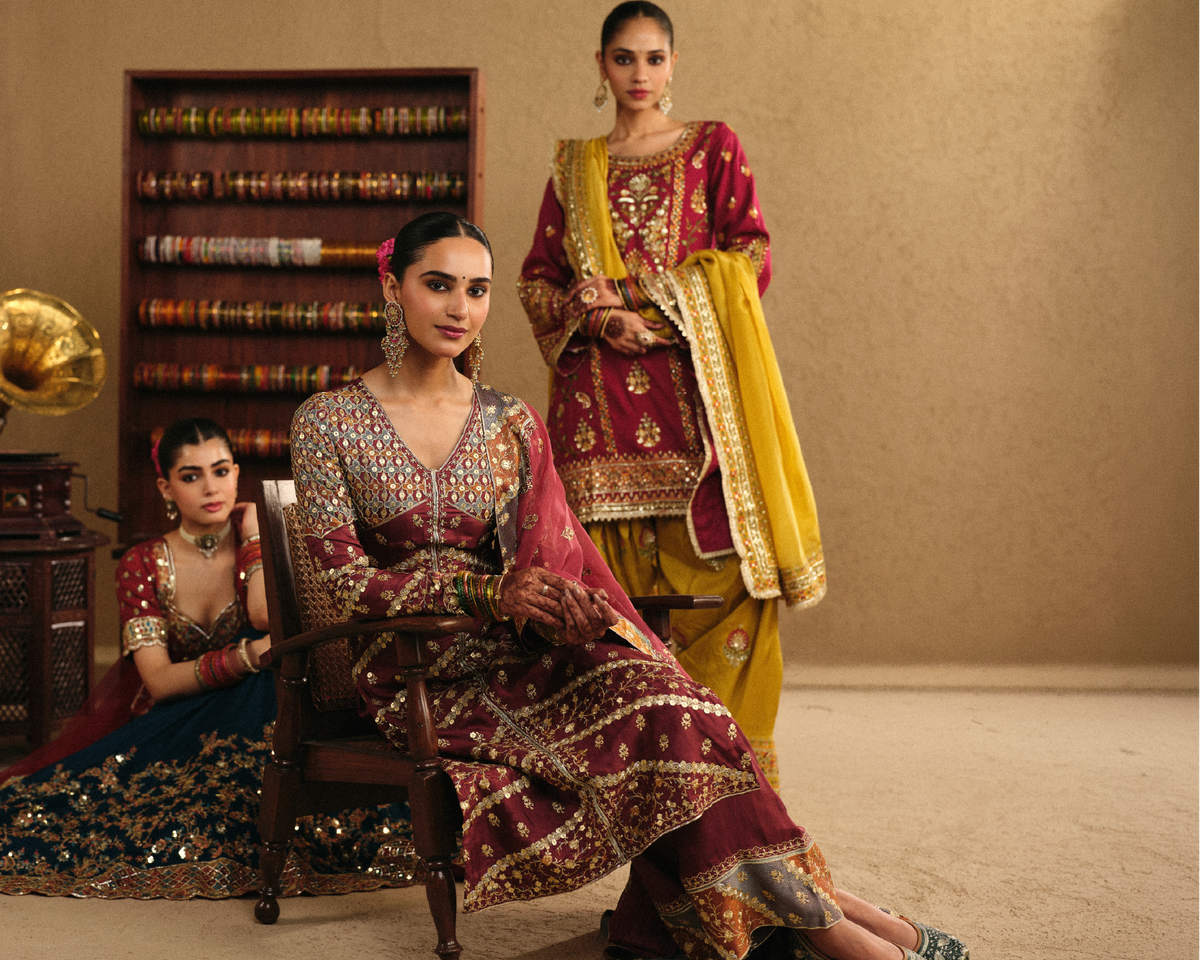
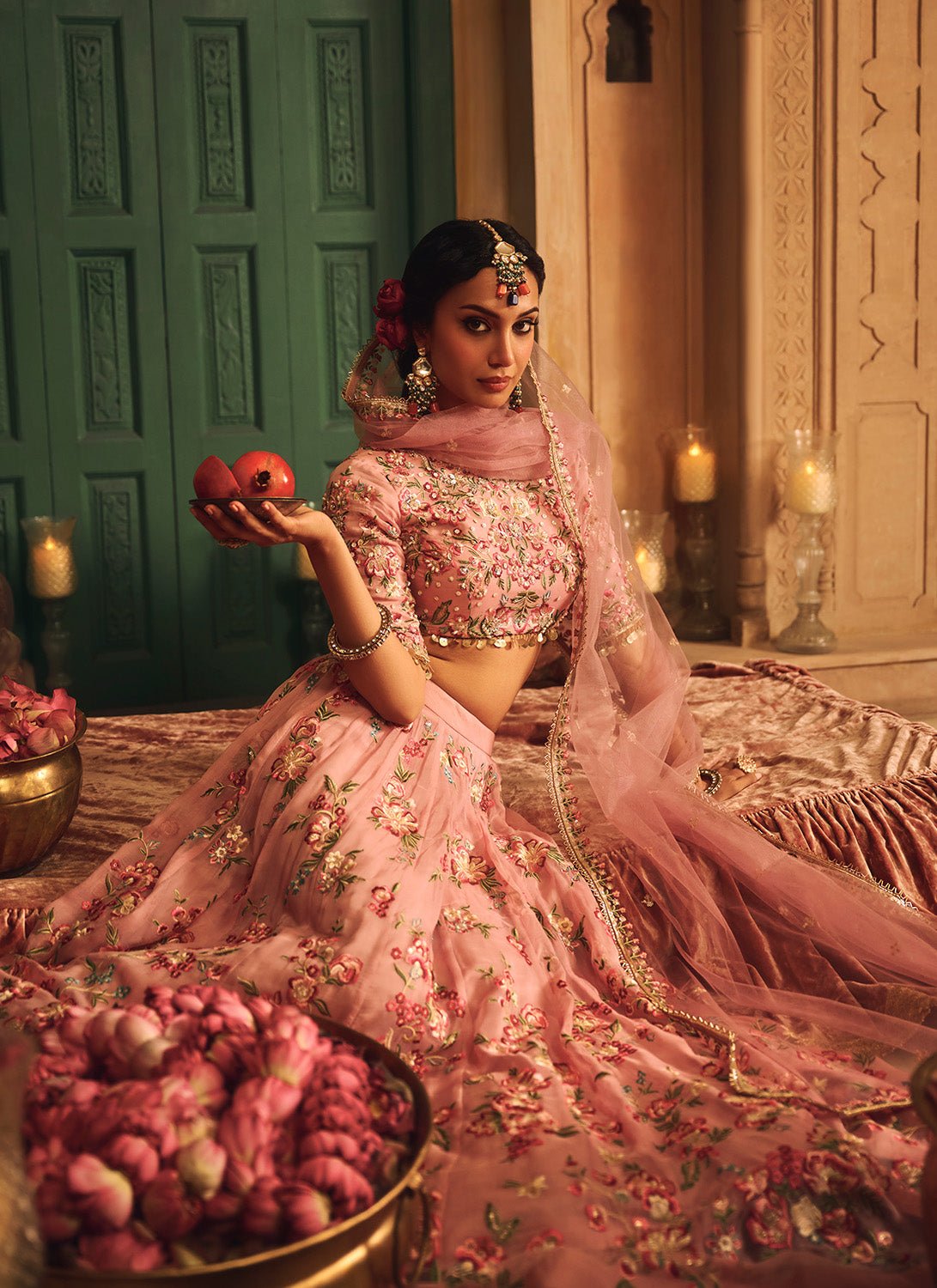
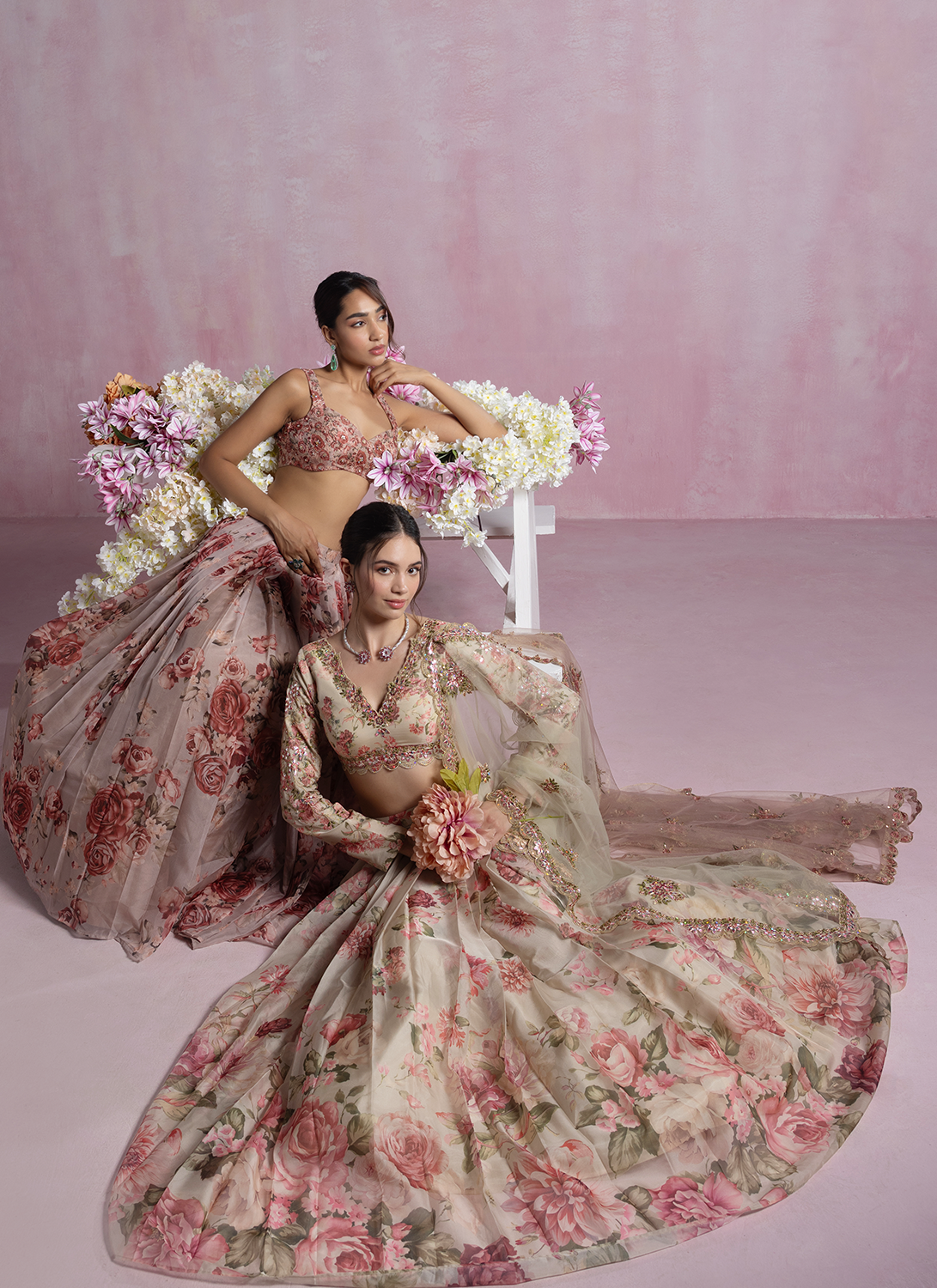
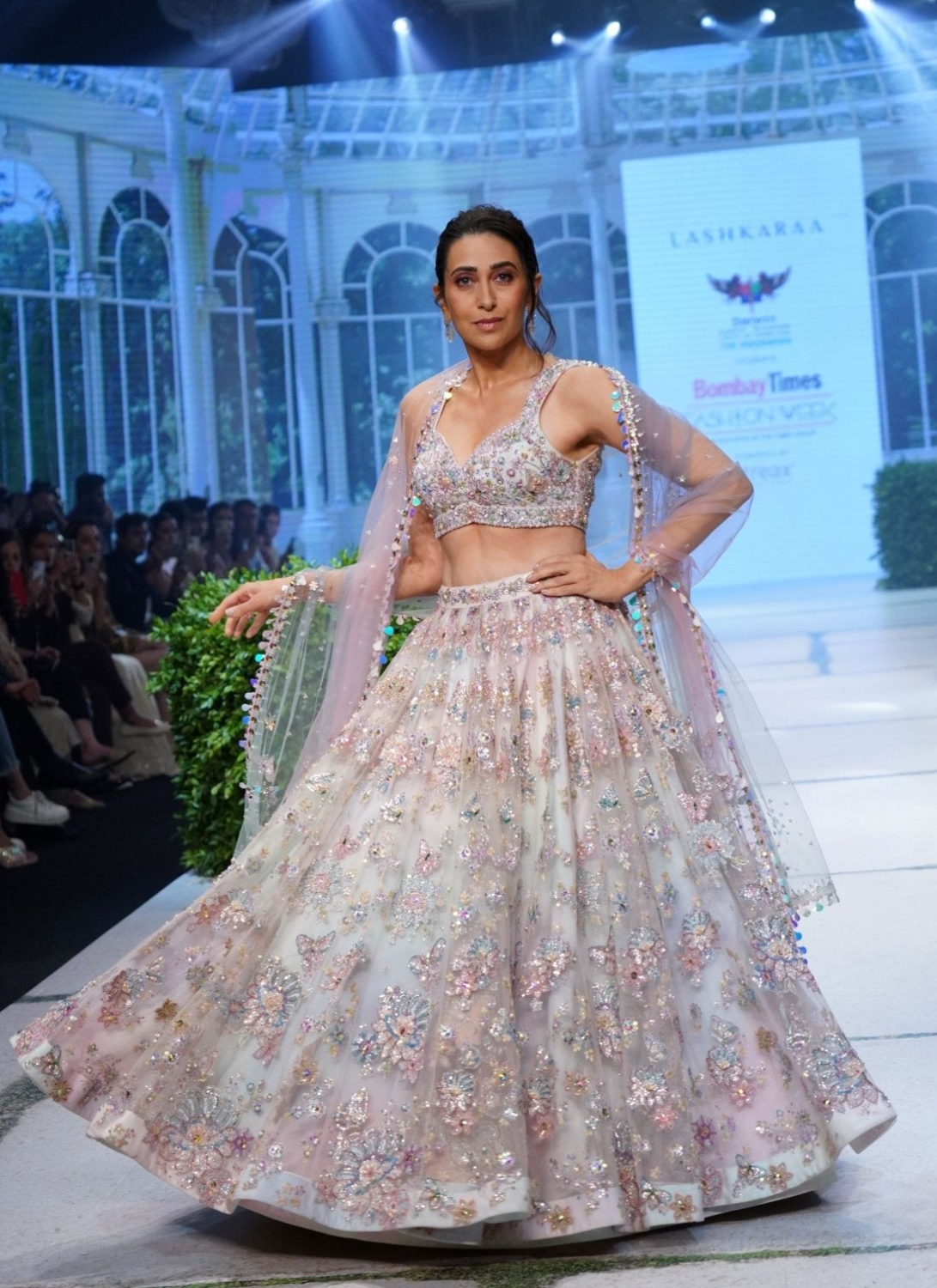
And when there’s a celebration, there is fashion associated with it. This time of joy, festivity, and community gatherings is often celebrated with vibrant clothing, both traditional Indian and slightly modern versions.
When is Makar Sankranti 2026?
The festival is observed around the same time every year, generally within a day or two of January 14th. In 2026, it will occur on January 14th.
It is worth noting that Makar Sankranti is part of a larger period of festivities, and the specific dates for related celebrations, such as Uttarayan in Gujarat and Pongal in Tamil Nadu, may vary depending on regional traditions and customs.
Rituals and Traditions
The rituals and traditions associated with Makar Sankranti may vary across different regions of India, reflecting the diversity of cultural practices. Some common rituals and traditions observed are kite flying, donning traditional clothing, and family gatherings.
Devotees often take a holy dip in sacred rivers, especially the Ganges, Yamuna, Godavari, and others. This act is believed to cleanse one of sins and bring spiritual purification during the festival. Special prayers and offerings are also given to the Sun God (Surya) during sunrise. They express gratitude for the Sun's warmth, light, and energy, which are crucial for life and agriculture. Special mantras and hymns dedicated to the Sun are chanted.
In some regions, particularly in North India, bonfires are lit on the night before Makar Sankranti. People gather around the bonfires, sing traditional songs, and perform rituals to ward off the winter chill. It is also a time for socializing and community bonding.
These rituals and traditions vary by region, but the underlying themes of gratitude, community, and the celebration of nature are common across the diverse observances of Makar Sankranti.
History of Makar Sankranti
The exact origin of the festival is unknown. However, it can be traced back to the times of the Aryans who worshiped the Gods to save and protect them from the harsh and cold winters. Most of the legends that surround Makar Sankranti involve the movement of the Sun from the Southern to the Northern hemisphere, from the Tropic of Cancer to the Tropic of Capricorn.
According to the Hindu mythology, there are many legends around the festival. Whether it is the Mahabharat legend, Lord Krishna Legend, or the Lord Shiva legend, among a number of legends that the Indian mythology boasts, Makar Sankranti is a time to be grateful for the offerings of the sun and all that its energy brings, efforts of purifying ourselves from sins (by taking a dip in holy water) and enjoying the festival of joy and lightness through kite flying.
While the historical and mythological aspects of Makar Sankranti are diverse, the festival is celebrated with a common thread of expressing gratitude to nature, celebrating the changing seasons, and seeking blessings for prosperity and well-being. The stories and traditions associated with Makar Sankranti vary across different regions of India, adding richness and diversity to the celebration.
What Can You Wear On Makar Sankranti?
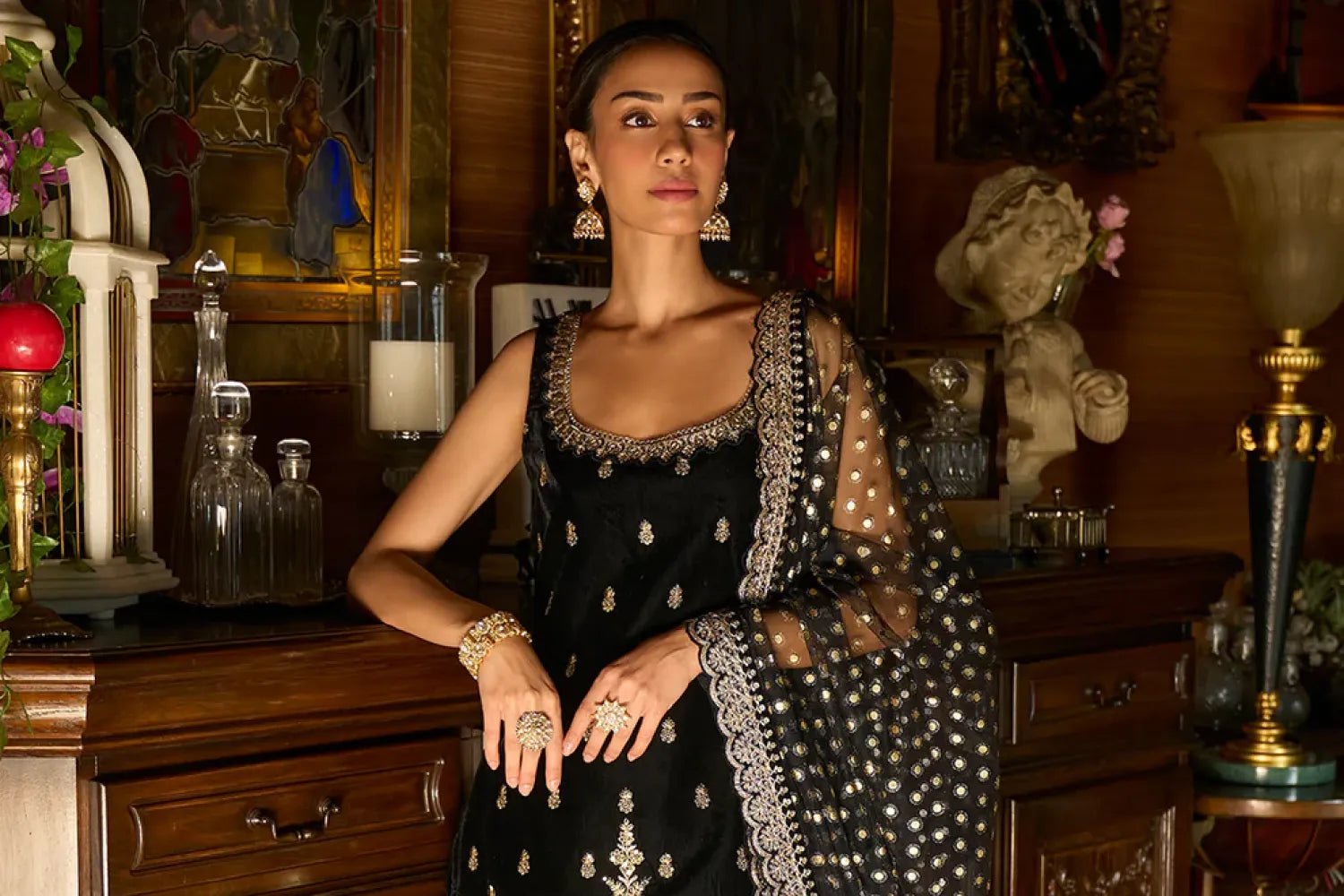
The most popular color worn on Makar Sankranti is black. Whether it is a Kanjeevaram brocade sari or a chiffon one, a saree makes a statement like no other.
For Women

Lashkaraa’s Black Embroidered Silk Saree is the ideal outfit for the occasion. The luminous flow and softness of the silk is bound to keep you warm against the winter winds while embodying the beauty of the night sky draped in the colour suited for the occasion.

Other styles like our Black Embroidered Crepe Silk Gharara and Black Embroidered Punjabi Suit are elegantly understated options in the shade.

For Kids

You can also dress your family for the Makar Sankranti celebrations in the same shade for a coordinated look. Our Girl's Black Multicolor Embroidered Patiala Suit is a festive yet comfortable wear for your daughter, and our Boy's Black Embroidery Silk Kurta Set is a refreshingly elevated look for your son.
For Men

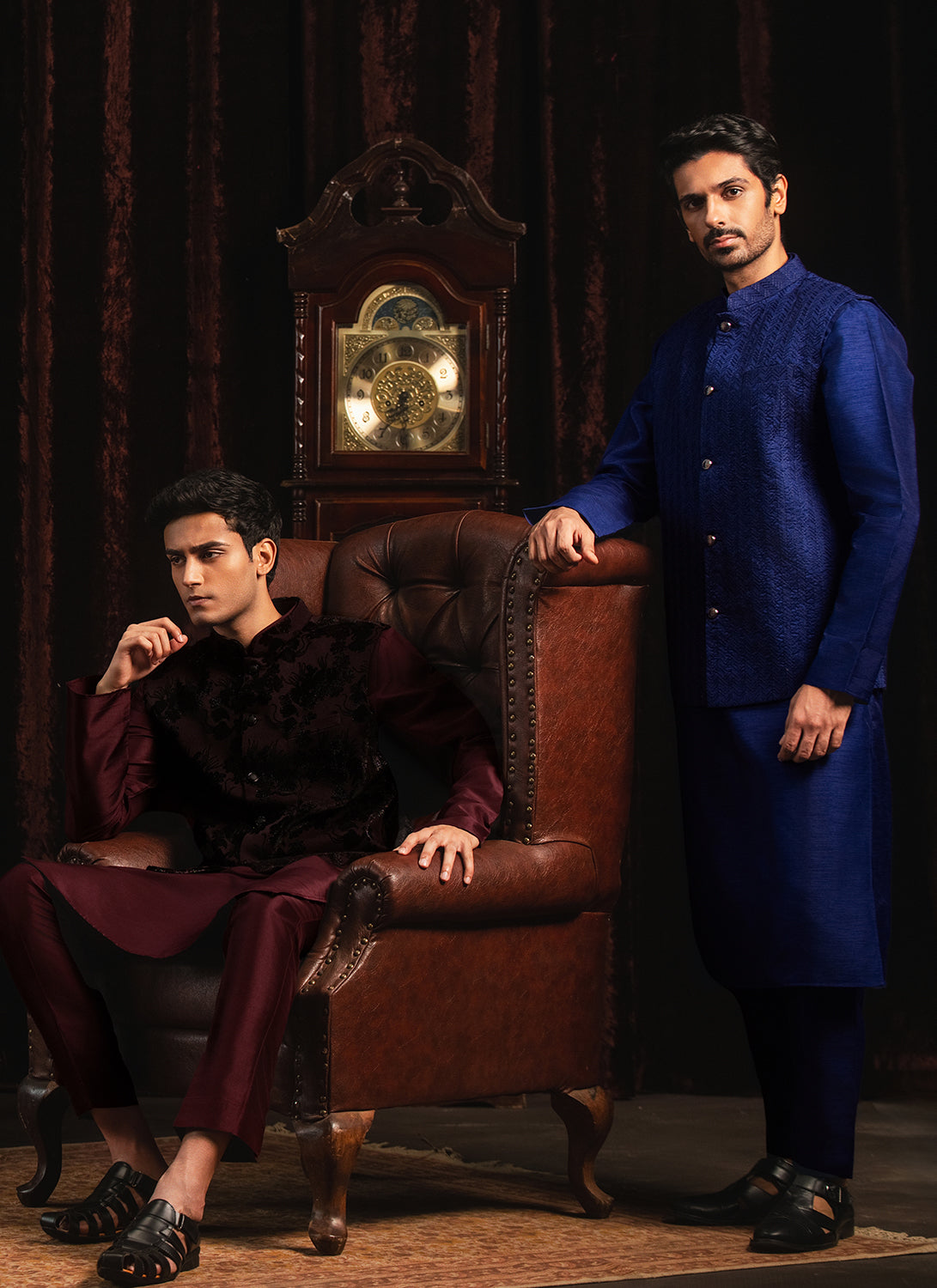
For the man in your life, you can choose between our Black Foil-Printed Kurta Set for a look that embodies celebrations or the Black Embroidered Kurta Set for a simpler yet sprightly style.
Makar Sankranti, A Season to Gratitude
As most change-of-season festivals go, Makar Sankranti beckons familial bonds, gratitude, and auspiciousness, all of which one often dresses up to receive. As the skies are painted with bright kites and homes filled with festive delicacies, our style becomes a way for communities and people to express the spirit of the season.
Styling the season in our festive wear crafted to echo the heritage of India is a poignant reminder of how art, style, and traditions evolve over time. Let this Makar Sankranti be a reminder of the harmony between nature, culture, and the human spirit in a celebration that unites India in shared joy, no matter where or how it is celebrated.
To learn more about other Indian Festivals, read our expert guide!


Written by Sumeer Kaur