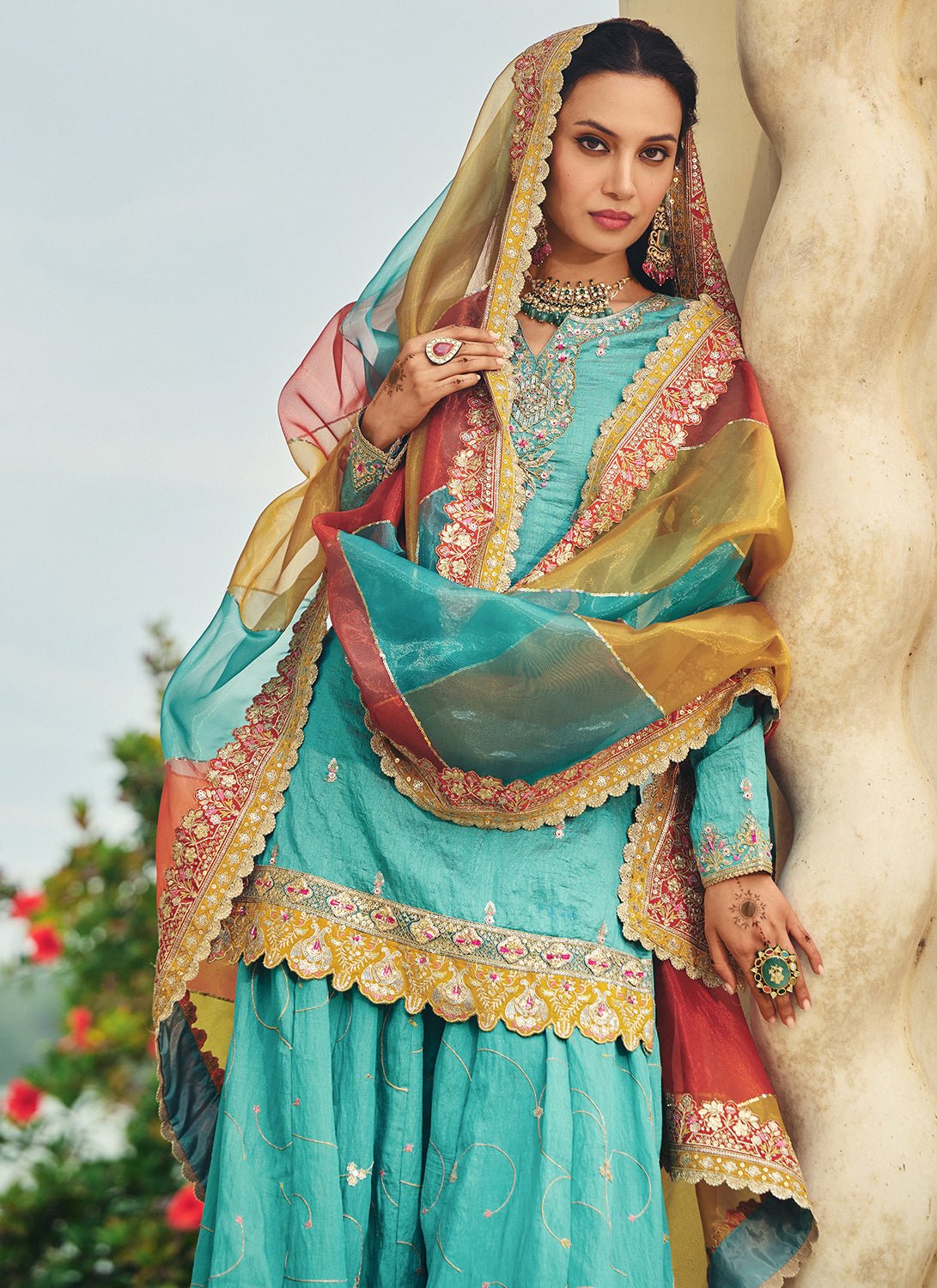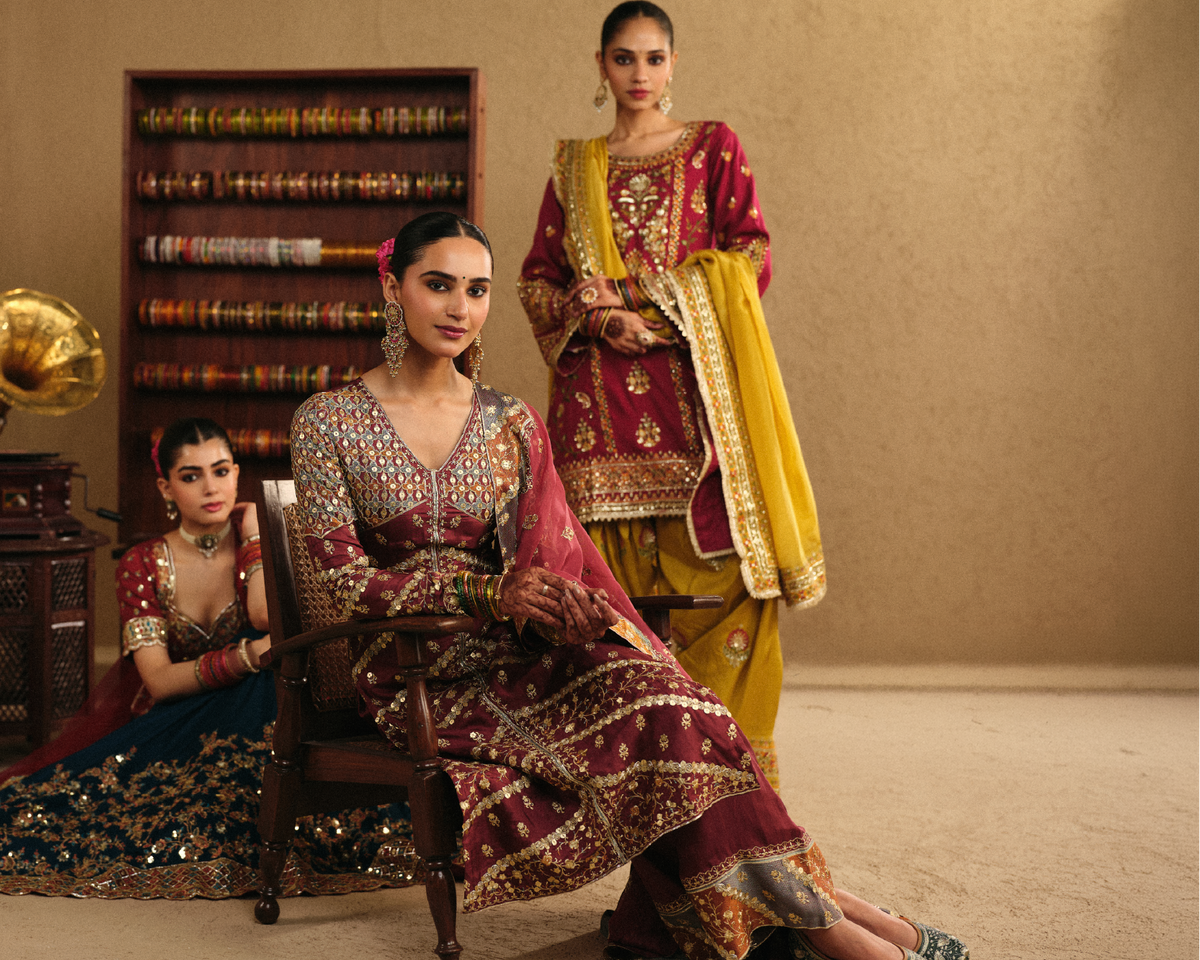
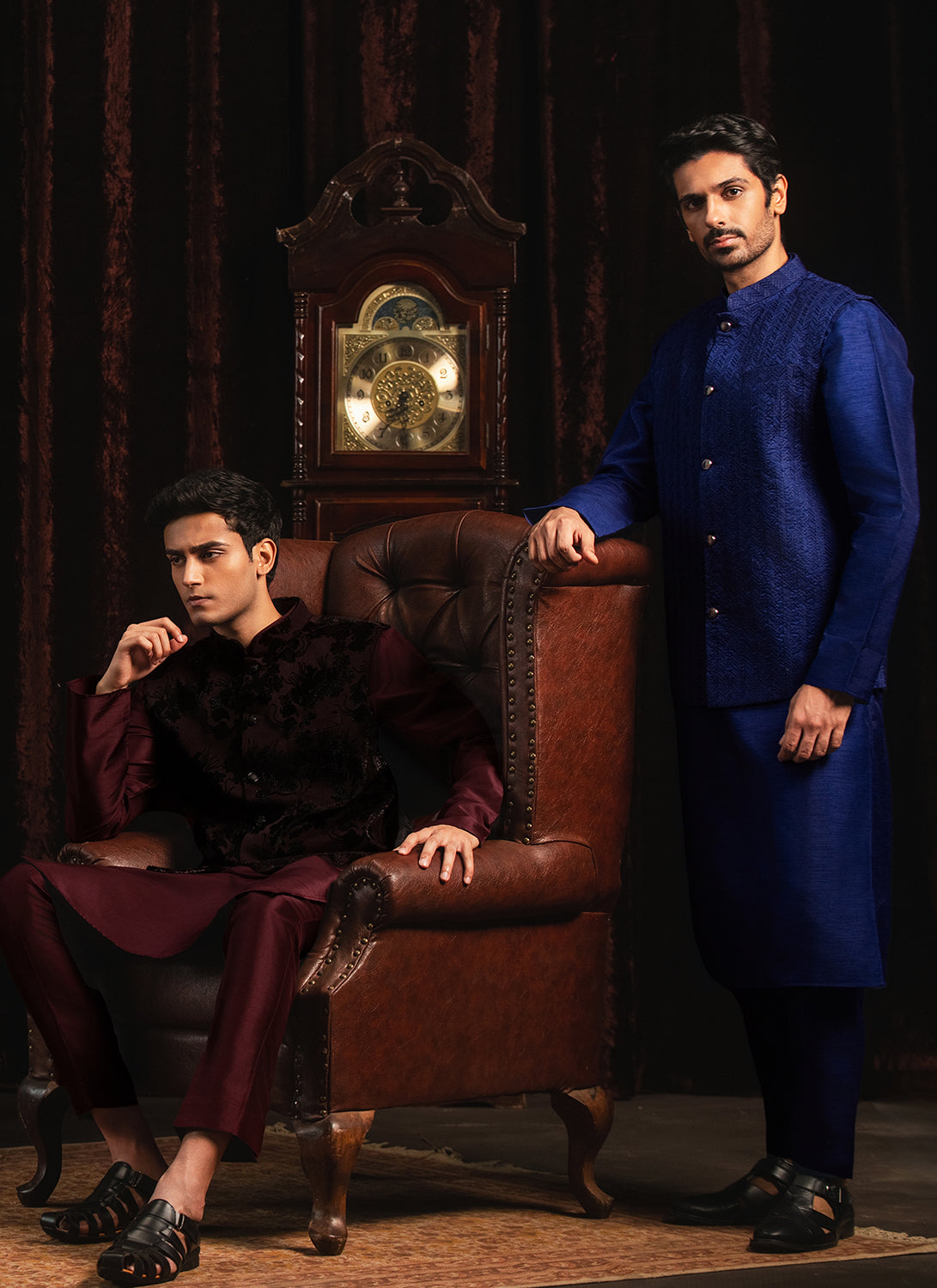
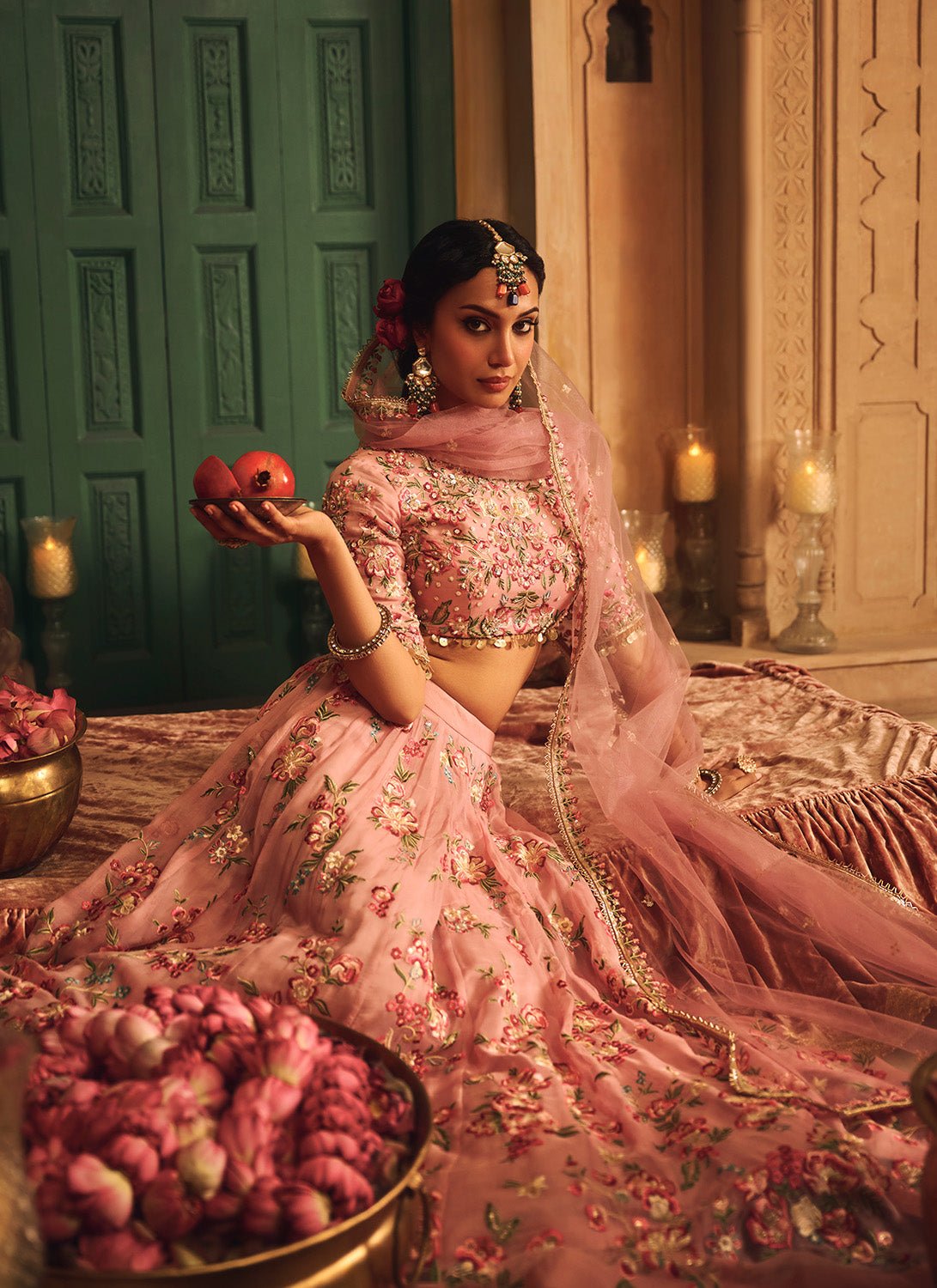

Makar Sankranti and Uttarayan Outfits: Regional Traditions and What to Wear
Every January, the sky fills with kites, kitchens fill with sesame and jaggery sweets, and families across India celebrate the sun's journey into a new season. The festival goes by many names, and each region has its own way of marking it, including what to wear. This guide explains the traditions behind the celebration and shares sarees that suit the day, whether you are planning a Makar Sankranti outfit for a family gathering or an Uttarayan outfit for a day of kite flying and feasting.
One Festival, Many Names
Makar Sankranti marks the day the sun enters the zodiac sign of Capricorn, and it usually falls around January 14. Because it is tied to the harvest and the lengthening of days, it is celebrated across the country under different names. In Gujarat it is Uttarayan, famous for kite flying and festive food. In Punjab, the evening before is celebrated as Lohri. In Tamil Nadu it blends into Pongal, in Assam it is Magh Bihu, and in Maharashtra it is a time to exchange sesame and jaggery sweets with the greeting "til gul ghya, god god bola."
The foods, the games, and the clothes all vary, but the spirit is the same: gratitude for the harvest, warmth in the cold, and time with family.
Makar Sankranti Outfit: Colors and Traditions
The right Makar Sankranti outfit depends on where and how you celebrate. A few color traditions are worth knowing.
Black in Maharashtra. Black is often avoided on auspicious occasions, but Makar Sankranti is a well-known exception in Maharashtra. Women commonly wear black sarees on the day, and a popular explanation is that black absorbs warmth, which suits the winter season. It is a tradition many families still follow, often paired with sesame-based sweets and haldi-kunku gatherings.
Yellow and orange for the sun. Because the festival celebrates the sun, warm shades like yellow, orange, and gold are popular across regions, and they look especially bright against a clear winter sky.
Green for the harvest. Green reflects fresh crops and new growth, making it a natural choice for a festival rooted in agriculture.
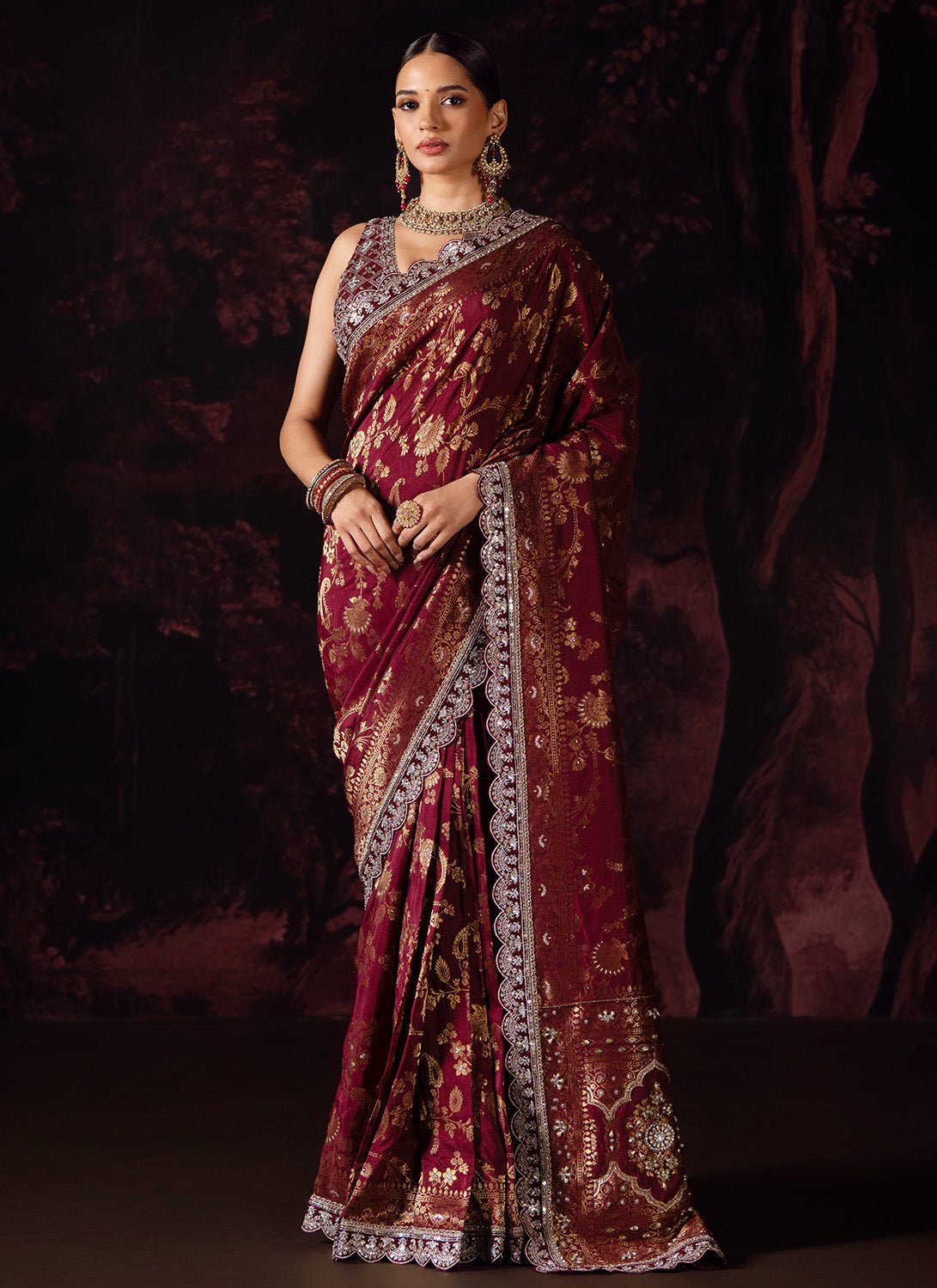
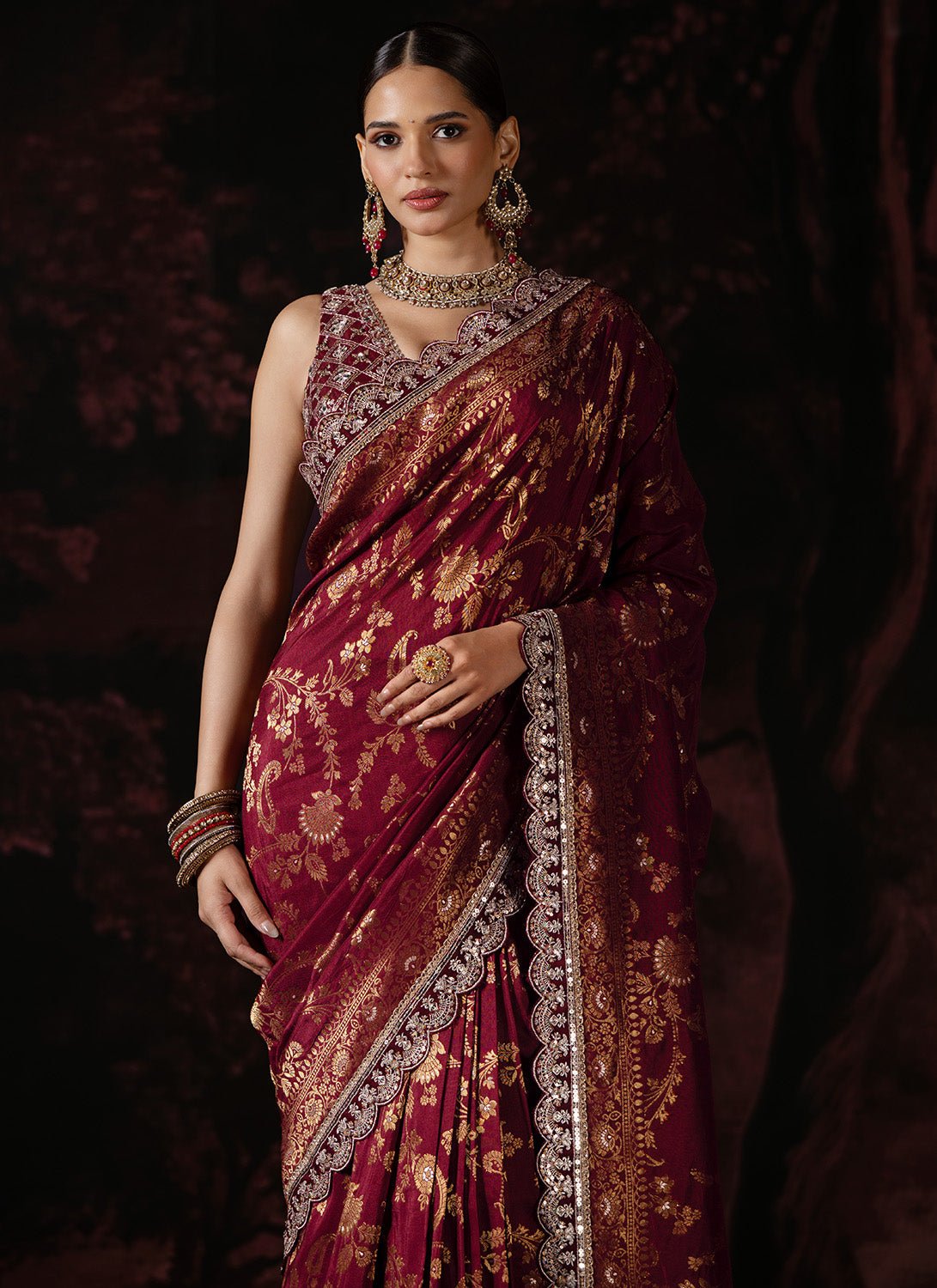
Rich burgundy and deep tones. Deeper colors feel at home in the cold, and they photograph beautifully at evening gatherings.
If you are unsure, check with your family about local customs, since traditions vary from household to household.
Black Saree for Sankranti
For many families, a black saree for Sankranti is the heart of the day's wardrobe, and it is a look that feels both traditional and strikingly elegant. A black saree pairs beautifully with gold jewelry, and a contrasting blouse or bright dupatta can add a festive touch.
Three options to consider:
- The Black Embroidered Silk Saree is a classic, with the rich drape that silk is known for.
- The Black Embroidered Silk Saree (style 2) offers another take on the same silk base, with its own embroidery details.
-
The Black Floral Embroidered Crepe Silk Saree adds floral embroidery and a softer crepe silk finish, ideal for a gentler, more feminine look.

A black saree for Sankranti works especially well when you add traditional jewelry. Many Maharashtrian families also use "halwa" jewelry, made of sugar-coated beads, for children and newly married women on their first Sankranti, adding a sweet, symbolic detail to the black saree look.
Uttarayan Outfit: Dressing for Kites and Rooftops
An Uttarayan outfit has to balance festivity with practicality. In Gujarat, the day often starts early on a rooftop, with hours of kite flying, snacks like undhiyu and chikki, and plenty of sunshine. Comfort and ease of movement matter more than usual.
Bright colors are the tradition. Yellow, orange, and other vivid shades suit the energy of the day and look cheerful against a sky full of kites. For the rooftop itself, many people choose comfortable, lightweight clothing, then change into a saree for the afternoon or evening gathering with family. Sarees work beautifully for the celebration and meal that follow.
Here are four sarees that suit the festive side of Uttarayan:
- The Orange Floral Printed Organza Saree is light and airy, a cheerful pick for a daytime gathering.
- The Yellow Floral Embroidered Crepe Silk Saree brings a sunny shade with floral embroidery in a fluid crepe silk.
- The Yellow Embroidered Silk Saree offers a richer silk option for a more formal family event.
-
The Yellow Embroidered Tissue Saree adds a subtle sheen that catches the afternoon light.

Whichever saree you choose, an Uttarayan outfit is best finished with comfortable footwear and a light wrap for cooler mornings.
Greens and Burgundy: More Festive Choices
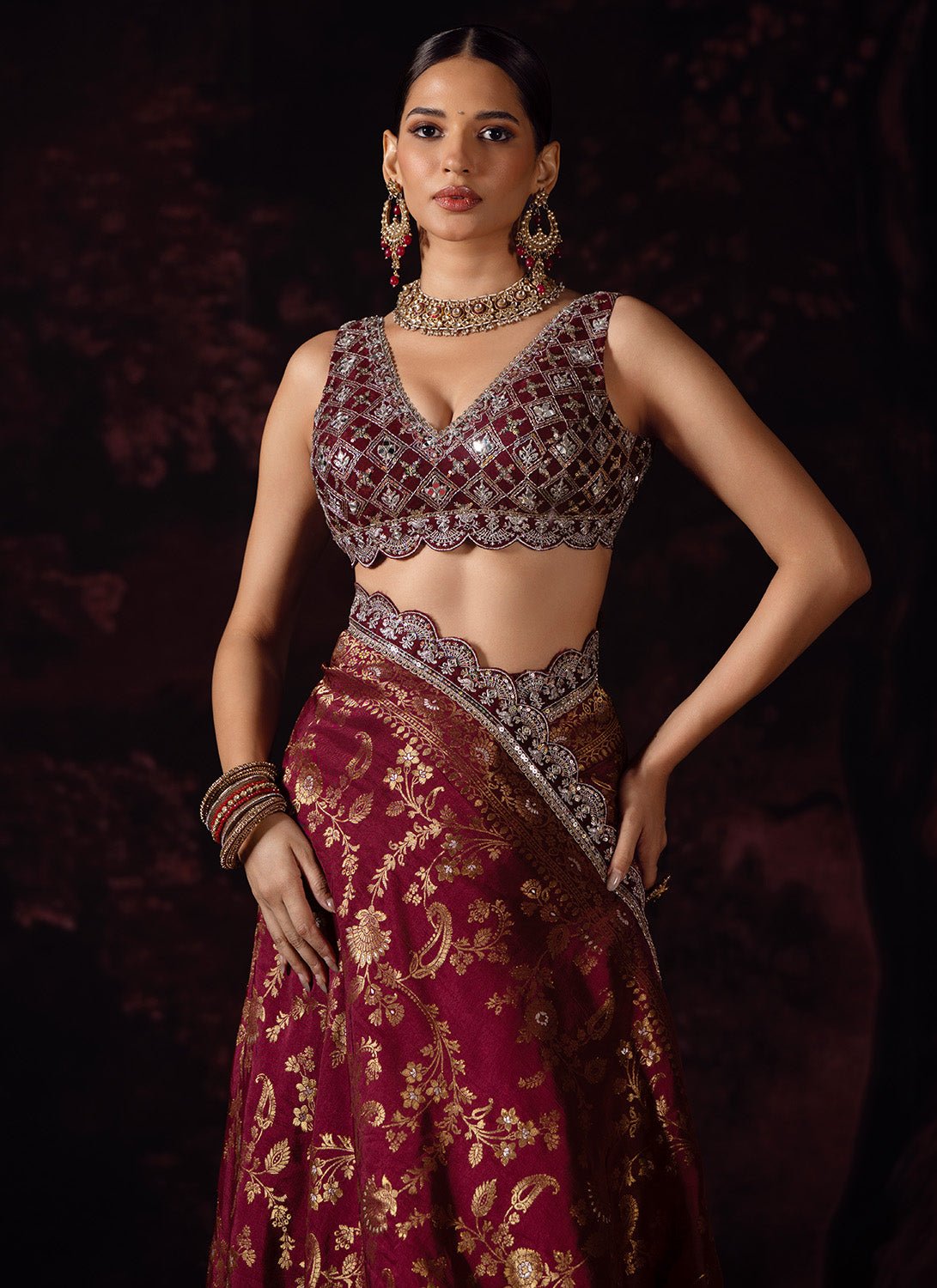
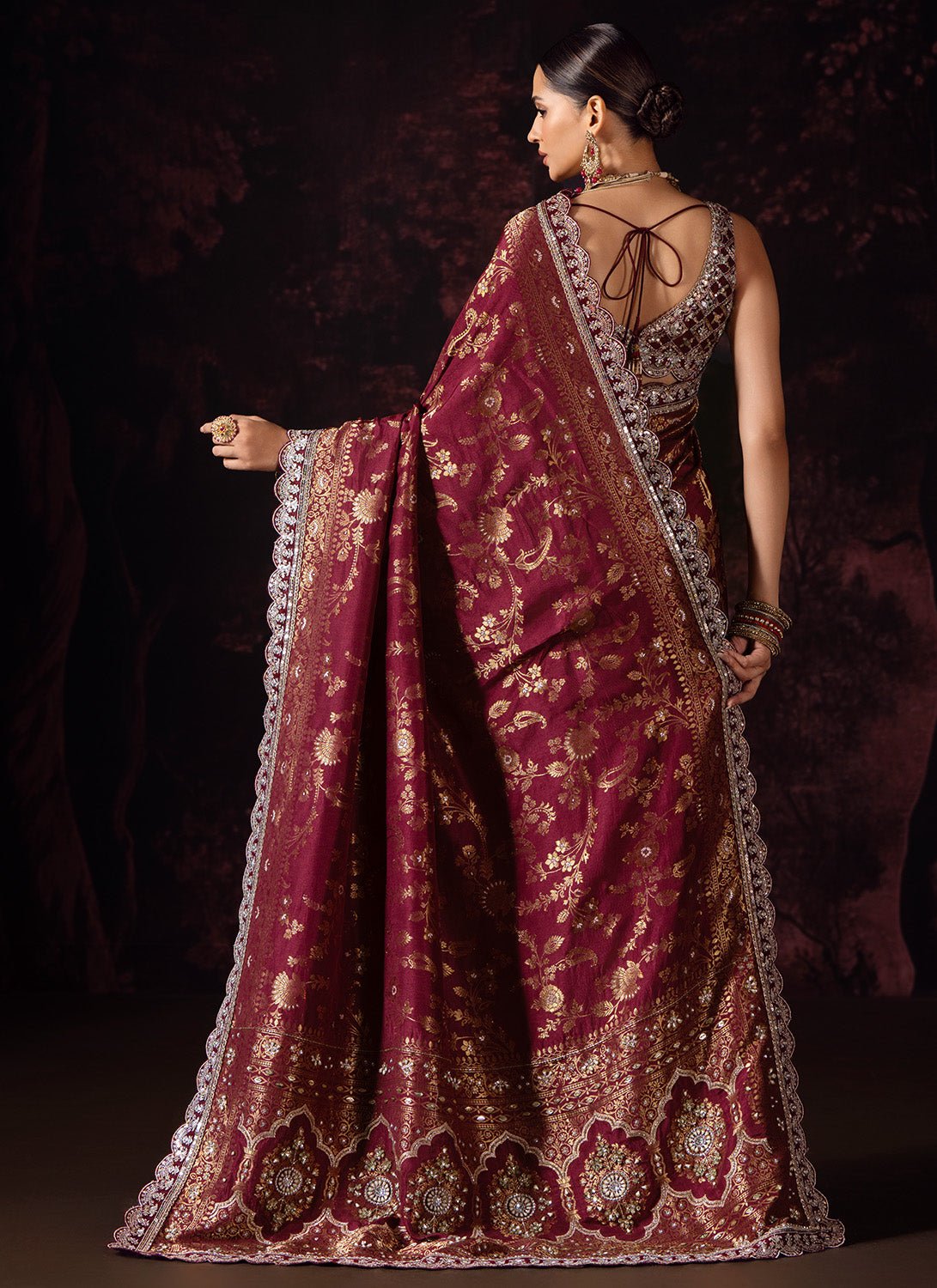
If you would like something beyond black and yellow, green and burgundy are lovely alternatives for any Sankranti celebration. The Green Embroidered Silk Saree brings a classic harvest green, while the Moss Green Embroidered Tissue Saree offers a softer, earthier shade with a luminous finish. The Deep Burgundy Embroidered Silk Saree delivers a rich, wintry tone that suits evening gatherings. Any of these can serve as a polished Makar Sankranti outfit for guests who prefer a different color story.
Practical Styling Tips for a January Celebration
Sankranti falls in the cold of mid-January, so plan for the weather.
- Layer thoughtfully. A shawl or light jacket over your saree keeps you warm during morning rituals or outdoor festivities.
- Choose a full or three-quarter sleeve blouse. It adds warmth without hiding your outfit.
- Pick comfortable footwear. You may be walking on rooftops, lawns, or temple grounds, so flat, closed shoes are practical.
- Keep the drape secure. If you will be outdoors in the wind, pin your pallu well, especially on a kite-flying day.
- Choose jewelry that moves with you. Light earrings and bangles are easier than heavy sets for a full day of activity.
A Quick Guide by Region
For a fast reference, here is how outfits often line up across the celebrations:
- Maharashtra: A black saree, often with gold jewelry, for til-gul gatherings.
- Gujarat: A bright yellow or orange saree for Uttarayan, with comfortable layers for the rooftop.
- Punjab: Warm, colorful clothing for the Lohri bonfire the evening before.
- South India: Traditional silk sarees for Pongal celebrations.
These are general patterns rather than rules, and every family has its own customs.
Wrapped in Warmth: Your Sankranti, Dressed
Whether you are choosing a Makar Sankranti outfit rooted in Maharashtrian tradition, a bright Uttarayan outfit for a day of kites, or a classic black saree for Sankranti for a family gathering, the best choice reflects both the occasion and your own comfort. Pick colors that honor the sun and the harvest, layer for the cold, and enjoy the sweets, the sky, and the company.
Browse the newest styles in our sarees collection and choose the one that makes your celebration feel special and pair them with our collection of Indian jewellery that compliments your outfit of choice.