What is a Salwar Kameez? History, Styles, & More
Indian ethnic wear spans from saris and lehengas to salwar kameez. The variations to each style are many, and no Indian ethnic wardrobe is complete without a pair of salwar suits. This super-versatile style can be worn for office events, Hindu celebrations, Indian festivities, and everyday wear. Its enduring appeal lies in its ability to balance comfort with elegance, making it a trusted choice across generations, regions, and occasions.
Beyond versatility, the salwar kameez holds cultural significance that few garments can match. It seamlessly adapts to India’s diverse traditions, whether it's intimate family gatherings or grand celebrations. A lightly embroidered cotton suit feels perfectly appropriate for a daytime puja, while richly adorned silk or georgette styles effortlessly rise to the drama of a wedding.
Whether you choose to style minimally or layer with statement accessories, the salwar kameez offers an ease of wear that complements both modern lifestyles and traditional sensibilities.
What is a Salwar Kameez?

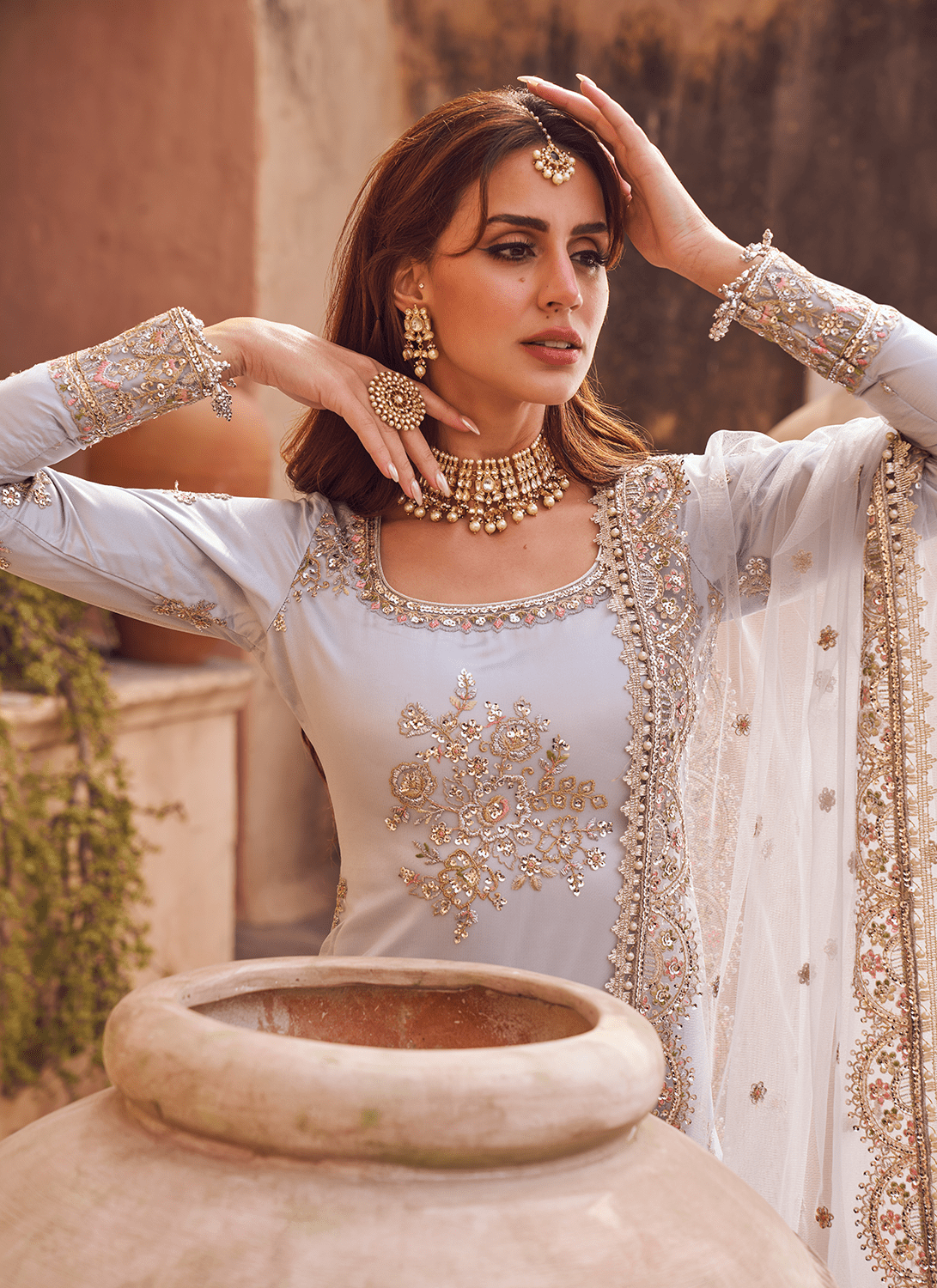
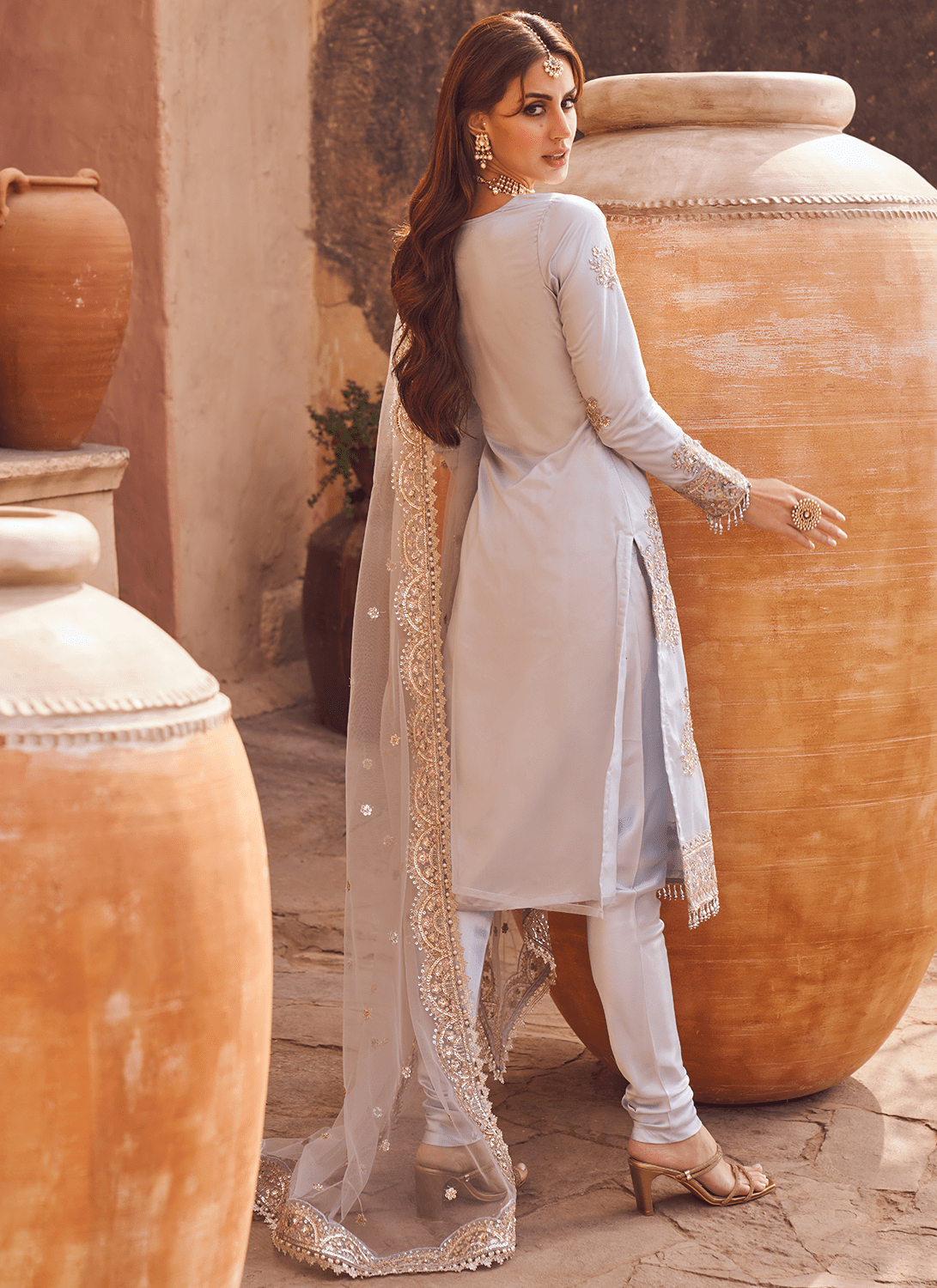
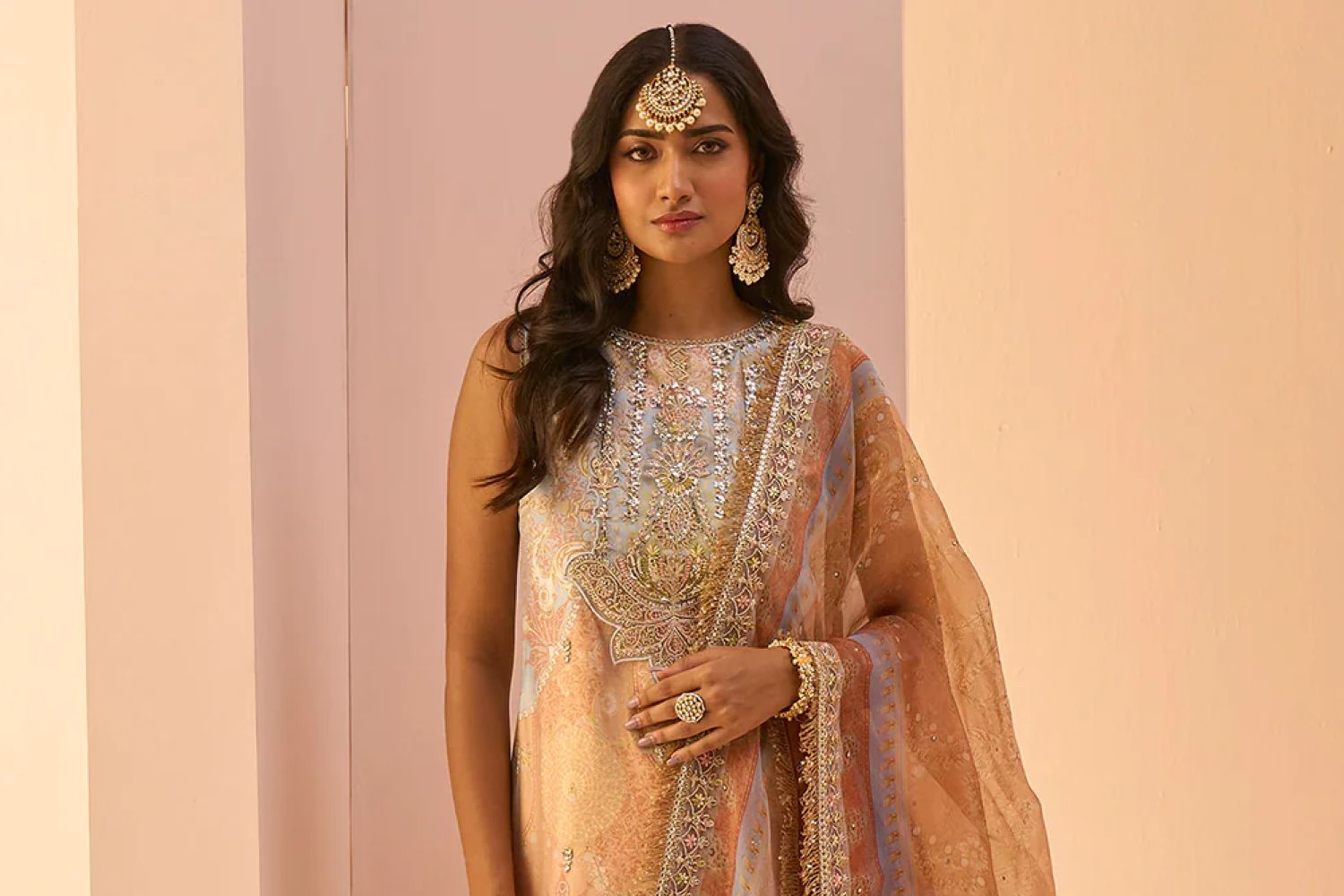
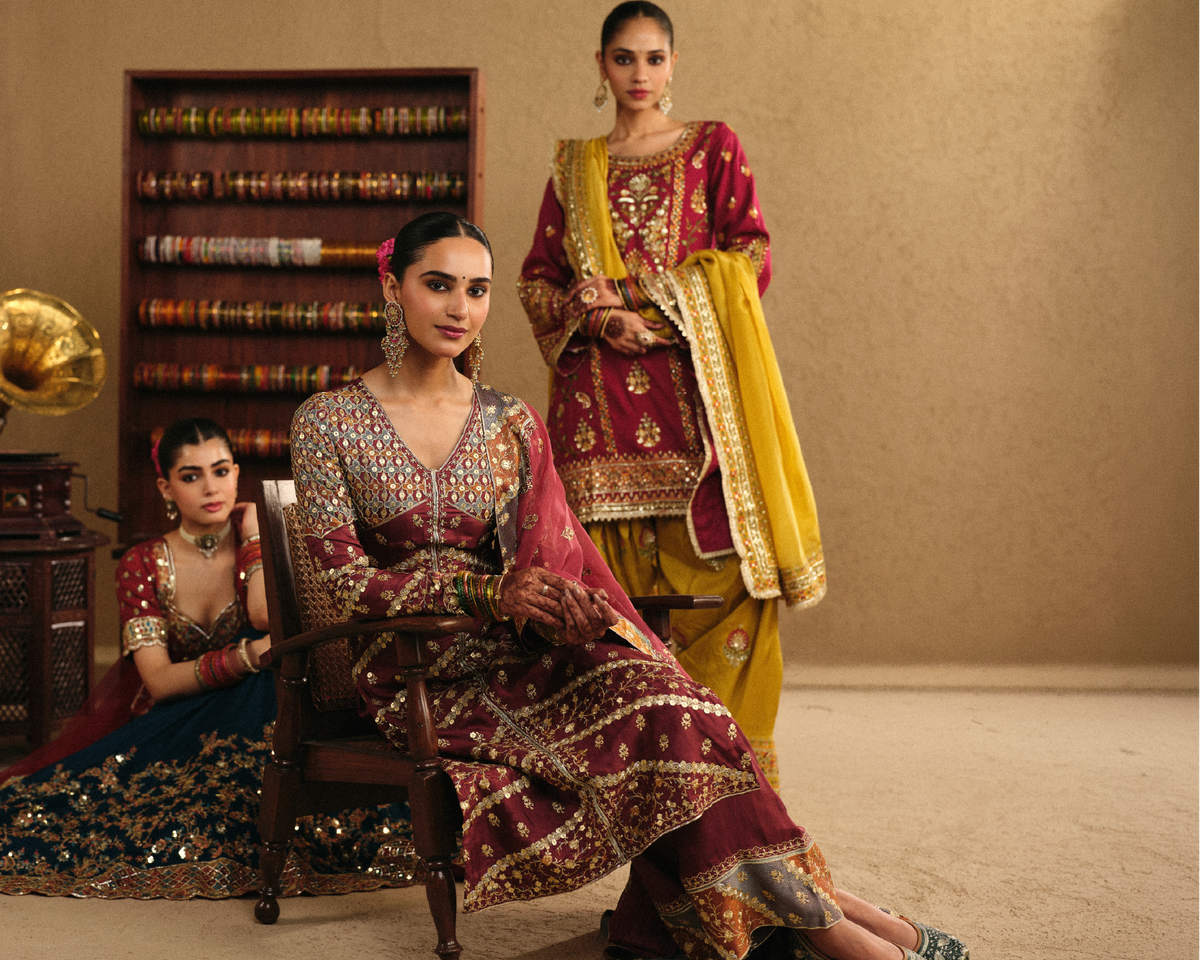
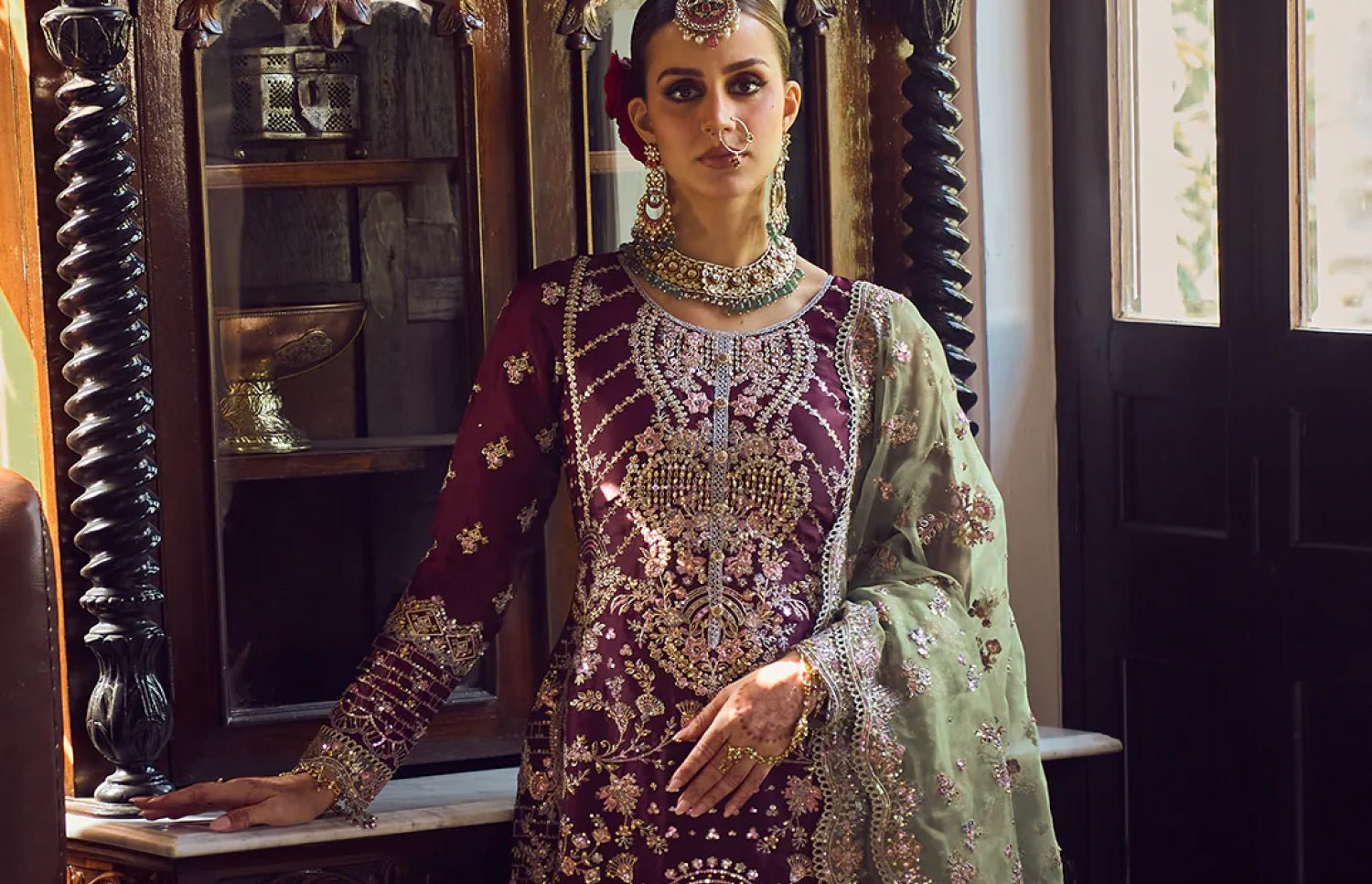
A salwar kameez is a traditional South Asian outfit consisting of three key elements: the kameez, a tunic-style top; the salwar, a pair of trousers that can range from fitted to voluminous; and the dupatta, a coordinating drape or scarf.
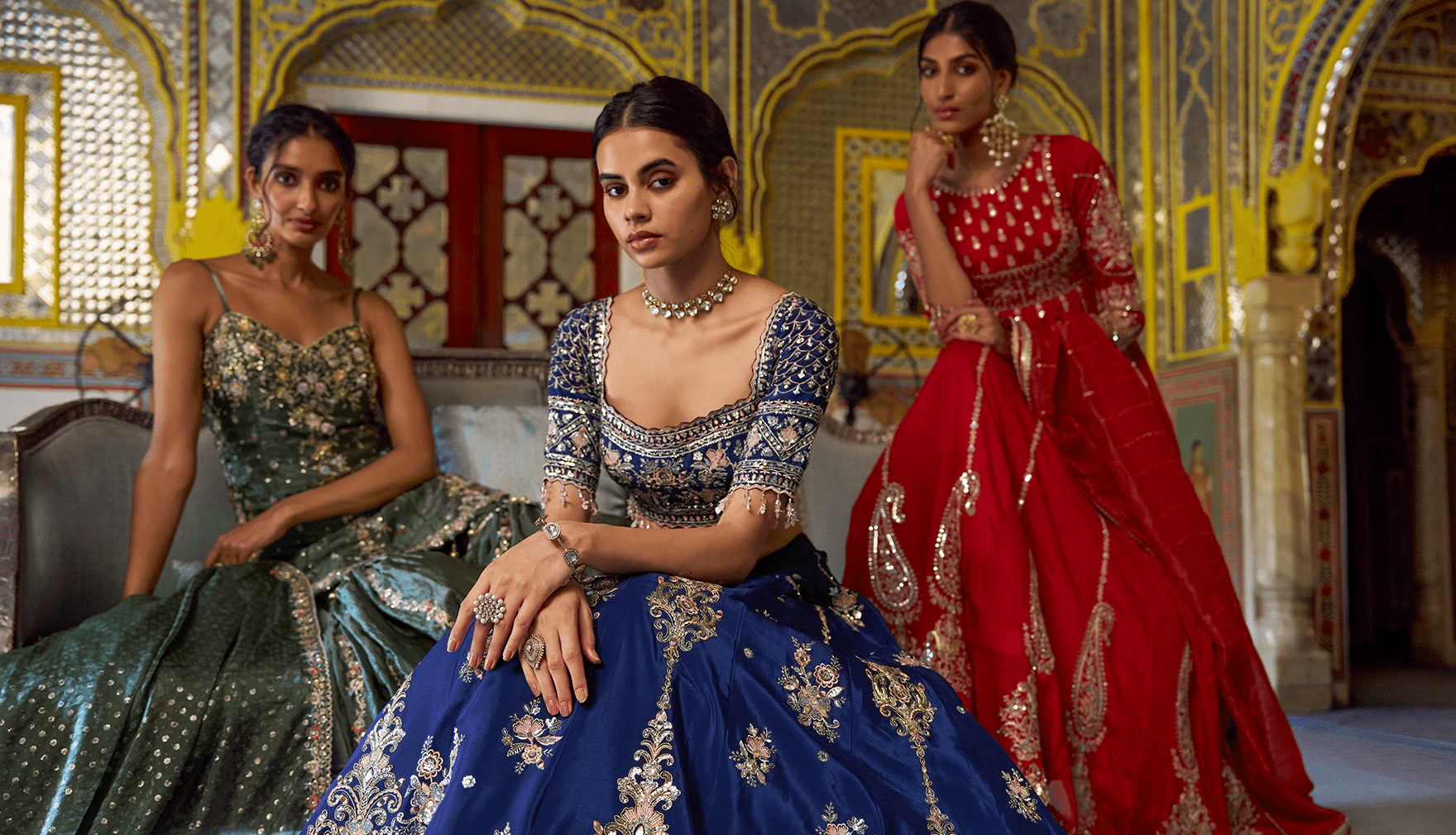
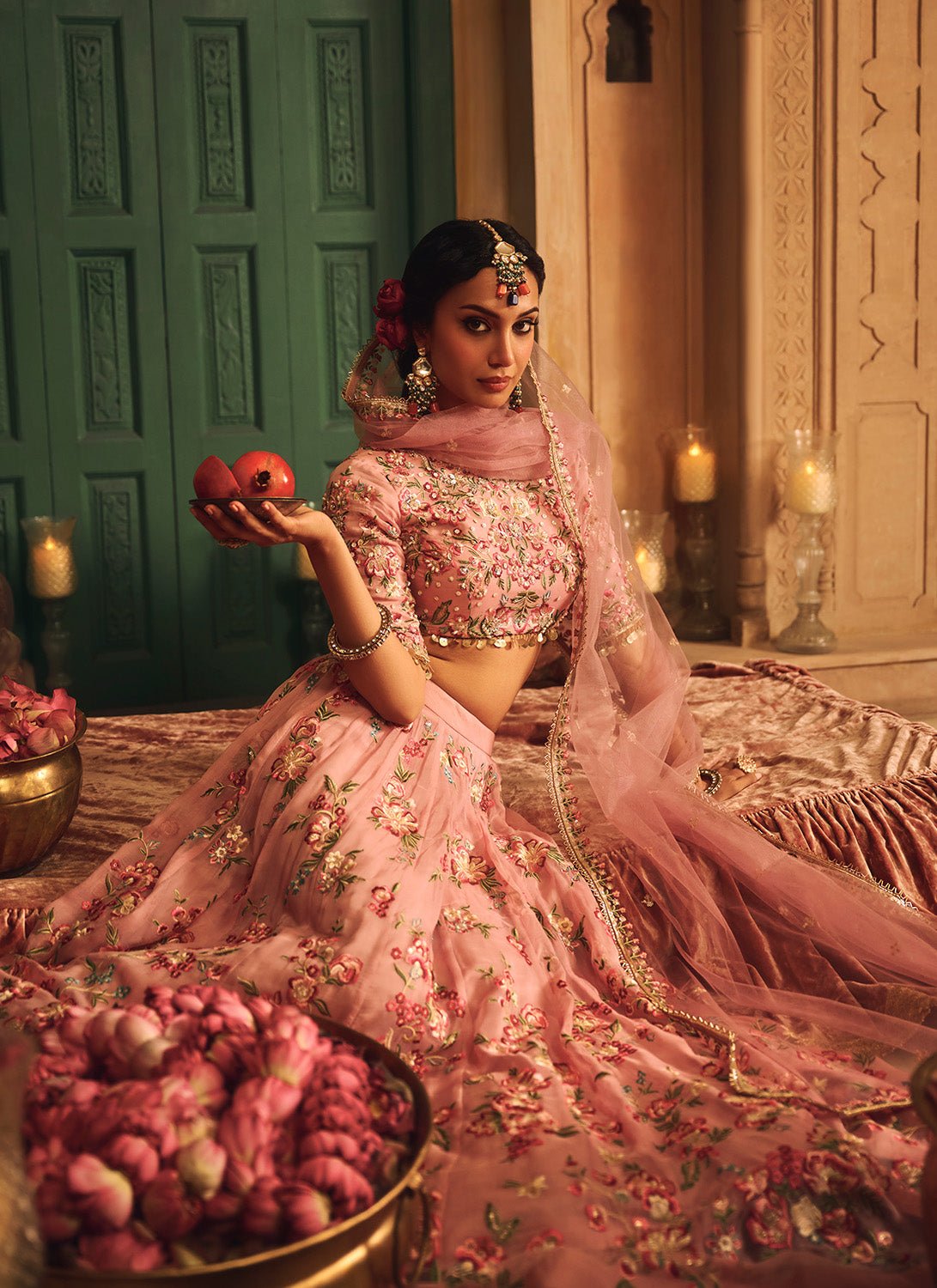
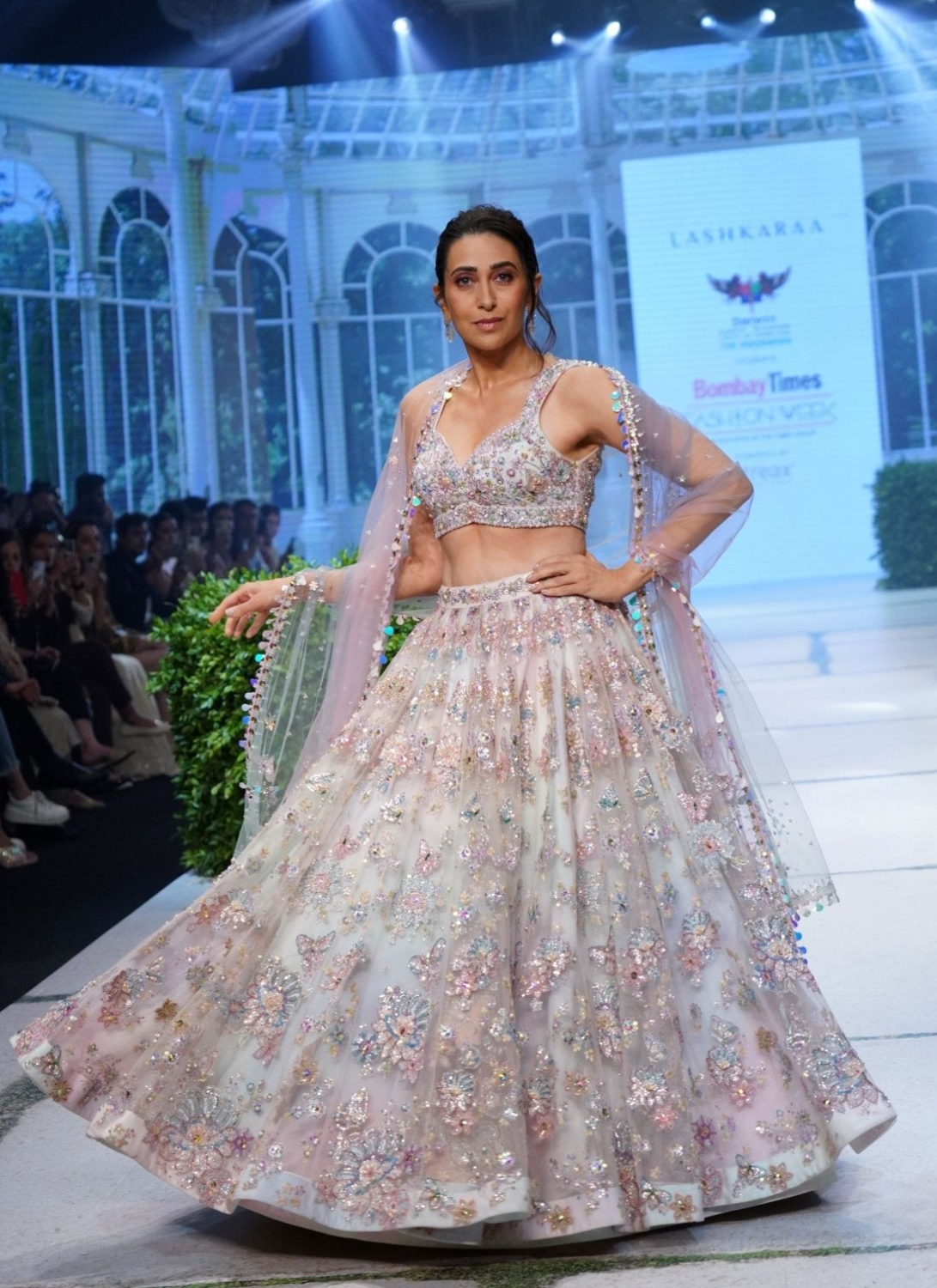
The fluid relationship that salwar kameez has with Indian festivities is what makes it a culture-wide favorite. For festive celebrations like Diwali or Rakhi, vibrant hues, zari accents, and delicate embellishments dominate, reflecting the joyous spirit of the events. During Navratri, playful colors, mirror work, and flowing dupattas echo the celebratory energy of dance and devotion. Wedding functions invite more opulent interpretations: think floor-length Anarkalis, heavily embroidered straight-cut suits, and regal palazzo pairings that effortlessly rival lehengas in grandeur.
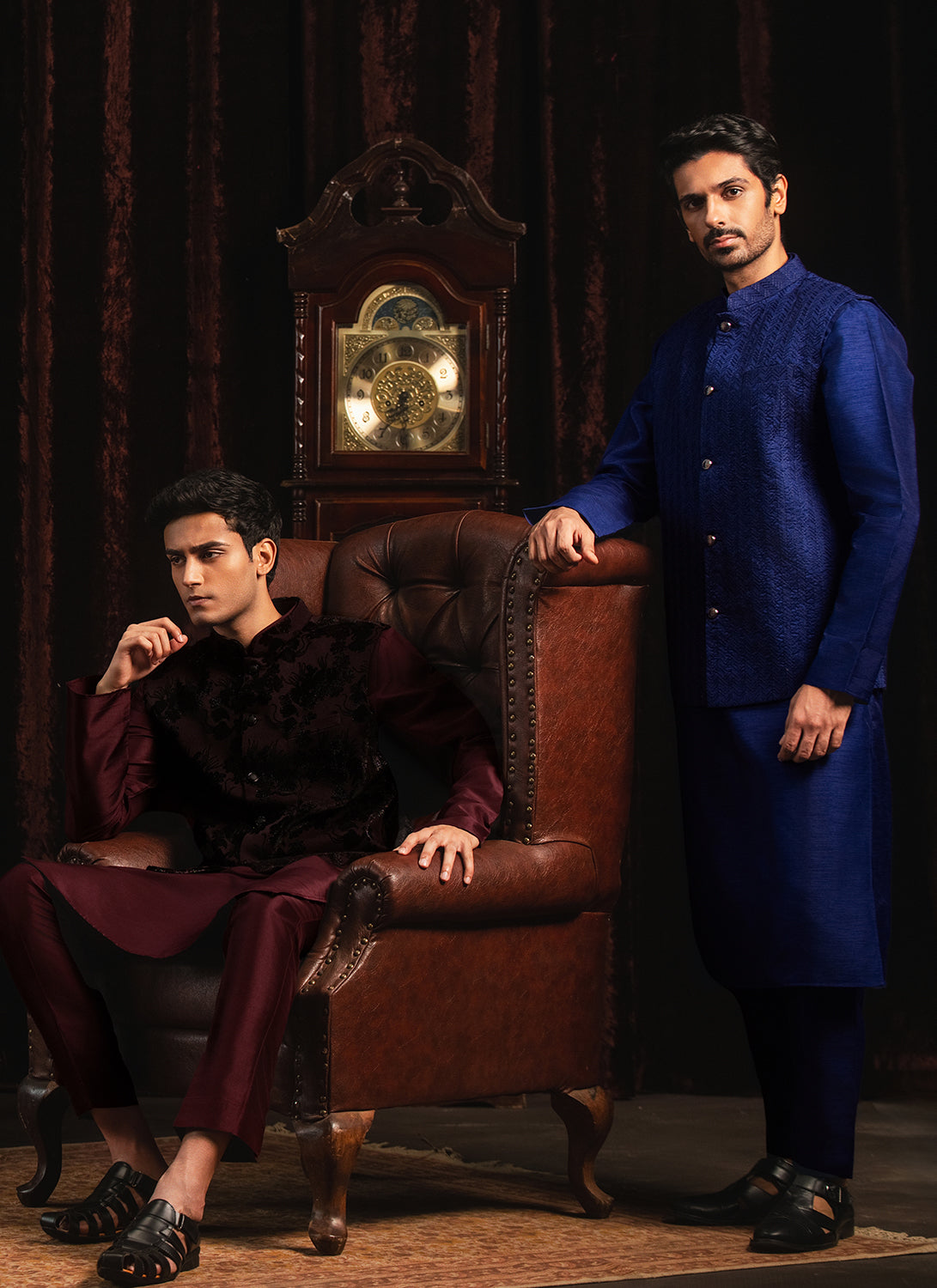
The salwar kameez also thrives in everyday settings, proving that ethnic wear need not be reserved for special days alone. Breathable fabrics, subtle prints, and softer palettes make it ideal for workwear, casual outings, and travel. This adaptability is precisely why the garment continues to evolve without losing its essence. Designers constantly reinterpret cuts, fabrics, and detailing while preserving the silhouette’s timeless charm.
Tracing The Roots of the Salwar Kameez

Salwar Kameez is said to have been introduced into South Asia by arriving Muslims in the north in the 13th century. Initially worn by Muslim women, the style quickly gained popularity and eventually became a regional style, especially in the historical Punjab region. This style of garment is widely known as the national dress of Pakistan. It is also worn by men in Afghanistan (of course, without the dupatta).
Today, the salwar kameez has many variations. The original Pakistani concept of salwar kameez was straight-cut pants, Patiala salwar (super baggy trousers), churidar, pajama, or trousers. The Punjabi-style salwar kameez is usually color-rich and vibrant.
The Most Popular Salwar Kameez Styles
The beauty of the salwar kameez lies in its sheer diversity!
- Straight Suits
- Patila Salwars
- Churdar Styles
- Anarkali Suits
- Palazzo & Punjabi Suits
- Sharara Suit
- Gharara Suits
Classic straight-cut suits offer a refined, tailored look that works beautifully for formal gatherings and professional settings. Patiala salwars introduce volume and movement, creating a playful yet traditional aesthetic deeply tied to Punjabi heritage. Churidar pairings deliver sleek sophistication, accentuating the silhouette with graceful structure.
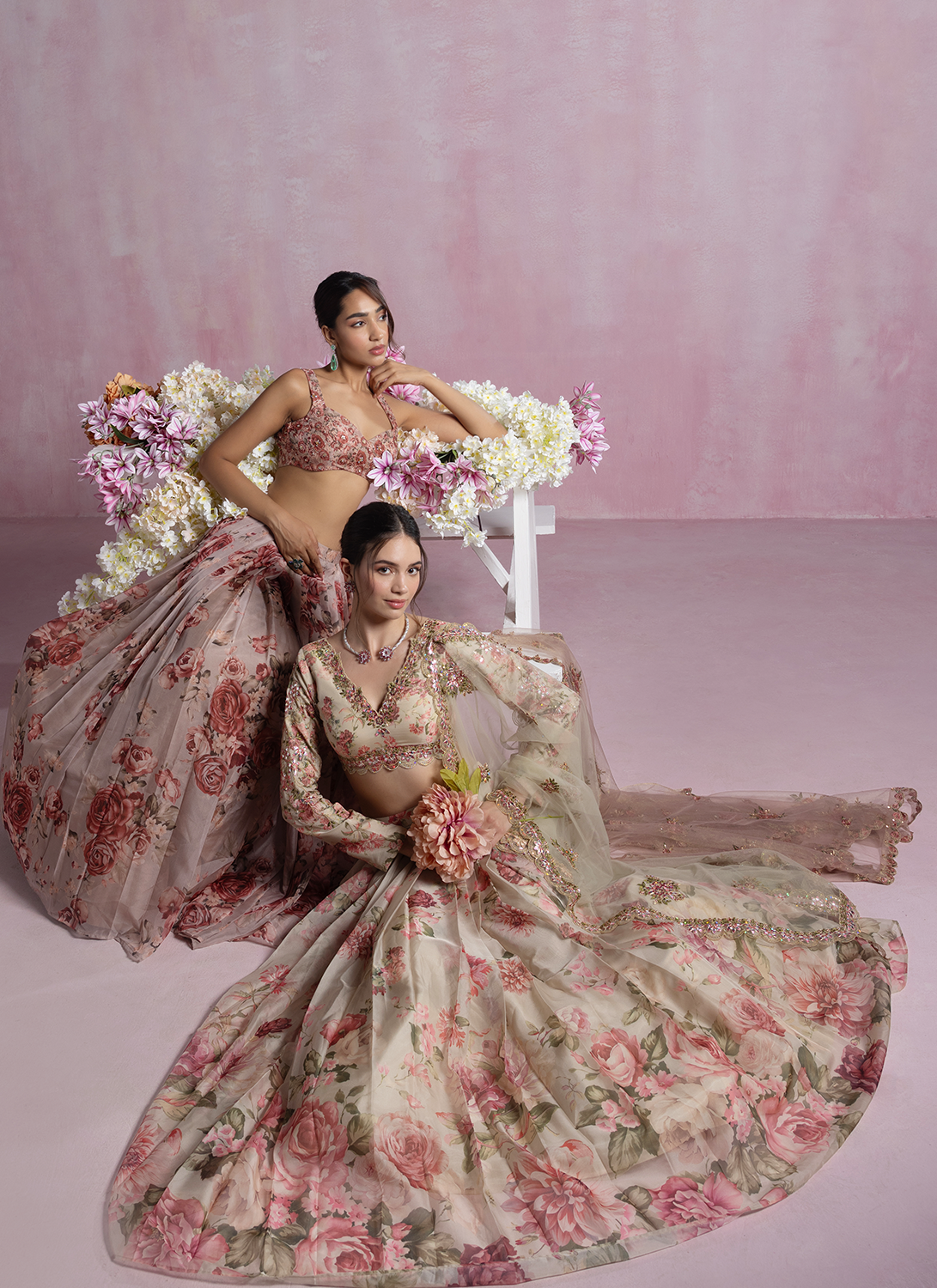
Anarkali suits, inspired by Mughal-era opulence, remain a perennial favorite for celebrations. Their flowing, flared design evokes drama and femininity, making them a natural choice for weddings and festive occasions. Meanwhile, contemporary interpretations, such as palazzo suits, jacket-style kameez sets, cape overlays, and asymmetrical hems, reflect modern tastes while preserving the garment’s traditional foundation.
Why Salwar Kameez Remains a Timeless Classic
No matter which you choose, minimal and sophisticated or heavily embellished, all the different Salwar Kameez styles are deeply rooted in Indian culture and heritage while embodying the spirit of the modern Indian woman. To achieve that effortlessly chic look with a touch of tradition, Lashkaraa's forward-thinking style statements will give you an edge over everyone else!
Few garments rival the versatility and enduring appeal of the salwar kameez. Effortlessly balancing elegance with practicality, it continues to adapt to changing trends while remaining deeply rooted in cultural tradition. Whether styled for everyday simplicity or celebratory grandeur, the salwar kameez remains an essential cornerstone of Indian ethnic wear, being timeless, adaptable, and endlessly expressive.

References: