

How to Measure Yourself for a Salwar Kameez at Home
A salwar kameez is one of the most comfortable, versatile pieces in Indian ethnic wear, but it’s also the most tricky to get right in size. If not in the right size, salwar kameez has the tendency to look unflattering. Getting the fit right when you're ordering online comes down to one thing: accurate measurements. Whether you're picking a standard size or going the custom-stitched route, learning how to measure for salwar kameez correctly at home takes about ten minutes and makes the difference between an outfit that fits beautifully and one that needs a trip to the tailor before you can wear it.
Here's a complete, step-by-step walkthrough you can follow with nothing more than a measuring tape and a few minutes to spare.
Getting Set Up Before You Start
Before you pick up the tape measure, it helps to set yourself up properly, since a rushed measuring session is the most common reason numbers come out wrong. Wear a well-fitted top or a fitted camisole rather than anything loose or bulky, since measuring over a baggy sweater will throw off nearly every number you take. Use a soft, fabric measuring tape rather than a rigid one, since it needs to follow the natural curve of your body rather than sitting stiffly against it. If you can, ask a friend or family member to help with a couple of the trickier measurements, like shoulder width or back length, which are genuinely easier to get accurate with a second pair of hands. And keep your phone or a notepad nearby so you can jot each number down the moment you take it, rather than trying to remember five or six measurements at the end.
Standing naturally, with your arms relaxed at your sides and your feet roughly shoulder-width apart, will give you the most accurate baseline for almost every measurement below. Try not to hold your breath or pull your shoulders back artificially, the goal is your natural, relaxed posture, since that's how you'll actually be standing and moving once you're wearing the finished outfit.
How to Take Body Measurements for a Salwar Kameez
Once you're ready, work through these salwar kameez measurements in order. Each one plays a specific role in how your salwar kameez comes together, from the kameez top to the salwar bottom. Here’s how to measure for salwar kameez:
1. Bust. Wrap the tape around the fullest part of your bust, keeping it level and parallel to the floor all the way around. The tape should sit snugly against your body without pulling tight or leaving slack.
2. Waist. Measure around your natural waistline, which is typically the narrowest point of your torso, generally just above your belly button. This measurement anchors both the kameez and the salwar, so it's worth double-checking.
3. Hips. Wrap the tape around the fullest part of your hips, usually somewhere between 7 and 9 inches below your natural waist. This number matters most for the salwar or bottom portion of your outfit.
4. Shoulder width. Measure straight across your back from the edge of one shoulder to the edge of the other. This is one of the measurements that's genuinely easier with a second person helping, since it's hard to see your own shoulder line accurately in a mirror.
5. Sleeve length. Starting at the edge of your shoulder, measure down your arm to wherever you'd like the sleeve to end — your wrist for full sleeves, your elbow for a shorter style, or somewhere in between for three-quarter length.
6. Around arm. Wrap the tape around the fullest part of your upper arm, near the top. This affects how comfortably the sleeve fits, especially for more fitted kameez styles.
7. Kameez length. Measure from the top of your shoulder straight down to wherever you want the kameez to end, whether that's hip-length, knee-length, or a longer Anarkali-style silhouette.
8. Neck depth. Measure from the base of your neck down to where you'd like the neckline to sit, both at the front and the back, since these are often slightly different.
9. Salwar length. Measure from your natural waist down to your ankle, or to wherever the specific bottom style — a straight salwar, palazzo, or churidar — is meant to fall.
That full set of numbers is essentially your salwar kameez measurements profile, and it's genuinely reusable. Once you have it recorded, you can use the same set of numbers for future orders without measuring yourself all over again, as long as your body hasn't changed significantly since you last took them.
A Quick Kurti Measurement Guide
If you're shopping for a simpler kurti rather than a full salwar kameez set, the process is a shorter version of the same approach. You'll still want your bust, waist, shoulder width, sleeve length, and kurti length measurements, but you can skip the salwar-specific numbers entirely, since a kurti is typically paired with jeans, leggings, or a separately sized bottom rather than a matched salwar. This shorter kurti measurement guide is especially handy if you're building a more casual, everyday ethnic wardrobe rather than shopping for a formal, matched set.
Custom Stitching Measurements: What to Double-Check
If you're ordering a piece with custom tailoring rather than a standard size, a few extra habits go a long way toward getting the fit right the first time. Measuring twice, ideally on two separate days, tends to produce more reliable numbers than a single attempt, since bodies can shift slightly day to day depending on posture, hydration, and even the time of day. It's also worth resisting the urge to suck in your stomach or hold an unnaturally straight posture while measuring, since that's one of the most common reasons custom pieces come back tighter than expected. If you have specific fit preferences, like a slightly looser kameez or a higher-waisted salwar, most custom order forms give you a place to add notes, and it's worth using that space rather than assuming the standard fit will automatically match what you have in mind.
Once you've taken your custom stitching measurements, it's genuinely worth saving them somewhere you'll remember, whether that's a note on your phone or a simple document. Future orders go much faster when you already have your full measurement profile on hand rather than starting from scratch every time.
How to Measure for Suit Sets with Multiple Pieces
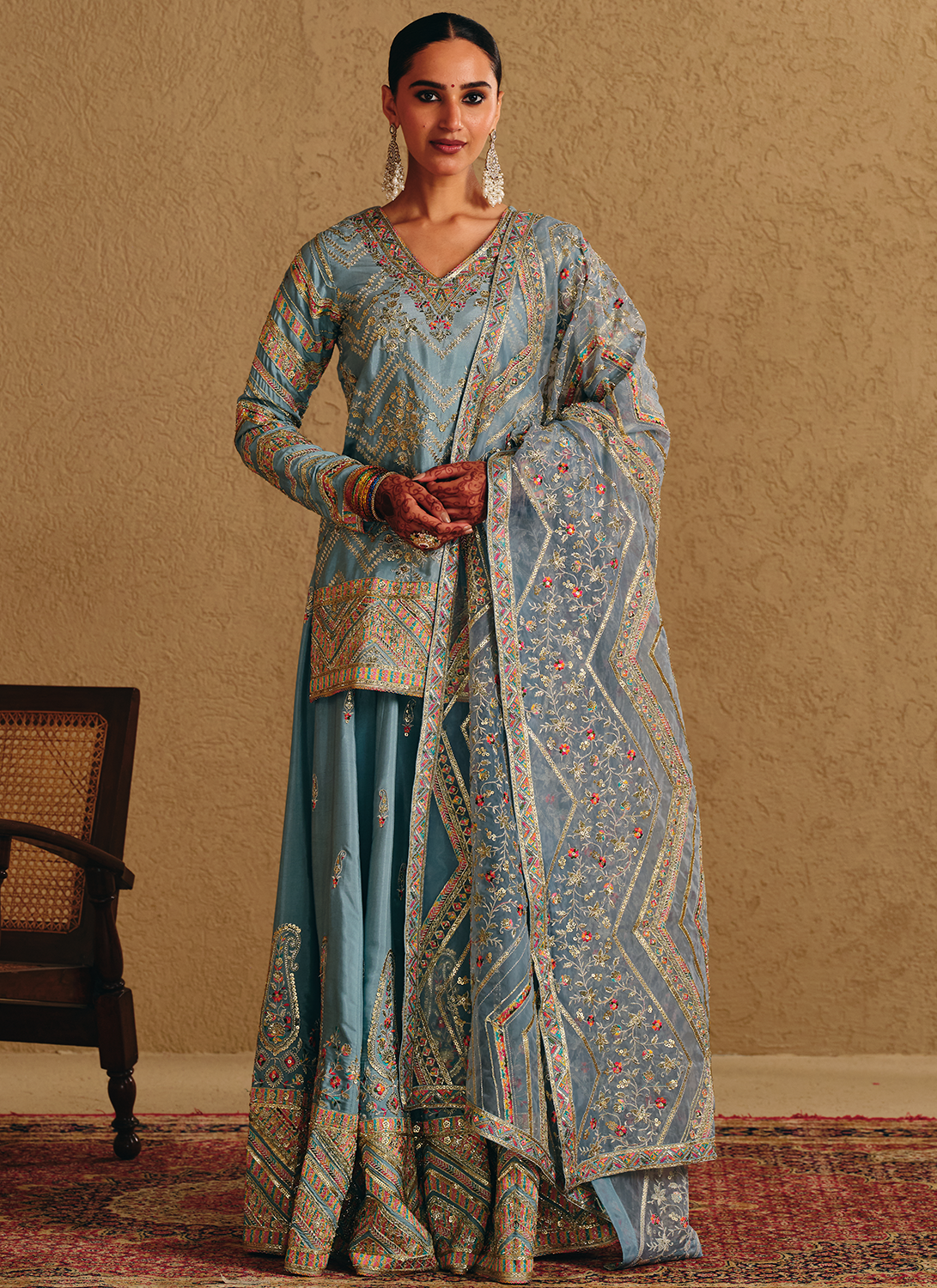
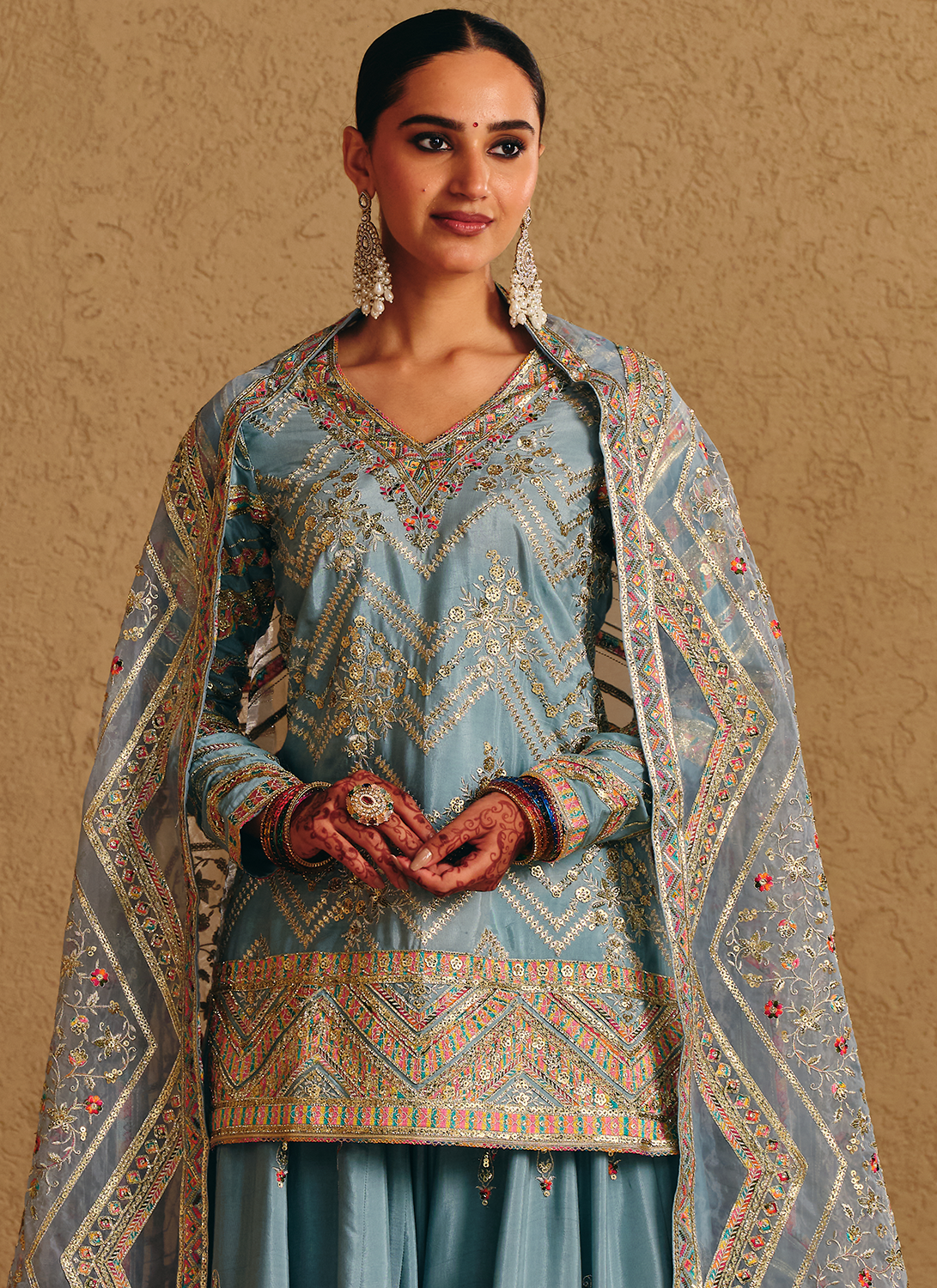
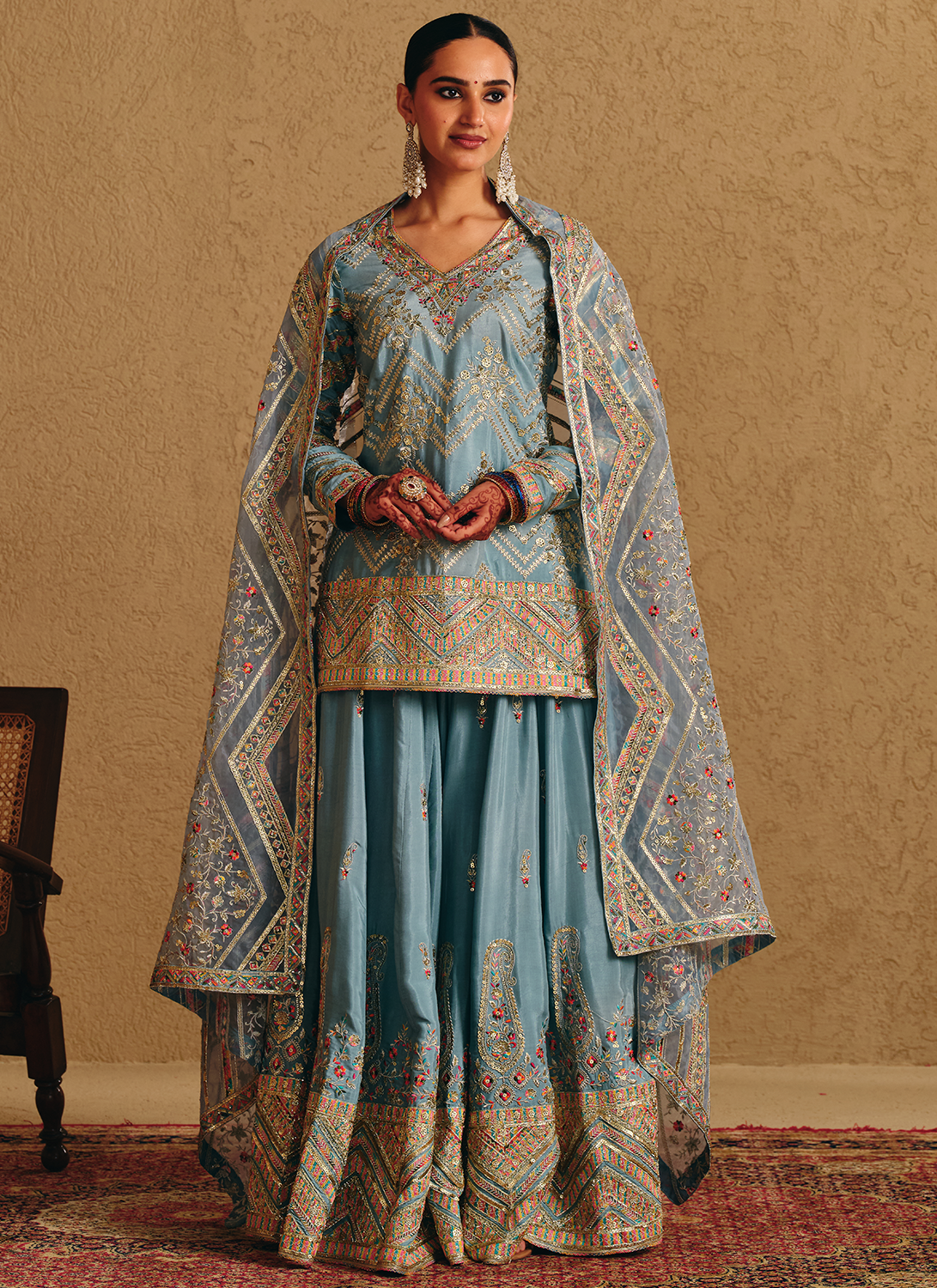
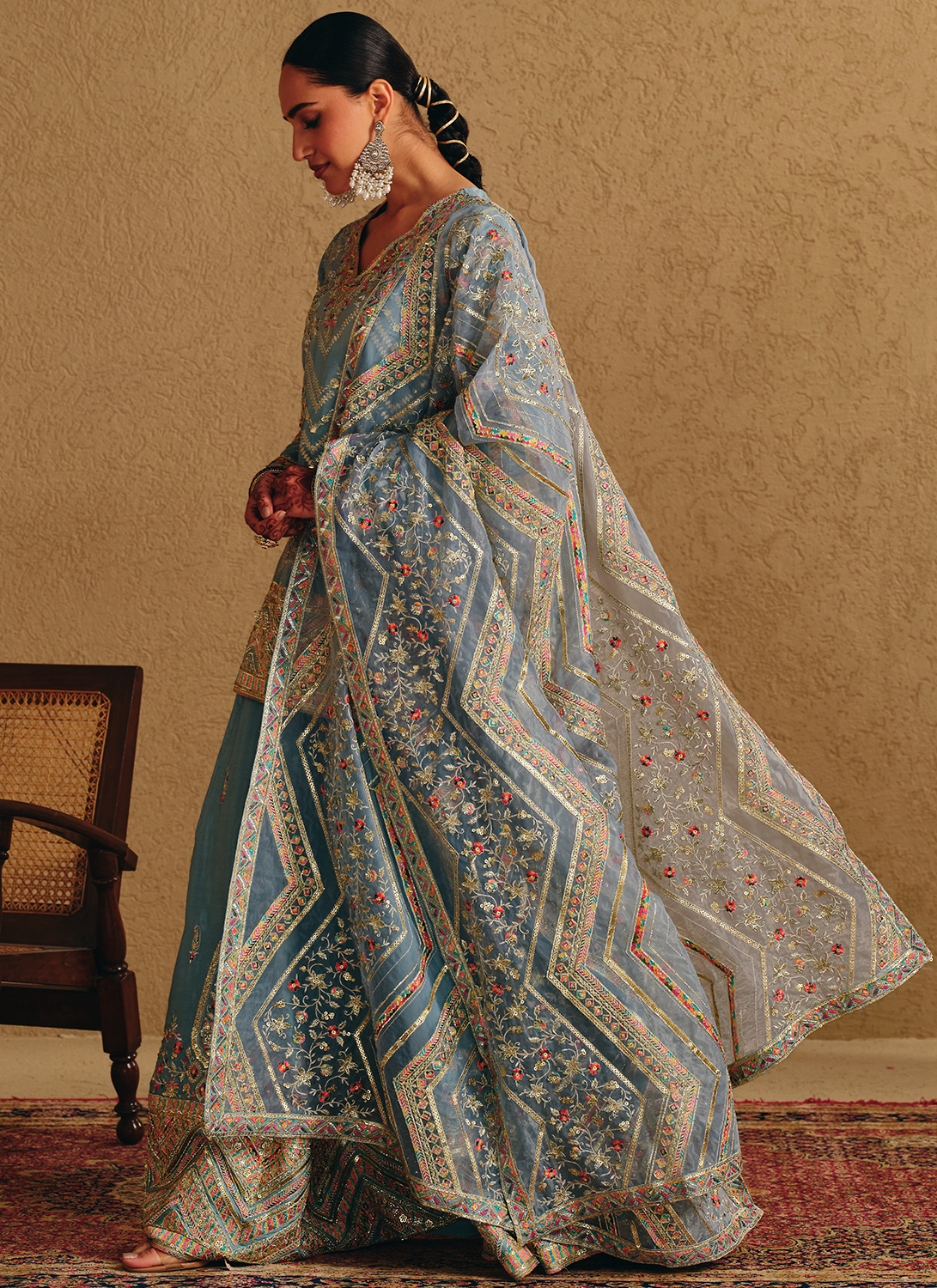
Some salwar kameez sets come with a dupatta, and a few styles include an additional layer like a jacket or cape. Learning how to measure for suit pieces beyond the basic top and bottom mostly comes down to length and drape preference rather than an entirely new set of numbers. A dupatta doesn't typically require custom measurements, since it's draped rather than fitted, though you may want to note a preferred length if you're petite or particularly tall. For jacket-style or layered suits, apply the same shoulder, bust, and length measurements you used for the kameez itself, since the layering piece generally follows the same body measurements as the main top.
Common Measuring Mistakes to Avoid
A few small errors account for most of the fit issues people run into when doing salwar kameez measurements at home. Measuring over bulky clothing is probably the most frequent culprit, since even a slightly thick sweater can add an inch or more to your numbers. Pulling the tape too tight is another common one — the goal is a snug, accurate fit against your body, not a compressed measurement that doesn't reflect how the tape will actually sit once you're standing normally. It's also easy to guess at length measurements rather than actually measuring them, particularly kameez or salwar length, but a couple of inches in either direction can noticeably change how a piece falls, so it's worth taking the extra thirty seconds to measure precisely rather than estimating.
Putting Your Measurements to Use
Once you have your full set of numbers, cross-reference them against a proper size chart before choosing a standard size, or submit them directly if you're placing a custom order. Our size chart breaks down exact bust, waist, and hip measurements for every size we carry, so you can quickly find where your own numbers land. If they fall between two sizes, it's generally worth sizing up slightly, since it's almost always easier for a local tailor to take a piece in than to let it out.
Measuring it right
Learning how to measure for salwar kameez at home takes a little patience the first time through, but it's a skill worth having, especially if you plan to shop for Indian ethnic wear online more than once. Take your time, measure twice where it matters most, and keep your numbers on hand so every future order goes a little faster than the last.
Ready to put your measurements to use? Browse our salwar kameez collection and check our size chart to find your perfect fit.