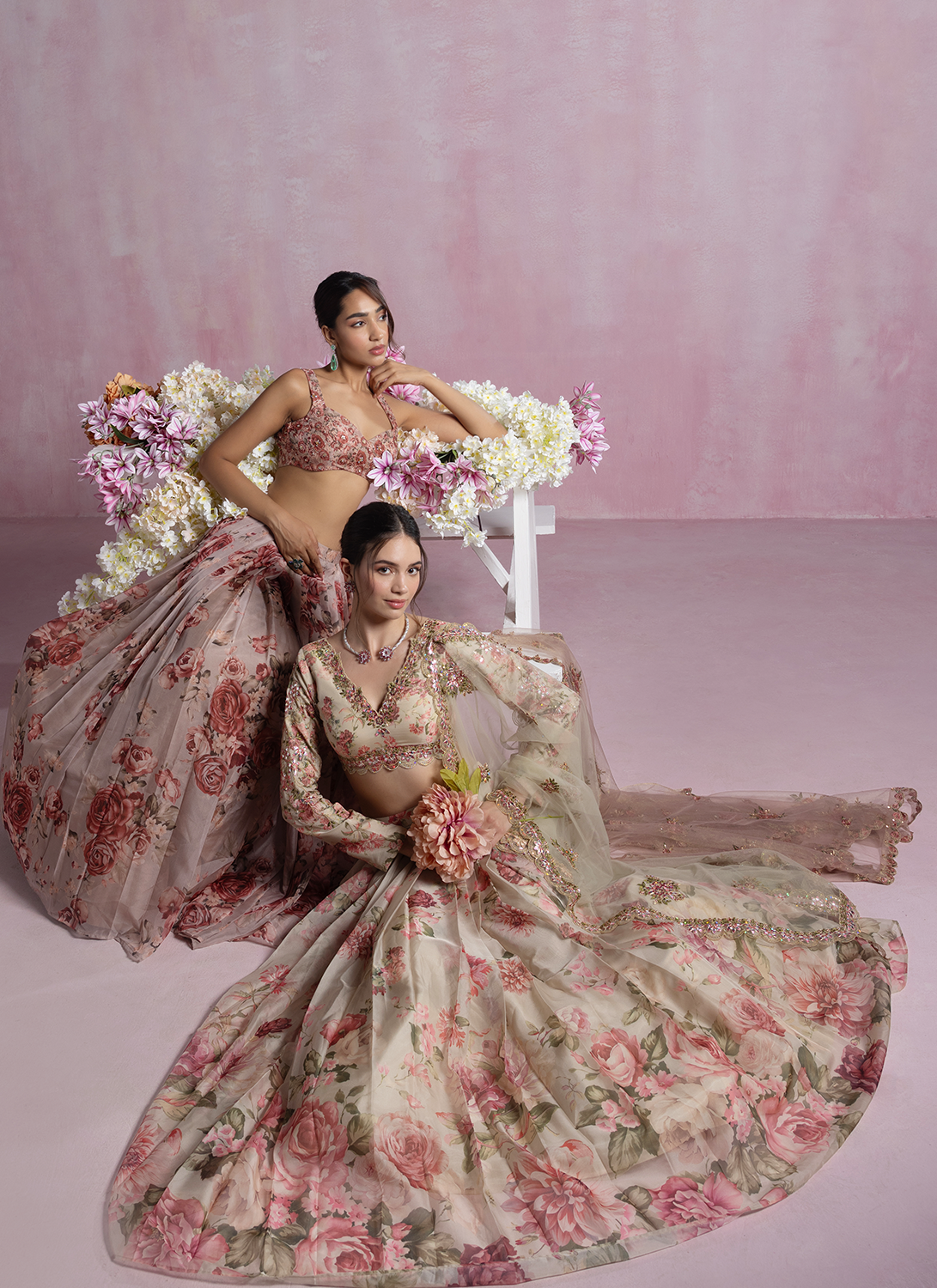
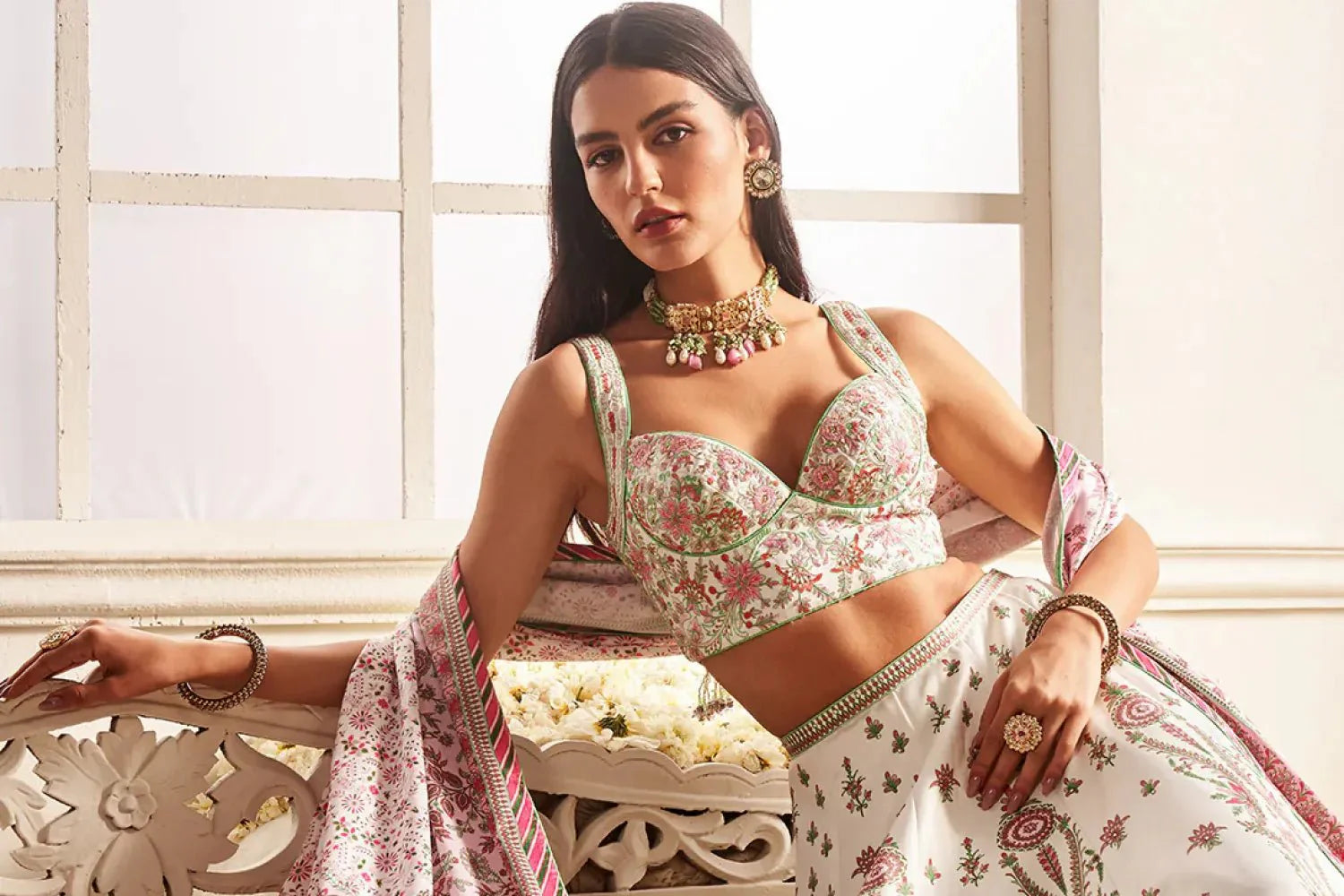
Lehenga Dupatta Draping Styles & Types for 2026
Lehenga dupattas transcend their role as mere accessories; they represent a rich tapestry of cultural heritage interwoven with contemporary fashion trends. This guide explores the diverse interpretations of lehenga dupatta styles and draping ideas, shedding light on how these versatile garments have profoundly influenced the realms of bridal and festive fashion.
What Are Lehenga Dupattas?
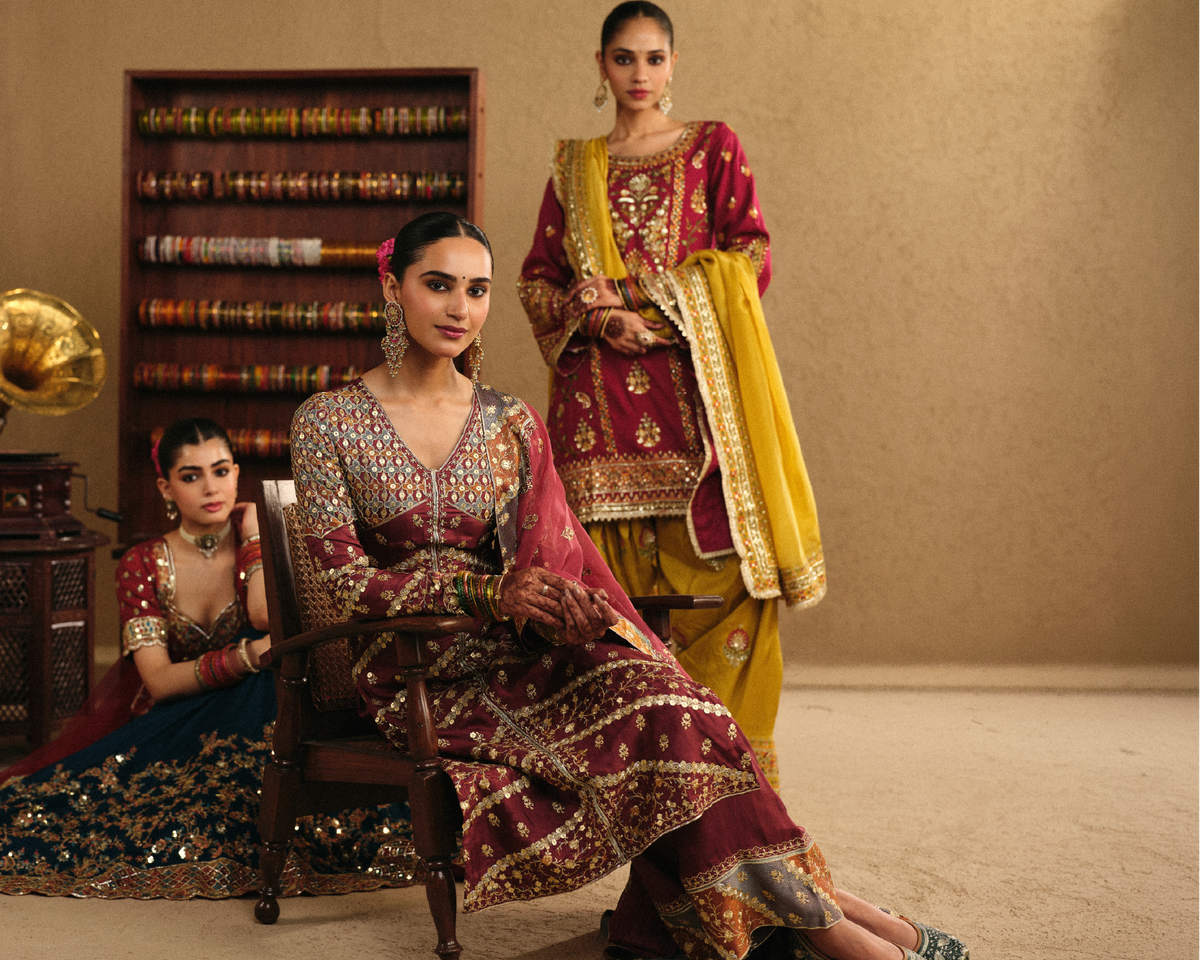
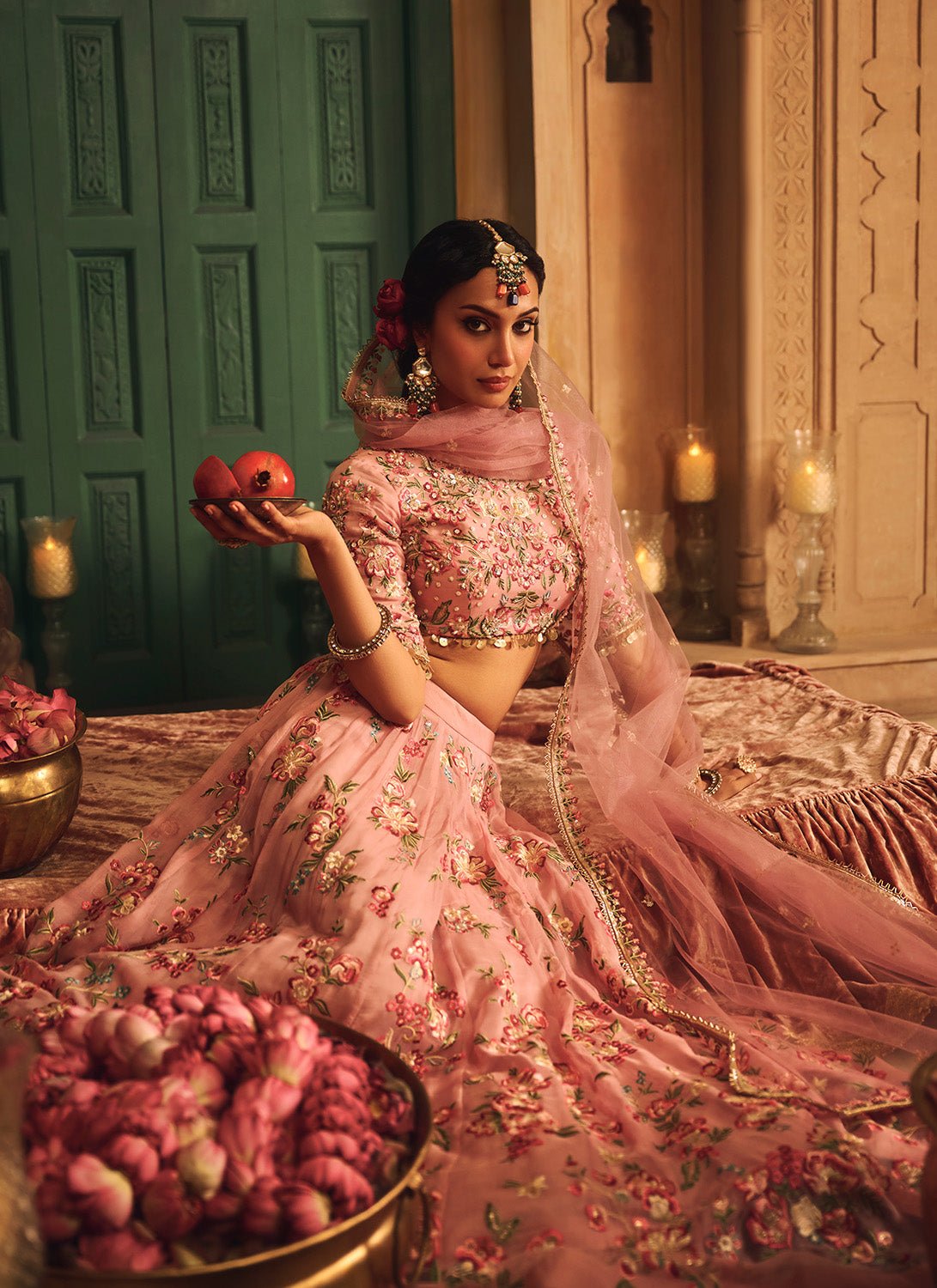
Lehenga dupattas are indispensable components of the iconic lehenga choli ensemble, serving dual purposes of practicality and adornment. Traditionally, these garments provided modesty while serving as exquisite canvases for showcasing intricate craftsmanship. Embellished with delicate embroidery, shimmering zari work, and ornate embellishments, they have historically symbolized cultural pride and opulence. Today, lehengas continue to hold sway as essential elements of bridal and ceremonial attire, adapting seamlessly to contemporary tastes while preserving their intrinsic cultural significance.
Dupattas Draping Styles for Lehengas
Modern dupatta draping techniques have evolved beyond traditional norms, offering innovative ways to style and accessorize ethnic wear like lehengas and anarkalis. These draping methods emphasize creativity and personalization, allowing individuals to experiment with different looks that suit their preferences and occasions.
Single Shoulder Drape

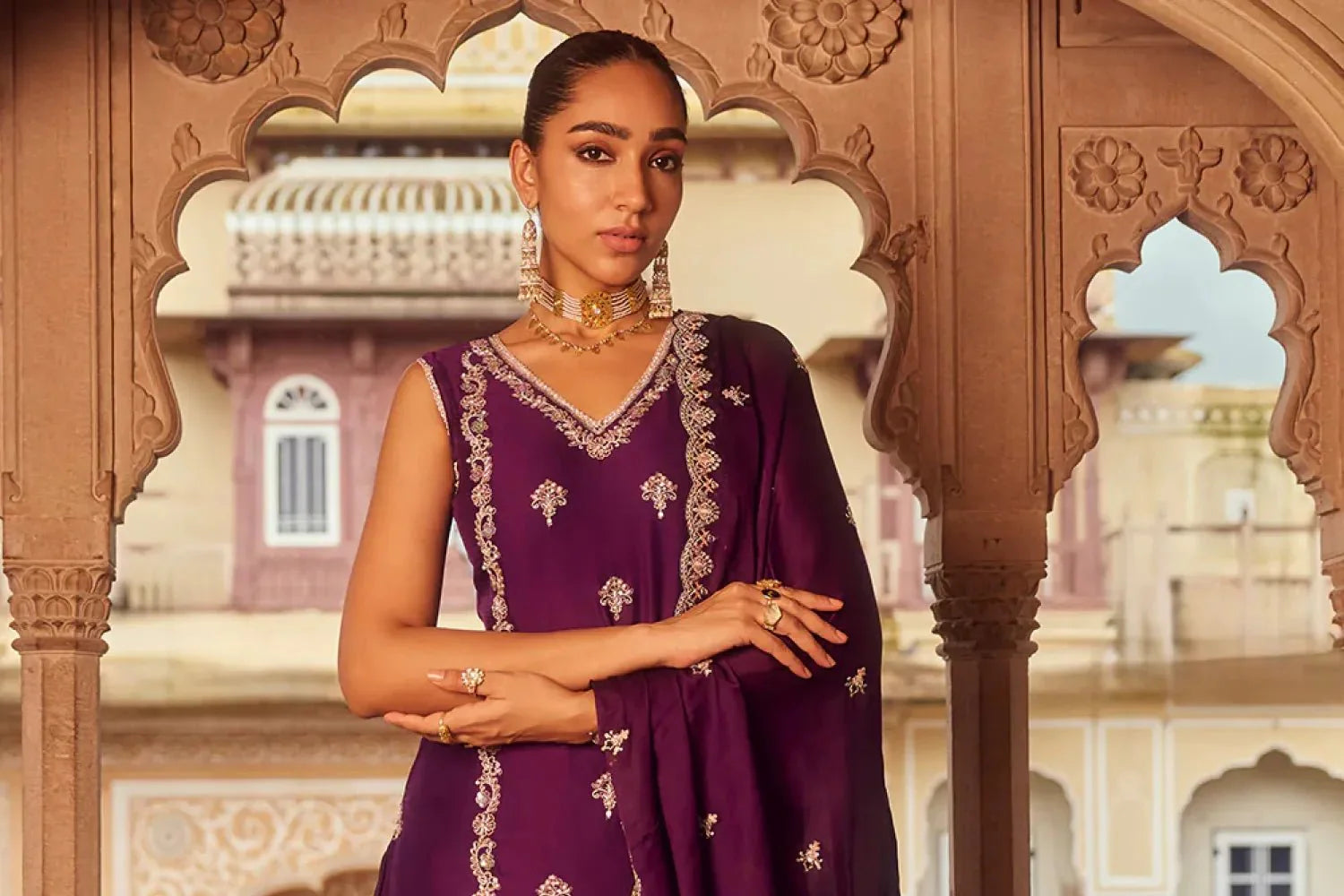
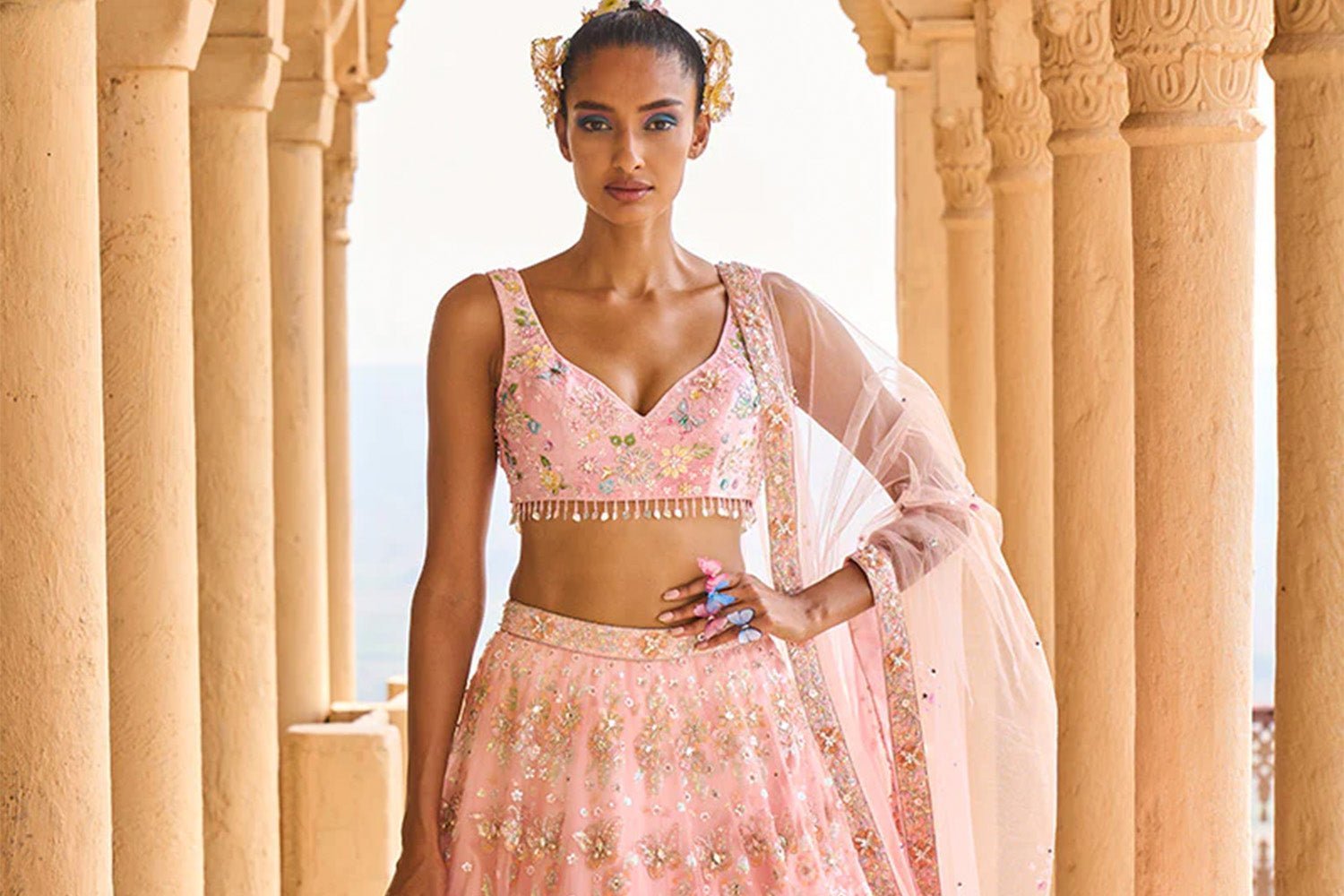
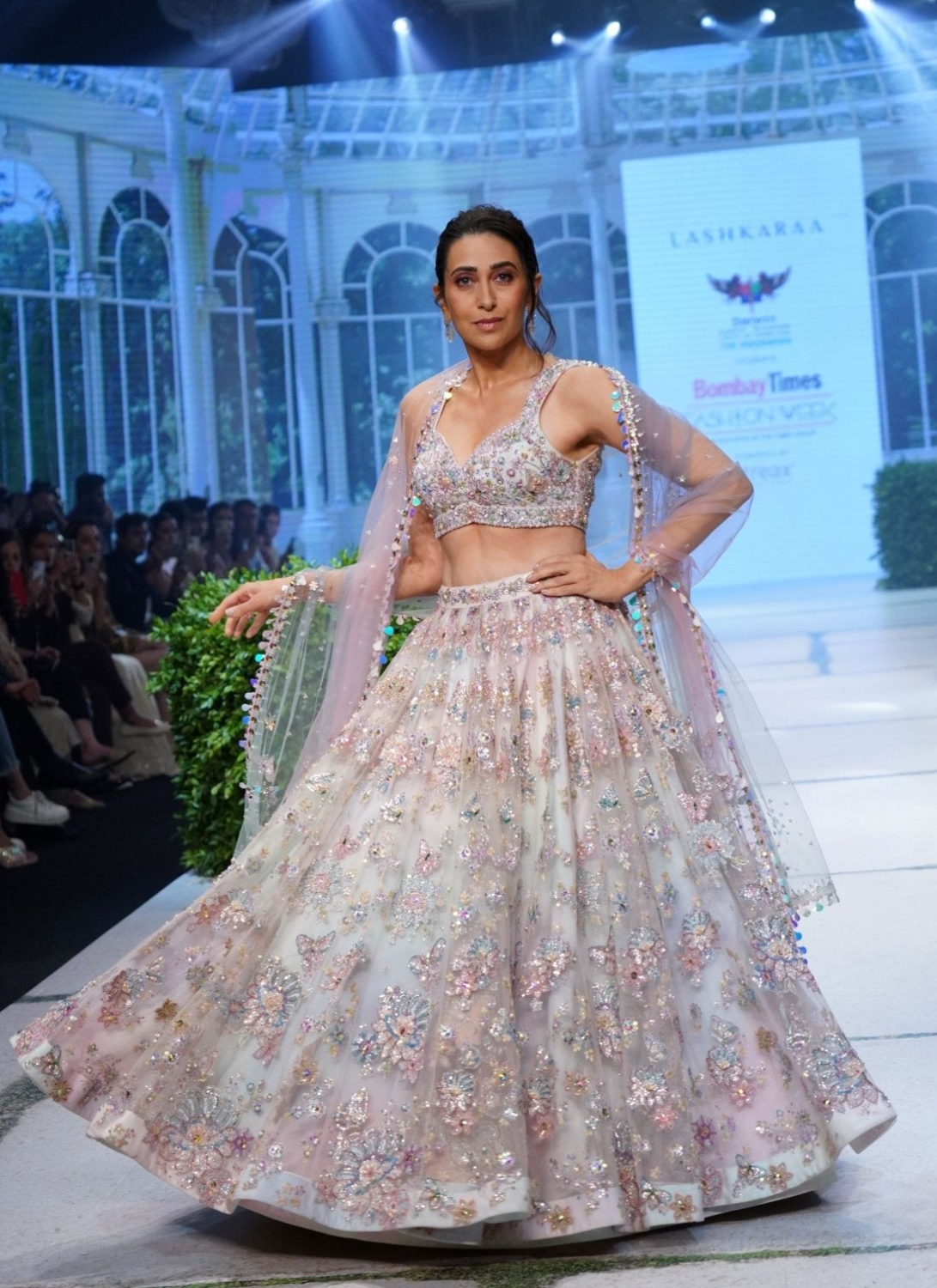
Minimalist yet striking, the single-shoulder drape brings a contemporary twist to traditional attire. This style involves elegantly draping the dupatta over one shoulder, allowing it to cascade down the arm or back. It emphasizes a sleek and streamlined look, perfect for modern brides who appreciate simplicity and sophistication in their bridal ensemble.
Belted Dupattas

Adding a touch of modern flair and functionality, the belted dupatta has become a popular choice among fashion-forward brides. Secured around the waist with a stylish belt or embellished band, this style not only accentuates the waistline but also ensures that the dupatta stays in place throughout the festivities.
It offers a contemporary yet traditional look, combining practicality with aesthetic appeal. The belted dupatta allows brides to dance and move with ease, making it a practical and fashionable choice for weddings and special occasions.
Wrapped Around the Neck

Effortlessly blending comfort with contemporary styling, the wrapped-around-the-neck dupatta drape offers a relaxed yet polished aesthetic. Similar to styling a stole or scarf, the dupatta is loosely wrapped around the neck while the ends flow naturally in the front or back.
This draping technique is especially popular for lighter festivities such as sangeets, haldi celebrations, or wedding after-parties, as it allows for unrestricted movement while maintaining an elevated ethnic look. It works best with lighter fabrics like chiffon, georgette, crepe, or soft net that drape fluidly without adding bulk around the neckline.
Pinned Dupattas

Pinned dupattas remain one of the most timeless and practical draping styles in Indian fashion. This technique involves neatly pleating and pinning the dupatta to the shoulder, blouse, or waist to create a structured and secure silhouette.
Particularly favored by brides during wedding ceremonies, pinned dupattas offer ease of movement while ensuring the ensemble stays perfectly styled throughout long celebrations. This draping method also highlights intricate embroidery and border detailing by allowing the dupatta to fall in a clean, intentional manner.
Many modern brides experiment with creative pinning styles, from diagonally pinned dupattas across the torso to double-dupatta looks featuring one dupatta pinned over the head and another draped across the shoulder.
Wrapped Around the Waste

The waist-wrapped dupatta drape combines traditional styling with contemporary structure, creating a flattering and fashion-forward silhouette. In this style, the dupatta is draped around the waistline, often tucked or secured at the side, allowing the fabric to cascade gracefully while accentuating the shape of the lehenga.
This draping method works especially well for pre-wedding festivities and modern bridal looks, as it keeps the dupatta secure while showcasing the intricate details of the blouse and jewelry. It is particularly effective with lightweight fabrics like chiffon, satin, or organza that can be styled without adding heaviness.
Cape-Style (Draped Over Head or Shoulders)

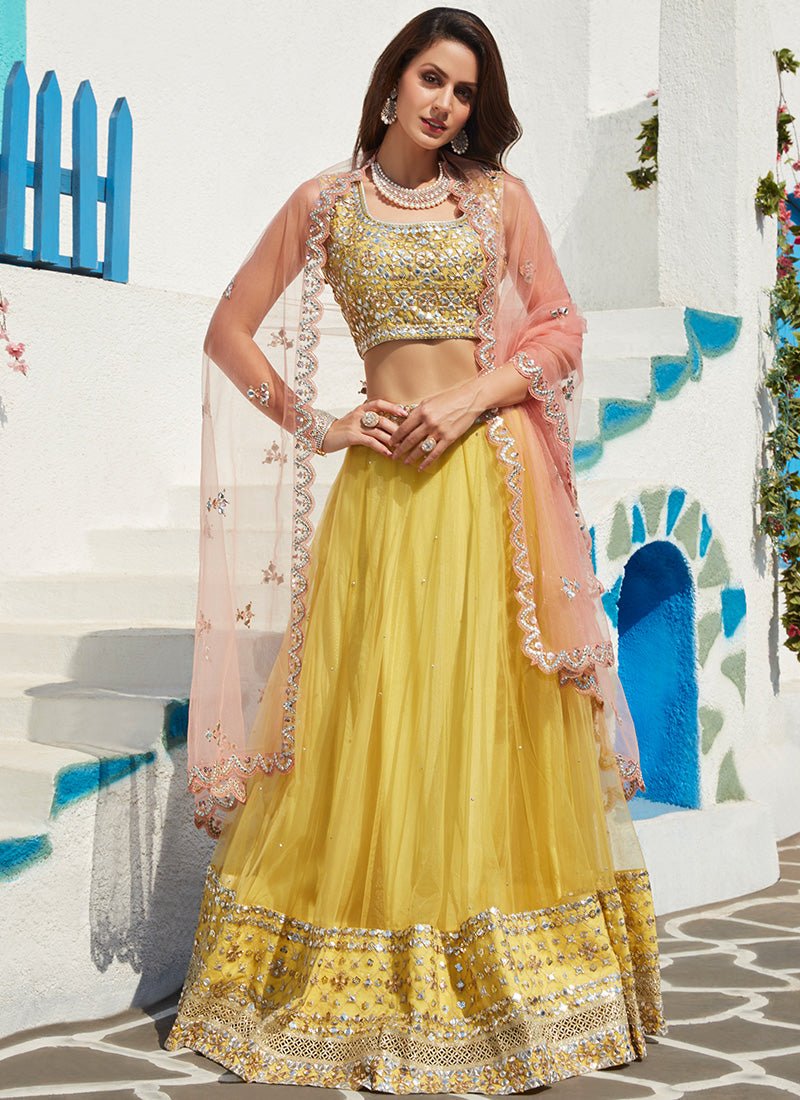
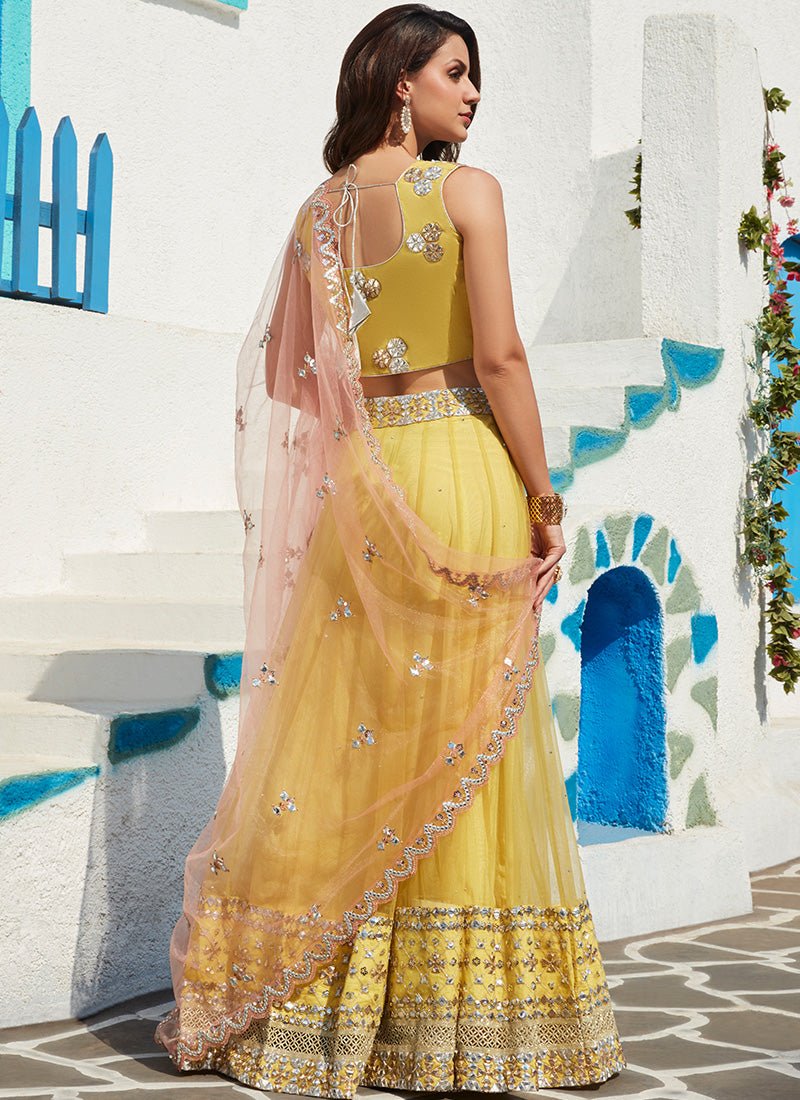
Inspired by global fashion trends and red-carpet glamor, the cape-style dupatta exudes drama and grandeur. Draped around the shoulders like a cape or poncho, this style adds a touch of regal elegance to any outfit. Often embellished with sequins, embroidery, or tassels, the cape-style dupatta serves as a statement piece, making it perfect for lavish celebrations and bridal receptions. It not only enhances the overall look of the lehenga ensemble but also provides a sense of luxury and sophistication, making the bride stand out with its voluminous and flowing silhouette.
---
Whether draped loosely over one shoulder for a casual yet elegant look, wrapped around the neck for a chic twist, or pinned creatively to accentuate the outfit's features, modern dupatta draping enhances the overall appeal of traditional attire. By exploring new ways to wear and showcase the dupatta, individuals can effortlessly elevate their style while honoring cultural heritage and embracing contemporary fashion trends.
Lehenga Dupatta Styles & Types
Modern Indian bride fashion embraces a variety of innovative lehenga dupatta styles that blend tradition with contemporary fashion sensibilities. These styles not only enhance the overall bridal ensemble but also reflect personal style and elegance.
Attached Dupattas

Lashkaraa’s Soft Yellow Embroidered Silk Lehenga comes with a unique attached pleated dupatta, offering you structure and a modern silhouette that’s bound to catch eyes. Modern Indian bridal fashion embraces a variety of innovative lehenga dupatta styles that blend tradition with contemporary fashion sensibilities. Beyond draping techniques, the dupatta itself plays a defining role in shaping the overall aesthetic of the lehenga ensemble through fabric, embroidery, borders, texture, and contrast.
Contrasting Dupattas

Contrasting dupattas have emerged as a major bridal trend, allowing brides to introduce dimension and individuality into their lehenga ensembles. Instead of matching the lehenga exactly, the dupatta is styled in a complementary or bold contrasting shade that enhances the richness of the outfit. Lashkaraa’s White Embroidered Lucknowi Lehenga With Pure Bandhani Dupatta offers a bold contrast while the Mustard Olive Green Embroidered Viscose Tissue Lehenga has a more muted and subtle contrasting look that creates a balance of drama and softness. Popular combinations include blush pink lehengas paired with sage green dupattas, ivory ensembles with deep maroon dupattas, or red lehengas accented with soft pastel drapes. This styling technique adds visual depth and creates a more fashion-forward bridal look.
Border Dupattas

Border dupattas focus heavily on ornate edging and craftsmanship, making the border itself the standout feature. Embellished with gota patti, scalloped embroidery, mirror work, zari detailing, or sequined trims, these dupattas instantly elevate even the most minimal lehenga designs. Styles like our Off White Embroidered Tissue Lehenga with it’s scalloped embroidered borders are especially popular for brides who prefer understated lehengas while still wanting rich detailing in their ensemble. Heavier borders like that of the Dusty Blue Embroidered Satin Silk Lehenga also add structure and definition to softer fabrics like net or organza.
Sheer Organza Dupattas

Organza dupattas have become a modern bridal favorite thanks to their lightweight texture and ethereal translucency. Their airy structure like in Lashkaraa’s Georgette Corset Style Lehenga and Dusty Blue Embroidered Pure Silk Lehenga adds softness and movement to heavily embroidered lehengas without overpowering the overall silhouette. These dupattas often feature delicate floral embroidery, pearl accents, threadwork, or subtle sequins that enhance their dreamy appeal. Organza dupattas are especially popular for daytime weddings and destination celebrations.
Velvet Dupattas

Rich, luxurious, and deeply regal, velvet dupattas bring depth and grandeur to bridal lehenga ensembles. Typically adorned with intricate zardozi embroidery, dabka work, or ornate borders, velvet dupattas are ideal for winter weddings and evening ceremonies. Lashkaraa’s Champagne and Black Embroidered Velvet Lehenga and Dark Burgundy Embroidered Velvet Lehenga with their heavier texture creates a dramatic contrast while keeping you warm and comfortable with a flair of grandeur during winter festivities.
Embroidered Net Dupattas

Net dupattas remain one of the most versatile and enduring bridal choices. Lightweight yet elegant, they allow intricate embroidery and embellishments to stand out beautifully while maintaining a delicate appearance. From sequined motifs and threadwork florals to heavily embellished borders, embroidered net dupattas complement both traditional and contemporary lehengas effortlessly. If you’re looking for a simple net yet contrast dupatta that goes with a bold patterned lehenga, Lashkaraa’s Sky Blue Floral Embroidered Crepe Silk Lehenga is your best bet. And for those looking for an elegantly embroidered net dupatta that merges well with the overall fir, we suggest Lashkaraa’s Ivory Embroidered Net Lehenga.
Wrap Up in Style: Modern Dupatta Draping Done Right
In conclusion, lehenga dupattas epitomize the timeless allure of Indian craftsmanship and cultural heritage. From their historical significance to modern interpretations, these garments continue to captivate brides and fashion enthusiasts worldwide.
By exploring their evolution and mastering contemporary draping techniques, brides can elevate their Indian wedding fashion style to new heights of elegance and cultural richness. Whether draped traditionally or innovatively, lehenga dupattas symbolize elegance, sophistication, and the enduring beauty of Indian attire.

Written by Sumeer Kaur