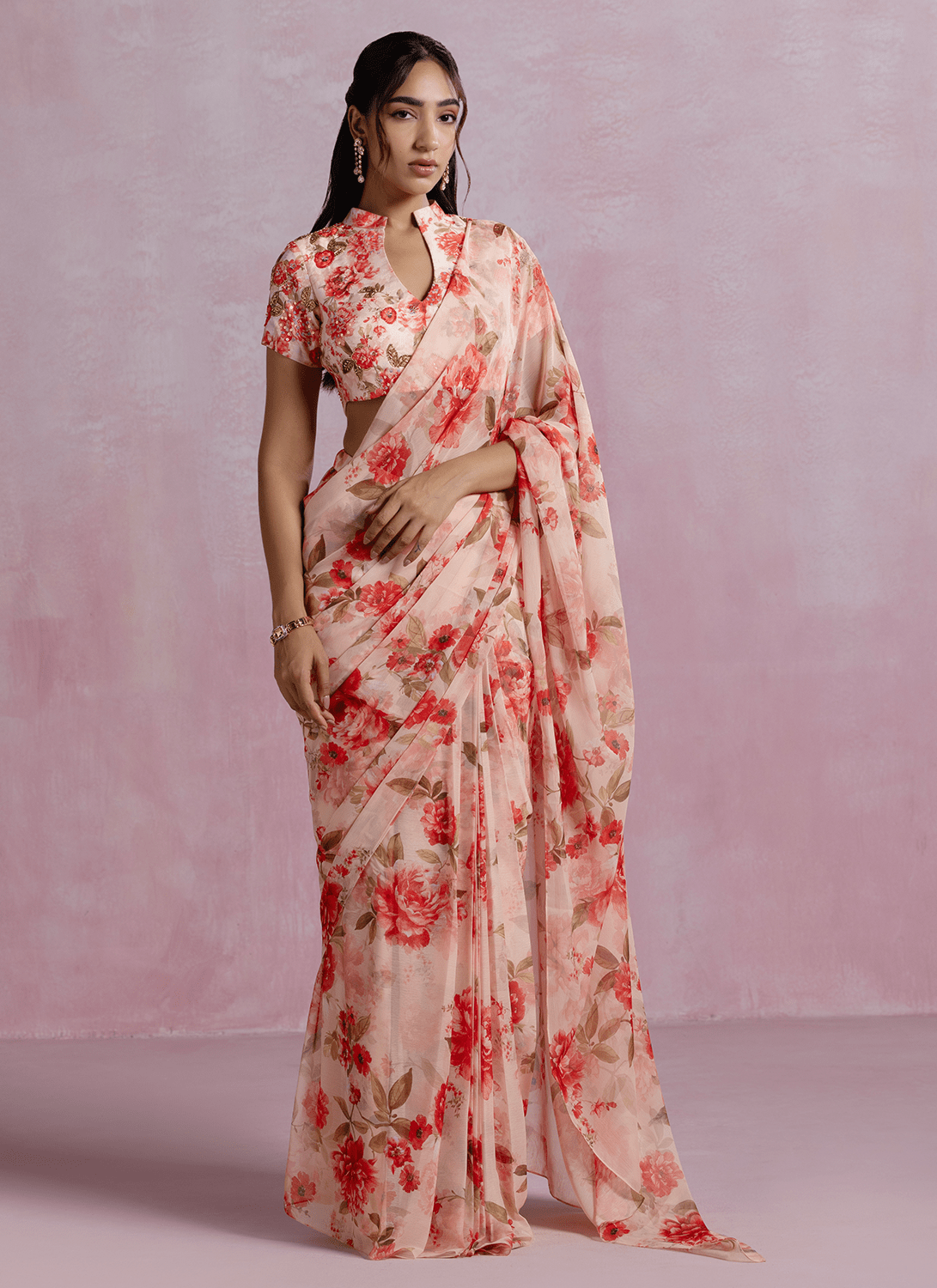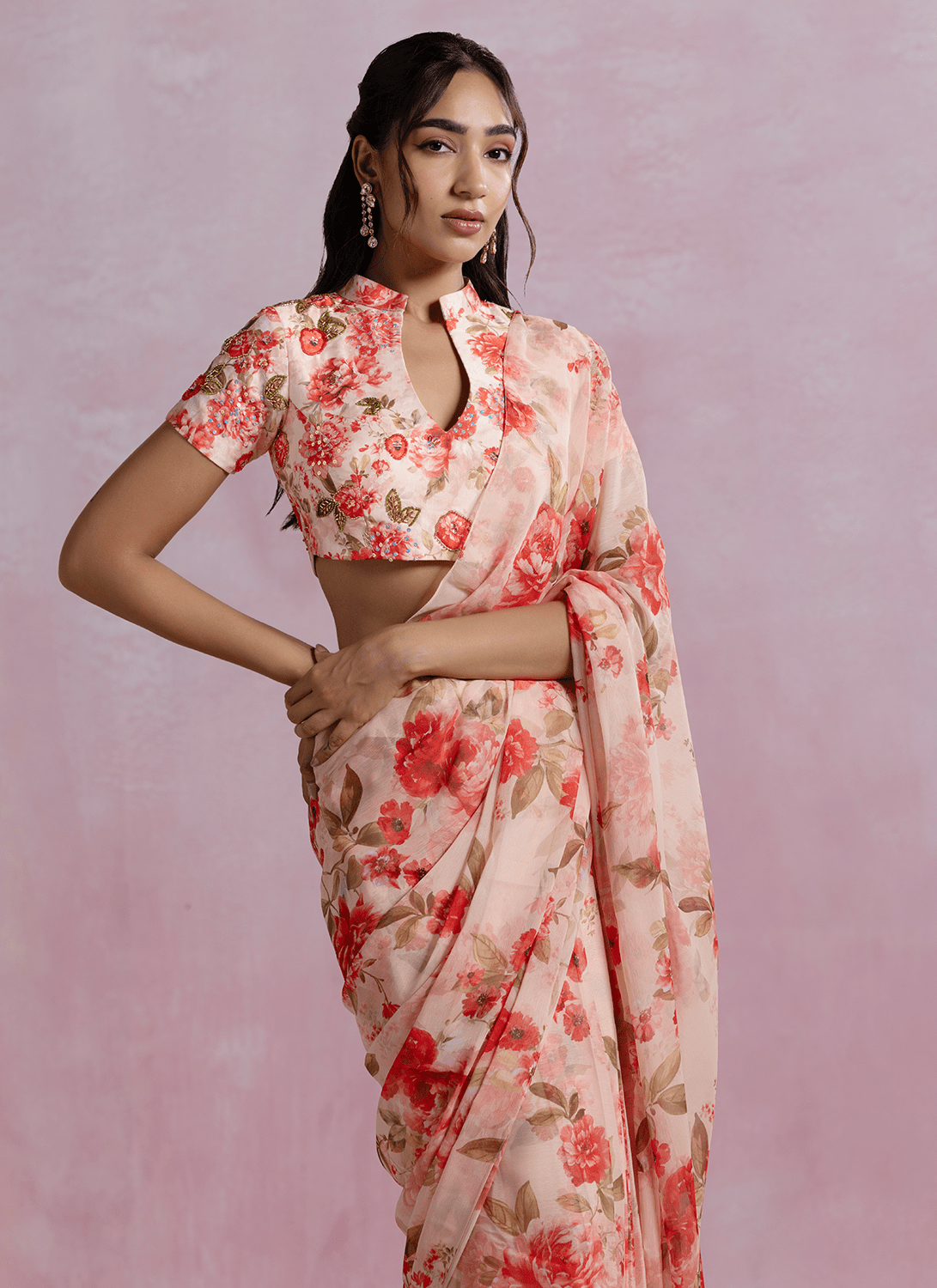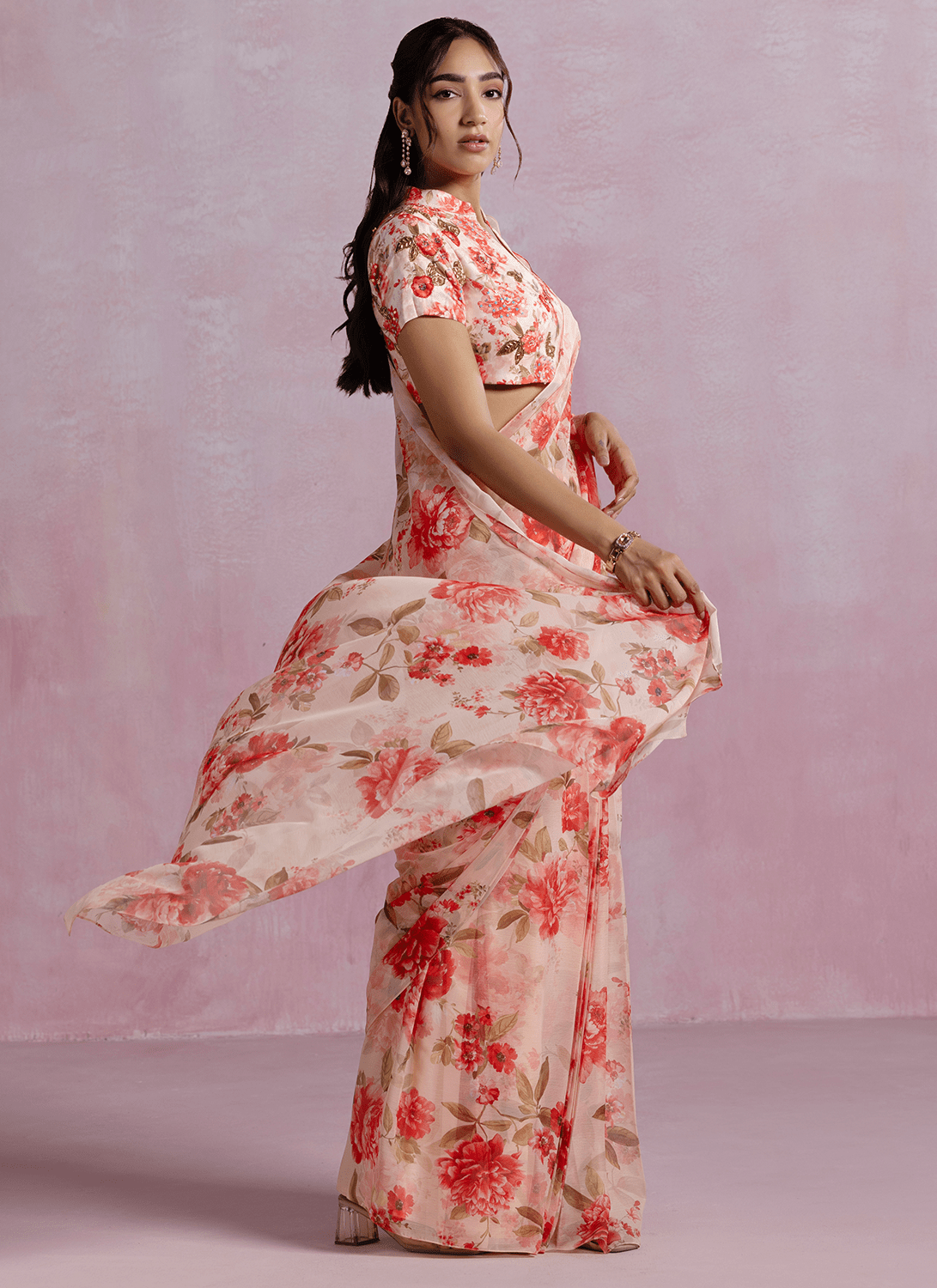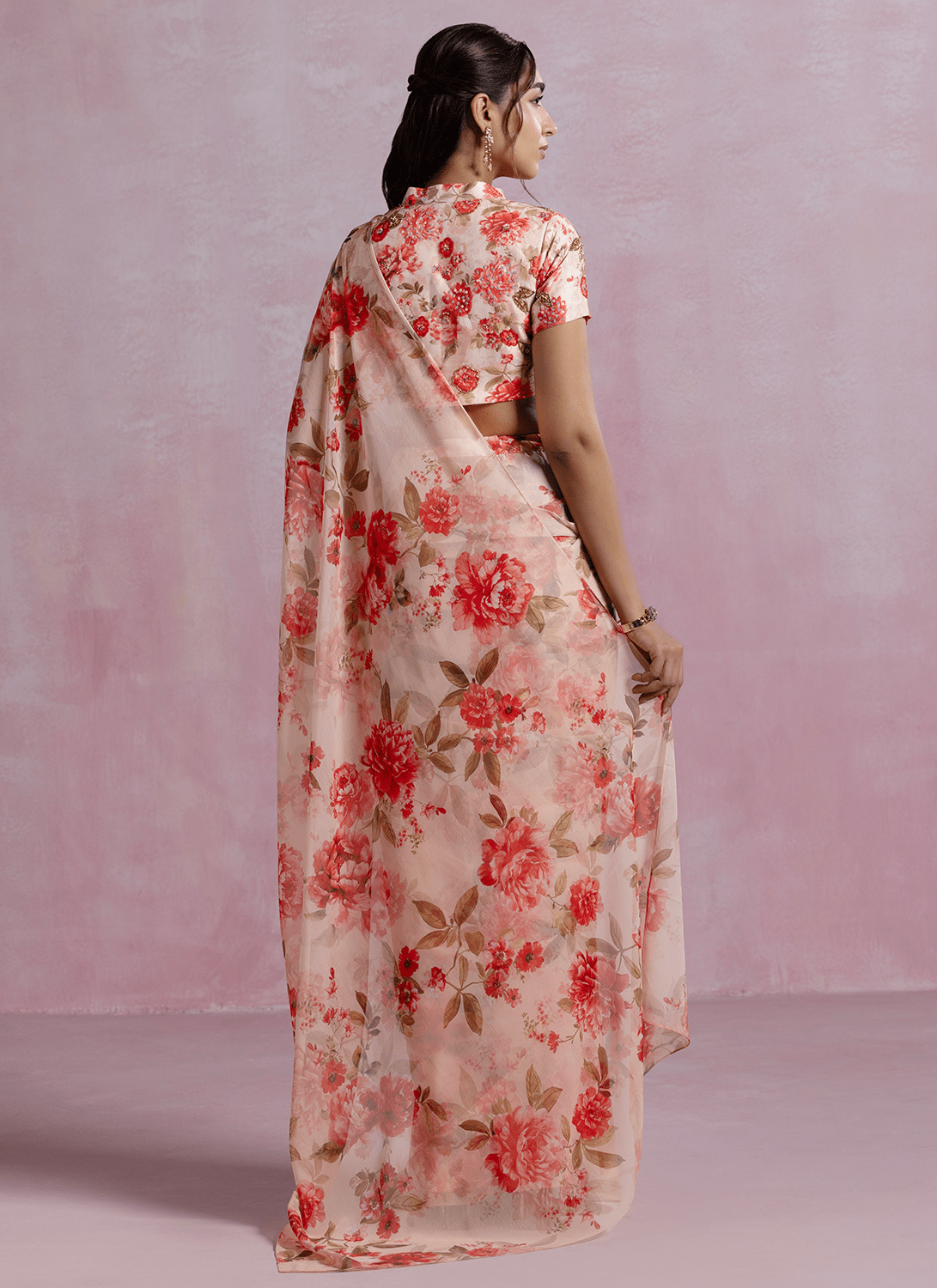
Saree Draping by Body Type: 5 Styles
A saree is one of the most versatile garments in Indian fashion, but the way you drape it can make an enormous difference in how it flatters your figure. The right saree draping styles for body type aren't about hiding anything, they're about working with your natural shape to create balance and elegance. This guide breaks down five draping approaches suited to different body types, along with the basics of pleating and pallu styling that every draping method builds on.
How to Drape a Saree: The Basics
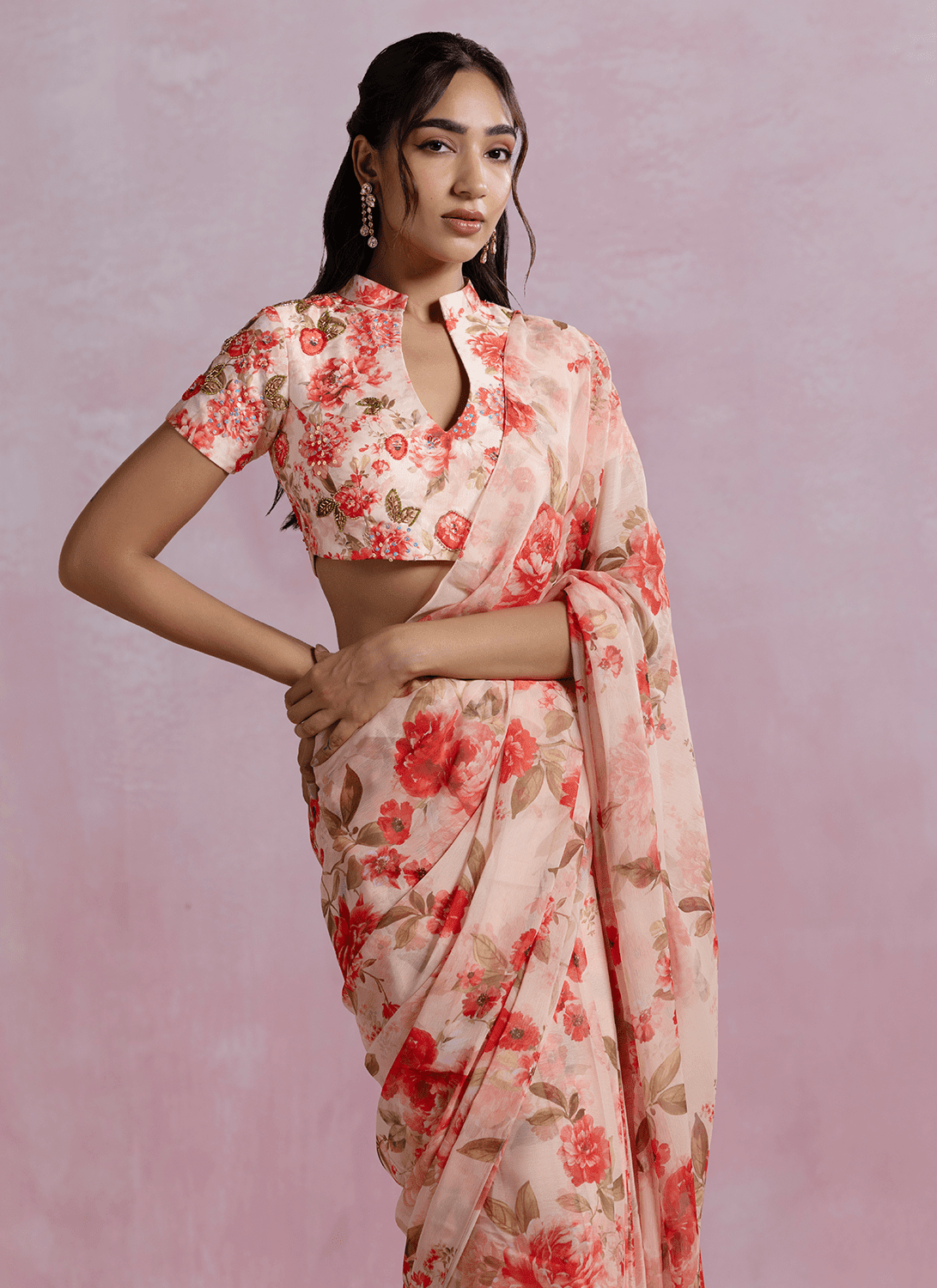
Before diving into body-type-specific styles, it helps to understand the foundation most drapes are built on. Learning how to drape a saree starts with the nivi drape, the most widely recognized and versatile style across India. The process generally involves tucking one end of the saree into the petticoat at the waist, wrapping the fabric around the body once, creating a series of pleats at the front, tucking those pleats in, and then draping the remaining length — the pallu — over one shoulder.
Getting comfortable with this basic sequence gives you the flexibility to adjust nearly every element of the drape: how tight or loose the wrap sits, how deep the pleats fall, and how much length you leave for the pallu. Once you have the nivi drape down, adapting it to flatter your specific body type becomes much easier, since most of the variation happens in these adjustable details rather than a completely different technique.
This guide pairs well with a step-by-step video tutorial, since seeing the pleating and tucking motions in real time makes the process much easier to follow than photos alone.
Saree Draping Styles for Body Type: Five Approaches
1. The Hourglass Drape
If your waist is noticeably narrower than your bust and hips, a classic nivi drape with a fitted blouse works beautifully, since your proportions already create natural balance. The key adjustment here is keeping the pleats relatively narrow and centered, which emphasizes your waistline rather than adding unnecessary volume. A well-fitted blouse that follows your natural waist, paired with a pallu draped to fall just past the hip, completes a look that highlights your shape rather than working against it.
2. Saree for Apple Shape
If you carry more fullness through your midsection, finding the right saree for apple shape dressing comes down to a few specific adjustments. Rather than wrapping the fabric tightly around the waist, allow slightly more ease in that area, and focus the pleats a bit lower, closer to the hip line, rather than directly at the natural waist. A saree for apple shape figures also benefits from a pallu draped a bit looser and longer, since it creates a vertical line down the front of the body that elongates the overall silhouette. Choosing a saree with a border or embellishment concentrated at the hem, rather than an all-over busy pattern, also helps draw the eye downward and away from the midsection.
3. The Pear Shape Drape
For those with fuller hips relative to the bust and shoulders, the goal is to add visual weight and interest to the upper body while keeping the lower drape relatively streamlined. A saree with a heavily embellished or contrasting blouse, paired with a pallu pinned to sit higher on the shoulder, draws attention upward. Keeping the pleats at the front narrow and neat, rather than full and voluminous, helps avoid adding extra bulk to an already fuller hip area.
4. The Petite Frame Drape
If you're on the shorter side, the draping goal shifts toward creating length and avoiding anything that visually cuts the body into shorter segments. A single-color or subtly patterned saree, rather than one with a heavy horizontal border, helps maintain an unbroken vertical line. Keeping pleats relatively narrow and the pallu draped diagonally across the body, rather than falling straight down the back, also adds a lengthening effect. Avoiding an overly voluminous drape at the waist matters here too, since too much fabric bulk can overwhelm a smaller frame.
5. The Tall or Rectangle Frame Drape
If your body doesn't have a dramatic difference between bust, waist, and hip measurements, or if you're on the taller side, you have the most flexibility to experiment with fuller, more dramatic drapes. A Bengali-style drape with two pallus, or a nivi drape with extra-wide pleats and a fuller pallu, both work beautifully, since your frame can carry the additional volume without appearing overwhelmed. This is also a great body type for experimenting with a lower, more relaxed waist wrap, since there's less need to define a specific waistline.
Pallu Styles Worth Knowing
Beyond body type, pallu styles themselves offer another layer of customization once you're comfortable with the basic drape. The classic style lets the pallu fall freely over one shoulder down the back, offering an elegant, traditional look that works for most body types and occasions. A pleated pallu, where the fabric is neatly folded before being draped, creates a more structured, formal appearance, often chosen for weddings or receptions. A front pallu, draped over the front shoulder instead of the back, is a striking, less common choice that works particularly well if your saree has an especially beautiful border or embellishment you want to showcase. Experimenting with different pallu styles is one of the easiest ways to change the overall feel of a saree without altering anything else about the drape.
Getting Saree Pleats Right
Good saree pleats are really the technical backbone of any drape, regardless of body type or pallu style. Even, consistent pleats — typically five to seven, depending on the fabric and your height — create a clean, polished line at the front of the body. The width of your pleats matters too: narrower pleats tend to look more streamlined and work well for petite frames or fuller midsections, while slightly wider pleats can add volume and drama for those who want a fuller silhouette.
A few practical tips make achieving clean saree pleats much easier: pleat the fabric on a flat surface before wrapping, rather than trying to fold while standing, since gravity and hand position both affect consistency. Use a few safety pins to hold the pleats together before tucking them in, which prevents shifting throughout the day. And take a moment to smooth and adjust the pleats after tucking, checking that they fall in a straight, even line down the front of the body before considering the drape finished.
Choosing the Right Fabric for Your Drape
Fabric choice affects how any of these saree draping styles for body type ultimately look and hold up throughout the day. Lighter fabrics like georgette and chiffon drape closely and fluidly, which works beautifully for petite frames or anyone wanting a sleek, streamlined silhouette. Heavier fabrics like silk and brocade hold structure and volume better, making them a strong choice for taller or fuller frames that can carry the extra body without looking overwhelmed. Matching your fabric to both your body type and your chosen drape style is just as important as the pleating and tucking technique itself.
Wear it with confidence
Mastering how to drape a saree in a way that genuinely flatters your body type takes a bit of practice, but the fundamentals stay consistent no matter which of these five approaches you choose: even pleats, a well-considered pallu, and a wrap that works with your proportions rather than against them. Whether you're drawn to the classic hourglass drape, adapting a saree for apple shape dressing, or experimenting with a dramatic double-pallu style, the right technique can make any saree feel like it was tailored specifically for you and most importantly, confidence is key in pulling off any drape.
Lucky for all, Lashkaraa’s sarees come pre-draped, which means the most tricky part of wearing a saree is taken care of. Just put on the lower section like a skirt and have all the fun styling the pallu as you please. Explore our sarees collection to find a piece in the fabric and length that works best for your body type and preferred drape.