What Is a Dupatta? How to Wear It with 10 Draping Styles
Fashion can bring us back to our roots and make it easier to connect with our family at home and abroad. It’s a way for us to find our personal identity while still honoring culture and tradition, and it offers us many opportunities to express our personalities and styles.
One such staple accessory is the dupatta. Throughout this history, the way people wear dupattas has evolved. Beyond India, the dupatta has become prominent among South Asian women.
Most fashion movements come and go in a matter of decades, if not years. Even larger global trends on broader social scales usually last only 30-50 years. Amid these passing fads, traditional Indian apparel has remained cohesive. Tied together with many other garments is the Indian dupatta.
What Is a Dupatta?
A dupatta resembles a large shawl or scarf and is worn to style various outfits. It’s often worn in a layered or fitted manner, hence its name, which translates to “two strips of cloth.” A dupatta is often several feet long and draped along either the shoulders or head. Even with this focus on the upper body, there are countless ways to wear it.
In some cases, they can be used as religious headwear. Most major world religions have specific instructions for hair care and headwear. Draping a dupatta over the head in places of worship is considered proper behavior for women.
Dupattas originated as a symbol of modesty in the Indian subcontinent, covering the body while offering uncompromised style. Now, dupattas are more often worn for their beauty as decorative pieces in contemporary culture.
Lashkaraa offers traditional styles for women who want to stay in touch with their families and cultural heritage, no matter where they live. Not only do we supply the style, but our experts also share top tips for styling traditional pieces. Below, we will explore different types and draping styles to showcase your dupatta.
Types of Dupattas
The creation process is important in dupattas. The material may be made using ikat, an Indonesian dyeing technique, or with kalamkari, a specific type of printed fabric. Mirror work is a particularly prominent design for dupattas, as it provides a distinctive sheen.
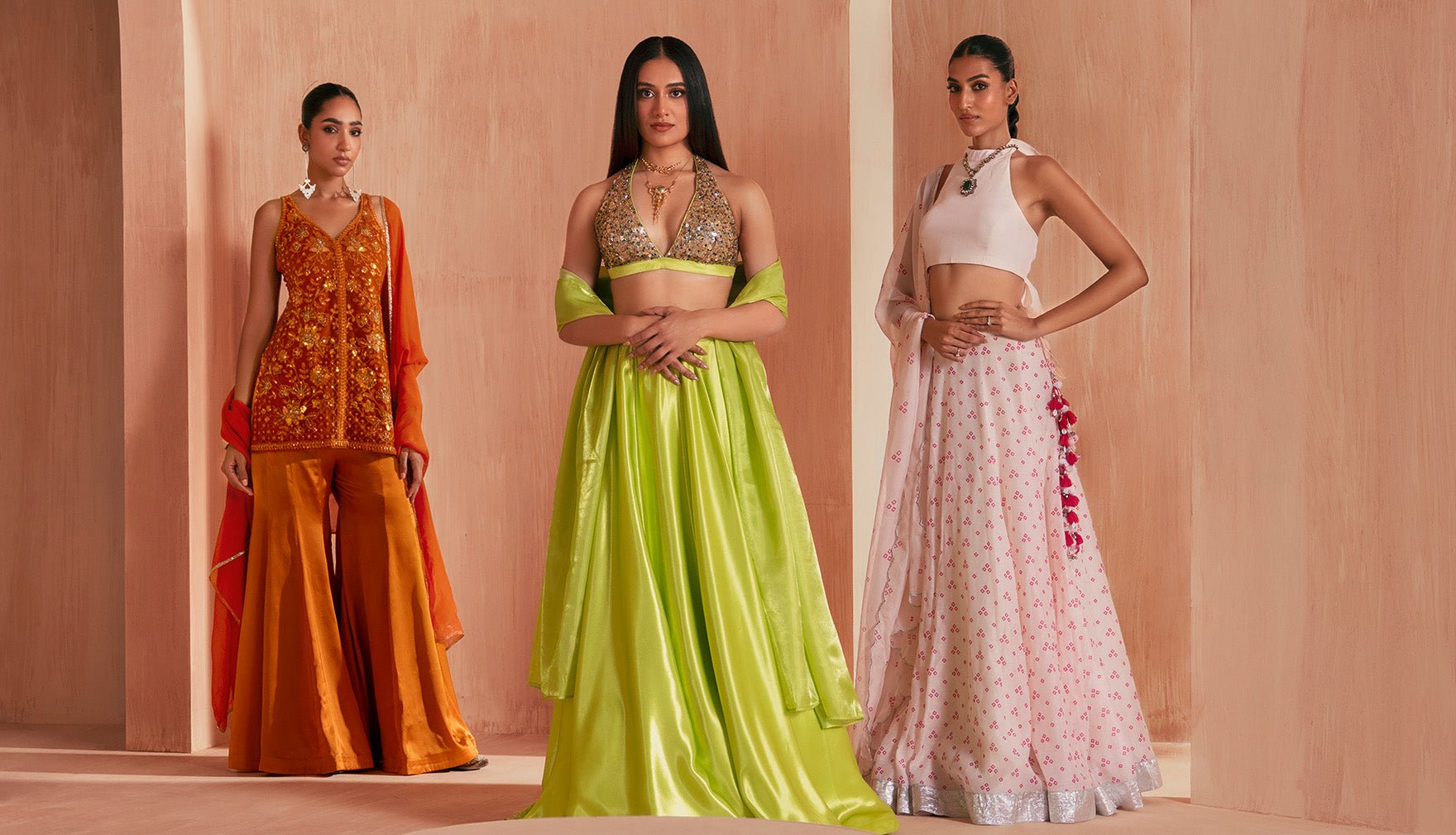
Dupattas come in a variety of styles and can either match or contrast with the rest of an outfit. Depending on the material selected, they can be sheer, matte, or shimmering, though many are at least partially sheer.
They are worn with a wide range of traditional Indian dress. Dupatta can be made of various materials, including georgette, silk, and chiffon. Embroidery details like sequins and zari also inform their creation. Lehenga choli, gharara, saree, and phulkari suits may feature the same or similar embroidery to the dupatta you choose to wear.
This versatile piece can be styled in many ways, both traditional and nontraditional. Read on for our favorite ways to wear a dupatta.
10 Different Dupatta Draping Styles
The draping style of your dupatta matters. Depending on how you position them, you may need to pin them in place to adjust the drape. Here are draping styles and options to help your dupatta fit your personal style.
1. Pinned Up on Both Sides

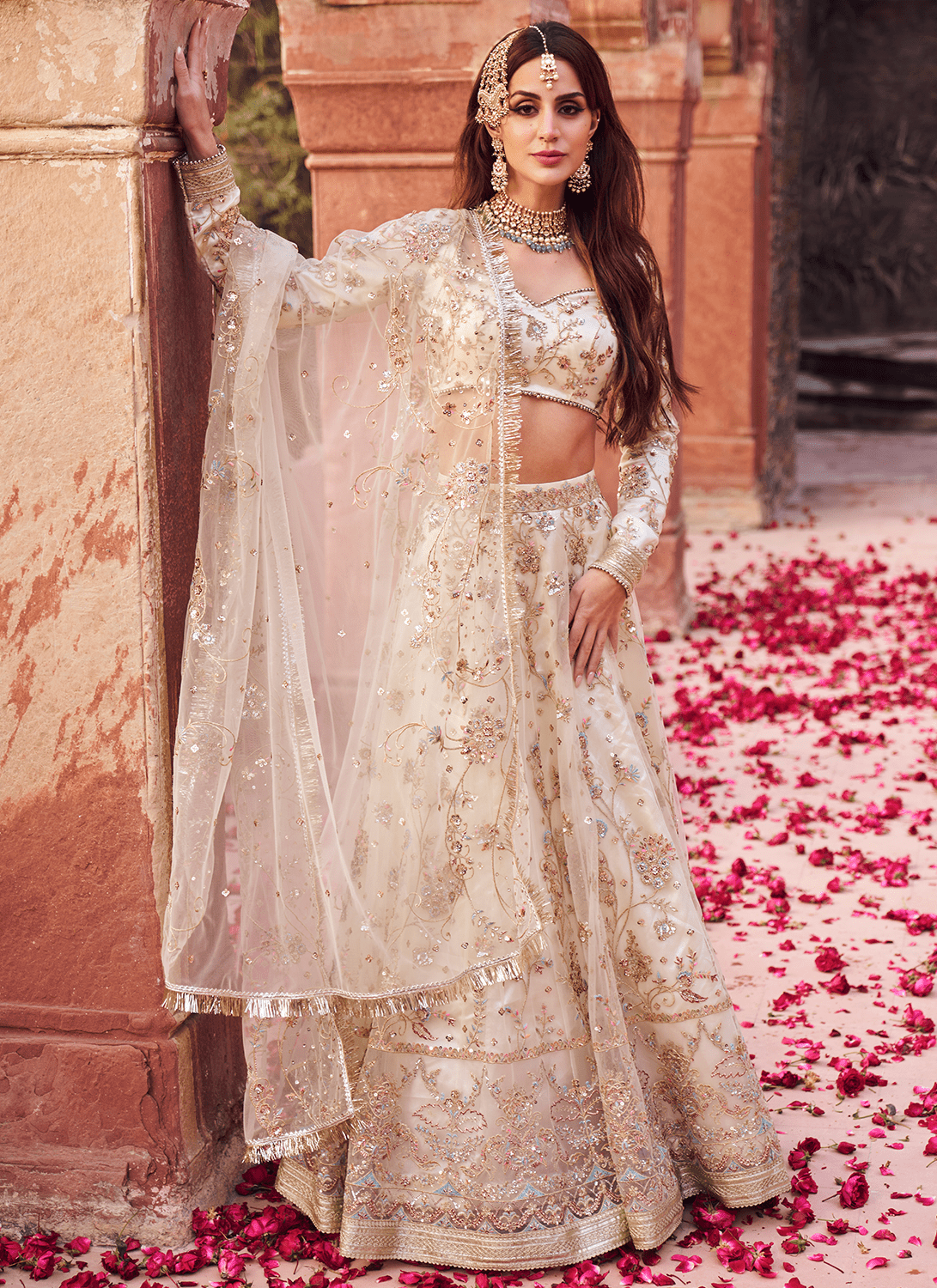
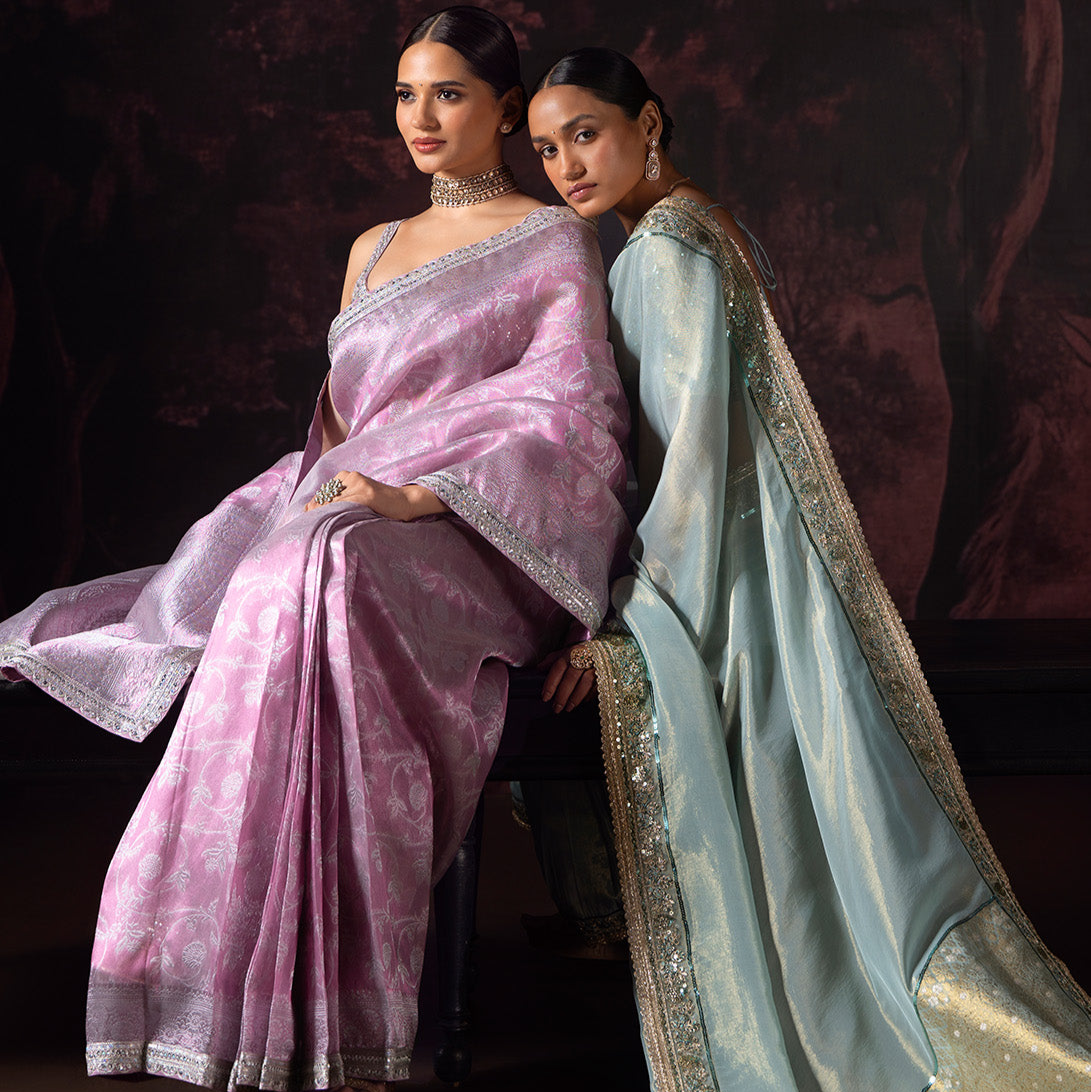
One classic way to wear your dupatta is to pin it at both shoulders. This makes it lie flat across the chest and drape over the arms to the wrists or elbows. This traditional style is a great way to show off the embellishments of your favorite dupatta.
If you’re pairing a particularly elegant dupatta featuring beadwork or zari, consider pinning it on both sides to really highlight the shine and craftsmanship.
2. Flowing Down From the Head

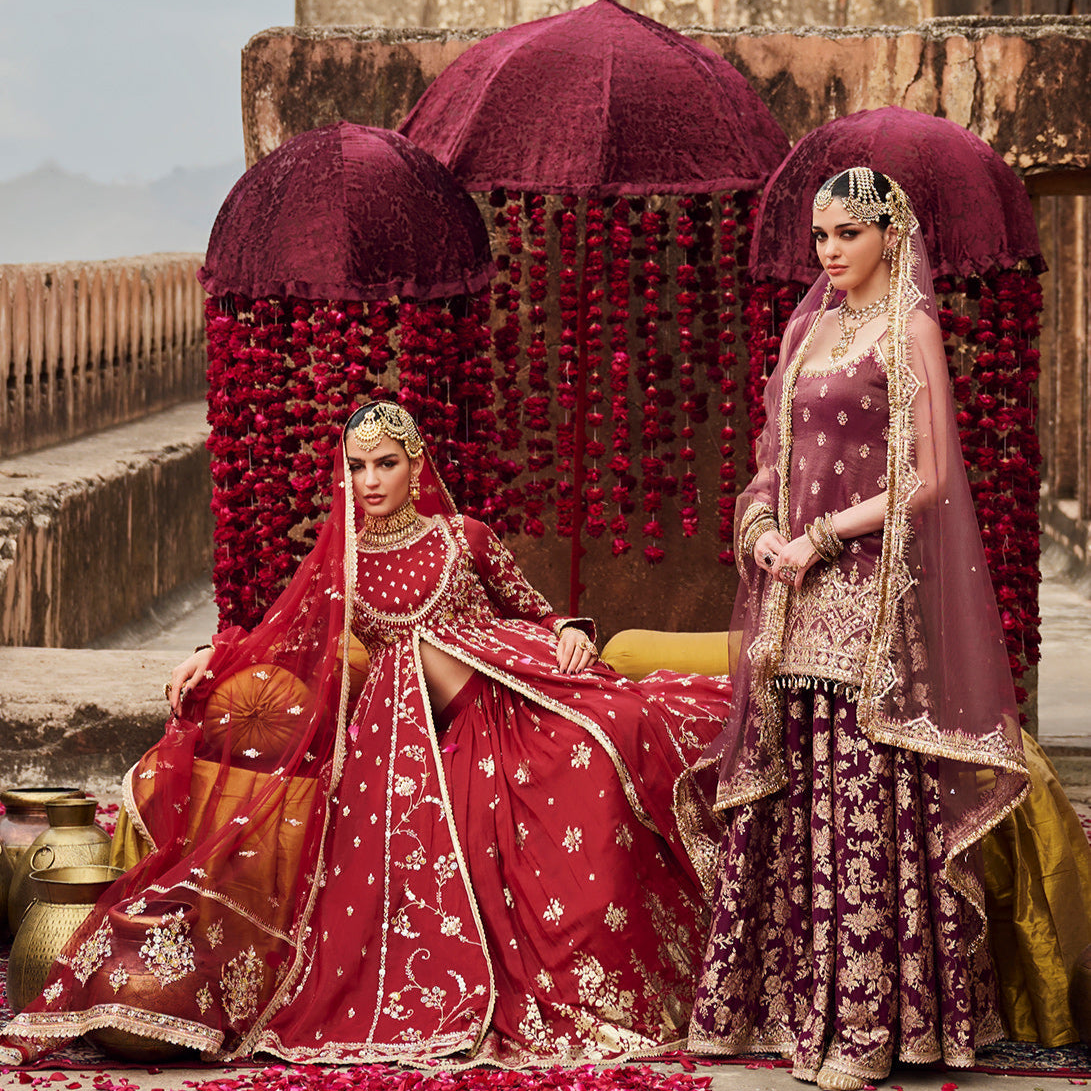
Another traditional way to drape your dupatta — one that looks particularly elegant — is to start at the head rather than the shoulders. This is a classic look for many brides, allowing you to show off your dupatta with a more modern twist.
3. Head and Chest

Take that look to the next level by draping your dupatta over the shoulder rather than leaving it loose. Pin it high on the head for a beautiful bridal display, and then embrace a little of the movement and pleating that makes dupattas so unique to create an eye-catching display.
This is an exquisite style for dupattas with unique colors or bold embellishments, like our Light Mint Embroidered Anarkali Style Lehenga.
4. Waist Tuck

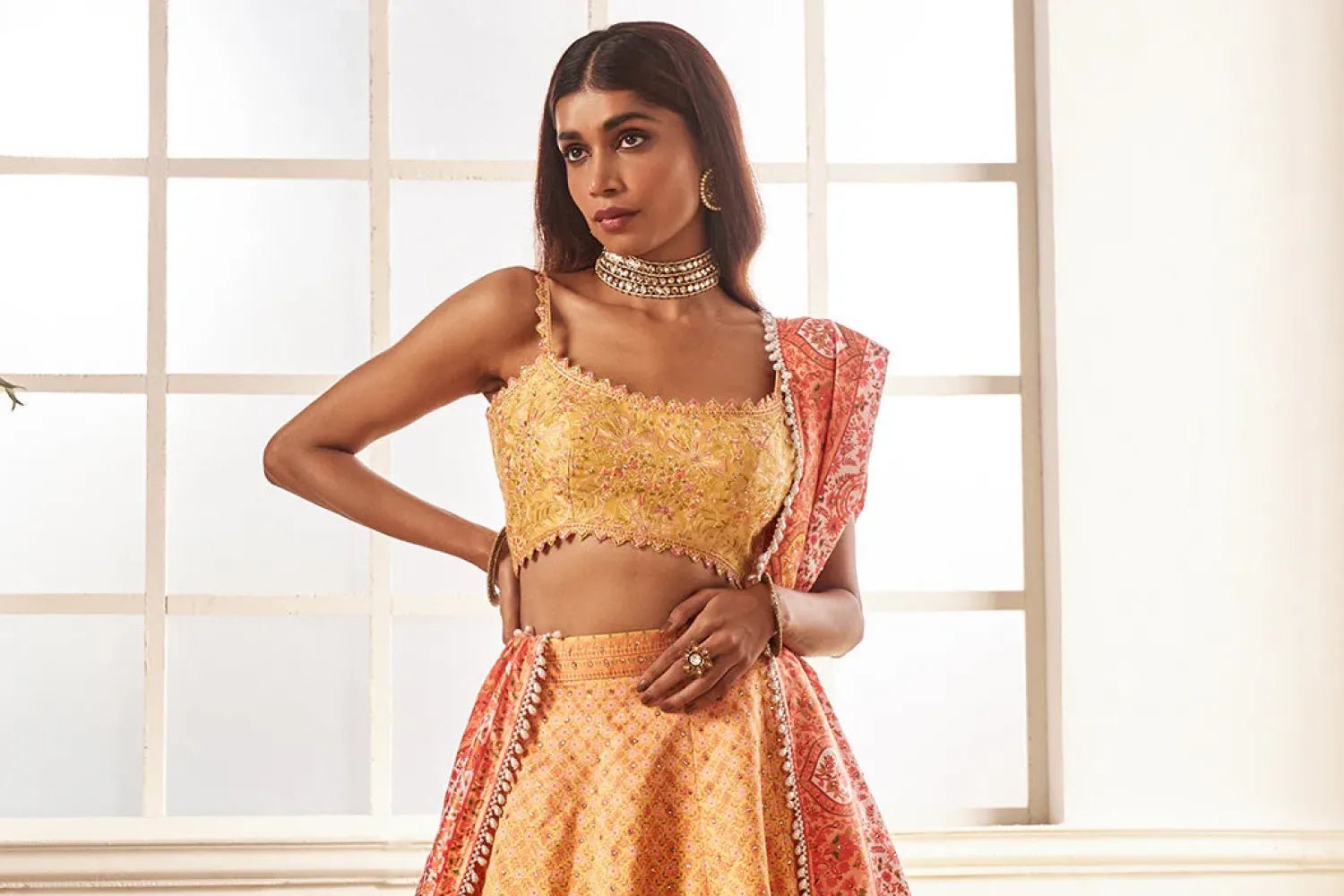
Tucking your dupatta at the waist adds a sense of grace to the whole outfit while making it easier to move around. Both practical and elegant, the waist tuck is easiest to achieve with some of the lighter or more flowing fabrics, like organza, tulle, or net.
5. Belted at the Waist

Belting your dupatta at the waist can give the outfit more shape and draw the eye to the body's natural curves. This way, you can also adjust the rest of your dupatta to really fit your style.
Consider pinning it over one shoulder or draping it at the elbow for a look that allows movement and comfort without sacrificing style. While not exactly traditional, this dupatta-style is a great way to incorporate traditional ideas into a draping technique that showcases your own style.
6. Off to One Side

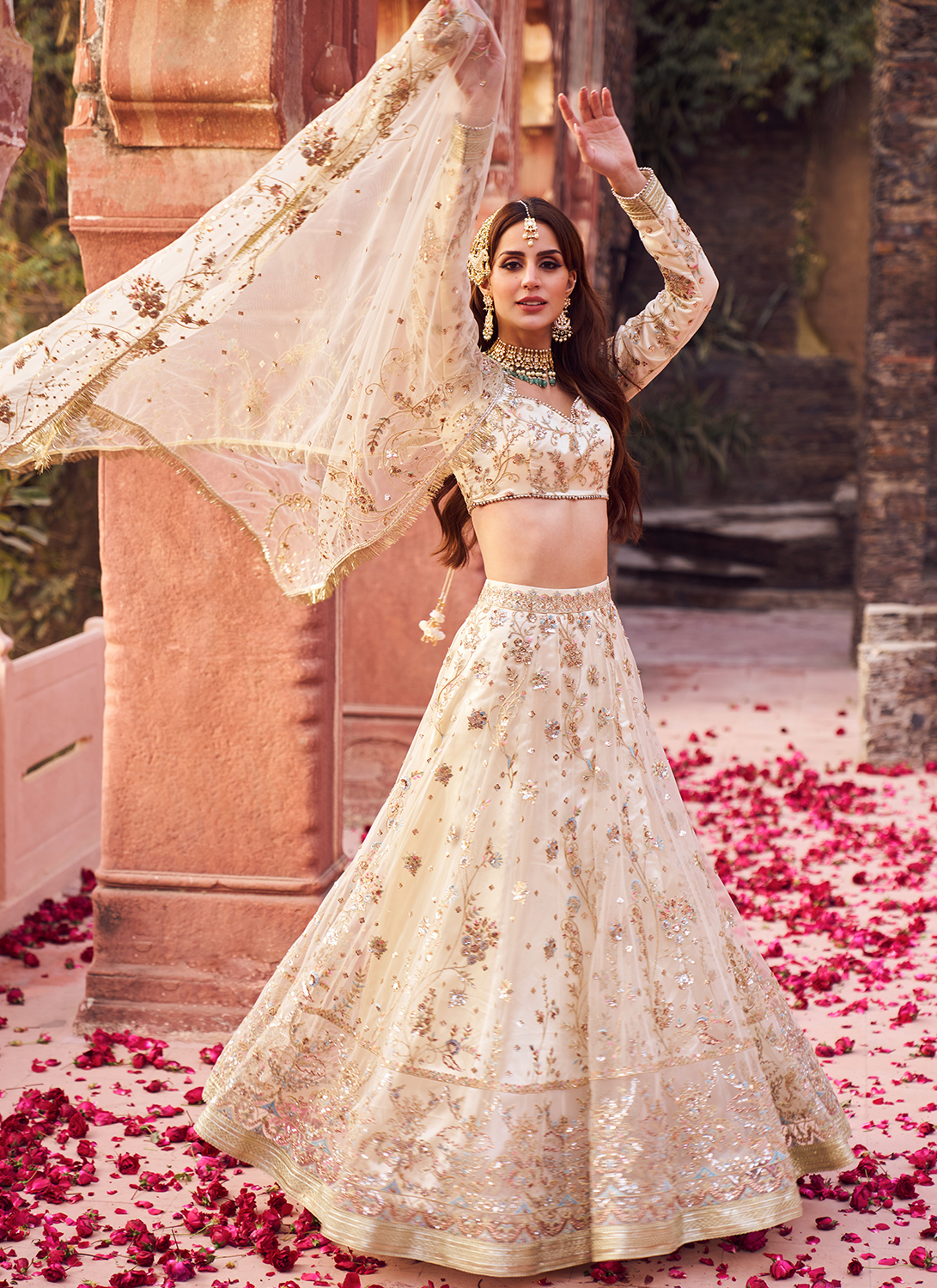
One simple and elegant way to show off the style of your dupatta is with an easy and effective one-sided design. About one-third of the dupatta will be draped over the shoulder and pinned there, while the rest flows free with the skirts of your lehenga.
This look requires delicate pleating, the best way to showcase intricate designs and patterns.
7. Over the Elbow

If you’re looking for a fairytale style and feminine appearance, consider tucking your dupatta at the elbows. This allows for plenty of movement and grace while highlighting the most beautiful designs and details of your fabrics.
The elbow tuck looks lovely with either one or both elbows. You can adjust your dupatta to highlight the body's natural shape and add a touch of extra elegance and regality with every step.
8. Draped Over Shoulders

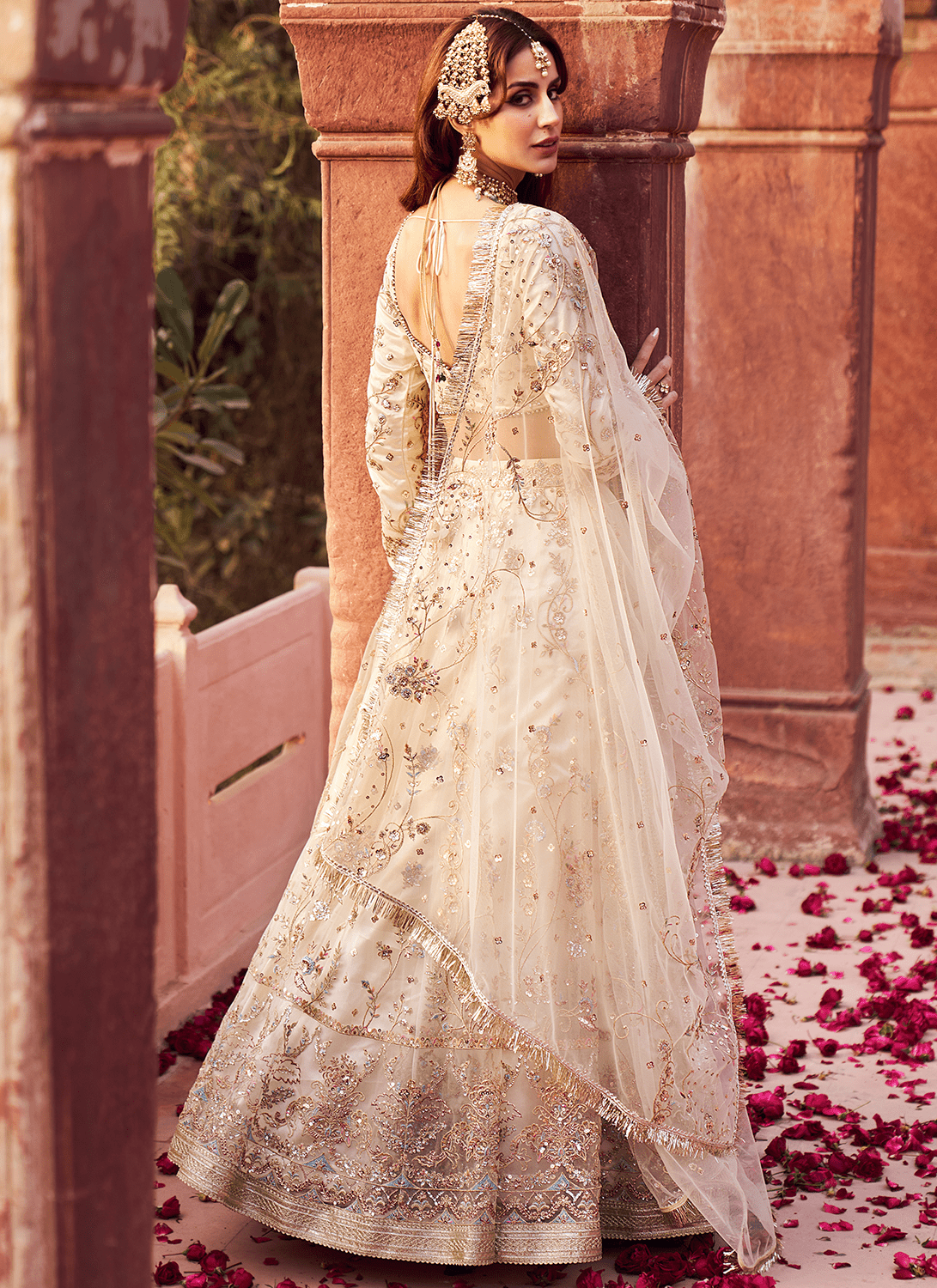
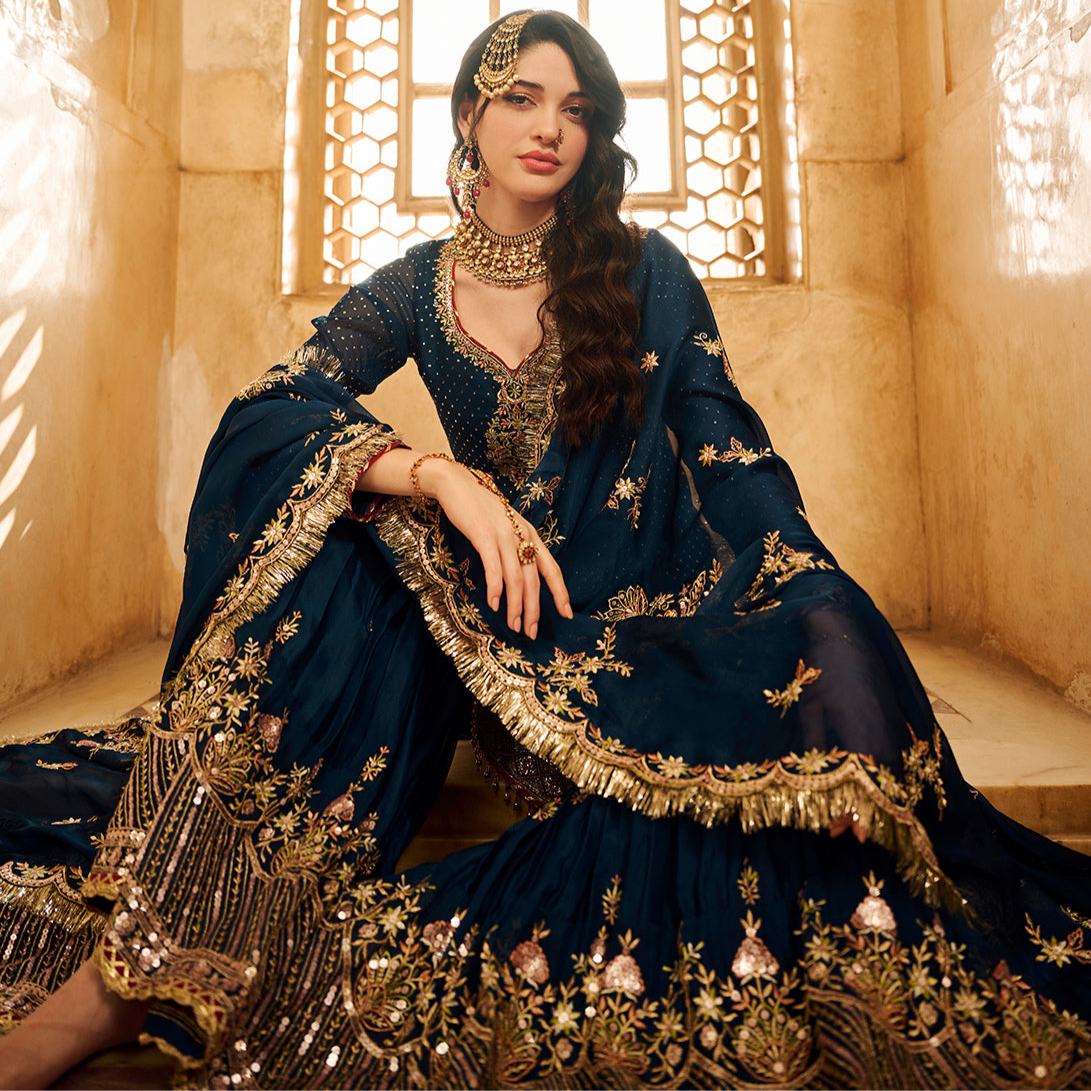
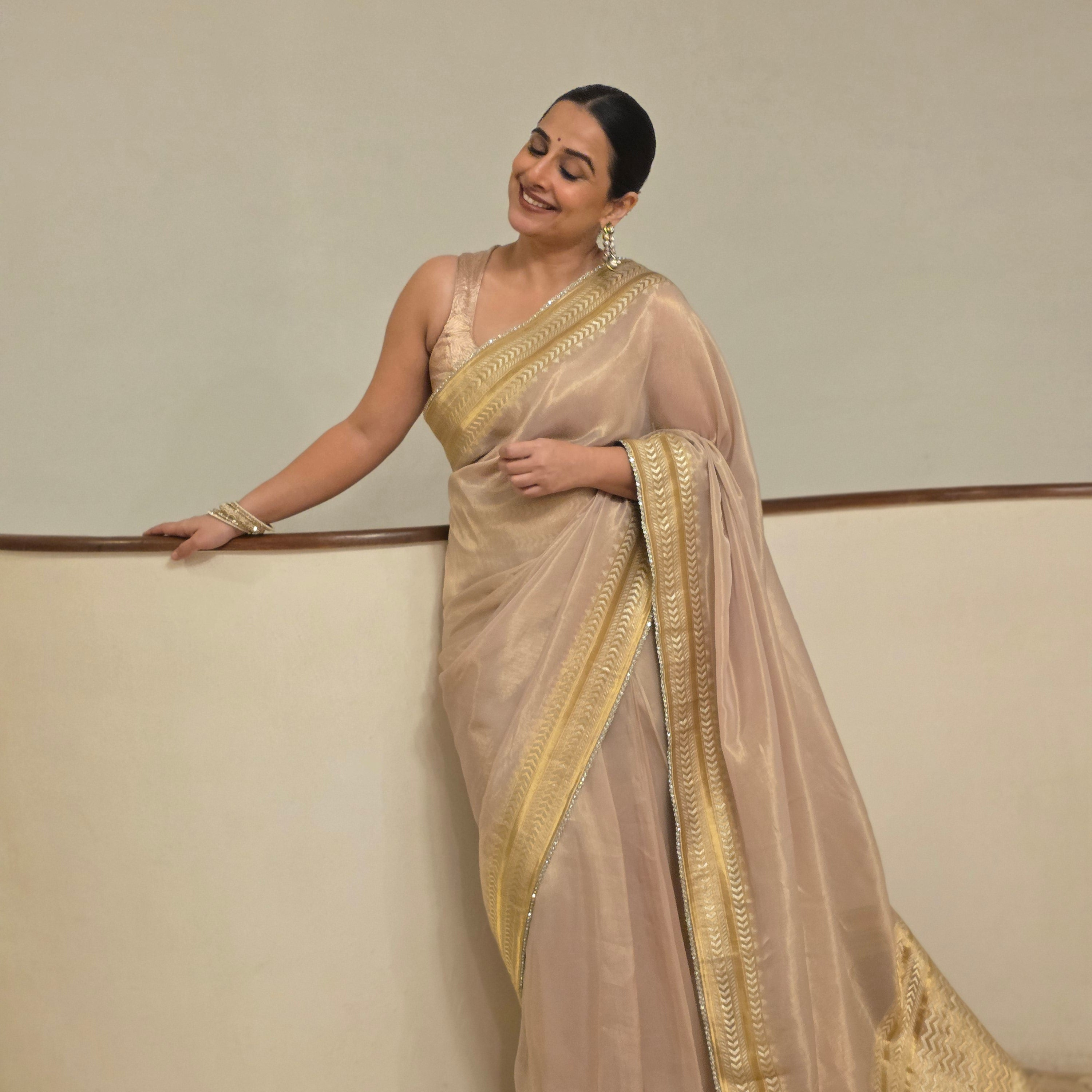
Draping your dupatta over your shoulders is one of the most timeless and effortless styles. It creates a soft, cape-like silhouette that instantly elevates your outfit while giving the fabric plenty of room to shine. Whether your dupatta features heavy embroidery, zari work, or delicate scalloped borders, this drape showcases the full design beautifully.
To achieve this look, simply rest the dupatta evenly on both shoulders and let it fall naturally along your arms and back. You can leave it loose for a relaxed, flowy effect or secure it with discreet pins if you want a bit more structure—especially helpful during weddings, festive events, or long ceremonies.
9. Covering the Face

By covering the head and face, you can pay homage to the history and tradition associated with the dupatta in a more modern way. Simply pin your dupatta to your hair and allow it to flow over your face for a dramatic and bold style.
This look is particularly effective with more translucent fabrics like net and organza, which allow you to show off your makeup and natural beauty in a mysterious and alluring way.
10. Pinned to the Bun

If you love the high dupatta but want to show off your makeup or stay cool on hot days, consider pinning your dupatta at the back of the head rather than at the top. This allows you plenty of room for movement and the unique flow of fabric.
Of course, you’ll have different options for draping your dupatta across the body as well. Consider laying it over the shoulders and cinching it at the wrists or elbows. This is a great look to customize to your specific curves and preferences.
When pinning your dupatta to your hair, you want to make sure you pick a light material dupatta. This will help maintain the hairstyle's integrity while still giving you a dramatic dupatta look.
Choosing Your Dupatta
Choosing how to style your dupatta comes down to the style of the piece itself and your personal aesthetics. To a given person, a particular dupatta will look best in a few ways. New fashion conventions, however, allow us to express ourselves while keeping traditional styles close to our hearts.
The texture, materials, and embellishments of your dupatta will help to inform the best approach to your next look. Look at border designs, lace patterns, metallic threadwork, and stonework. You also want to account for your personal style, as some drape options are more modern or bold, while others are better for movement or comfort.
Flawless From Head to Toe
The dupatta is one of the most iconic elements of classic fashion, and there are so many different ways to make it your own. You can adjust the style and shape of the dupatta by pinning it across the chest, over one shoulder, or cinching it at the elbow or waist.
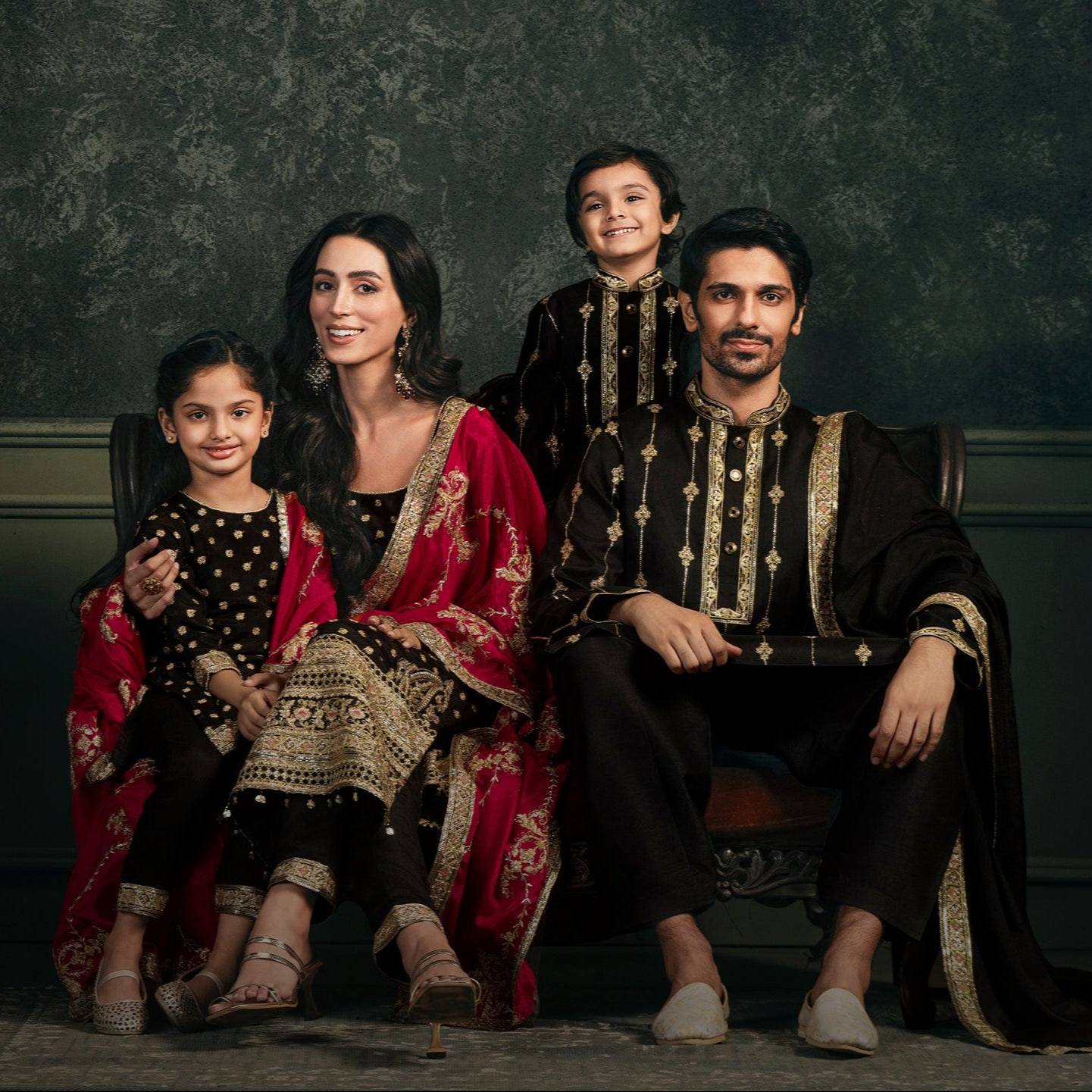
Lashkaraa includes a dupatta with most of our suits. Apparel from salwar suits to sarees and more can be enhanced with this classic accessory. Traditions are valuable and keep us grounded, but they also change over time. The dupatta expresses this better than anything else could.
Lashkaraa is here to help you find the best style for you. We make it easy to connect with and pass down your cultural traditions, and it all starts with that perfect drape. Pick out dupattas in materials like satin, georgette, and organza, and begin trying out unique and personal draping styles today.

Sources:
Fashion Trends and Its Impact on Society 1. Introduction | Research Gate
Yarmulke, Mitra, or Veil: Religious Head Coverings Across the Globe | DW
Significance of Red, Green, and Yellow During Weddings I Wirally
Five dances in India that capture the magic of the country | CNN Travel
24 Beautiful Indian Wedding Hairstyles for Every Bridal Personality | Brides
"Reinventing the cultural heritage with modern designs in the Fashion industry" | APN News