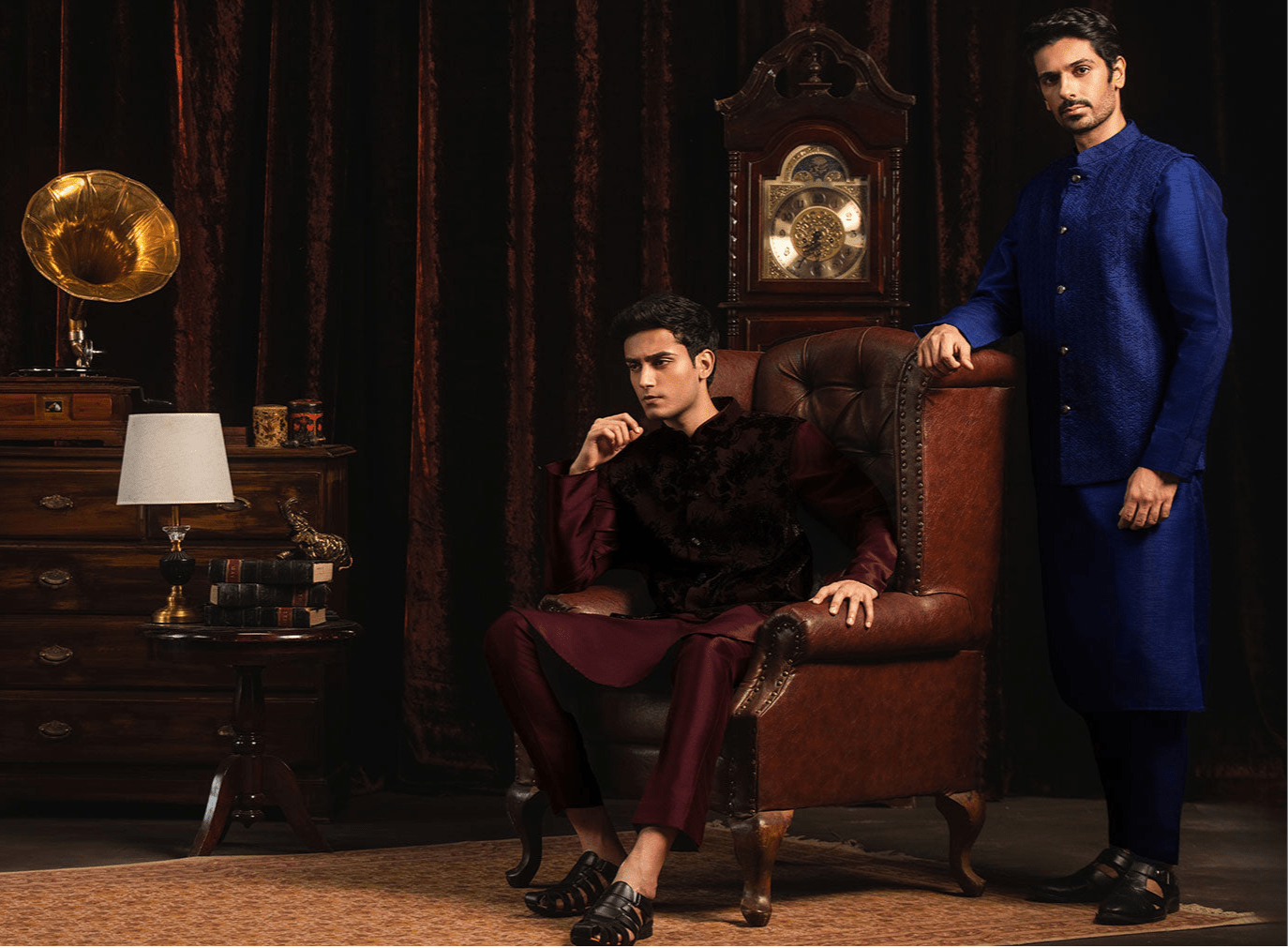
What Is a Kurta? Popular Styles, Fabrics, and How to Fashion
Most pieces of traditional Indian clothing are immediately recognizable. Of these, few garments are as iconic or as enduring as the kurta. Worn for centuries across South Asia, the kurta has become a staple that’s as essential to Indian wardrobes as it is versatile. From everyday wear to ceremonial finery, it has evolved to suit every occasion and style preference. Today, it exists in countless fabrics, colors, and cuts, each with its own charm.
Let’s take a closer look at what defines a traditional kurta, how it differs from the kurti, what to wear for different occasions, and the different fabrics most commonly used in kurta fashion.
What Is a Kurta?
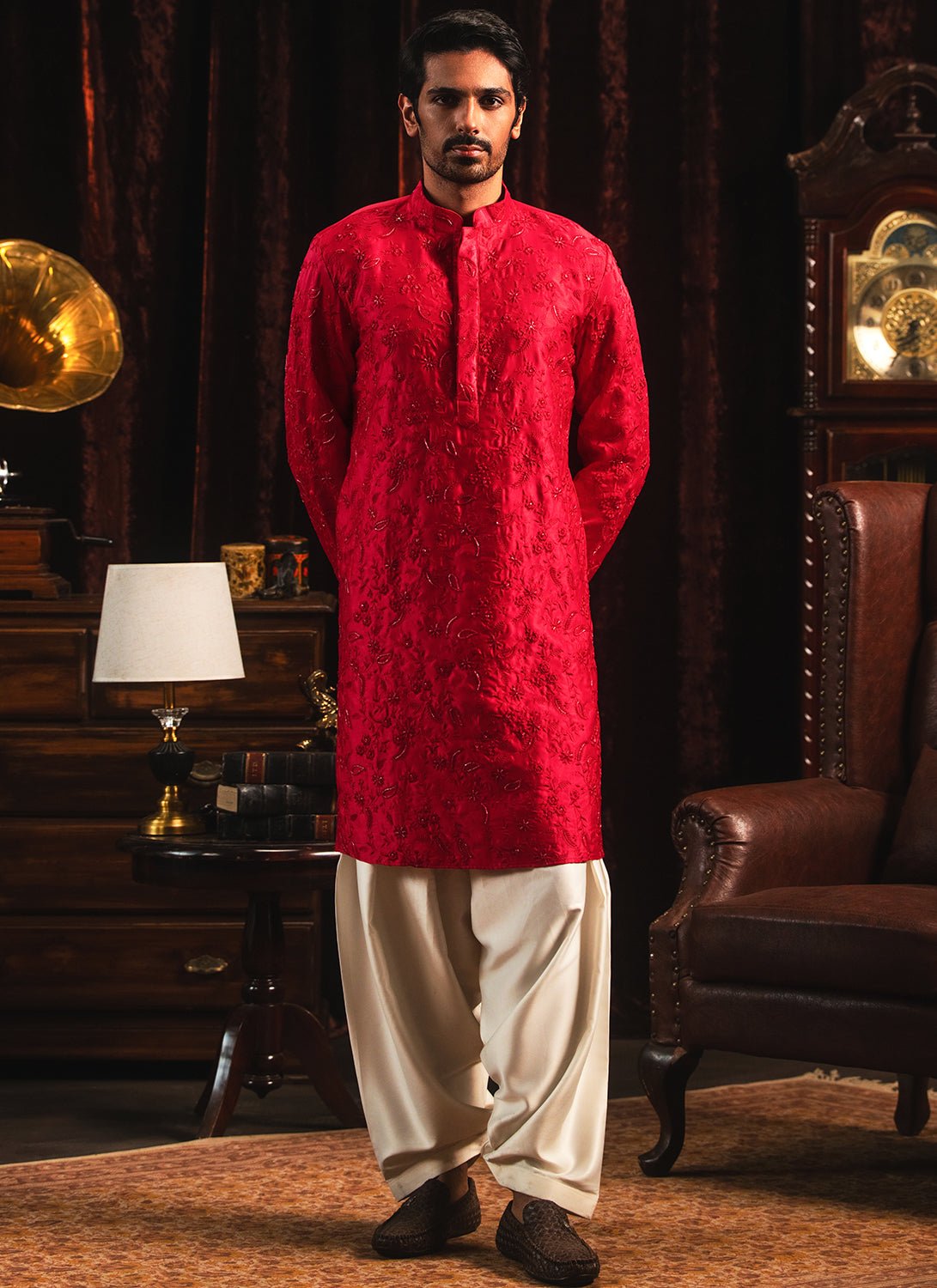
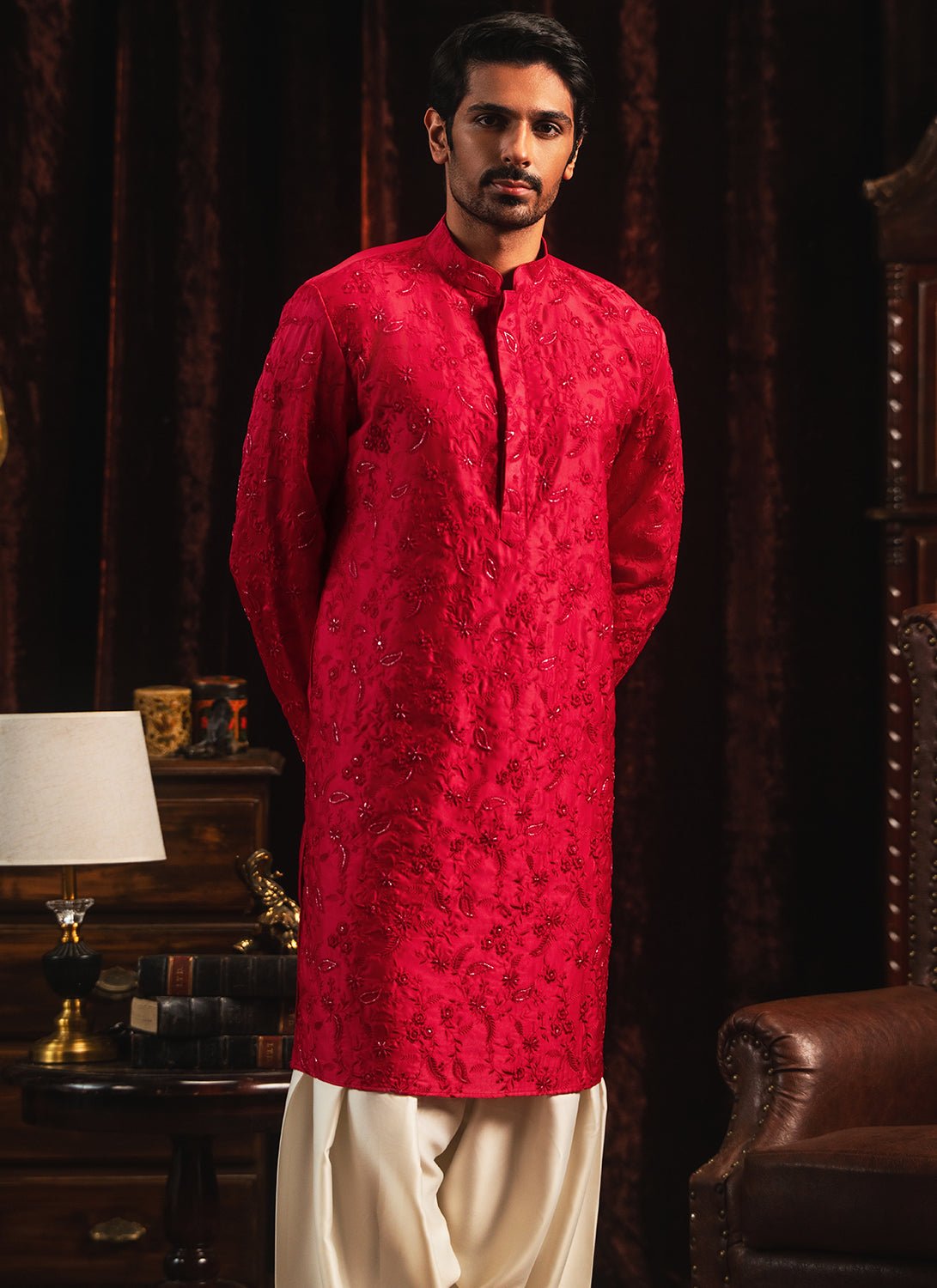
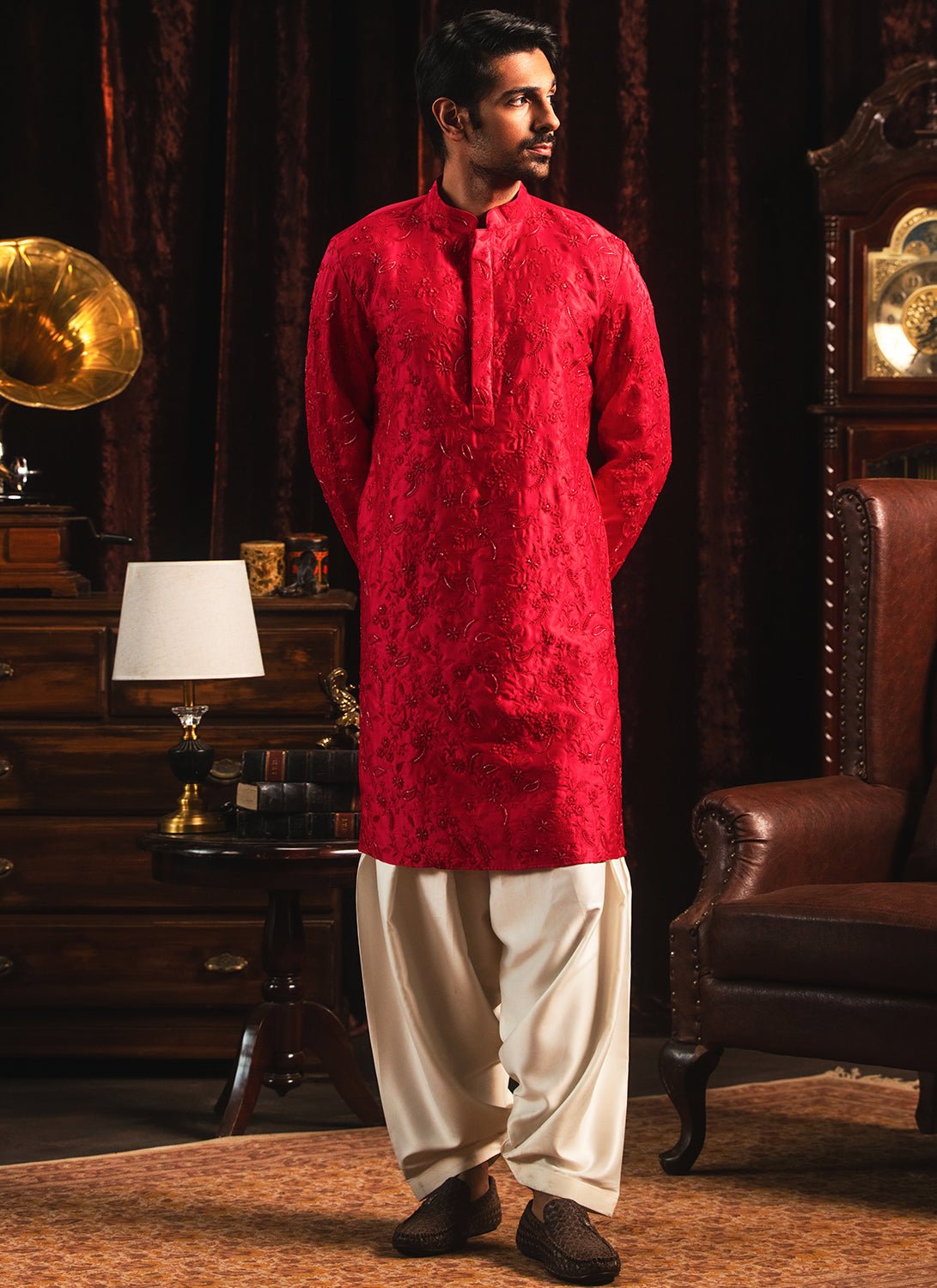
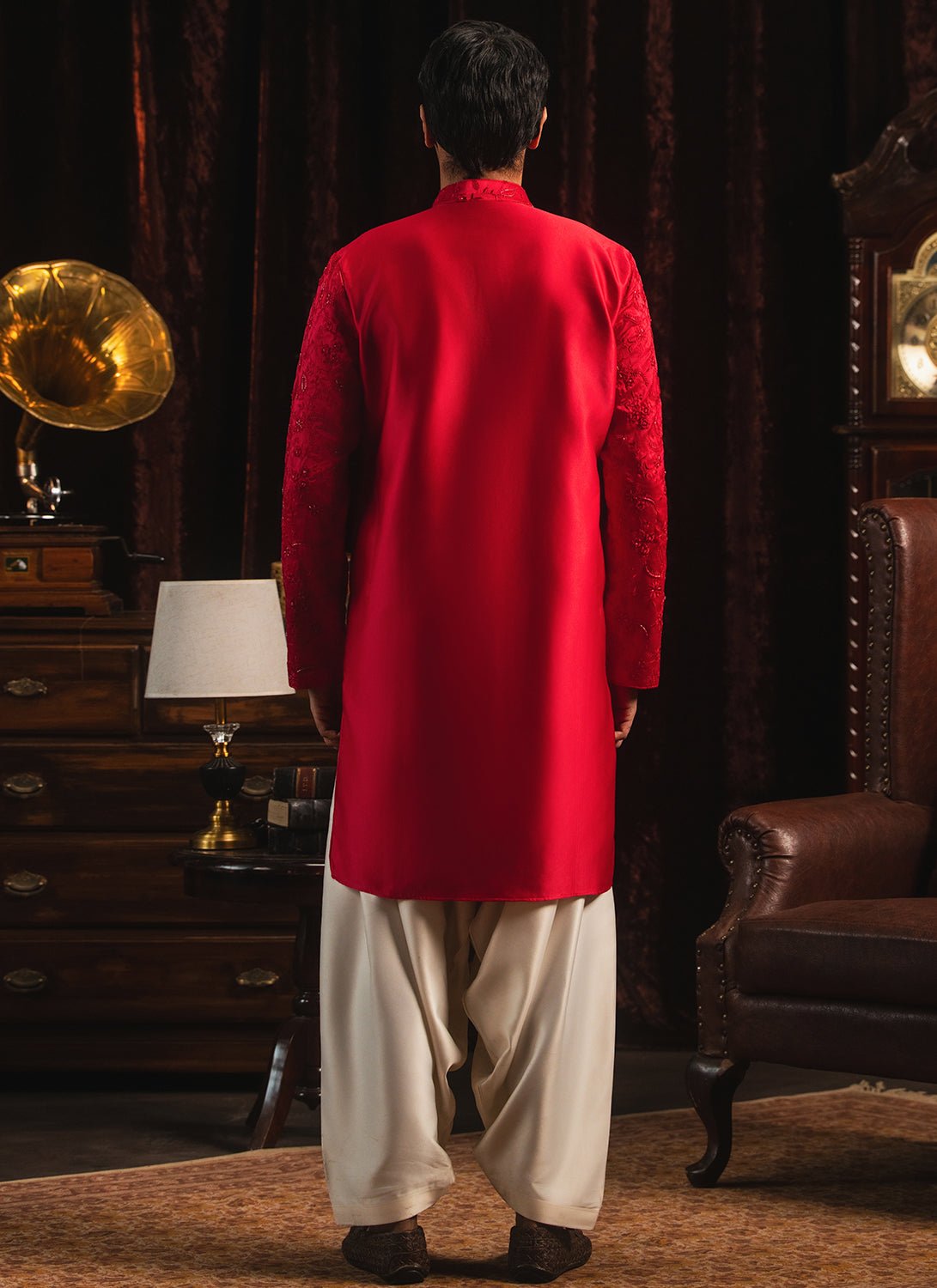
The kurta is traditionally a loose-fitting tunic that falls anywhere from mid-thigh to just below the knee. Initially a male garment, it has since been embraced by people of all genders and continues to be a central piece in both traditional and modern Indian wardrobes.
True to its name, which translates to “collarless shirt,” it typically lacks a collar. It's designed for comfort and ease of movement, featuring long sleeves and a straight silhouette. Whether made in simple cotton for daily wear or in ornate fabrics for formal events, the kurta’s enduring popularity lies in its timeless shape and adaptability.
What’s the Difference Between a Kurta and Kurti?
While the kurta is a long tunic worn by both men and women, the kurti is often shorter and more tailored, typically worn by women. The difference between a kurta and kurtis lies in length and fit, although the lines are increasingly blurred with contemporary styling. A kurti may stop at the hips or thighs, whereas a kurta tends to be longer. Despite their differences, both garments celebrate ease and versatility, forming a crucial part of Indian ethnic wear.
Choosing the Best Kurta for Different Occasions
A men’s kurta is defined by how it adapts to the moment. From understated daily wear to statement-making occasion pieces, the right kurta depends on fabric, tailoring, and styling.
Casual Wear

For everyday ease, opt for breathable cotton or rayon kurtas in relaxed fits. Think soft pastels, minimal prints, or subtle embroidery. Pair a straight-cut kurta with leggings or palazzos for a look that feels effortless yet put-together aking it perfect for casual outings, or lounging in style. Our array of Beige Embroidered Kurta Set, Light Pink Embroidered Kurta Set, Light Blue Embroidered Kurta Set classifies as casual kurtas.
Office Wear

Workwear kurtas strike a balance between structure and comfort. Tailored silhouettes in muted tones, fine prints, or understated embroidery create a polished look like in our Navy Blue Embroidered Kurta Set. Style with slim-fit trousers or churidars, and layer with a Nehru jacket for a sharp, professional finish.
Wedding & Occasion Wear

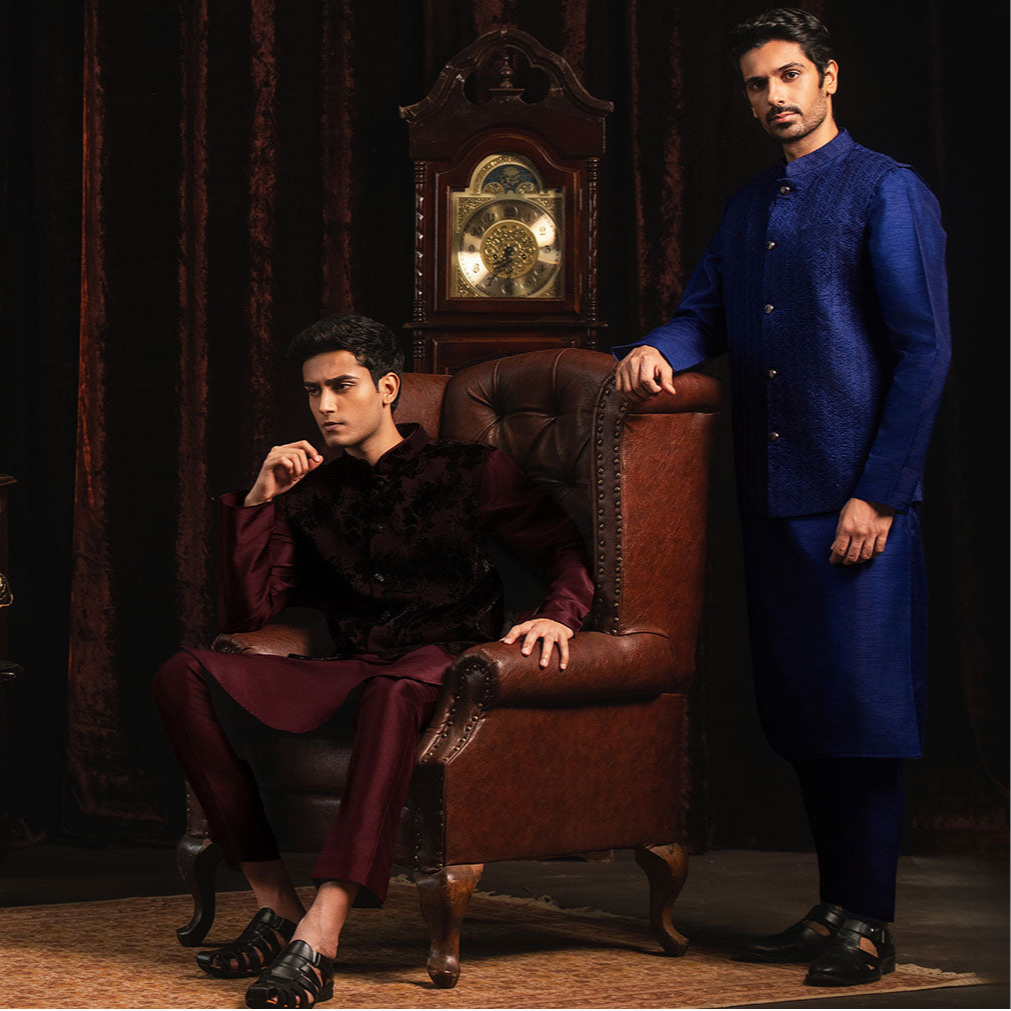
For weddings and formal celebrations, kurtas take on a more regal form. Velvet Jodhpuri sets, intricately embroidered kurtas, and layered ensembles define this space. While the Blue Embroidered Silk Sherwani Set is great for evening occasions, the Gold Embroidered Sherwani Set is ideal for day festivities. Style with churidars or structured trousers, and elevate the look with a Jodhpuri jacket or sherwani-style layering for a commanding presence.
Festive Wear

Festive occasions call for richer fabrics and elevated detailing. Silk and satin kurtas with embroidery or textured weaves strike the perfect balance between tradition and statement. Pair with churidars or tailored pants, and complete the look with a dupatta or a lightly embellished jacket. Check out our Off White Multicolor Printed Nehru Jacket Set for festive options.
What Are the Best Materials for a Kurta?
Fabric is what gives a kurta its feel, flow, and occasion-specific relevance. Traditional kurtas are usually made from pure fabrics rather than blends, resulting in a more authentic texture and drape. There are many materials used for a kurta, and no single fabric is the “right” option, since each has its own benefits and drawbacks. Based on occasion and personal style, you may choose from these classic kurta fabrics below.
Cotton Kurtas
Cotton is one of the most highly utilized fabrics in the entire world for several reasons. The fabric is lightweight, breathable, and can be woven into any number of textiles to great effect. Kurtas made from cotton will likely be visibly matte, lightweight, and perfect for the summer. They are wonderful for daily use or as a piece to pair underneath formalwear.
Satin Kurtas

Satin technically refers to the weave of the fabric rather than the textile itself. Traditional satin is made from silk and has a glossy shine to match. The fabric is exceptionally strong, thanks to the nature of the weave. Satin garments can be tricky to construct, which is why this material usually appears in professionally made pieces.
Silk Kurtas
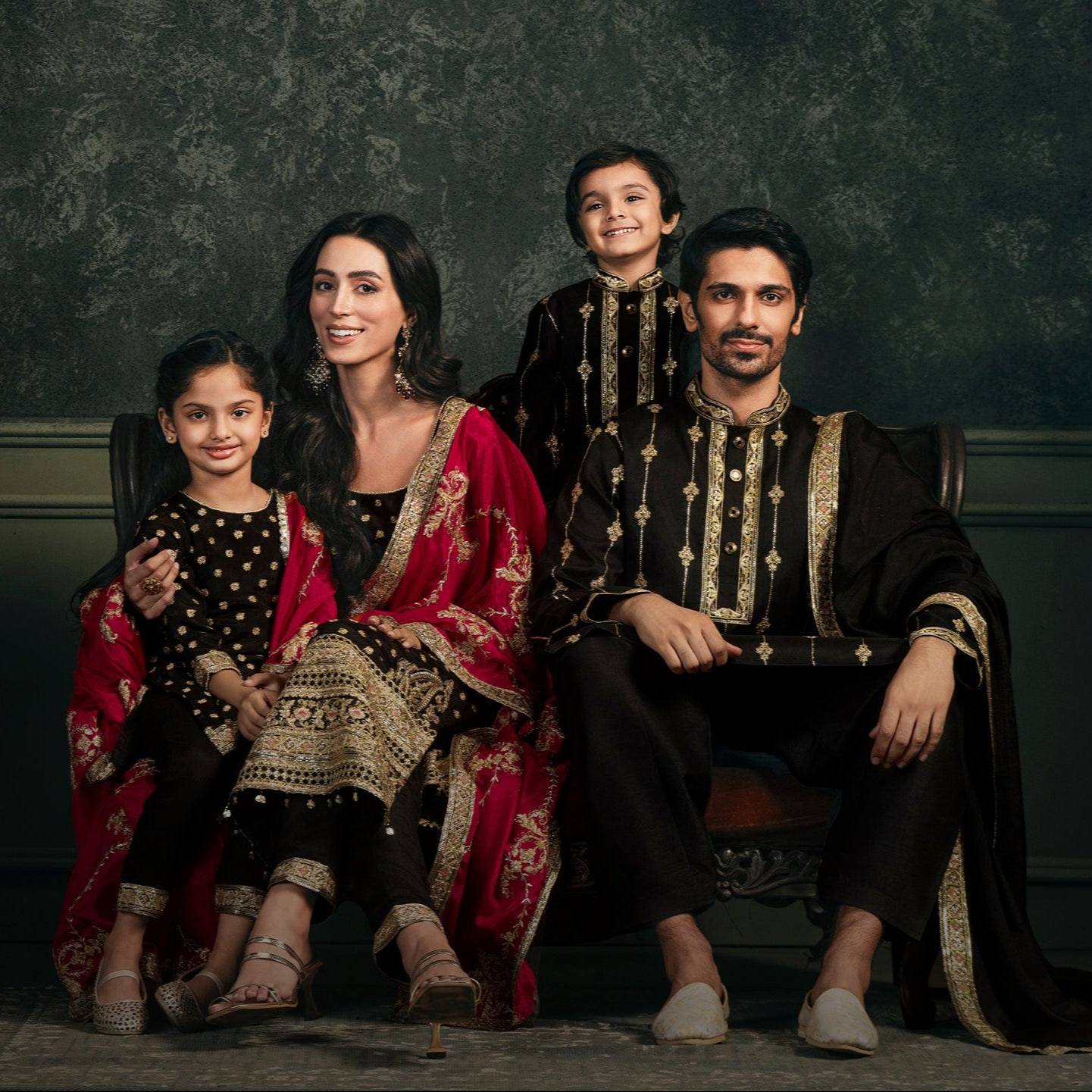
Silk is arguably the gold standard when it comes to historical luxury fabrics. In the global silk industry, the dominant producers are India and China. Silk takes dye well, allowing for rich designs and color. It is lightweight and subtly elastic. Silk has a smoothness and shine, making it immediately recognizable, as you can see in with the Black Embroidered Silk Kurta Set. This fabric is also fast-drying, which is excellent for washing (but keep in mind that silk often must be hand-washed).
Rayon Kurtas
The kurta has been around for countless centuries. Given this, it should be no surprise that rayon is the only synthetic fabric to make the kurta fabric list. When rayon first emerged in the late 1800s, it was known as artificial silk. Some believe the term “rayon” is derived from the French word “rayon,” which means “ray of light.” Compared to natural fabrics, rayon comes the closest to resembling silk. It is lightweight, does not retain heat, and has a subtle luster that can enhance any outfit when worn.
Velvet Kurtas

Velvet kurtas are where tradition meets opulence. Ideal for cooler months and formal occasions, they provide warmth and grandeur in equal measure. The collection showcases velvet like never before with hand-embroidery and contemporary hues. The Light Pink Hand Embroidered Velvet Jodhpuri Set is a vision of refined elegance. Soft yet impactful, this set combines a pastel tone with intricate threadwork, creating an outfit that’s perfect for daytime weddings or high-end festivities.
Next, the Soft Mint Hand Embroidered Velvet Jodhpuri Set stands out with its cool, refreshing color and finely detailed embellishments. This look is tailored for those who want to stand apart in a crowd without being loud. It’s especially fitting for pre-wedding functions like mehendi or engagement ceremonies, where fashion meets celebration.
Kurta Outfit Ideas: How to Style & Wear a Kurta
Styling a men’s kurta is all about balancing the traditional silhouette with layers, textures and accessories. Small changes in pairing and layering can completely transform the look.
- Classic Traditional: A straight kurta with churidar and mojris for timeless elegance.
- Smart Casual: Pair a cotton kurta with jeans or slim trousers for an easy, contemporary outfit.
- Festive Ready: Choose an embroidered kurta with a Nehru jacket for a layered, celebratory look.
- Statement Occasionwear: Opt for a velvet or silk kurta set with structured outerwear for weddings and evening events.
- Minimal Modern: Monochrome kurtas styled with tailored pants and clean footwear for a sleek, understated aesthetic.
The modern men’s kurta moves seamlessly between casual and formal, making it one of the most versatile pieces in contemporary ethnic wardrobes.
The Perfect Kurta for You
The kurta is a fashion and cultural staple. It can be worn to bed, work, and social gatherings. Kurtas are popular in men's ethnic wear at weddings, depending on the design. With unmatched comfort and ease of wear, it's no wonder that it has become a generation-defining garment.
Even then, it still evolves. Two hundred years ago, we would not have had rayon kurtas. There is no telling what the next step is until it happens. At Lashkaraa, we aspire to be that next step.

Frequently Asked Questions:
Although the traditions and styling of a kurta is pretty similar to that of a formal or semi-formal attire, there may be doubts and questions to clarify to make wearing a kurta a more comfortable experience. So let’s dive into some of the most frequently asked questions.What is the difference between a kurta and a kurta set?
A kurta refers to the standalone tunic, while a kurta set includes coordinated bottoms such as pyjamas, churidars, or trousers, and sometimes an additional layer like a jacket.
Can men wear kurtas casually?
Yes. While this guide focuses on menswear, kurtas are worn across genders and have evolved into a versatile staple in both men’s and women’s wardrobes.
What do you wear under a kurta?
Most men pair kurtas with pyjamas, churidars, or tailored trousers. For lighter fabrics, wearing a breathable inner vest can add comfort and structure.
How long should men’s kurtas be?
A traditional men’s kurta typically falls at or just above the knee. Modern variations may be slightly shorter or longer depending on the silhouette and occasion.
Is a kurta the same as a tunic?
While similar in form, a kurta is rooted in South Asian tradition and features distinct cuts, fabrics, and styling elements that set it apart from a standard tunic.
Sources:
Everything You Need to Know About Rayon Fabrics | TradeUNO