What to Wear to an Indian Wedding in Winter
A winter wedding has its own kind of magic: rich colors, glowing lights, and the warmth of a full house against the cold outside. It also brings a real styling puzzle. How do you stay warm without hiding your outfit under a bulky coat? Worry not as we’ve put together practical advice for choosing an Indian wedding guest winter outfit, along with real lehengas, suits, and sarees from our collection that suit the season.
Winter Wedding Basics: What Changes in Cold Weather
Cold weather changes three things about wedding dressing: fabric, layers, and venue, and each one shapes your Indian wedding guest winter outfit more than any trend. Heavier fabrics like silk, brocade, and velvet naturally hold more warmth than light organza or net. Layering becomes part of the outfit rather than an afterthought. And the venue matters more than ever, since a heated banquet hall is a very different environment from an outdoor mandap or a drafty baraat procession.
Before you buy anything, check the details on the invitation. The Indian wedding guest dress code may be spelled out, or it may be implied by the setting and time of day. Daytime ceremonies lean traditional and a little more modest, while evening receptions welcome shimmer and drama. In winter, the Indian wedding guest dress code also quietly includes practicality, since nobody expects you to shiver for the sake of a sleeveless blouse. Knowing the event helps you balance style with warmth, which is the real heart of a good winter Indian wedding outfit. Think of the winter Indian wedding outfit as a system, with the outfit, the wrap, and the footwear working together.
Choosing Warm Ethnic Wear
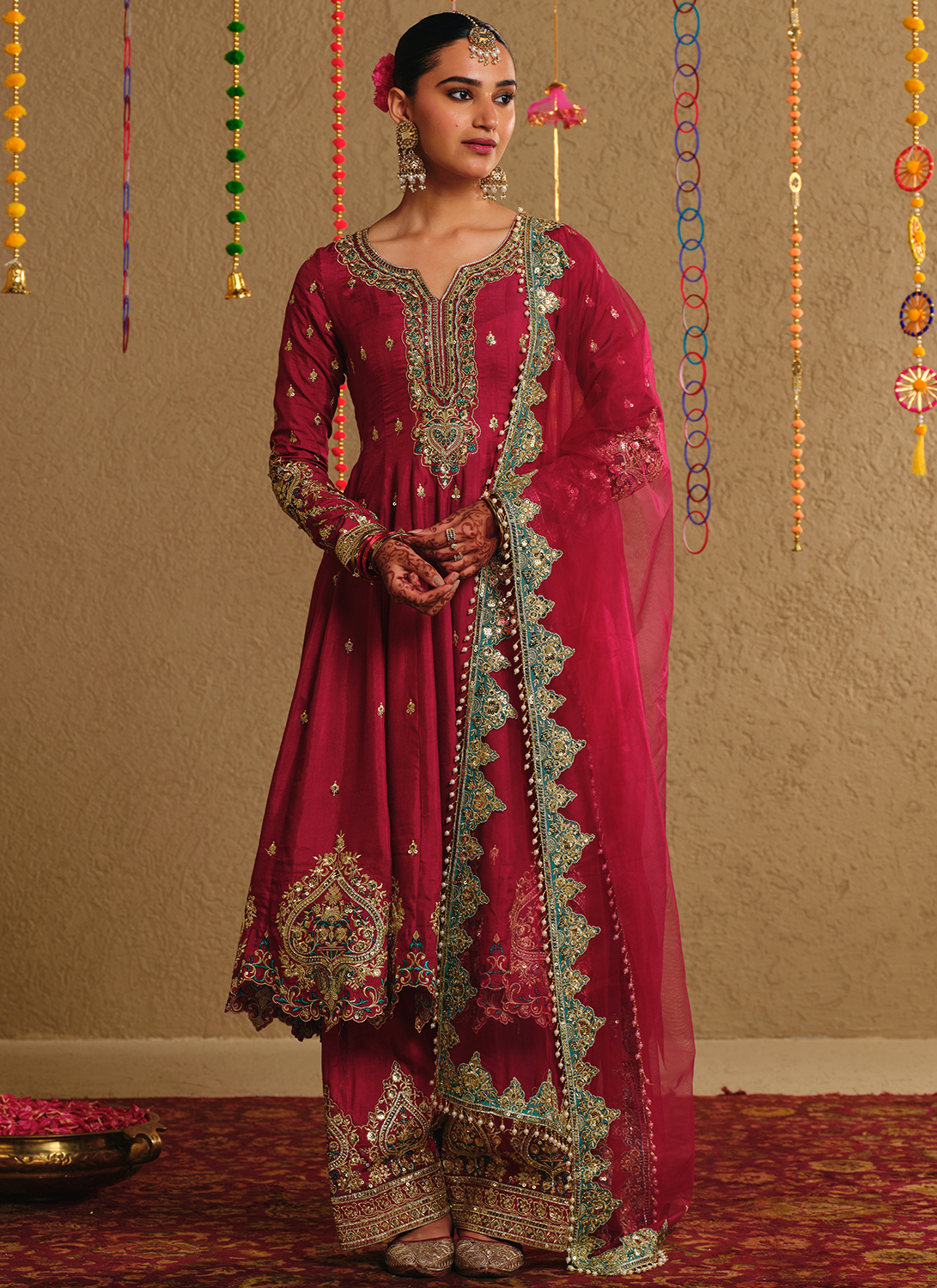
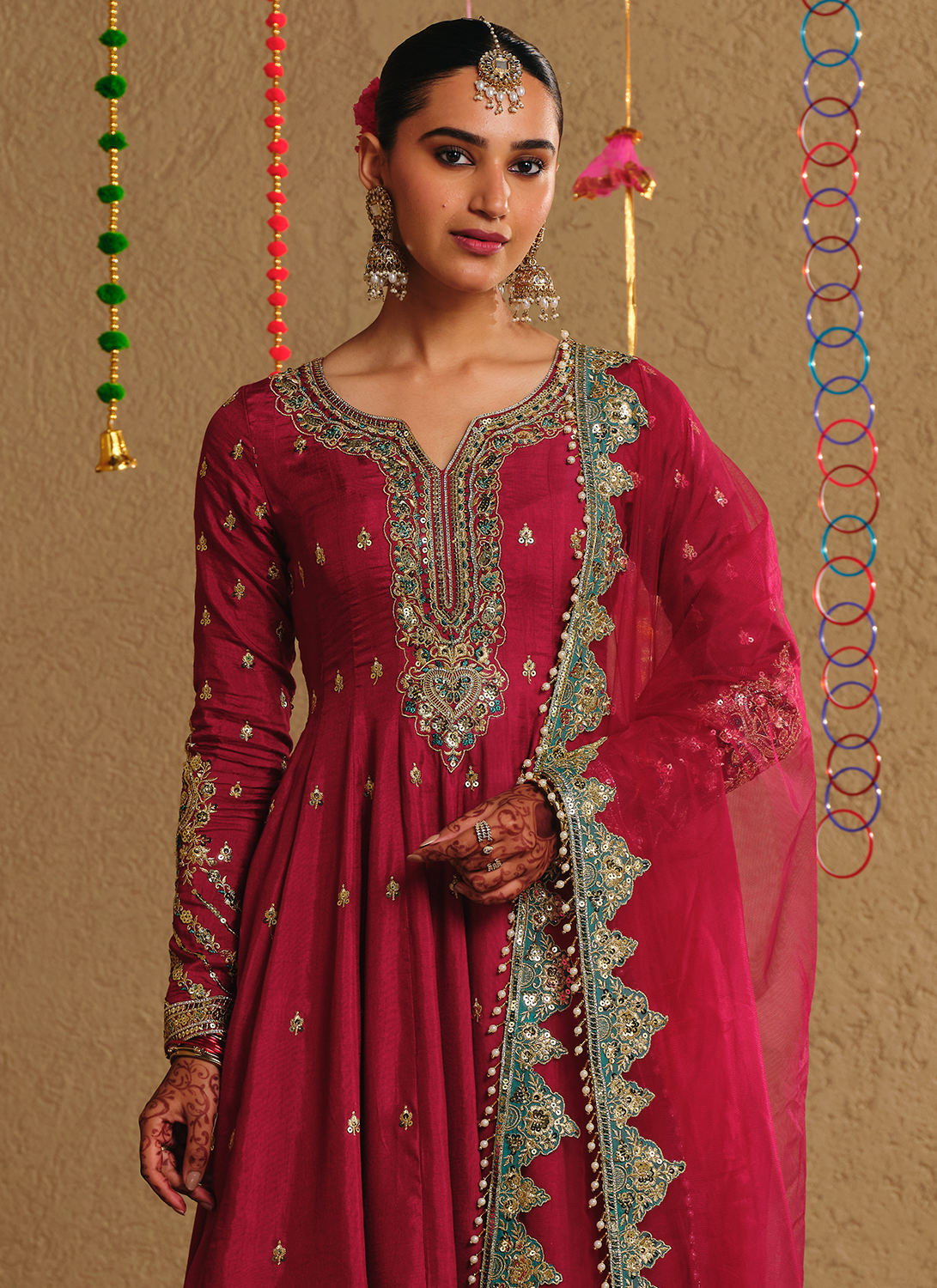
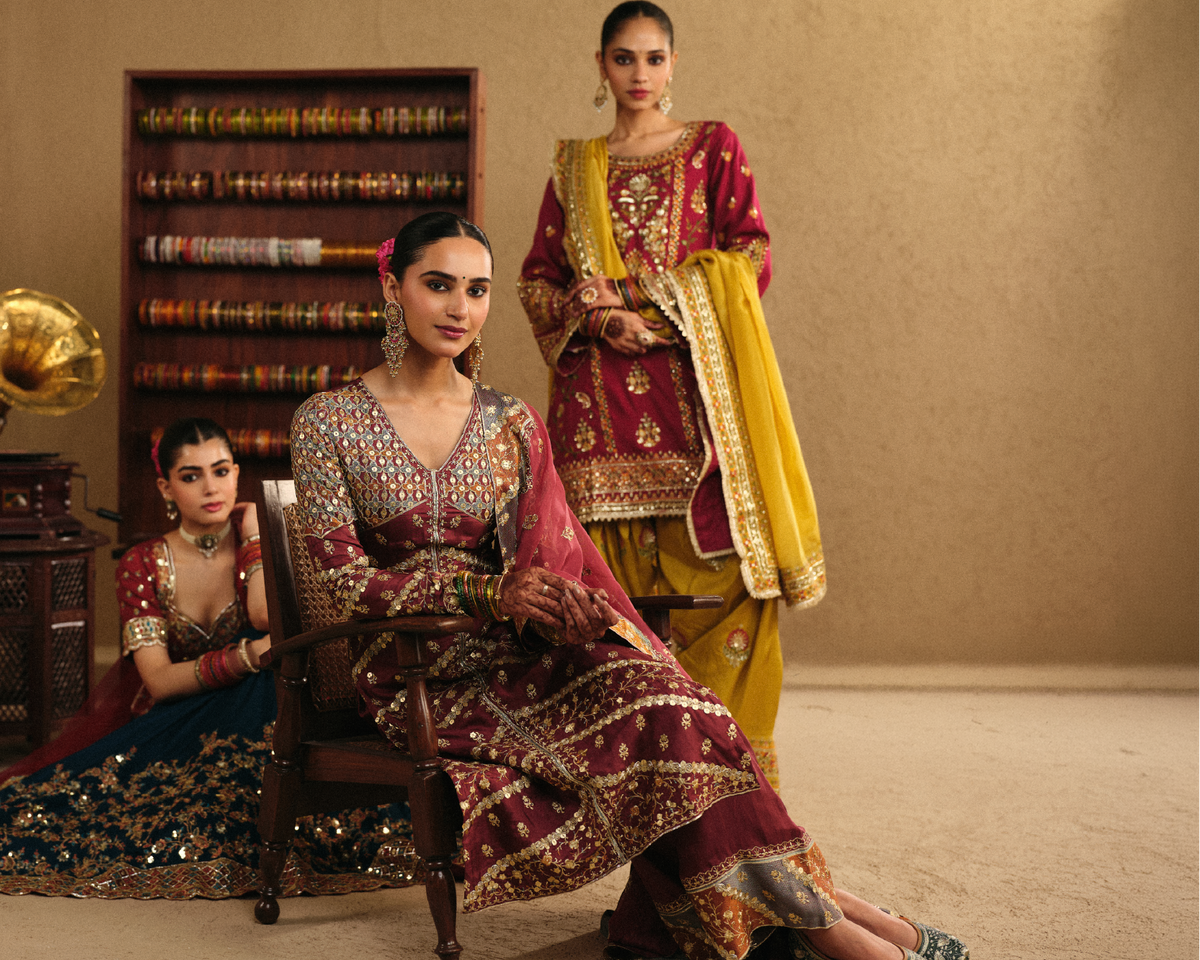
The best warm ethnic wear combines a fabric with some body and an outfit structure that works with layers. Good warm ethnic wear never has to look bulky. Silk, brocade, and velvet are classic winter choices because they hold heat and drape richly. Full or three-quarter sleeves keep you warmer than sleeveless blouses, and longer silhouettes such as Anarkalis and straight suits cover more skin than shorter tops.
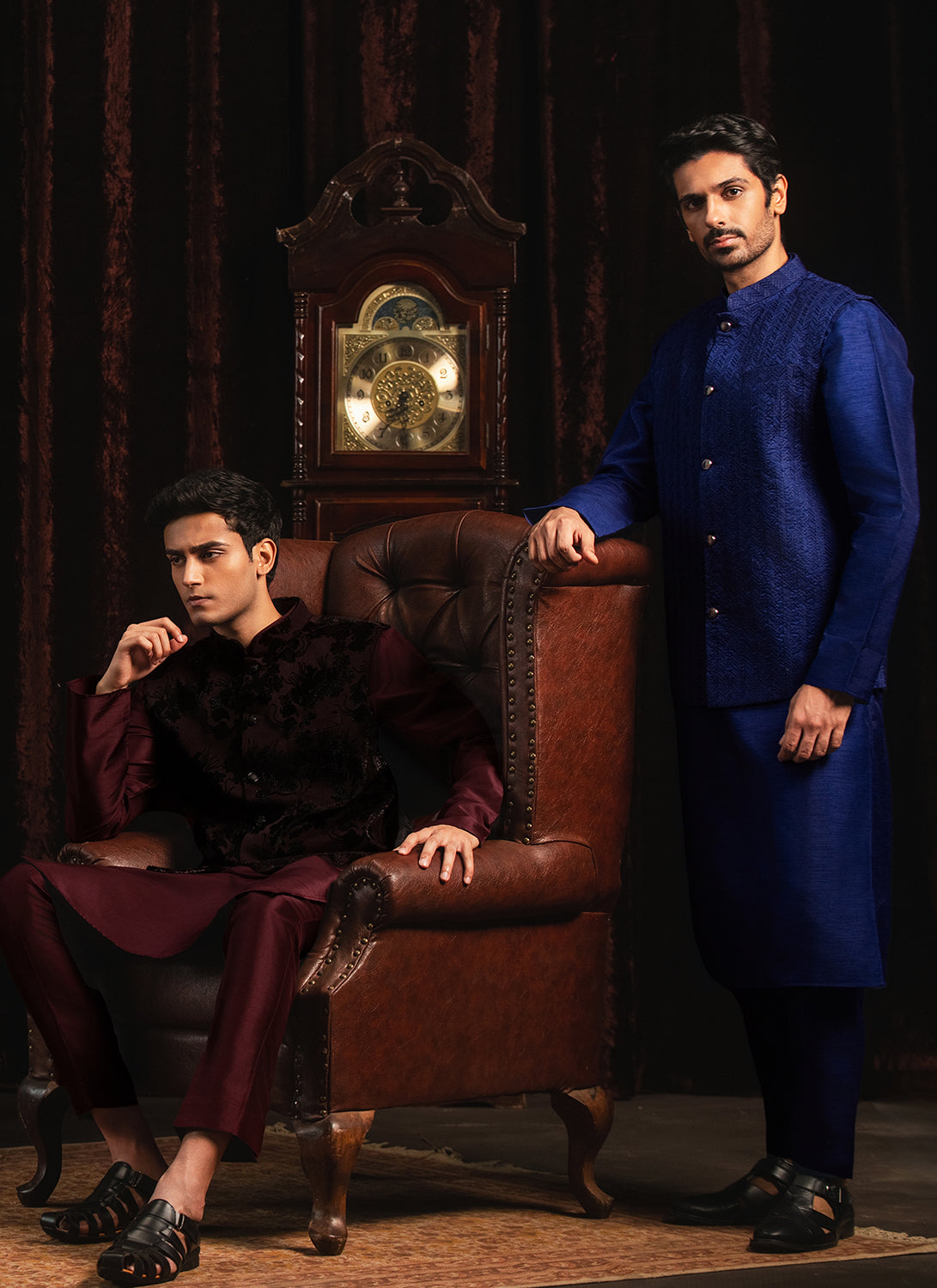
Color also helps. Deep jewel tones like bottle green, wine, burgundy, and royal blue feel natural against winter light and photograph beautifully indoors. Lighter pastels still work, but they pair best with a warm shawl or jacket in a coordinating shade.
Lehengas for a Winter Wedding
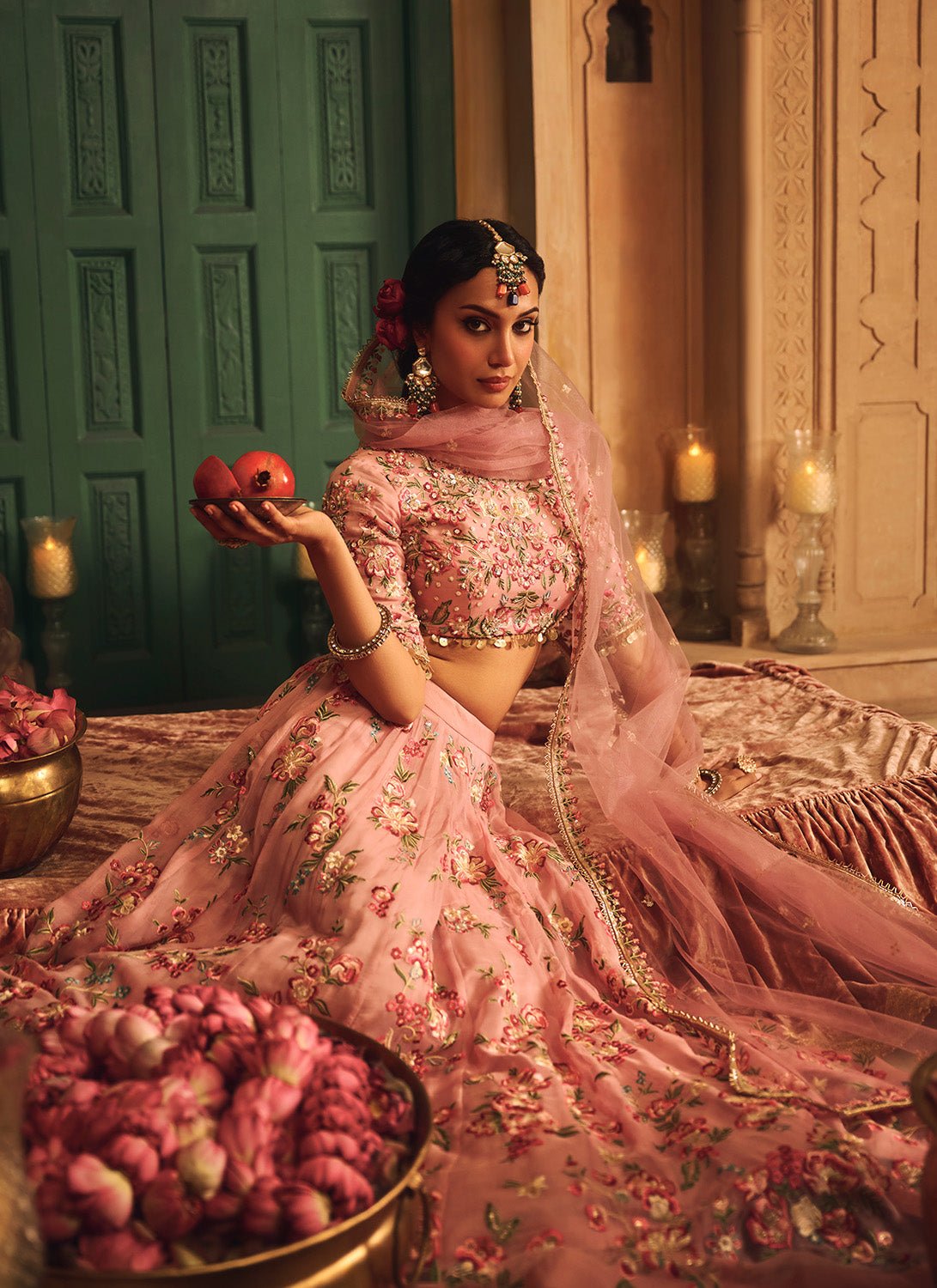
A lehenga is a natural winter choice because the heavy skirt carries its own warmth, and you can layer a shawl, cape, or jacket on top. Here are six options to consider.
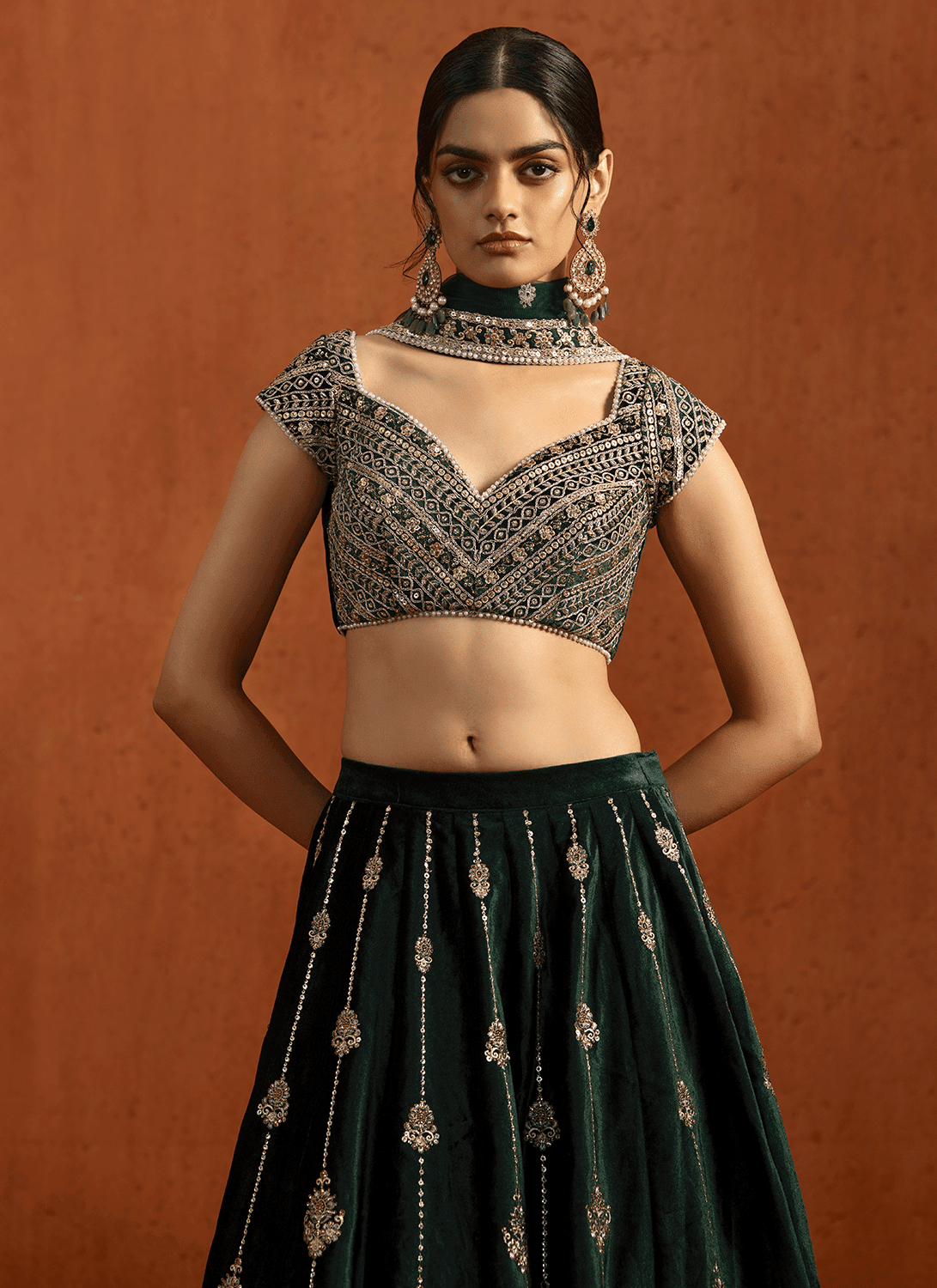
Rich silks for warmth. The Bottle Green Embroidered Silk Lehenga is a deep, wintry shade that pairs beautifully with gold jewelry. The Green Embroidered Silk Lehenga offers a similar richness in a slightly different green, and the Purple Embroidered Silk Lehenga brings a regal tone. The Red and Teal Embroidered Viscose Silk Kurti Style Lehenga combines two bold shades with a kurti-style top that offers more coverage than a traditional cropped blouse, a practical detail for cold weather.
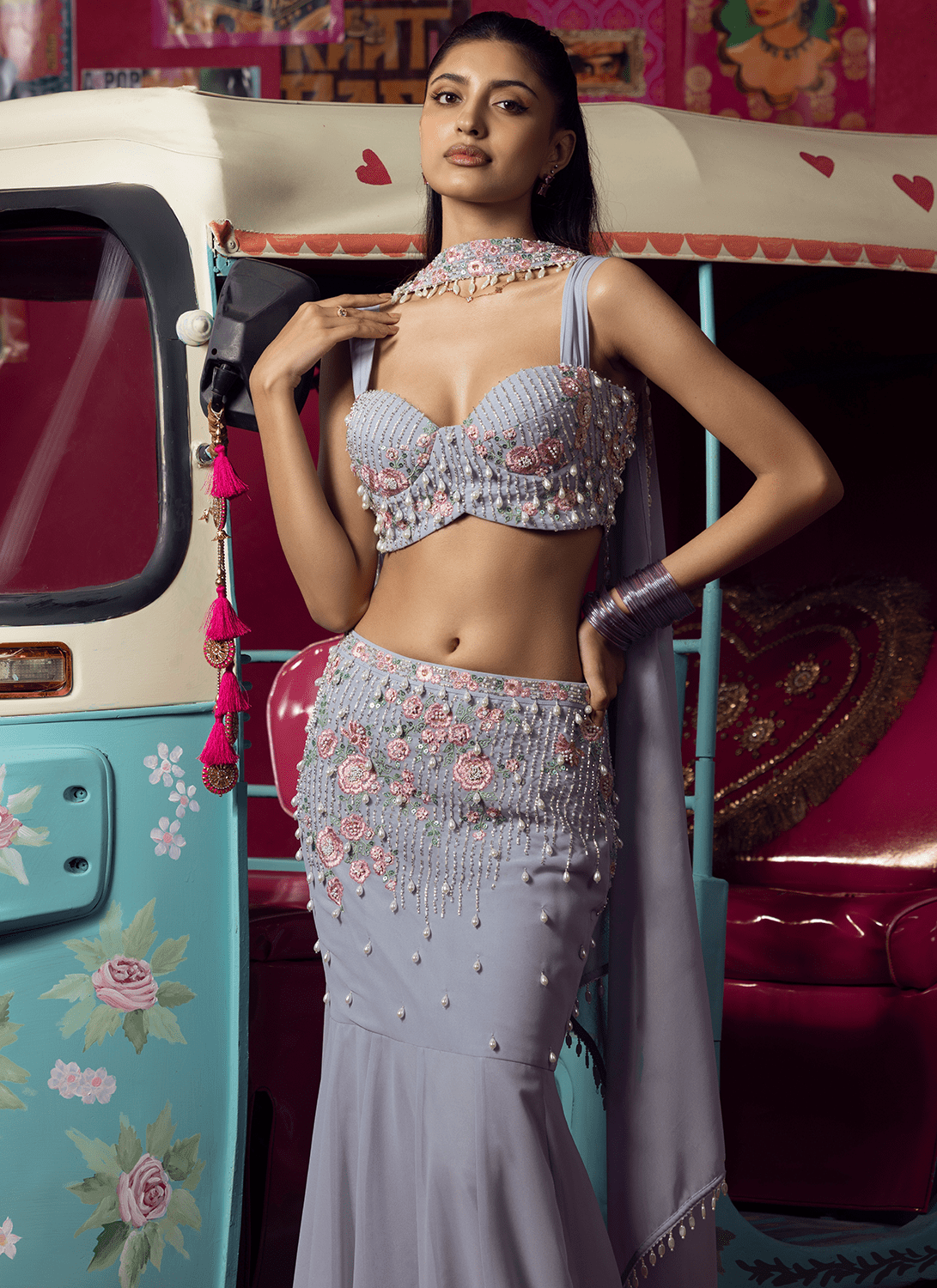
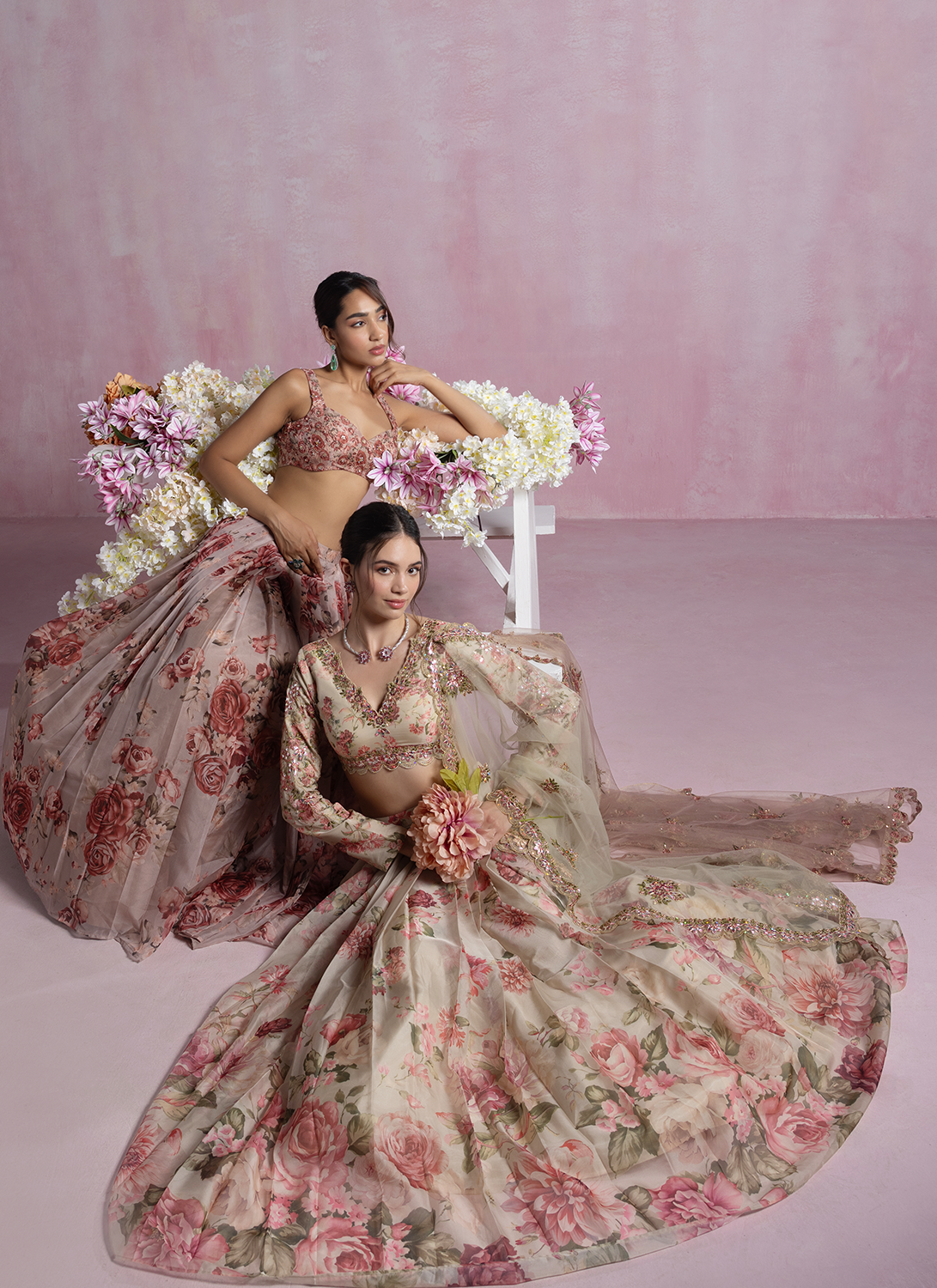
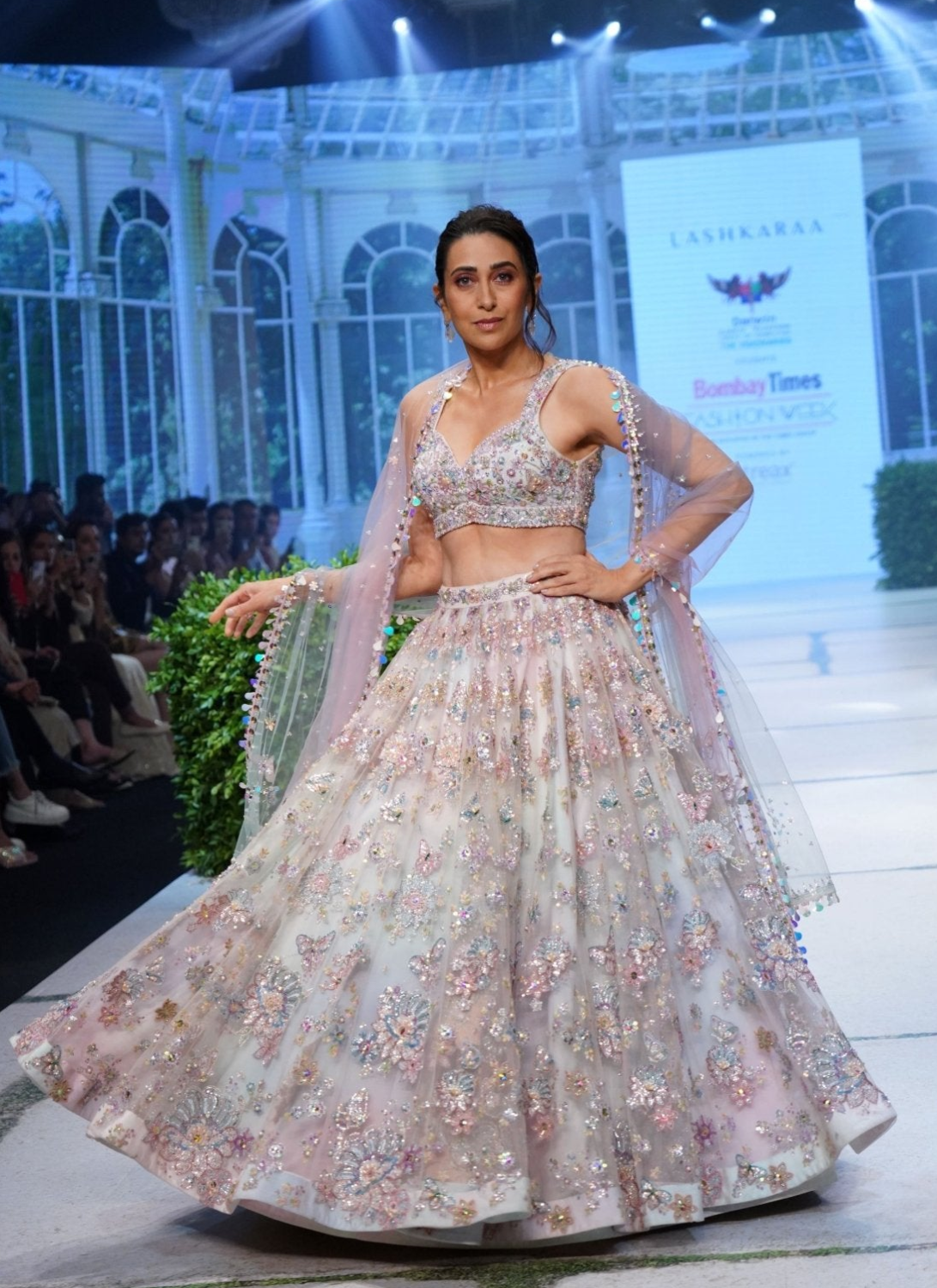
Lighter organza, with layers. The Taupe Floral Printed Organza Lehenga and the Mint Green Embroidered Viscose Organza Lehenga are lighter in fabric, so they work best for daytime events or heated venues, with a pashmina or jacket added for warmth.
If you are looking for more options in this style, browse our party wear lehengas collection.
Velvet Lehenga for Winter
No conversation about cold-weather wedding wear is complete without velvet. A velvet lehenga for winter is a classic choice because the plush texture holds warmth, catches light beautifully, and gives an instant sense of occasion. It works especially well for evening receptions and December celebrations, where the richness of the fabric suits the dim, glowing lighting.
If you are drawn to a velvet lehenga for winter, keep a few things in mind. Velvet is heavy, so check the weight if you plan to dance. It also tends to crush, so pack and store it carefully. And pair it with lighter jewelry, since the fabric already carries a lot of visual weight. Four velvet options to consider:
- The Dark Burgundy Embroidered Velvet Lehenga is a deep, wintry shade that feels made for a December reception.
- The Navy Blue Embroidered Velvet Lehenga offers a rich, midnight tone that pairs well with gold or silver jewelry.
- The Green Embroidered Velvet Lehenga brings a jewel-toned green that suits both daytime ceremonies and evening events.
-
The Black Embroidered Velvet Lehenga is a sleek, dramatic choice for after-dark celebrations.

For the current selection in velvet, check our velvet lehenga collection, since a velvet lehenga for winter is worth building the whole look around.
Suits for Winter Weddings
Suits are an excellent winter option because they offer more coverage than many lehengas and are easy to layer.
Anarkalis. The Royal Blue Embroidered Silk Anarkali is a rich, wintry blue in silk, a fabric with natural warmth. The Wine Embroidered Viscose Silk Anarkali Style Salwar Suit brings a deep, festive wine tone with an Anarkali flare.
Straight suits. The Royal Blue Embroidered Georgette Straight Suit is clean and polished, and the Dusty Burgundy Embroidered Straight Suit brings a warm, muted shade that suits both daytime and evening events. Straight suits layer easily under a jacket or shawl.
Punjabi suits. The Golden Yellow Embroidered Crepe Punjabi Suit adds a warm, sunny note to a gray winter day, while the Black and Red Embroidered Silk Punjabi Suit is a bold evening choice in silk.
Sarees for Cold-Weather Celebrations
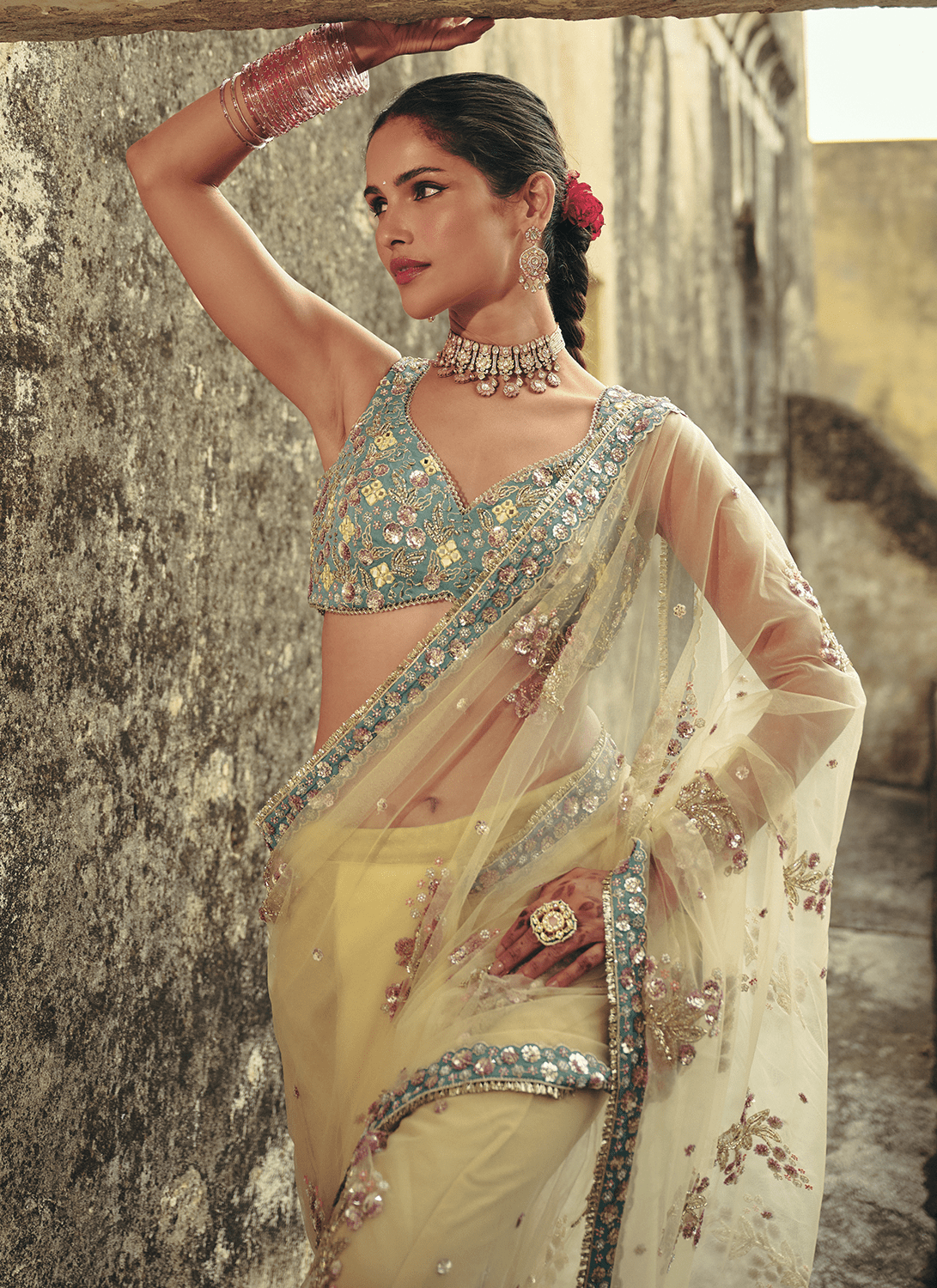
A saree can be surprisingly practical in winter when styled with the right layers. Pair it with a full-sleeve blouse, add a shawl or wrap, and choose closed footwear. A saree styled this way makes an elegant Indian wedding guest winter outfit.
The Green Embroidered Brocade Saree is the warmest option here, since brocade has a heavier weave and a rich, structured drape. The Black Embroidered Silk Saree offers a sleek evening look. For lighter fabrics, the Navy Blue Embroidered Muslin Saree, the Dusty Purple Embroidered Tissue Organza Saree, and the Peach and Brown Floral Printed Organza Saree are best for heated indoor venues or daytime events, with an extra layer on top.

For more saree options, browse our party wear sarees collection.
December Wedding Outfit Tips
December is peak wedding season in many places, and a December wedding outfit has to handle both cold temperatures and a busy social calendar, and it has to respect the Indian wedding guest dress code too. A few tips help.
- Plan for temperature swings. Outdoor arrivals and photographs are cold, while crowded indoor venues can become warm quickly. Layers you can remove easily are the answer.
- Choose full or three-quarter sleeves. They keep you warmer without hiding embroidery.
- Add a wrap that matches. A pashmina, embroidered shawl, or cape in a coordinating color completes the look.
- Wear thermals or tights under skirts. A thin thermal layer under a lehenga or saree skirt adds warmth without bulk.
- Choose closed shoes or juttis with socks for outdoor portions. Cold feet can ruin an evening, so keep a comfortable pair on hand.
- Mind your jewelry. Metal can feel cold against skin, and layered pieces over high necklines can look crowded, so choose accordingly.
Whether it is a family wedding or a friend's celebration, a thoughtful December wedding outfit balances elegance with comfort, and it follows the same Indian wedding guest dress code principles as any other season, with a few extra layers.
Layering Without Losing the Look
Layering is the key skill of winter wedding dressing, and it is what turns warm ethnic wear into a polished winter Indian wedding outfit. Choose shawls or jackets that complement your outfit instead of fighting it. A solid-color pashmina can calm a heavily embroidered lehenga, while an embroidered jacket can add drama to a simple suit. Drape a shawl loosely over your shoulders for photos, then wrap it more securely for outdoor moments. For a polished finish, match the metal tone of your jewelry to the embroidery on your outfit.
Quick Reference: Matching Outfit to Event
For a quick answer, here is how winter events line up:
- Daytime ceremony: A silk Anarkali or straight suit in a deep jewel tone, with a coordinating shawl.
- Baraat or outdoor event: A suit or silk lehenga with a jacket, plus closed footwear.
- Evening reception: A silk or velvet lehenga, or a brocade or silk saree, with a statement wrap.
- Heated banquet hall: A lighter organza lehenga or saree, with a layer you can remove.
Bundle Up in Style: Your Winter Wedding Wardrobe, Sorted
Choosing an Indian wedding guest winter outfit is easier when you think in layers: start with a fabric that carries some warmth, add a wrap that complements the color, and keep comfort in mind through the entire event. Whether you choose a rich silk lehenga, a polished Anarkali, or a brocade saree, a winter wedding is the perfect occasion to lean into deep colors and textured fabrics. With a little planning, you will look elegant and stay comfortable from the first photograph to the last dance.
Ready to shop? Explore our party wear lehengas and party wear sarees to find your winter wedding look.