Stitched vs. Unstitched Suits: Which to Buy Online
If you've spent any time browsing Indian ethnic wear online, you've probably run into a choice that doesn't really come up when shopping for Western clothing: stitched, unstitched, or somewhere in between. It's one of the most common points of confusion for newer shoppers, and understanding the difference is genuinely the key to choosing the right suit for your needs. This guide breaks down the stitched vs unstitched suit decision in plain terms, so you can shop with confidence instead of guessing. By the end, you'll have a clear framework for making the stitched vs unstitched suit choice every time you shop, not just for this one order.
What Does "Stitched" Actually Mean?
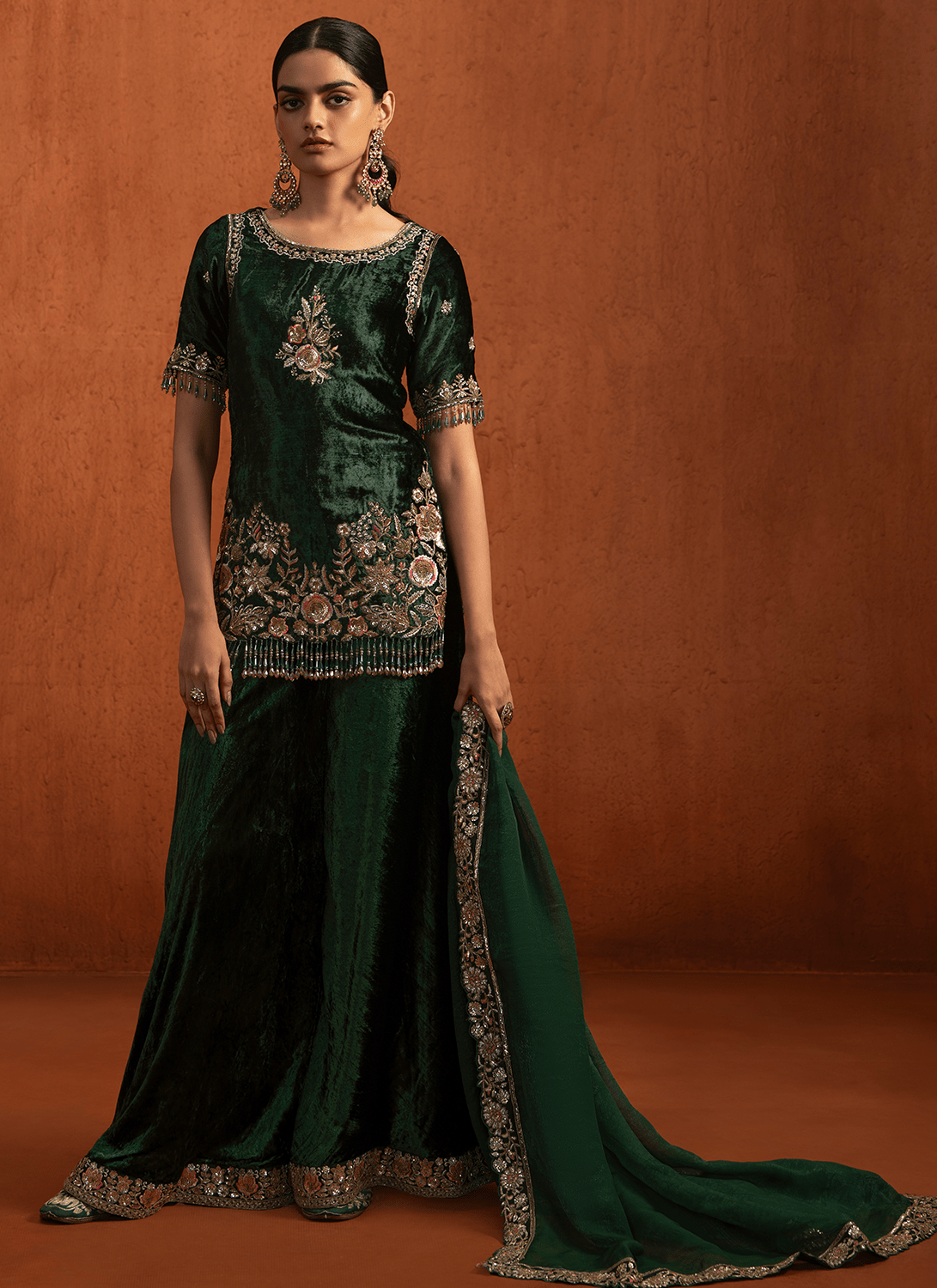
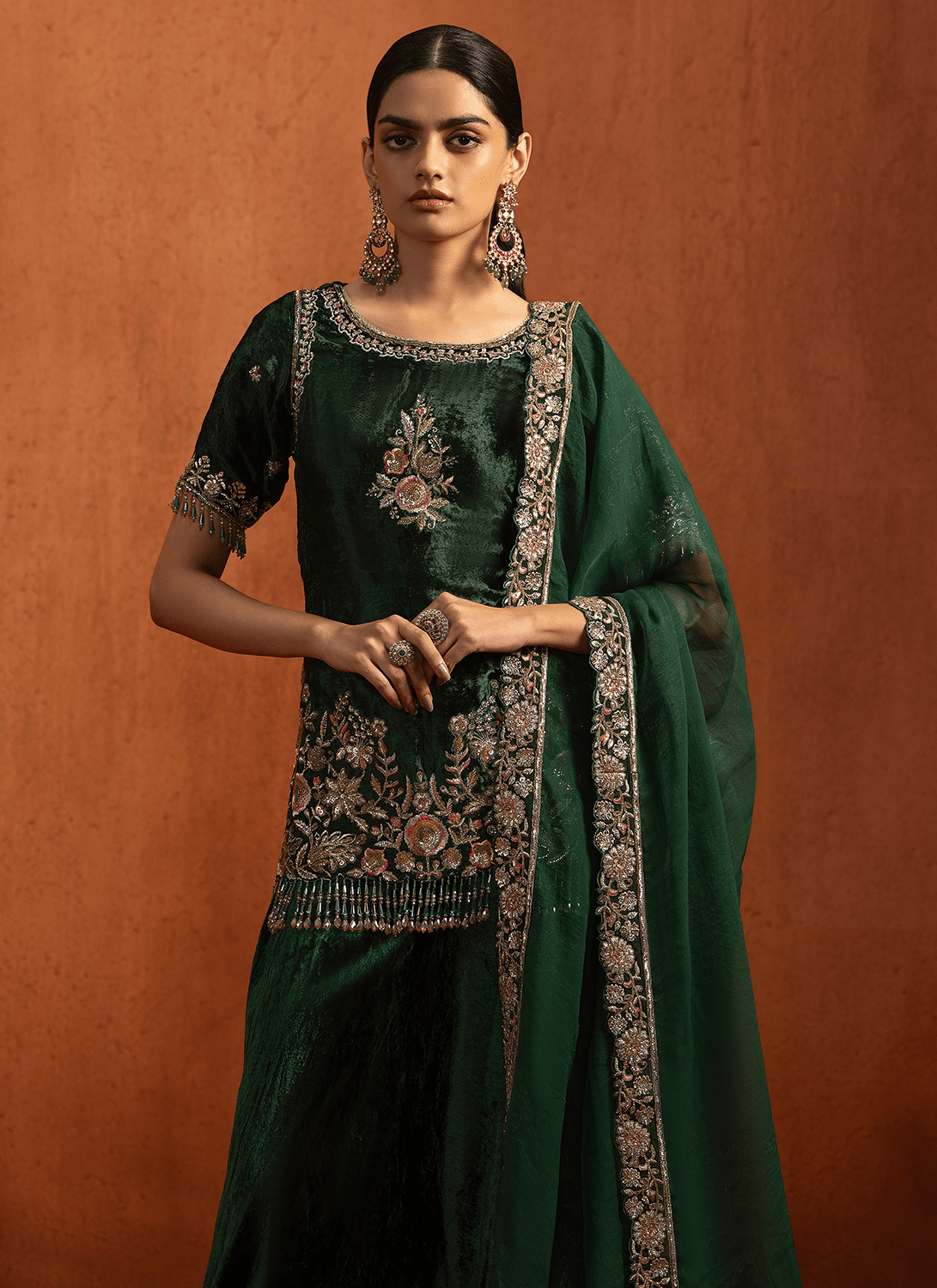
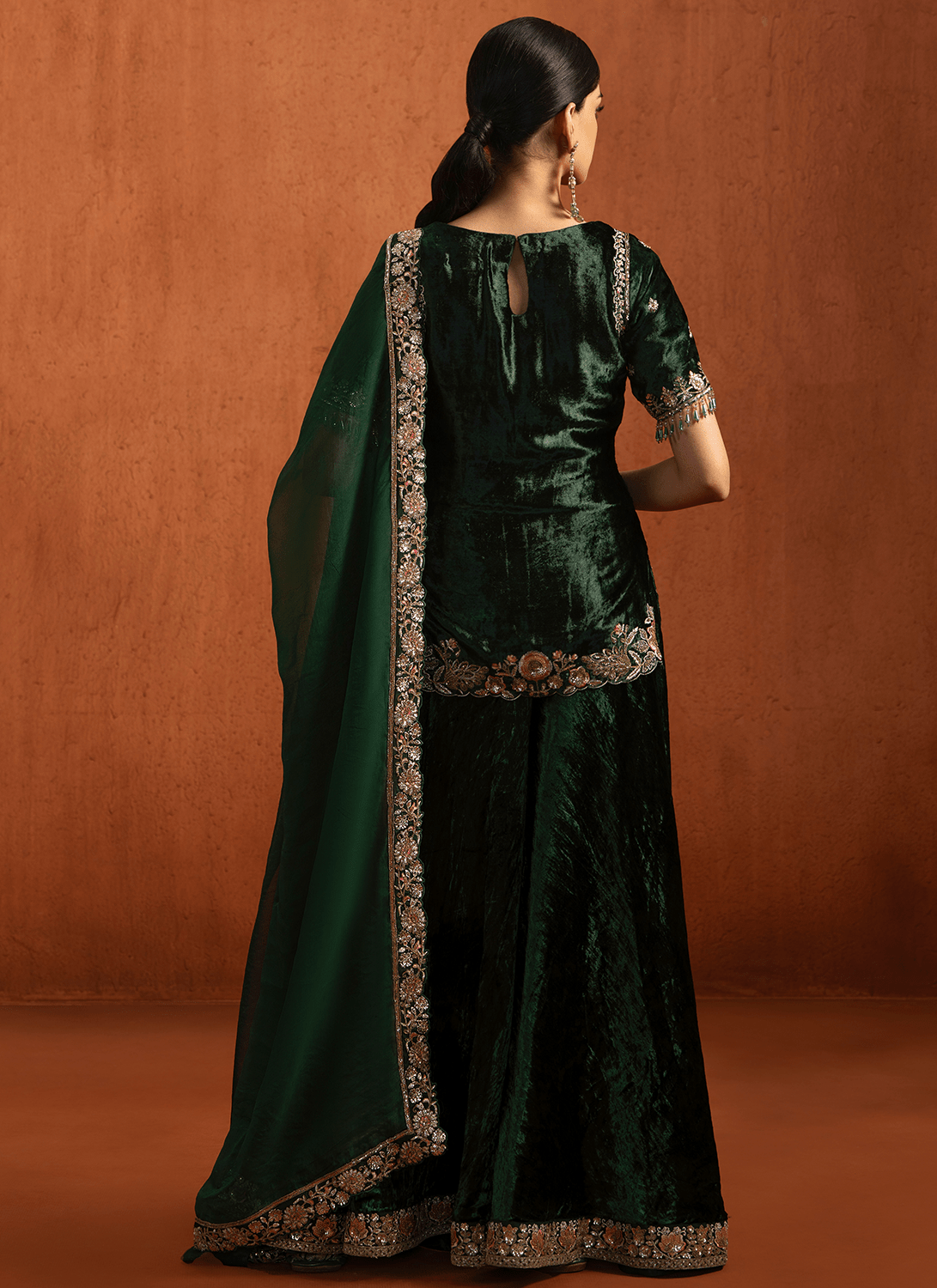
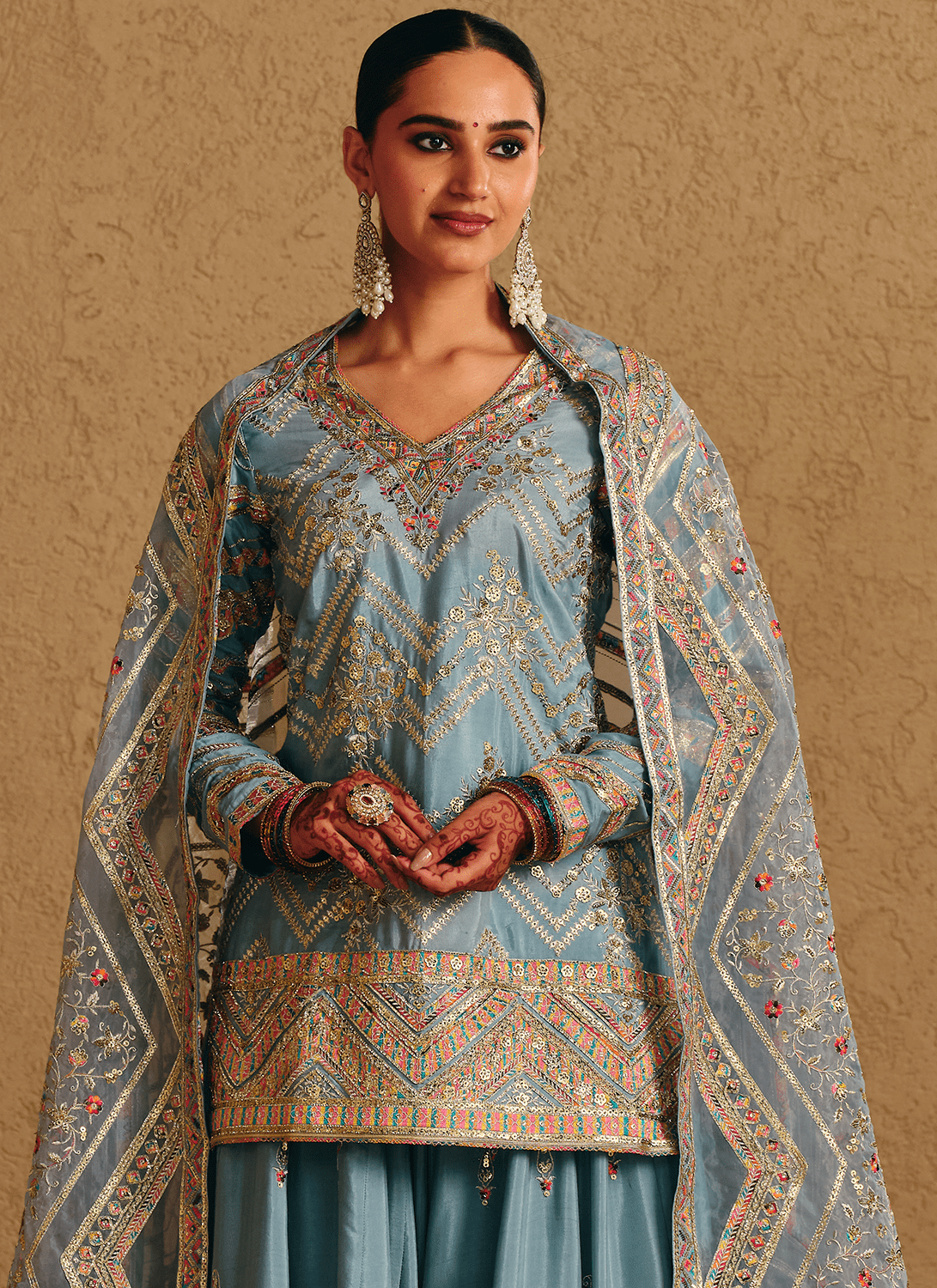
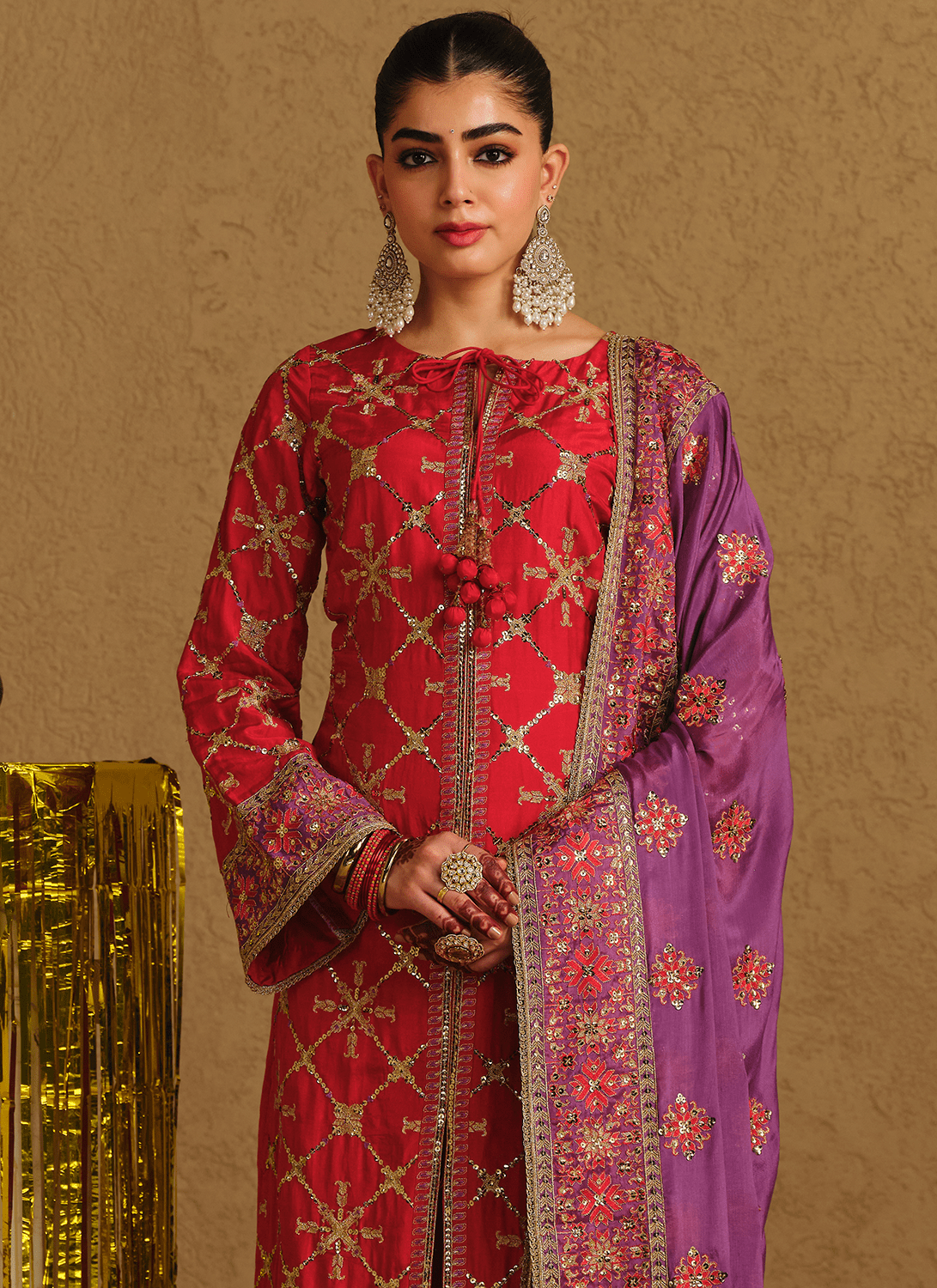
A stitched suit, often called readymade, arrives fully constructed and ready to wear straight out of the box. The kameez is sewn, the salwar or bottom is finished, and in most cases the dupatta is hemmed and ready to drape. This is the most convenient option by a wide margin, since there's no tailoring step between your order arriving and you actually wearing it. Stitched suits are typically offered in standard sizing, much like Western ready-to-wear clothing, which means the fit is based on general size ranges rather than your exact personal measurements.
That convenience does come with a small trade-off. Because a stitched suit is made to a standard size rather than to you specifically, the fit may not be quite as precise as something custom-made, particularly if your proportions fall outside typical sizing ranges. For many shoppers, though, that's a perfectly reasonable trade for the simplicity of not having to deal with fabric, measurements, or finding a tailor at all.
What Does "Unstitched" Actually Mean?
An unstitched suit is essentially fabric and materials rather than a finished garment. You'll typically receive the kameez fabric, the salwar or bottom fabric, and the dupatta, all cut to standard yardage but not sewn into a wearable shape. Some unstitched sets come with pre-printed or pre-embroidered panels already positioned for a tailor to follow, while others are simply lengths of coordinated fabric meant to be designed and stitched from scratch. This is where the stitched vs unstitched suit distinction starts to feel very real, since you're essentially deciding between a finished product and a set of raw materials.
The appeal of unstitched suits comes down to precision and personalization. Because a tailor constructs the piece around your exact body measurements, the fit can be significantly more accurate than anything off a standard size chart, and you often have more control over details like neckline shape, sleeve length, and how fitted or relaxed you want the silhouette to feel. The obvious trade-off is time and effort as an unstitched suit isn't wearable the moment it arrives, and you'll need access to a tailor who can bring it together properly. This is really the crux of the readymade vs unstitched suit debate: precision and personalization on one side, convenience and speed on the other.
Readymade vs Unstitched Suit: A Direct Comparison
Thinking about it as a straightforward readymade vs unstitched suit comparison, the decision really comes down to three factors: how much time you have, how particular you are about fit, and whether you have reliable access to a tailor. There's also a third path worth keeping in mind alongside this comparison — once you understand the semi stitched salwar meaning, you may find it splits the difference in exactly the way you need.
If your event is coming up quickly, readymade is almost always the better call, since there's no additional construction time standing between you and a finished outfit. If you have a favorite local tailor and want a piece built specifically around your body and your preferences, unstitched gives you that flexibility in a way a standard size simply can't match. And if you're newer to Indian ethnic wear or don't have an established relationship with a tailor, readymade removes a step that can otherwise feel intimidating for a first-time buyer.
Cost is worth factoring in too. Unstitched suits are sometimes priced lower than their stitched counterparts, since you're paying primarily for fabric and design rather than labor, but once you add in the cost of tailoring, the total often ends up fairly comparable to buying something readymade. When you run the full readymade vs unstitched suit math — fabric plus tailoring plus your own time — the "cheaper" option on paper isn't always the cheaper option in practice.
Understanding Semi-Stitched Salwar Meaning
Between fully stitched and fully unstitched sits a middle option that trips up a lot of first-time shoppers: semi-stitched. The semi stitched salwar meaning refers to a suit where some components arrive partially constructed while others are left as fabric for a tailor to finish. Most commonly, this means the salwar or bottom comes fully stitched and ready to wear, while the kameez arrives as cut, shaped fabric, sometimes with the side seams or shoulder seams already joined, that still needs a tailor to complete the finishing touches, like the neckline, sleeves, or final fitting. Grasping the semi stitched salwar meaning upfront saves a lot of confusion at checkout, since it's easy to assume "semi-stitched" means more finished than it actually is.
Semi-stitched suits exist as a genuine middle ground. They save some of the tailoring time and cost compared to a fully unstitched piece, since a portion of the construction work is already done, while still allowing you to customize fit in the areas that matter most, like the bust, waist, and sleeve length of the kameez. Once you understand the semi stitched salwar meaning, it becomes clear why this option has grown so popular: it strips out the most time-consuming parts of tailoring while still preserving room for a personalized fit. If you like the idea of a more personalized fit but don't want to start entirely from raw fabric, semi-stitched is often the most practical choice.
What to Know About Unstitched Suit Material
If you do go the unstitched route, it helps to understand a bit about unstitched suit material before you order, since fabric choice affects both how the finished piece will look and how easy it is for a tailor to work with. Choosing the right unstitched suit material upfront saves your tailor time and often saves you money too, since some fabrics require more skill and labor to construct well than others.
Cotton and cotton-blend fabrics are among the easiest for most tailors to handle, and they hold their shape well through the stitching process, making them a solid choice if you're newer to ordering unstitched suit material for the first time. Silk and silk-blend fabrics drape beautifully but can be trickier to work with, particularly for more intricate designs, so it's worth choosing a tailor with specific experience in finer fabrics if you go this route. Georgette and chiffon, often used for dupattas or lighter kameez designs, require a delicate touch during stitching, since these fabrics can fray or shift more easily than sturdier materials.
It's also worth checking whether your unstitched suit material includes any embroidery, embellishment, or printed panels that are meant to align in a specific way once stitched. A skilled tailor will know to work around these details, but it's helpful to flag anything like this clearly when you drop the fabric off, so nothing gets misaligned in the final construction.
Which Is Better: Stitched or Unstitched?
Ultimately, the honest answer to which is better stitched or unstitched is that it depends entirely on your situation rather than one option being objectively superior. Stitched suits win on convenience, speed, and accessibility, especially for shoppers without an established tailor relationship or those working with a tight timeline. Unstitched suits win on precision and personalization, rewarding anyone willing to put in a little extra time for a piece built specifically around their body and preferences. People ask which is better stitched or unstitched far more often than they ask which one is right for their specific event, but reframing the question that way tends to produce a much clearer answer.
A useful way to think about it: if you're shopping for a specific event with a firm date, lean stitched or semi-stitched, since you know exactly what you're getting and when. If you're building a long-term wardrobe piece you plan to wear for years, and you have a tailor you trust and you want the suit to be stitched to your exact measurements rather than eyeballing the size, unstitched can be worth the extra effort for the fit alone. There's genuinely no universal answer to which is better stitched or unstitched; the right choice simply shifts depending on your timeline, your access to tailoring, and how much you value precision over convenience. If you keep asking yourself which is better stitched or unstitched without a clear answer, it's usually a sign to default to whichever option better matches your upcoming timeline and needs rather than searching for a single "correct" choice.
A Few Practical Tips Either Way
Whichever route you choose, a couple of habits make the process smoother. If you're buying stitched, always check the size chart carefully rather than assuming your usual size translates directly, since Indian ethnic wear sizing doesn't always match Western ready-to-wear numbers. If you're buying unstitched or semi-stitched, take your measurements before you order rather than after the fabric arrives, so you can hand everything to your tailor in one visit instead of two, this is especially important once you understand the semi stitched salwar meaning, since the kameez portion still needs your exact numbers even though the bottom arrives finished. And regardless of which you choose, it's worth reading the product description closely, since listings don't always use "stitched," "unstitched," and "semi-stitched" consistently, and a quick double-check before ordering can save you a returned package later. Getting comfortable with the stitched vs unstitched suit terminology used across different retailers will make every future order that much smoother.
All our garments come with both stitched and unstitched and with the option to customize it based on your exact measurements. Check out our comprehensive guide on how to measure yourself for Indian garments so that you can avoid any error in translation and get exactly your desired results.
Go With What Works For You
Choosing between a stitched vs unstitched suit doesn't have to be complicated once you understand what each option actually involves. Stitched and readymade pieces get you dressed with zero extra effort, semi-stitched offers a practical middle ground, and unstitched rewards anyone with the time and tailor access to build something truly customized. Whether you land on stitched, semi-stitched, or fully unstitched, revisiting this readymade vs unstitched suit comparison each time you shop will help the decision get easier with every order. Whichever you choose, understanding the difference upfront means fewer surprises when your order arrives.
Ready to shop? Browse our salwar kameez collection to explore stitched and unstitched options and find the right fit for your next occasion, and the next time you find yourself wondering which is better stitched or unstitched, you'll already know exactly how to decide.