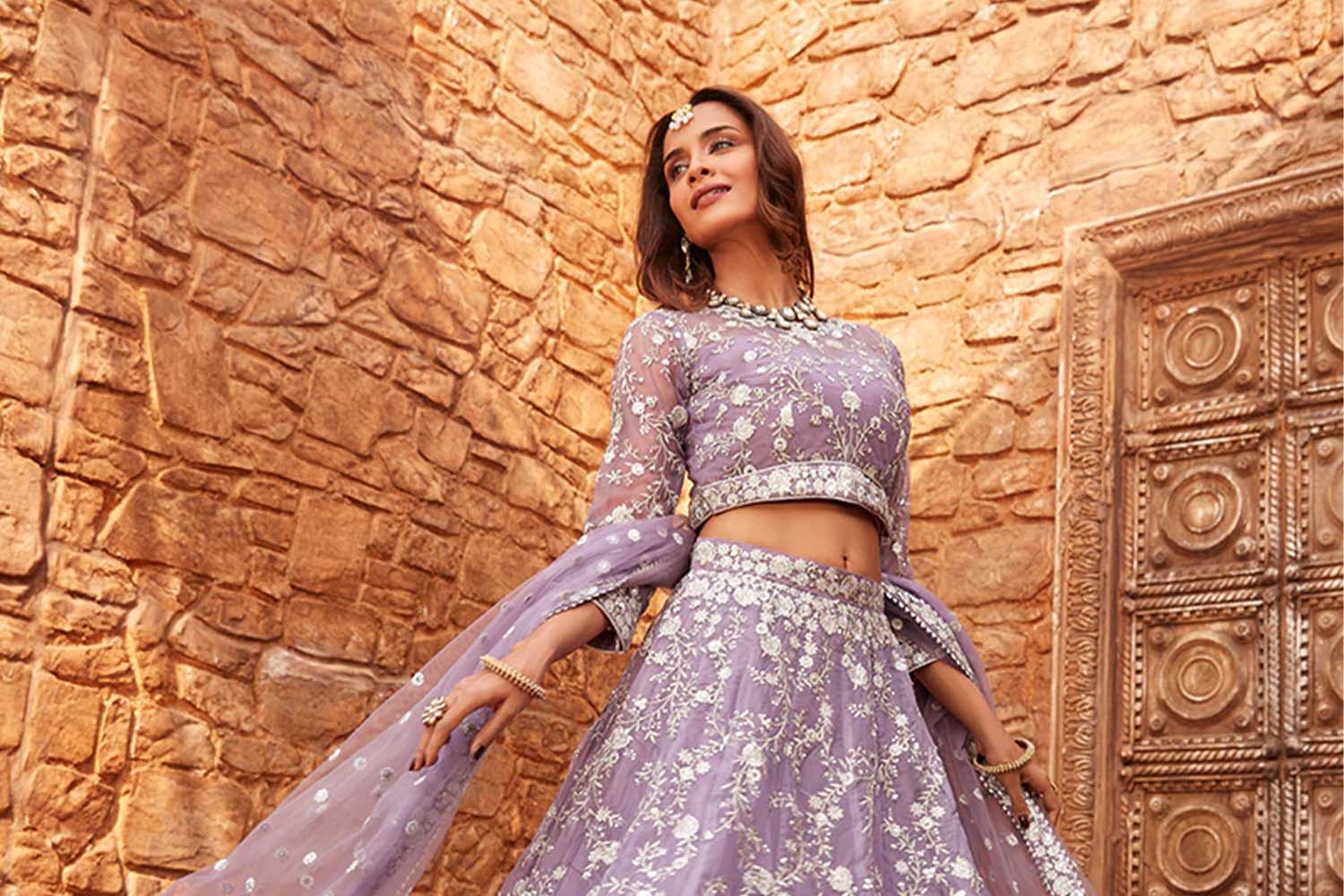
What's the Difference Between Lehenga and Ghagra?
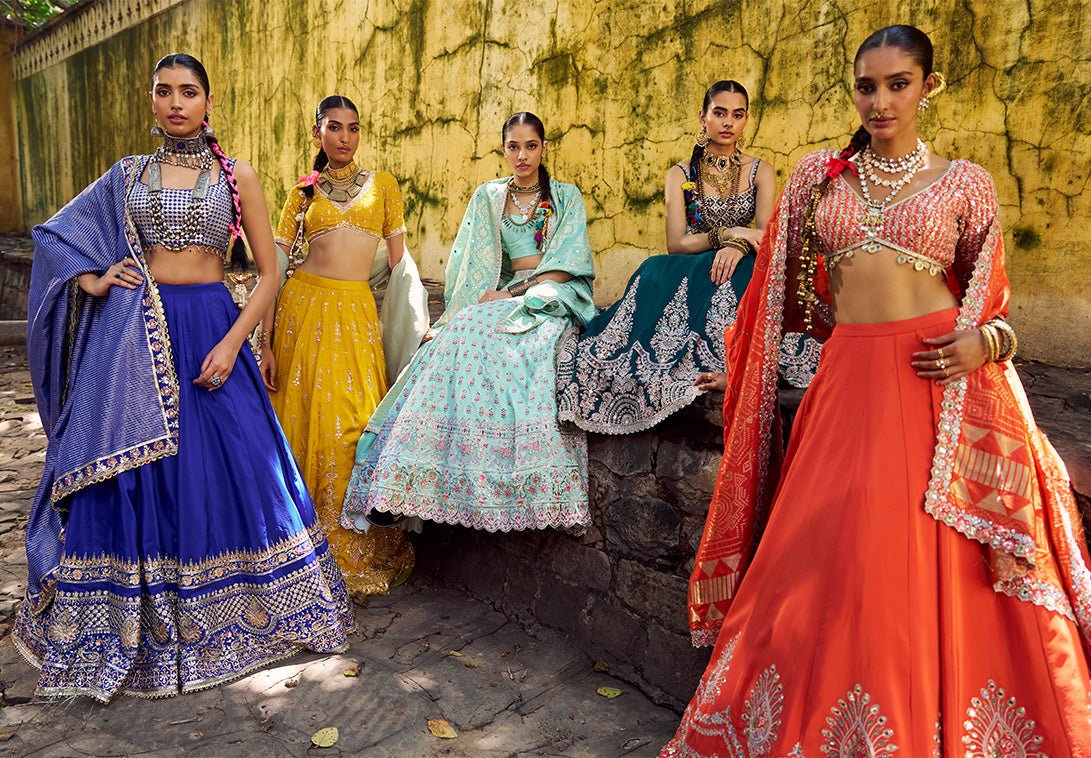
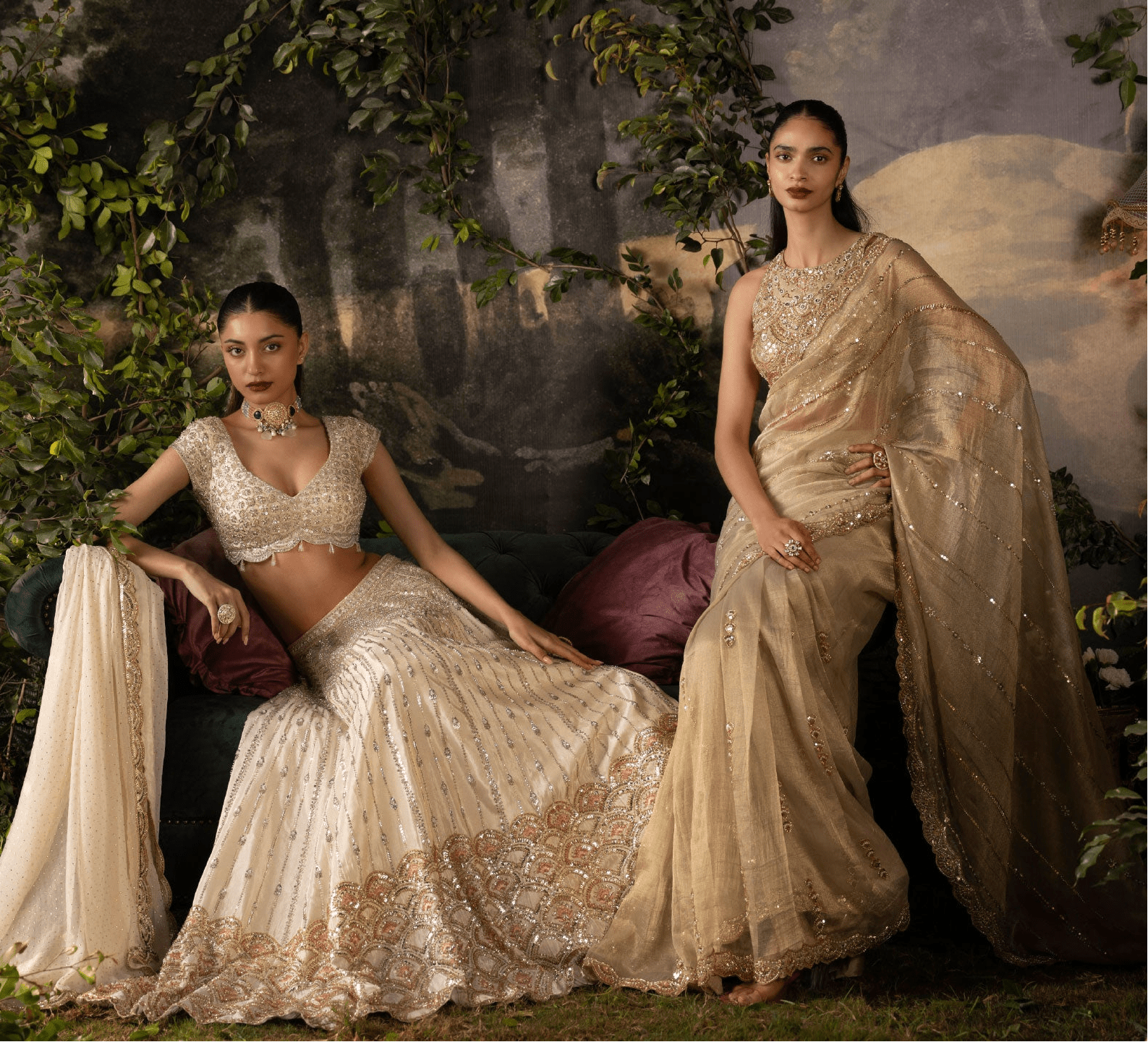
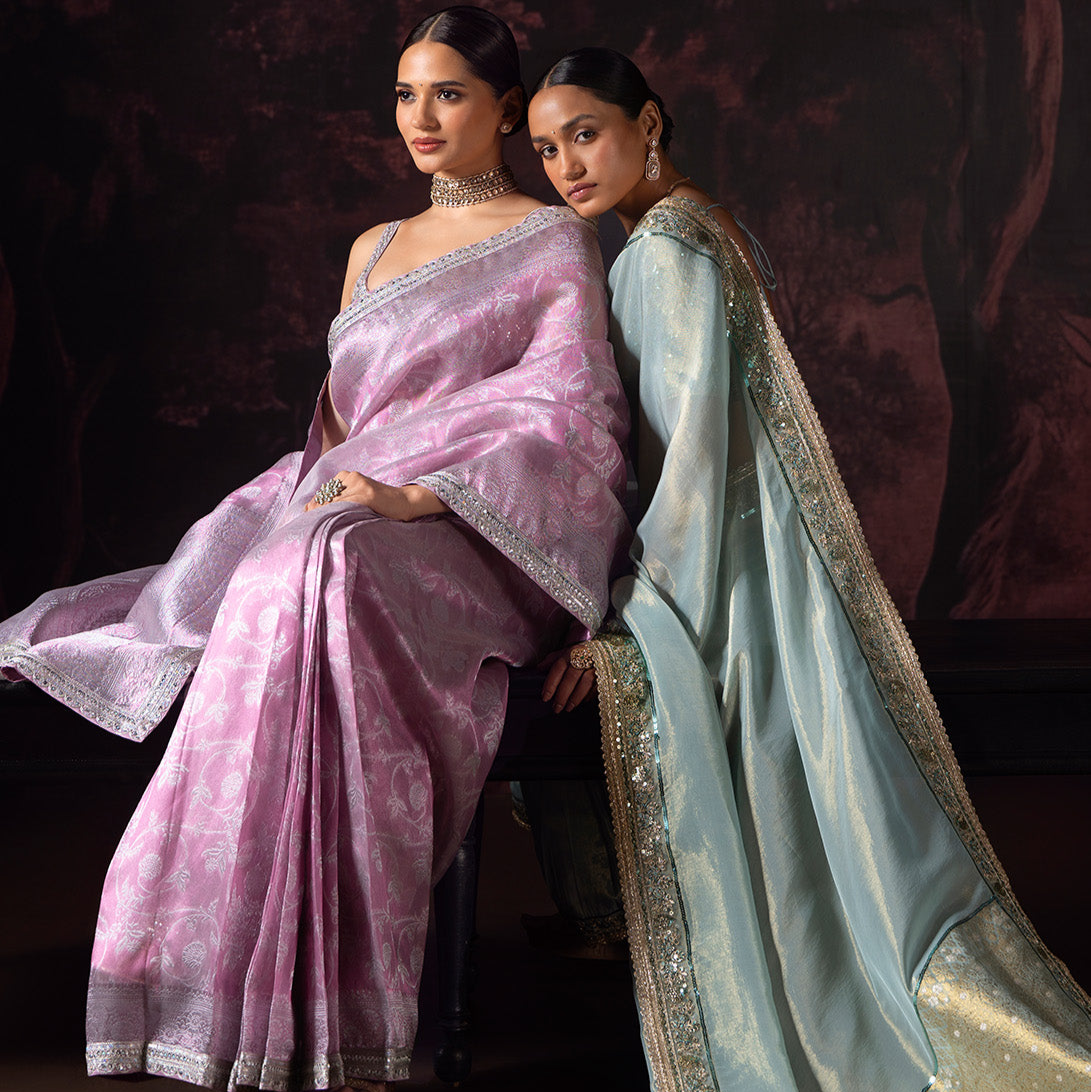
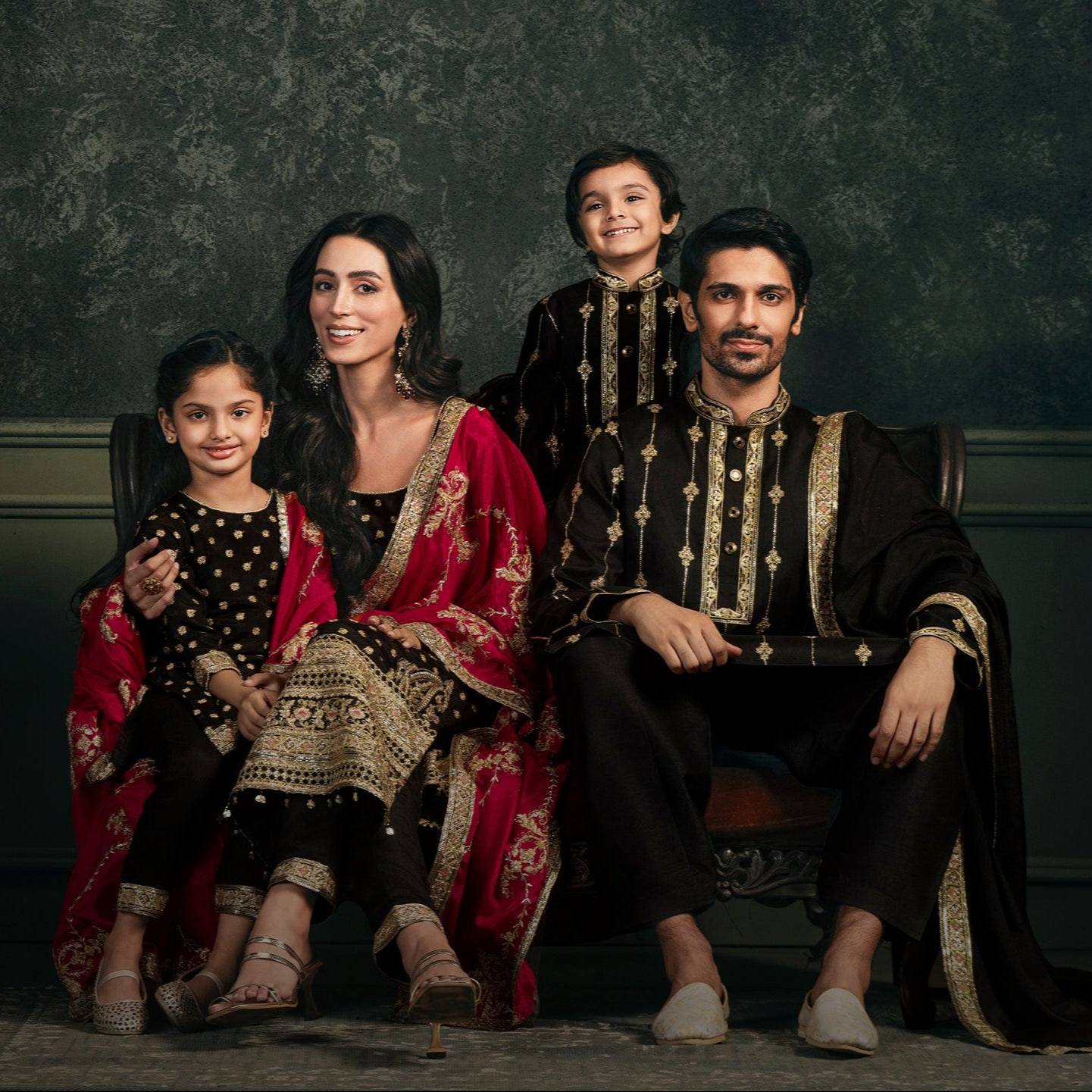
Lehengas and ghagras are two of the more popular forms of traditional Indian dresses for women, and each have their place in fashion. Ghagra style is more modest, ideal for conservative occasions and everyday apparel. However, your lehenga is what you want to wear to a wedding, a party, a festival, or any other very special occasion.
Whether they’re holidays, weddings, festivals, or anniversaries, there are always big moments around the corner. With Lashkaraa, you can easily find the perfect new addition to your wardrobe for the days you’ll never forget.
3 Differences Between Lehenga and Ghagra Styles
While the terms lehenga and ghagra are often used interchangeably, they each carry their own distinct identity that are shaped by tradition, styling, and occasion. Understanding these subtle differences can help you choose a silhouette that feels just right for the moment. The difference between the ghagra and the lehenga boils down to the following:
1. Coverage
At first glance, lehengas and ghagras may seem similar in form with both flared skirts worn with a blouse and dupatta. But the difference lies in how they’re constructed and styled. A lehenga is typically more structured, often designed with defined panels, can-can layers, or tailored cuts that create volume and shape. It sits higher on the waist and is styled to give a more sculpted, occasion-ready silhouette.
A ghagra, on the other hand, leans towards fluidity and comfort. Traditionally gathered at the waist with drawstrings, ghagras offer a softer fall and more ease of movement. They often feel lighter and less restrictive, making them ideal for longer wear.
In essence, lehengas are about form and finish, while ghagras embrace flow and freedom.
2. Embroidery & Fabric
Another defining difference lies in the craftsmanship and detailing. Think of lehengas as ornate and occasion-driven, while ghagras feel rooted in craft with a lighter, more everyday charm. Lehengas are typically more elaborate, featuring intricate embroidery techniques such as zari, sequins, resham work, or heavy embellishments. They are designed to make a statement, often becoming the focal point of bridal and festive wardrobes.
Ghagras, while still beautiful, tend to feature more minimal or traditional patterns. You’ll often find block prints, bandhani, mirror work, dyed fabrics or lighter embroidery that reflects regional craftsmanship. The emphasis is less on opulence and more on vibrancy, heritage and wearability.
3. Setting & Occasion
The context in which each is worn also sets them apart. Where lehengas command attention, ghagras create a quieter, more effortless kind of elegance. A lehenga is your go-to for grand celebrations like weddings, receptions, sangeets, and formal festivities. It’s designed to stand out, photograph beautifully, and hold its own in a high-energy, celebratory setting. Think of it as the cocktail dress of Indian wear.
A ghagra is more versatile and understated. Traditionally worn during cultural events, folk celebrations, or intimate gatherings, it transitions effortlessly into daytime functions, festive brunches, or even destination events where comfort meets style. It’s the sun dress version of Indian wear.
With the difference between the two pieces explored, let’s look at some specific outfits. This will help highlight what makes lehengas unique and showcase why they have the staying power they do.
What Is a Ghagra?

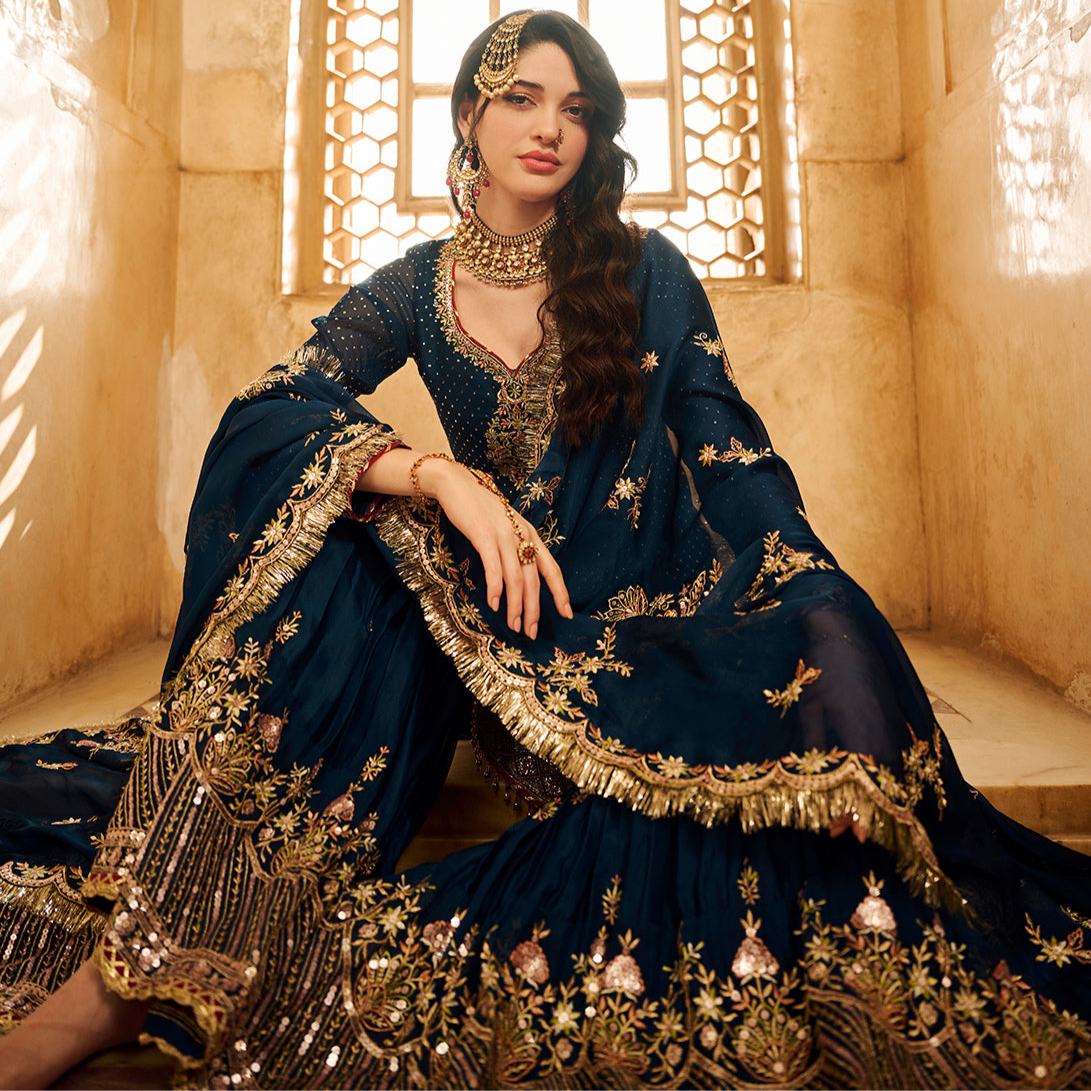
The ghagra choli is one of the most traditional forms of Indian attire, and is often considered the foundation of many modern silhouettes like the lehenga. Rooted in cultural heritage, it has been worn across generations for its comfort, movement, and silhouetted beauty. Ghagras are usually crafted from lightweight fabrics like cotton, georgette, or silk blends, and are designed to feel breathable and effortless. This makes them especially suited for daytime events, cultural gatherings, and traditional festivities where comfort is just as important as style.
Unlike more structured outfits, the ghagra choli features a long, flared skirt that is gathered at the waist, typically secured with a drawstring. This creates a softer, more fluid silhouette that allows for ease of movement, making it ideal for long celebrations and everyday festive wear.
The ghagra is paired with a choli (blouse) and often a dupatta, which can be styled in multiple ways to complete the look. While the overall outfit may appear simple, it offers versatility in how it’s worn and accessorized. In terms of design, ghagras often highlight traditional craftsmanship. You’ll commonly find techniques like bandhani, mirror work, block prints, and subtle embroidery that reflect regional artistry rather than heavy, ornate embellishment.
What Is a Lehenga Choli?

Lehengas are similar to ghagras, but there are a few important differences between the two. Unlike the ghagra choli, the lehenga style is a 3-piece ensemble that includes a shorter blouse that exposes more of the midriff. You’ll also find a wider variety of fabrics used to make the lehenga choli (blouse). That’s because this type of traditional Indian outfit can be worn for many different occasions.
Lehenga cholis are also often paired with a dupatta, a type of shawl that can be wrapped or pinned as a stylish accessory. The dupatta can elevate your outfit by adding a pop of color or an eye-catching pattern to the mix.
The lehengas, cholis, and dupattas that you would wear together also tend to be made with elaborate embroidery patterns. Stonework, zari, and beautiful threading are all common for this type of apparel. It should come as no surprise that lehengas exist for the most formal of occasions. You might see lehengas worn at weddings by guests or even the bride and for festival or party attire.
Lehenga & Ghagra Styles & Examples
Lehengas and ghagras each offer a wide spectrum of styles, evolving with occasion, craftsmanship, and personal taste. While lehengas often lean towards structured, statement dressing, ghagras bring in a softer, more traditional ease. Together they incorporate go-to feminine styles for everything, from grand celebrations to intimate festivities.
Lehengas
This season, it’s all about rich tones, regal textures, and embroidery that does the talking. From golden elegance to jewel-toned drama, these lehengas are stealing the spotlight and for good reason.

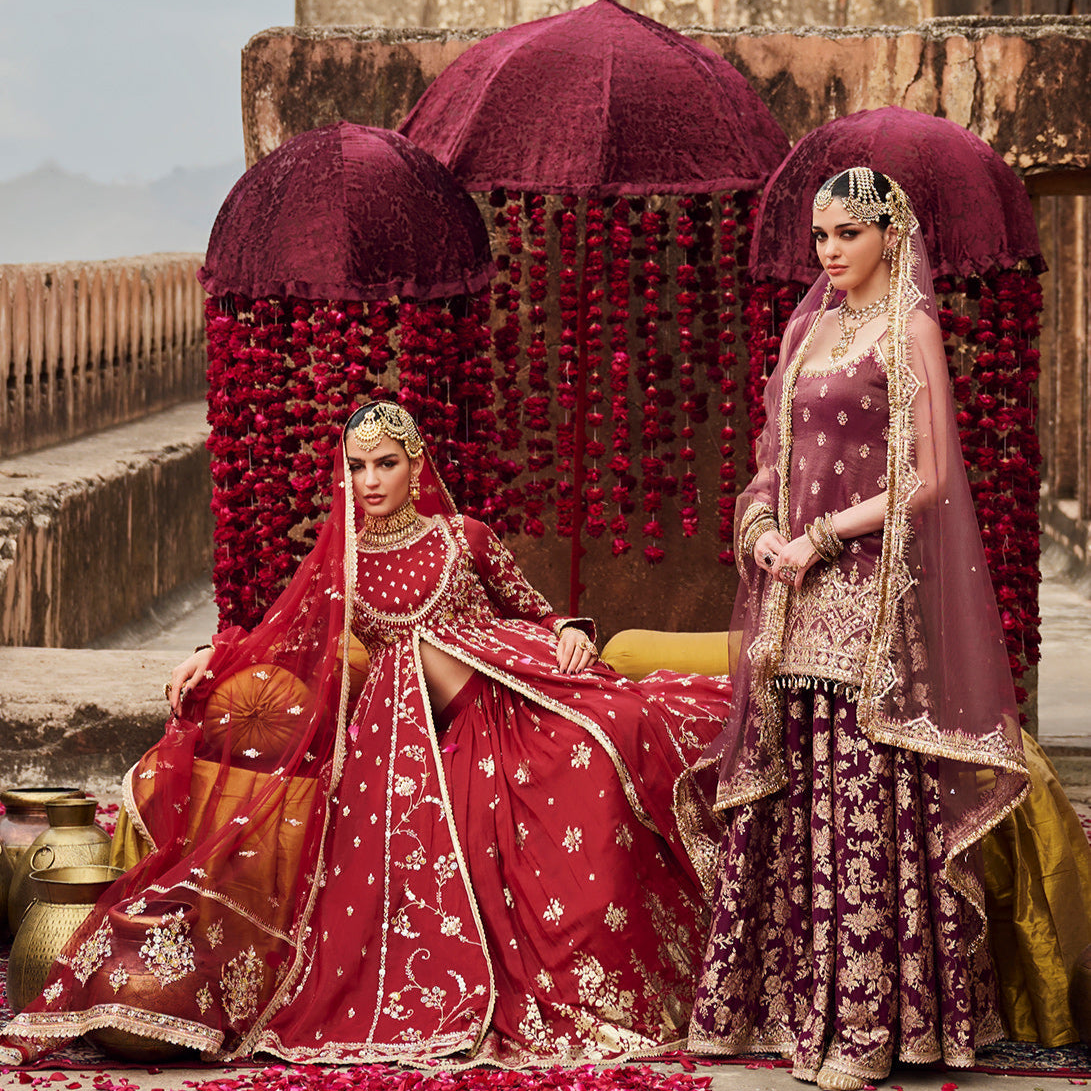
When it comes to lehengas, bridal styles sit at the most opulent end of the spectrum. These are defined by rich fabrics like silk or velvet, intricate zari work, and heavy embellishments designed to stand out at weddings and formal occasions like in our Dark Burgundy Velvet Lehenga. Moving into slightly lighter territory, festive and occasion lehengas feature sequins, threadwork, or subtle embroidery as seen on our Mint Blue Embroidered Lehenga, is ideal for sangeets, receptions, and celebratory evenings.
For a more modern take, contemporary or Indo-western lehengas introduce elements like ruffled skirts, jacket-style blouses, or pre-draped dupattas like in the Soft Yellow Embroidered Silk Lehenga, making them perfect for cocktail events or destination weddings. At the lighter end, printed or everyday lehengas like our spring-summer friendly Golden Yellow Floral Embroidered Lehenga, offer breathable fabrics and minimal detailing, suited for daytime functions or effortless festive dressing.
Ghagra Suits
Lashkaraa brings a fresh, modern sensibility to the beloved gharara silhouette, reimagining this classic style for today's fashion-forward woman. While honoring the traditional wide-legged pants that flare dramatically from the knee, our Gharara Suit collection pairs these sweeping, statement-making bottoms with contemporary tops, from sleek skinny straps to elegant long sleeves, creating ensembles that feel rooted in heritage yet perfectly at home in modern celebrations. Here are a few standout styles worth discovering:

The Beige and Pink Embroidered Net Gharara is a dream in delicate contrast. A stunning beige base comes alive with intricate pink embroidery, while the matching pink organza dupatta adds a soft, romantic finishing touch. The sleek skinny-strap top lends a contemporary, fashion-forward edge to this otherwise timeless silhouette making it perfect for intimate celebrations, sundowner soirées, or an elegant sangeet look. Pair it with rose gold jewelry and strappy heels to let the embroidery truly shine.
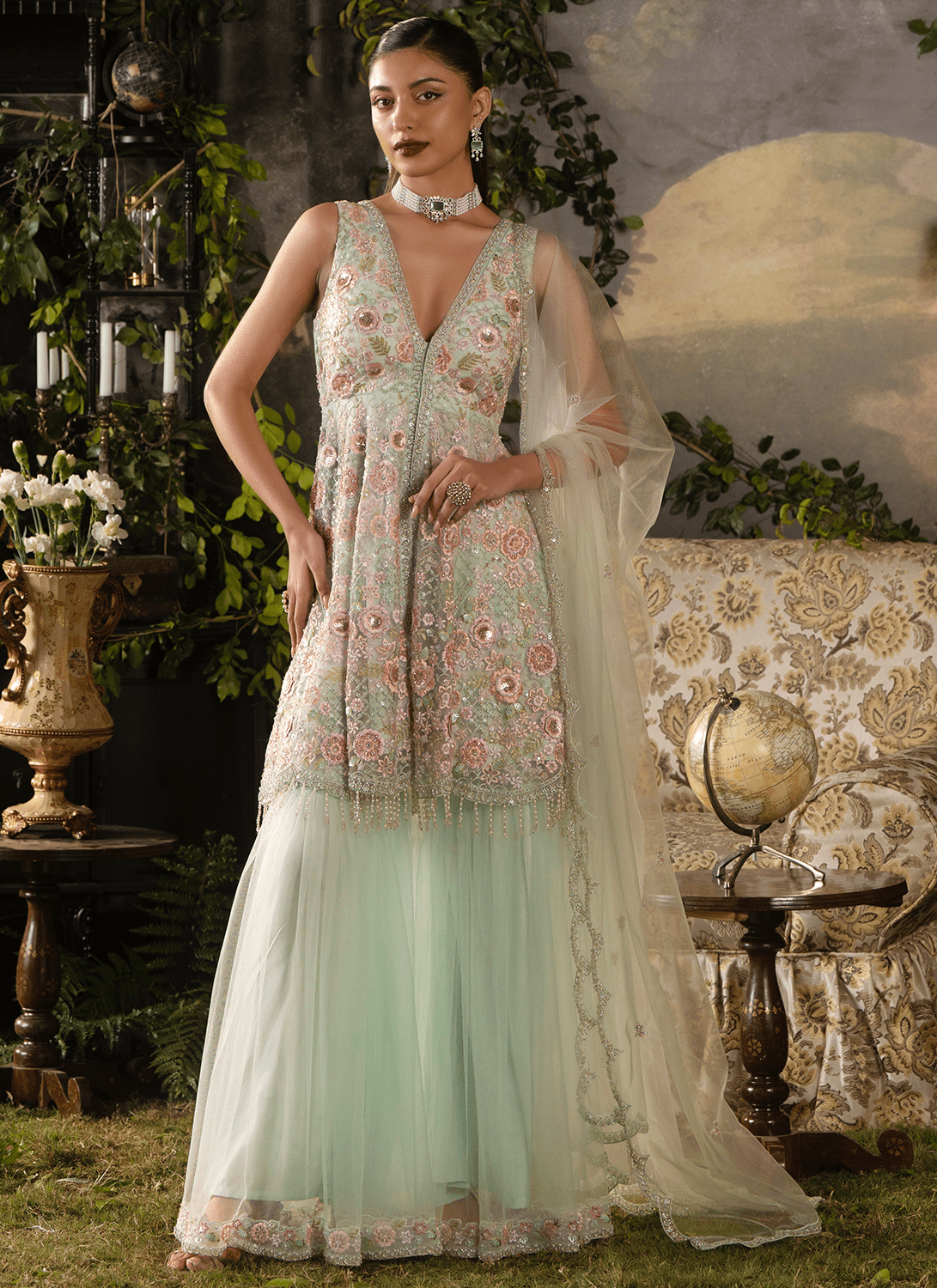
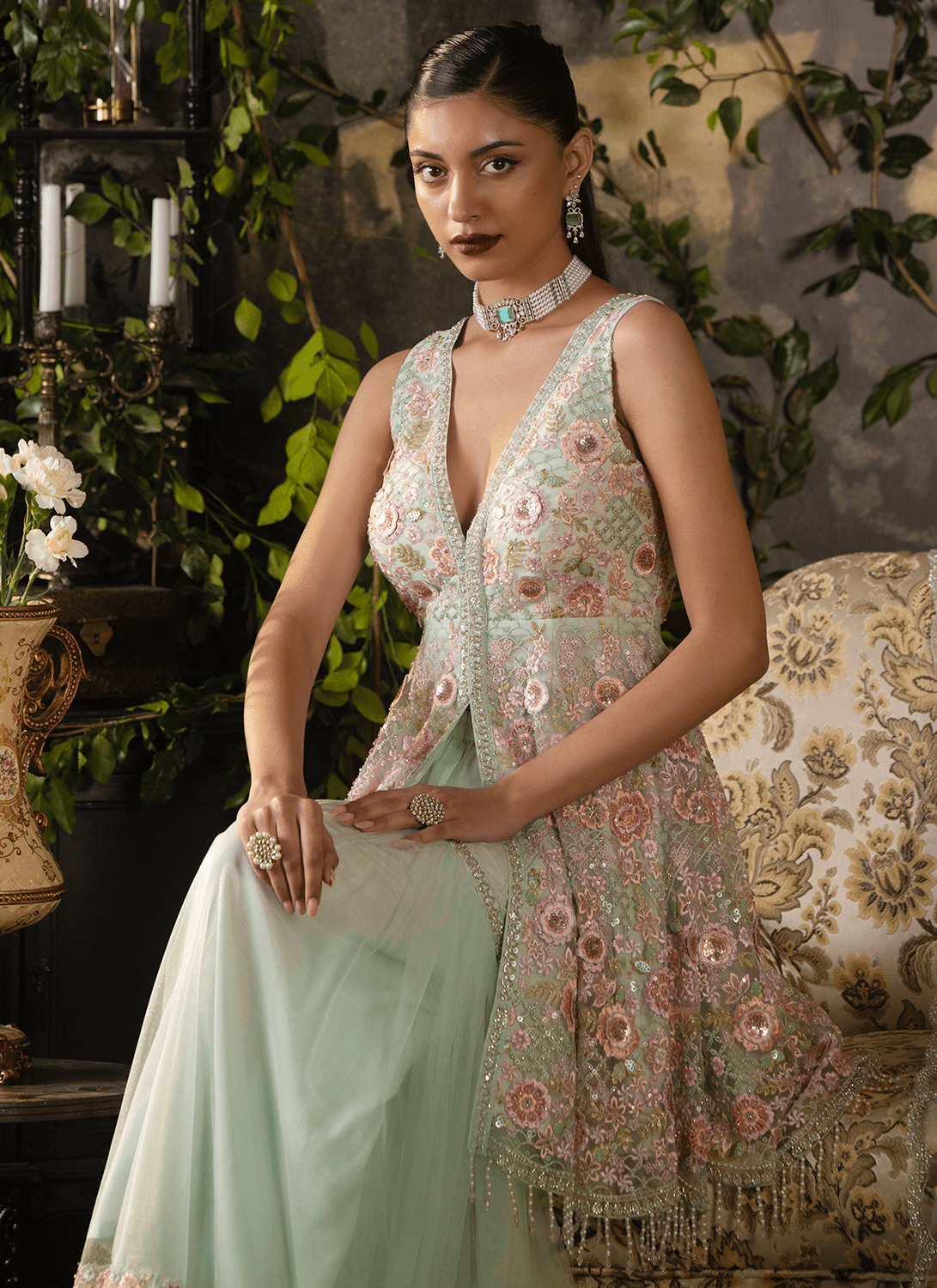
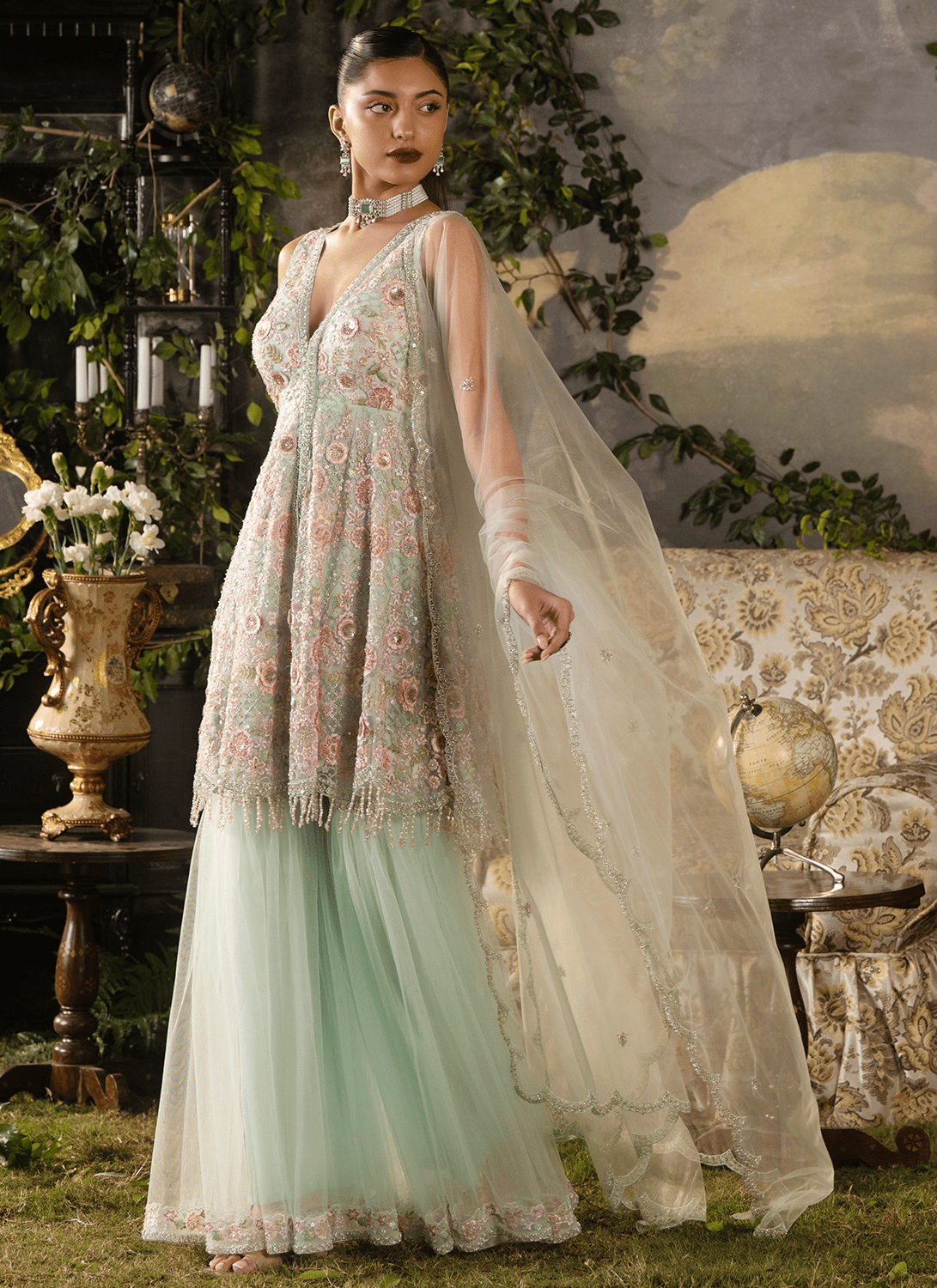
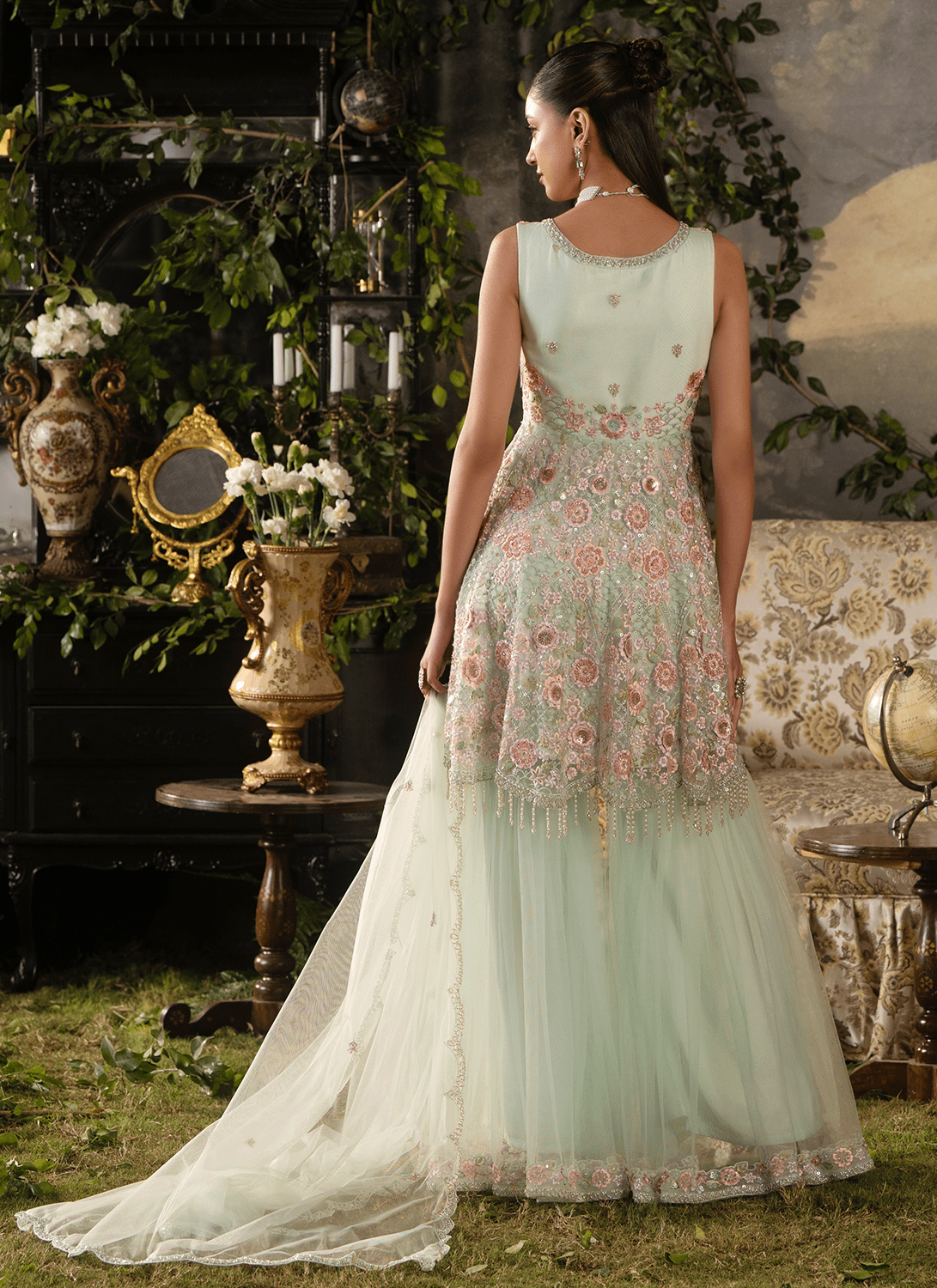
Our Soft Mint Embroidered Net Gharara is pure feminine magic. Delicate pink floral embroidery blooms across a soft mint canvas, creating a look that feels fresh, dreamy, and effortlessly elegant. The sleeveless tank-style top keeps things light and breezy, while the beautiful net dupatta adds a graceful, ethereal flow. Whether it's a spring wedding, a Eid gathering, or an outdoor ceremony, this piece is made for moments that deserve a little extra softness. Style it with dainty silver jewelry and soft curls for a look that's utterly enchanting.
Lashkaraa's Lilac Floral Embroidered Crepe Silk Gharara Suit is a study in refined luxury. Crafted from rich crepe silk throughout, from the long-sleeved top and crepe inner to the beautifully structured bottom, every element of this suit speaks to thoughtful, high-quality construction. Sweeping floral embroidery in gorgeous shades of purple and lilac adds a romantic, garden-inspired charm, while the flowing chinon dupatta brings a soft, graceful finish. Perfect for formal evening functions or festive family gatherings. Pair with amethyst or silver jewelry to honor the full beauty of its purple palette.
Choosing the Right Look for Every Occasion
Whether you're drawn to the grandeur of a Lehenga or the graceful sweep of a Gharara, both styles offer something truly special for every occasion and every woman. The Lehenga dazzles with its structured skirt and bold, statement-making presence, which are perfect for those moments that call for maximum drama and opulence. The Gharara, on the other hand, brings a flowing, relaxed elegance that feels just as festive but with a softer, more effortless charm.
No matter which style speaks to you, with Lashkaraa, you can be sure you're wearing something crafted with care and designed to make you feel your absolute best. The only real question is: which one will you reach for first?

Sources:
Gota Patti Origin | Pernia's Pop-Up Shop