What is a Saree: History and Traditions Explained
A saree, or sari, is one of the most iconic and graceful pieces of traditional attire worn by women in India and parts of South Asia. This simple yet elegant garment has been worn for centuries and is steeped in cultural history.
Today, sarees remain a beloved and versatile item of clothing, combining both tradition and modernity. In this article, we’ll delve into what a saree is, its historical significance, ceremonial importance, and how anyone can wear it. We'll also discuss where to buy a saree and how to choose the right one.
What is a Saree?

A saree is a long piece of unstitched cloth, typically between 5 to 9 yards in length, draped gracefully around the body in various styles. It’s often paired with a fitted blouse (called a choli) and a petticoat (a skirt worn underneath the saree), which helps secure the draping.
Length & Width
A standard saree is typically 5 to 9 yards in length and around 44 to 47 inches wide.
Fabrics
Sarees come in a variety of fabrics, including silk, cotton, chiffon, georgette, crepe, and synthetic blends. The material often depends on the occasion. For example, lightweight cotton sarees are ideal for daily wear, while luxurious silk sarees are commonly worn during festivals and weddings. The Deep Mustard Embroidered Silk Saree, with its bright color, mirror work, and embroidery, is enhanced by the silk, making it a classic choice, while the Off-White Embroidered Georgette Saree is ideal for casual festive events for its flowy fabric.
Colors & Designs
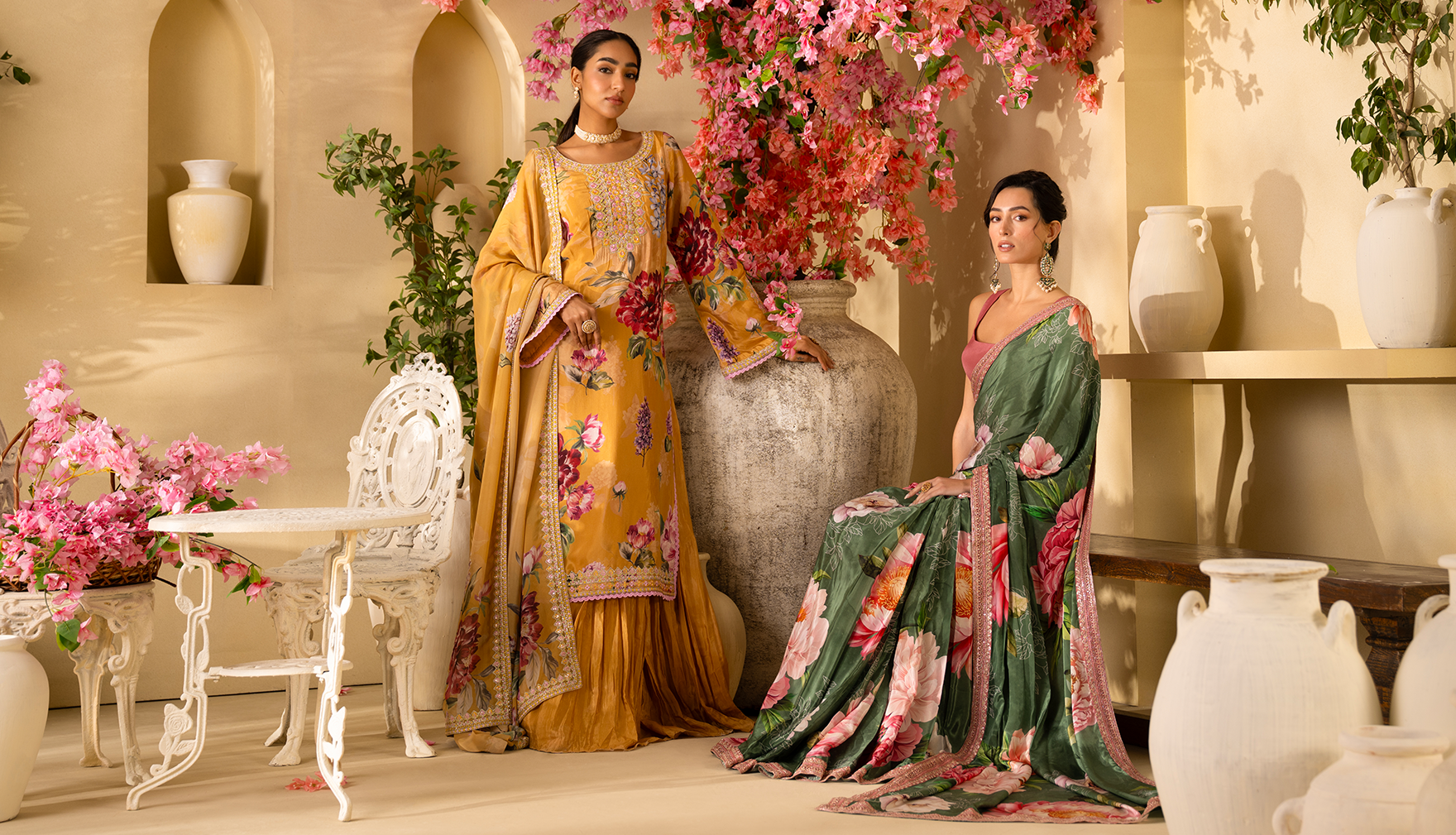
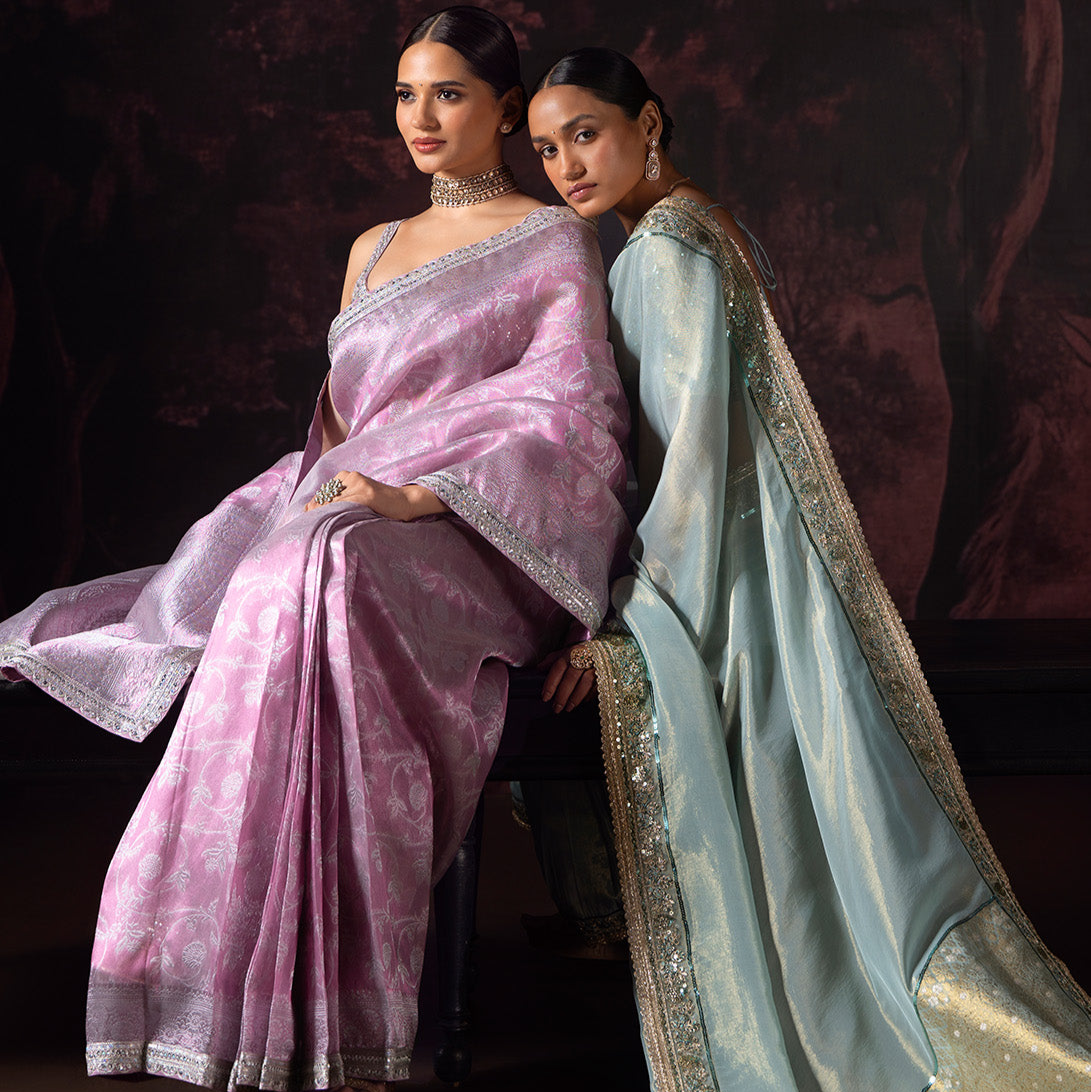
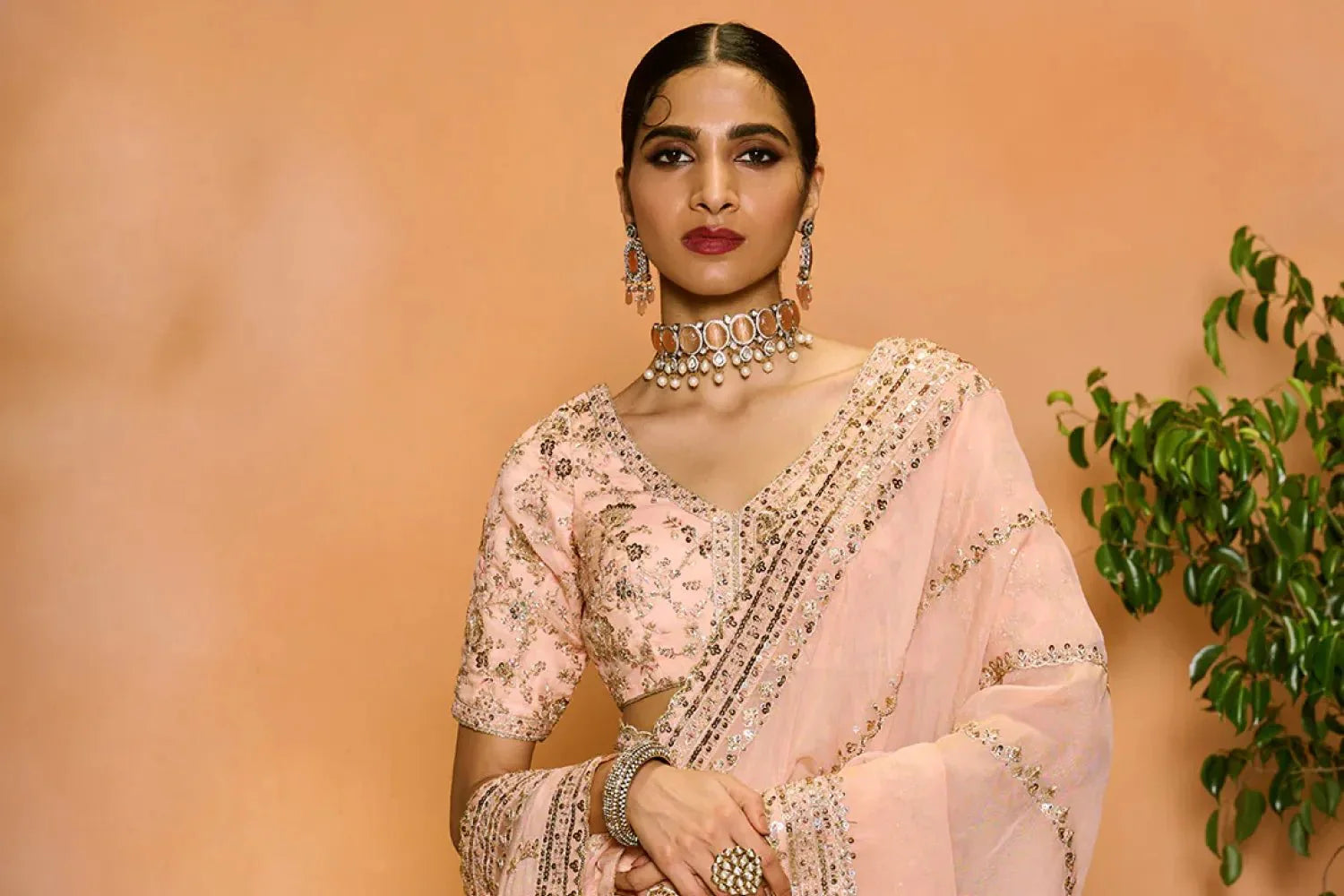
Sarees are available in every imaginable color, and their designs range from simple, solid-colored patterns to intricate hand-woven motifs, embroidery, sequins, and embellishments. Some regions in India have signature styles like Banarasi, Kanjeevaram, and Paithani sarees, which are renowned for their elaborate designs and craftsmanship. A classic example of India's diverse designs is our Pink Embroidered Pure Bandhani Saree, which pays homage to the traditional Gujarati style.
Draping Styles
The saree is an expression of cultural identity, elegance, and femininity. While saree draping styles vary by region and personal preference, the most common drape involves wrapping the saree around the waist, with one end draped over the shoulder (called the pallu). While draping may feel unfamiliar at first, it’s a skill that becomes intuitive with time. With the right guidance and a bit of practice, anyone can wear a saree confidently nand meaningfully.
History & Tradition of the Indian Saree
The saree’s history dates back more than 5,000 years, with its origins rooted in the Indus Valley Civilization. The word ‘saree’ comes from the Sanskrit word "sati," meaning "strip of cloth." Ancient sculptures and texts depict women wearing draped garments resembling sarees, demonstrating that this form of attire has been a staple in Indian clothing for millennia.
During the Vedic period (1500–500 BCE), both men and women wore unstitched fabric, which was considered pure and sacred. Over time, the draping styles of the saree evolved, and it became exclusively associated with women's attire.
In the Mughal era, sarees were often adorned with fine embroidery, luxurious fabrics, and intricate patterns, which influenced the modern-day versions of the saree we see today. With India’s rich diversity, each region developed its own unique draping style, fabric choice, and saree-making techniques, contributing to the immense variety of sarees in the country today.
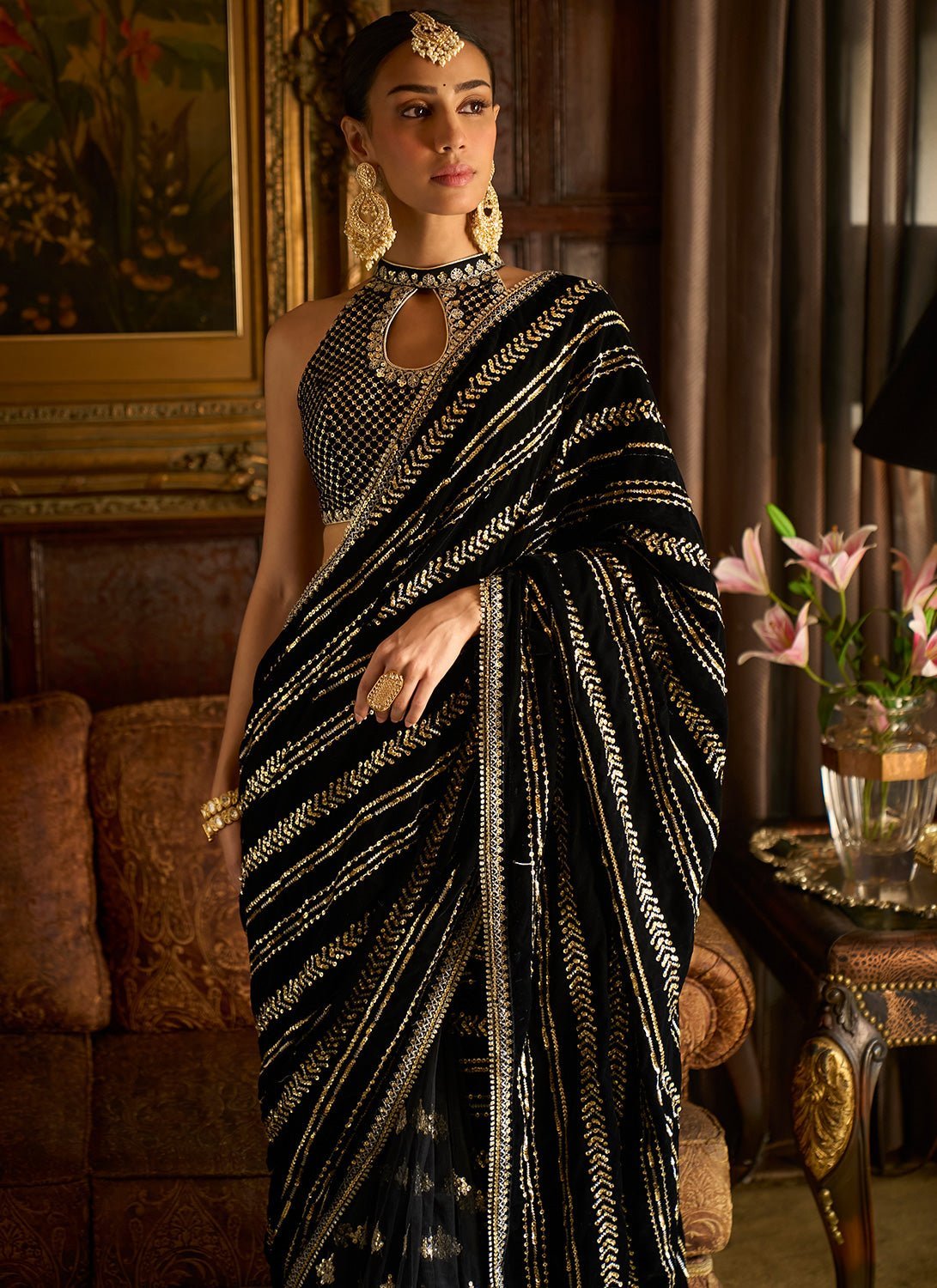
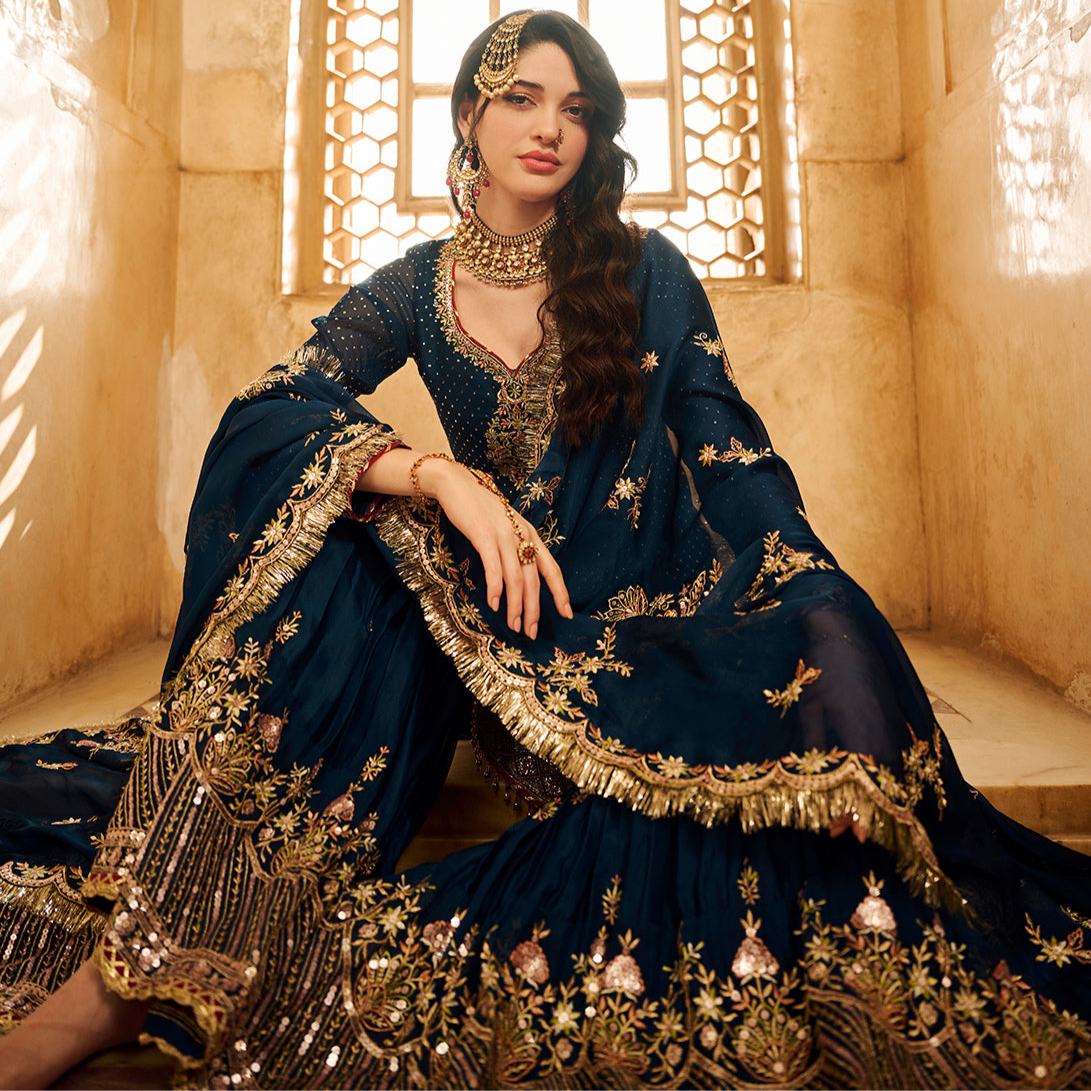
Sarees have also been an integral part of various art forms, from paintings to literature and films, symbolizing the grace, beauty, and cultural heritage of India. Even today, sarees are worn with pride during festivals, weddings, and other significant occasions, serving as a link between tradition and contemporary fashion, as can be seen with our Dusty Blue Heavy Embellished Net Saree.
What is a Ceremonial Saree?

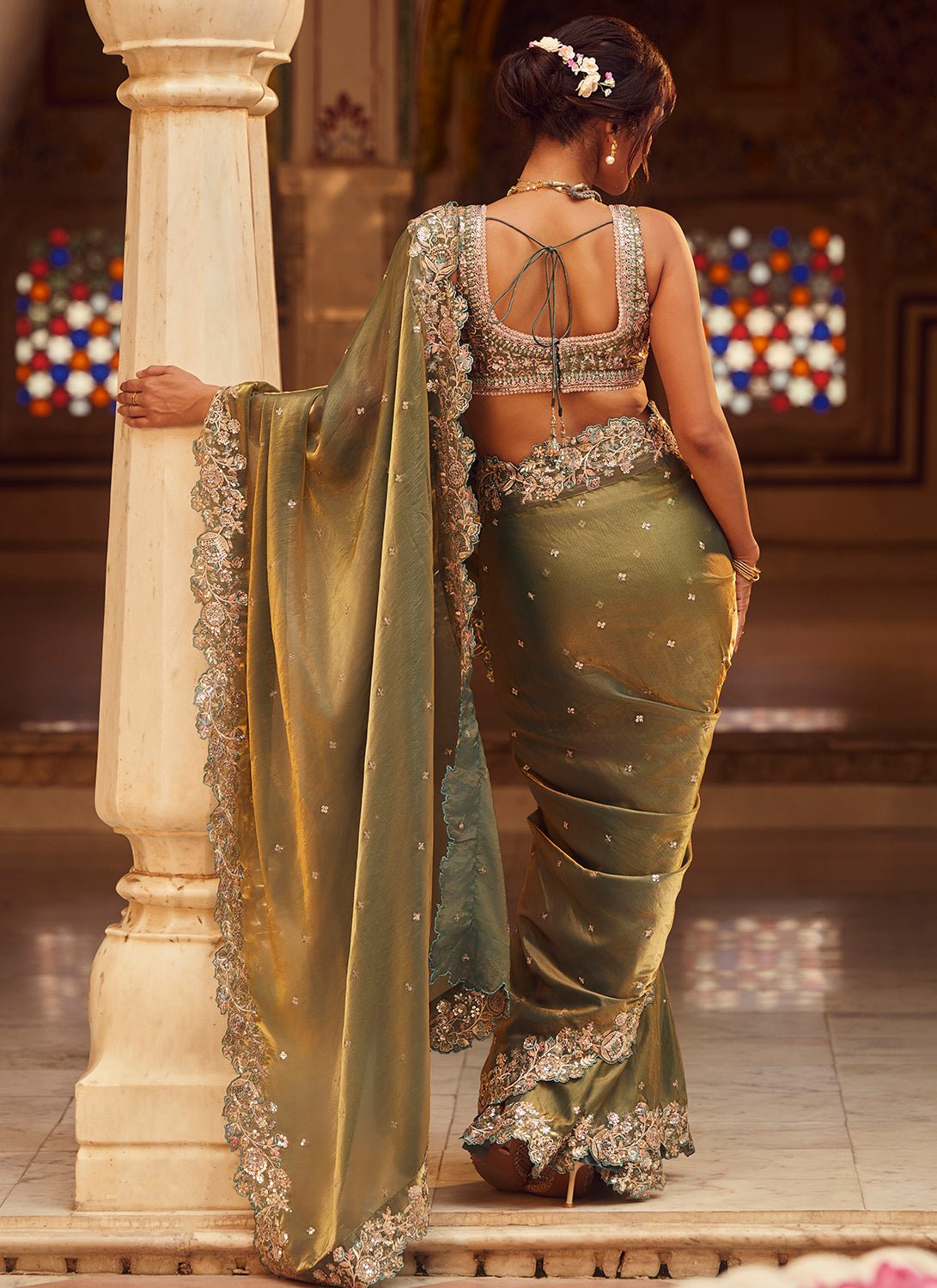
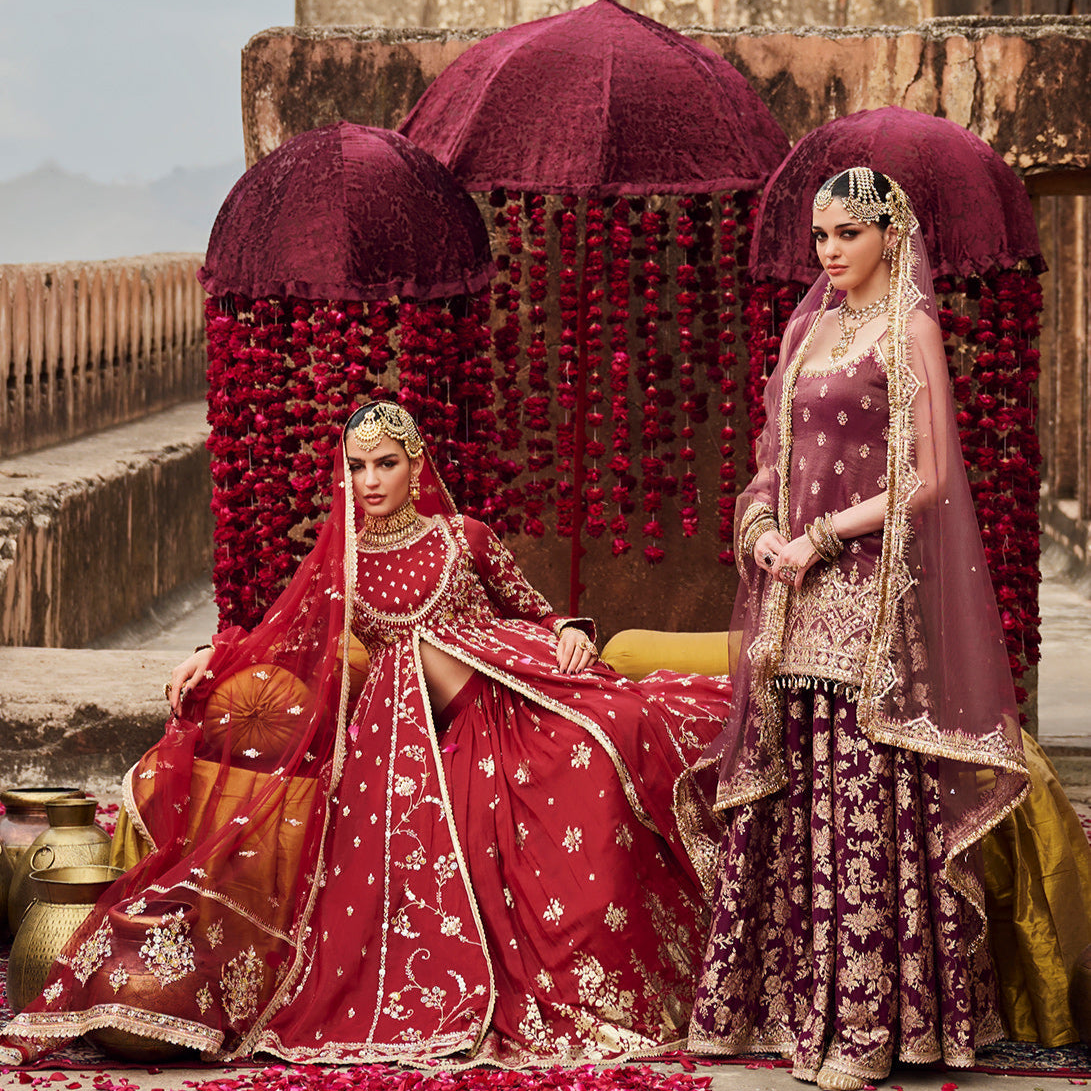
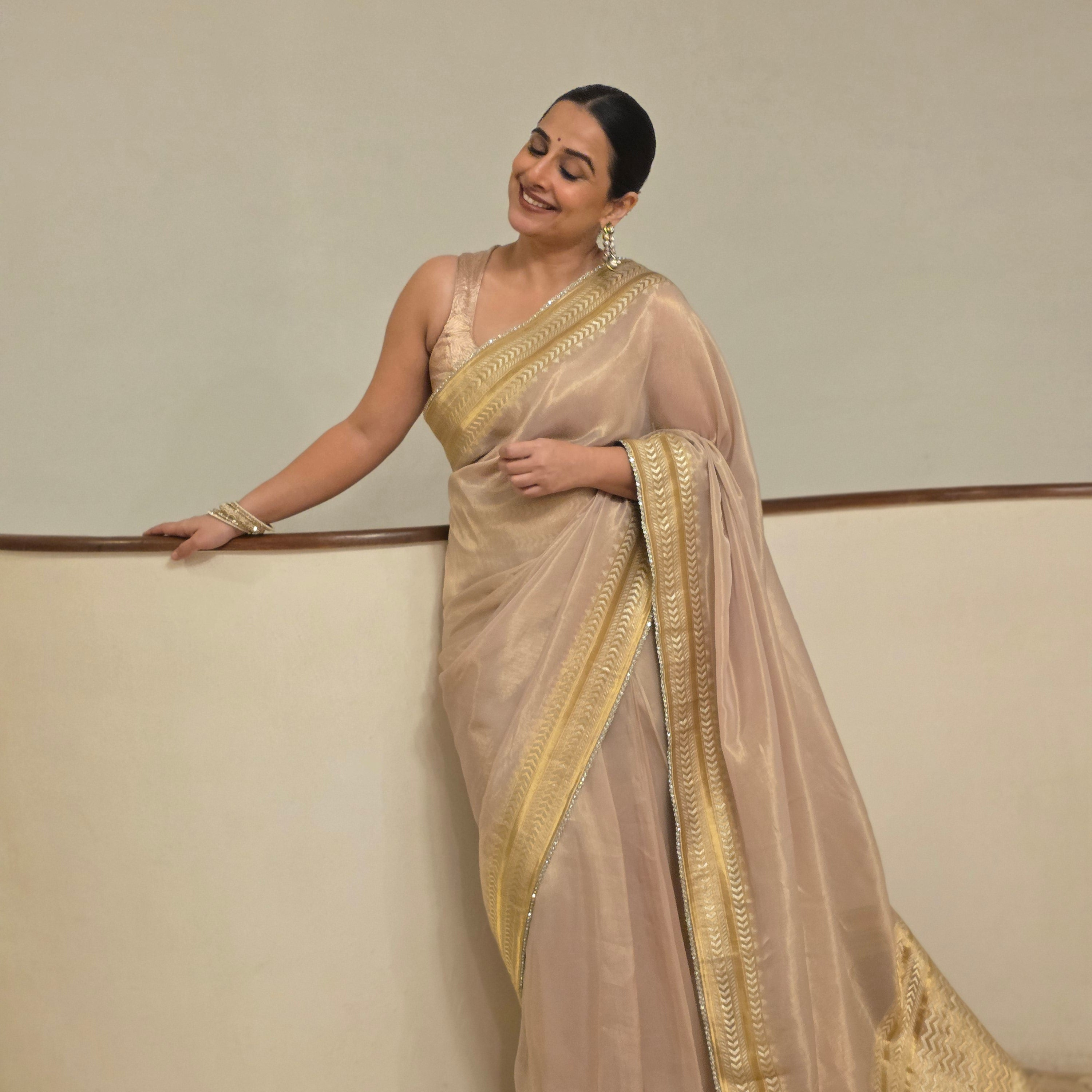
A ceremonial saree is one that is worn during important cultural and religious events, weddings, and festivals. These sarees are often heavily embellished and made from luxurious materials like silk, with rich embroidery, zari gold or silver thread work, and motifs that signify prosperity and good luck. Lashkaraa’s Nude Gold Embroidered Silk Saree is the perfect blend of tradition and elegance, perfect for ceremonies.
The Banarasi saree, woven in the holy city of Varanasi, is known for its intricate designs and metallic sheen, making it a popular choice for brides. Similarly, a Kanjeevaram saree from Tamil Nadu, known for its wide contrast borders and temple-inspired motifs, is another example of a saree used for ceremonial purposes. In some South Indian weddings, brides wear traditional white and gold sarees to symbolize purity and new beginnings.
The importance of ceremonial sarees is profound, as they are passed down through generations as heirlooms, carrying the family's legacy and blessings. Each saree tells a story of craftsmanship, culture, and celebration.
Can Anyone Wear A Saree?
Absolutely, anyone can wear a saree. While it is a garment deeply rooted in the heritage of the Indian subcontinent, the saree today is celebrated across cultures for its grace, versatility, and timeless appeal. People from around the world are drawn to its fluid silhouette and intricate craftsmanship, often choosing to wear it for weddings, festive occasions, and cultural events.
That said, wearing a saree can also be an opportunity to engage with the culture it comes from in a thoughtful and respectful way. Understanding its context, whether it’s the significance of certain fabrics, drapes, or occasions, adds depth to the experience. It’s less about “who can wear it” and more about how and why it’s worn. For example, wearing a saree with sacred or ceremonial elements like a temple-border saree traditionally worn for religious rituals, or styling it with symbols such as a bindi or mangalsutra as purely an aesthetic for a party or photoshoot can feel out of place as these are traditionally worn by married women and hold sacred importance in the culture. These elements often carry spiritual or marital significance, so using them without understanding their meaning may come across as dismissive rather than appreciative and could at times border on cultural appropriation, which the bindi has had a squabble with.
In contrast, choosing a saree for a wedding, festive celebration, or cultural event, while being mindful of its styling and significance, is generally seen as a respectful way to engage with the attire. It’s less about “who can wear it” and more about how and why it’s worn. On the other hand, the saree’s beauty also lies in its adaptability. It can be styled traditionally or reimagined for a more contemporary look by pairing it with structured blouses, belts, or even layered with modern silhouettes. Whether you choose a classic drape or a more experimental take, the essence of the saree remains the same: a garment that celebrates individuality, elegance, and expression. The Beige Embroidered Gharara Style Saree is one such versatile drape that combines the ease of a gharara pant with the playful elegance of the saree pallu.
What is Worn Under a Saree?
Under a saree, women usually wear a petticoat (also known as a "lehenga" or "skirt") and a blouse. The petticoat is worn around the waist and helps hold the saree in place. It’s typically made of lightweight fabric, such as cotton or satin, and is tied securely with a drawstring. The blouse is cropped and tailored to fit the upper body, often featuring sleeves, intricate designs, and various necklines, depending on personal preference and fashion trends.
Where Can I Buy A Saree?
Today, you can buy a saree both online, at places like Lashkaraa, and in physical stores. In India, traditional saree shops are found in almost every city, from high-end boutiques in metropolitan areas to local shops in small towns.
The saree, with its rich history and timeless appeal, is more than just a garment. It represents the cultural tapestry of India, embodying grace, tradition, and femininity. Whether you’re attending a wedding, celebrating a festival, or simply want to experience the elegance of Indian fashion, the saree is a perfect choice. Its versatility, coupled with endless fabric and design options, ensures that there’s a saree for every occasion and every individual.